
Rice Bran Oil: Is It Really Heart-Friendly?
Rice bran oil is mostly unsaturated fat and works well for Indian cooking, but no oil is a medicine. Here is how to use it sensibly.

Key Takeaways
- Rice bran oil is mostly unsaturated fat and suits Indian cooking.
- Using it in place of some ghee or butter matters more than the oil itself.
- Every oil is calorie-dense, so portions still count.
- Research cannot promise that any single oil prevents heart disease.
Walk down the oil aisle and rice bran oil is often sold as the heart-smart choice. There’s some truth in that. It’s mostly unsaturated fat, and it works well for Indian cooking. But no oil is a medicine, and every oil is full of calories. Here’s how to use it sensibly.
What’s in the bottle
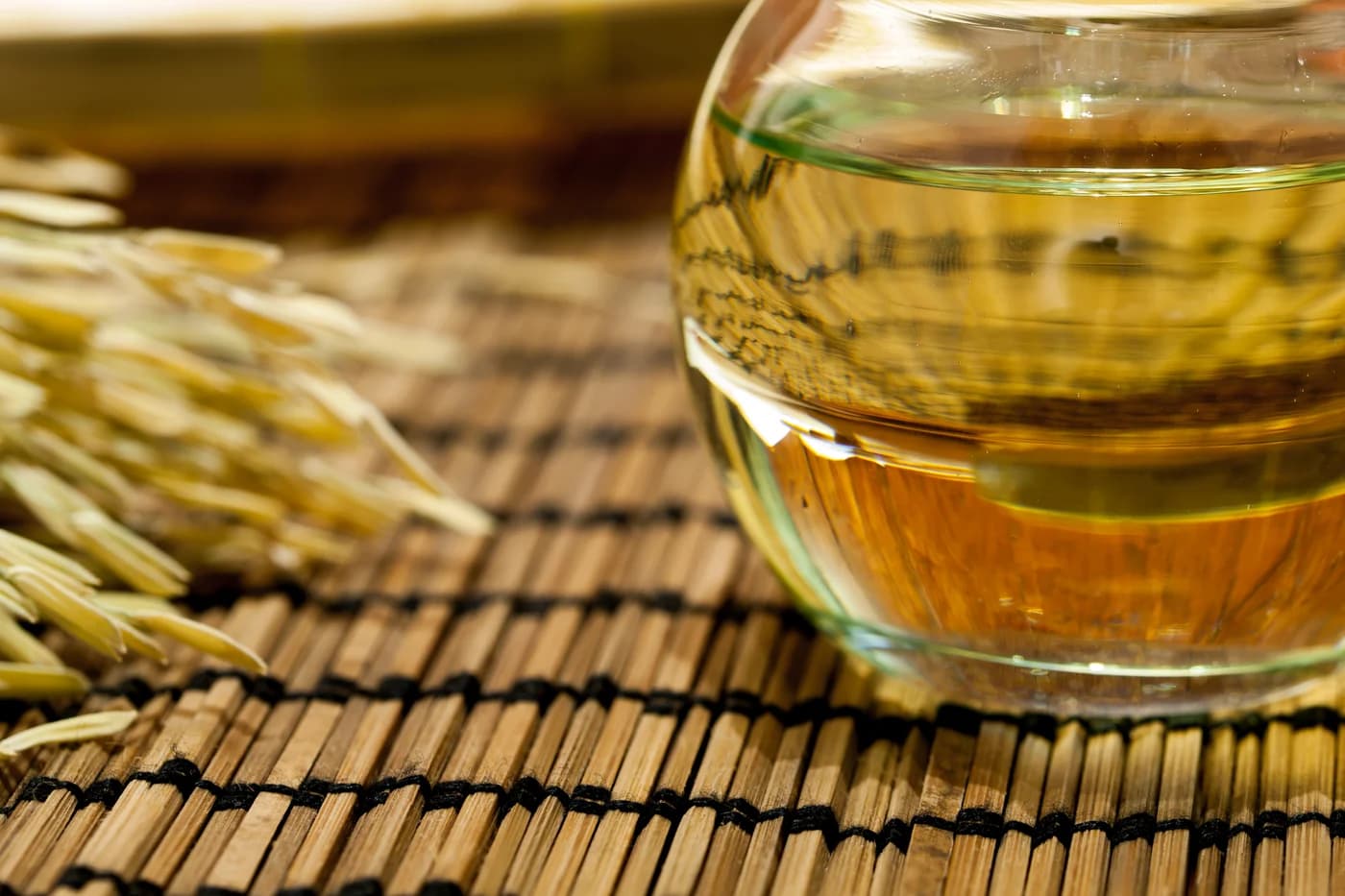
Rice bran oil comes from the outer layer and germ of the rice grain, which are removed when rice is milled. It contains a mix of unsaturated and some saturated fat, along with plant compounds like gamma-oryzanol. How it’s refined changes the minor compounds, so two bottles aren’t exactly alike.
It’s still oil, with plenty of energy in every spoon. Words like “heart friendly” on the label can’t tell you how much to pour. Look at the nutrition label and ingredient list, and buy a sealed pack from a seller you trust.
The swap that matters
Heart-health advice supports replacing some saturated fat with unsaturated oil. The key word is replacing. If you swap part of the ghee or butter in your cooking for rice bran oil, that fits the idea. If you simply add it on top of an already rich diet, you don’t get the same benefit.
Other unsaturated oils can do the same job, and no single oil cancels out frequent deep-fried food, few vegetables or little movement. If cholesterol is a concern, our guide on how to reduce cholesterol naturally shows what else helps.
Cooking with it
Rice bran oil works well for sautéing, tadka and everyday sabzi. It has a fairly high smoke point and a neutral taste, which suits most Indian dishes. Heat only what you need, and don’t let any oil smoke heavily.
A high smoke point doesn’t make repeated frying healthy, though. Fried food soaks up a lot of oil, so portions can become large. Don’t keep reheating the same batch over many sessions. If the oil smells rancid, looks dark or foams strangely, throw it out. Dispose of used oil in a sealed container instead of pouring it down the drain.
Storing it well
Keep the cap tight and the bottle away from heat and direct light. Buy a size you’ll finish while it’s fresh, and check the date on the pack. If it develops an off smell or taste, replace it.
If you don’t like the flavour, you don’t have to force it. Other unsaturated oils suit most kitchens and budgets just as well.
What research can’t promise
Some studies have looked at rice bran oil, and compounds like gamma-oryzanol, for cholesterol markers. The results depend on the amount, the oil it’s compared with and the rest of the diet. A change in a lab number doesn’t mean a spoon of oil protects you from heart disease.
Be careful of claims that it clears arteries or treats diabetes. A doctor may recommend a wider eating pattern and medicine based on your risk, so keep your follow-ups even if you switch oils. If blood pressure runs high in your family, read our guide on how to control high BP.
Watch the labels
“Cholesterol-free” sounds special on a bottle, but plant oils never contain dietary cholesterol anyway. It doesn’t make unlimited oil harmless. Likewise, a mention of antioxidants doesn’t turn a fried snack into a vegetable serving. Compare the type of fat and how you plan to use it.
Portions without a rigid rule
For a few days, measure how much oil goes into your family’s dals and sabzis. It often reveals more than any label. Use enough for flavour and cooking, then let spices, onion, tomato, herbs and a good non-stick or well-seasoned pan do the rest.
If you cook for several people, divide the oil across servings before judging one plate. Remember that nuts and seeds contribute fat too. Your ideal amount depends on your overall diet and energy needs.
Cost matters too
You don’t need a premium bottle to follow heart-health advice. Several everyday vegetable oils provide unsaturated fats. Rotate them for flavour if you like, but variety isn’t a requirement. And don’t use a label’s promise as a reason to use more. If you have high cholesterol or heart disease, talk to your doctor about your overall eating pattern and treatment.
A small kitchen trial
Try a small bottle for your usual dal tadka or sabzi. Notice the flavour, the cost and how it behaves at your normal cooking heat. Serve the meal with vegetables, pulses and a suitable staple like roti or rice. If you already use an unsaturated oil you like, switching is optional. What counts is a sensible amount of oil inside a varied diet.
A simple habit to try
Measure the oil in one family recipe. Try rice bran oil if you like the flavour, and judge the meal by its overall ingredients and portions.
Editorial sources
Frequently Asked Questions
Related Articles
Olive Oil Benefits: Types, Portions and Cooking Uses
Olive oil is mainly monounsaturated fat, and extra-virgin versions also contain flavour compounds and polyphenols. Learn cooking uses.
Mustard Oil: Cooking, Fat Profile and Safety
How to choose and use mustard oil: kachi ghani vs refined, fat profile, erucic acid, safe heating, portions and topical use.

Coconut Oil Benefits: Cooking Uses and Heart Health
Coconut oil is predominantly saturated fat. Virgin and refined products differ in flavour and processing, but both remain rich in saturated fat.