
Rose Tea: A Floral Drink Without the Miracle Claims
Rose tea offers floral flavour and a pleasant break. Learn how to prepare it and keep claims about skin, detox and period relief in perspective.
Key Takeaways
- Rose tea is an optional, caffeine-free floral drink.
- Use petals sold as food, not florist roses.
- Evidence for period pain relief is limited.
- Keep added sugar small.
Rose tea can turn an ordinary tea break into something a little different. It has a gentle floral fragrance, and a plain petal infusion is naturally free of caffeine. Those are good reasons to enjoy it, even without the long lists of detox, skin and hormone benefits often attached to it.
The name can describe several different drinks, though. Rose petals in hot water, rose-flavoured black tea and a rosehip blend are not the same thing. Knowing which one is in your cup helps you choose it for the right reason.
What counts as rose tea?
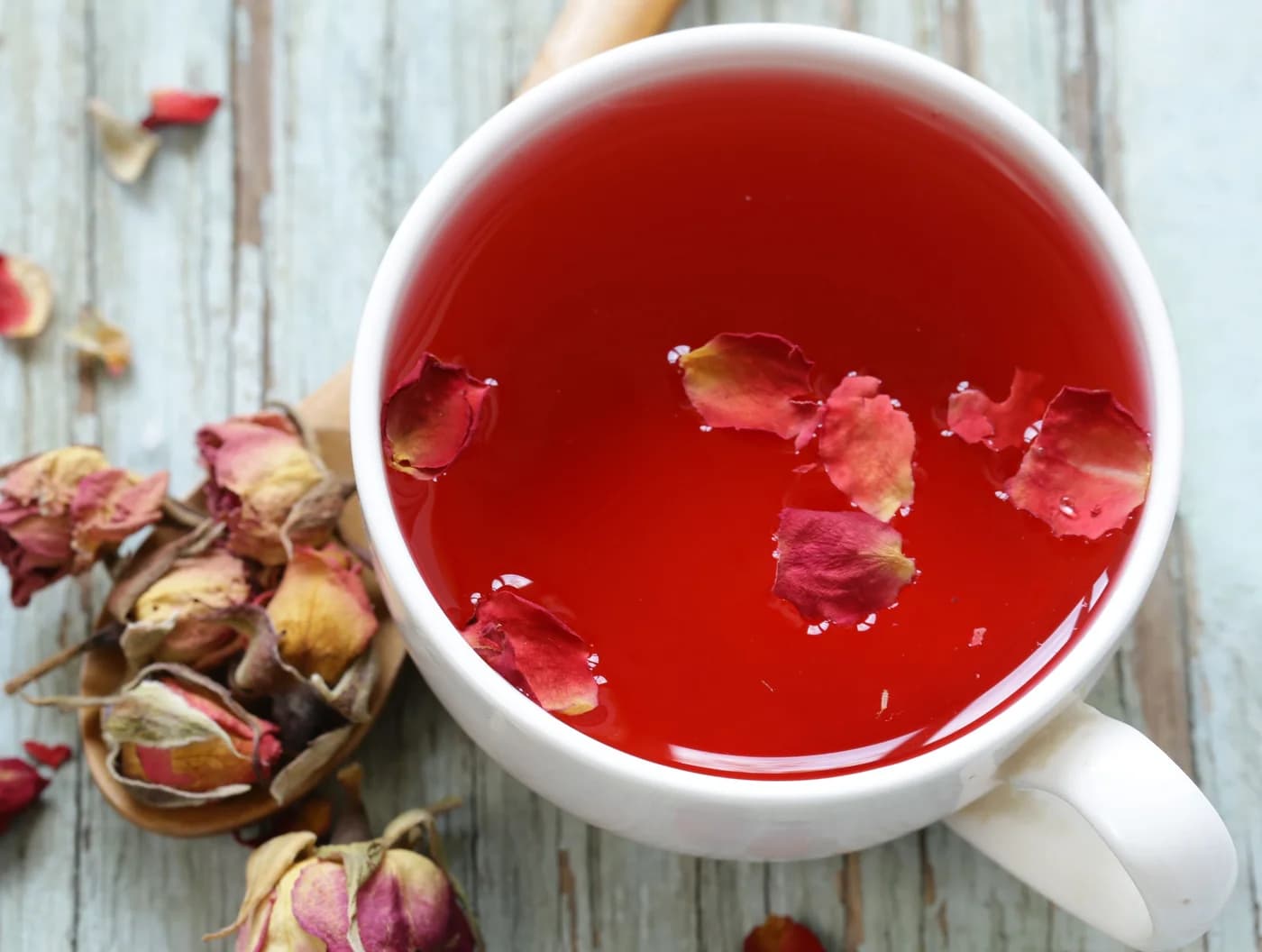
A simple rose tea is made by infusing food-grade rose petals or buds in hot water. It is technically an herbal infusion rather than tea from the Camellia sinensis plant.
Some blends combine rose with black tea or green tea. Those contain caffeine unless specifically decaffeinated. Others include hibiscus, spices or fruit, which can change the colour and flavour considerably.
Rosehips are the fruit that develops after certain rose flowers fade. A rosehip tea is different from a rose-petal infusion. Nutrient claims about the fruit, particularly vitamin C claims, should not automatically be transferred to a cup made from petals.
What can you realistically expect?
A plain infusion contributes fluid and offers flavour without added sugar. If it helps you enjoy an unsweetened drink instead of a very sweet beverage, that can be a useful everyday swap.
Its fragrance may also make a break feel pleasant. Enjoying a calming ritual is worthwhile, but it is different from proving that the drink treats anxiety or a sleep disorder. You do not need to turn a comforting cup into a medicine for it to have a place in your day.
For some people, the appeal is simply variety. If plain water feels monotonous and another caffeinated chai does not suit the evening, a mild rose infusion can be one option among several.
Antioxidants do not guarantee a visible health result
Rose petals contain plant compounds that can show antioxidant activity in laboratory tests. That tells researchers something about the material being tested, but it does not establish what a cup will do in a person's body.
The amount extracted into water varies with the petals, quantity and brewing method. A concentrated laboratory extract is also different from an ordinary infusion. Claims about glowing skin, rapid weight loss or liver cleansing need evidence in people, rather than an antioxidant score alone.
There is no reason to drink increasingly strong tea to chase those claims. A flavour you enjoy is enough. For vitamins, fibre and other nutrients, varied meals remain a more dependable source than a strained floral drink.
Does it help period pain?
A small study in adolescents reported improvements in menstrual symptoms with rose tea. It is an interesting finding, but one study in a particular group is not enough to promise the same result for everyone.
A warm drink may feel comforting during a period regardless of its specific ingredients. You can include rose tea if it suits you, while using the pain relief and other measures that normally help.
Severe pain that disrupts school, work or daily life should not be dismissed as something to manage only with tea. Pain that is new, worsening or accompanied by other concerning changes deserves assessment. A floral drink cannot identify or treat an underlying cause.
Choose petals meant for food
This is the most important practical distinction. Use culinary rose petals or a product sold for drinking. Flowers from a florist, roadside plant or decorative bouquet may have been treated with substances unsuitable for food.
A pleasant smell does not show that petals are edible. Washing also cannot turn an unknown decorative flower into a reliable food ingredient. If you grow roses, use only an identified edible variety grown with food-safe practices.
Rose perfume, essential oil and cosmetic rose water are not substitutes for petals in a cup. Products used for fragrance or skin care may contain ingredients that are not intended to be swallowed. Culinary rose water is a separate food product and is used in small amounts for flavour.
A simple way to prepare a cup
For a mild starting point, put about a teaspoon of food-grade dried petals in a cup, add freshly boiled water and steep for a few minutes before straining. Follow a packaged blend's brewing instructions if they differ.
Taste before adding anything. A little extra water can soften an overpowering floral flavour. If you use fresh culinary petals, rinse them and remove any damaged parts; you may need to experiment with the amount because fresh and dried petals differ.
Let the drink cool to a comfortable temperature. There is no need to drink it scalding hot, on an empty stomach or at a particular time for a supposed cleansing effect.
Keep the sweetness in perspective
Gulkand is a sweet preserve made with rose petals and sugar. Rose syrup is also usually sweetened. Adding either changes the drink; it is not nutritionally the same as an unsweetened petal infusion.
Honey and jaggery still add sugars. Use a little if you enjoy it, but do not assume that a “natural” sweetener makes a heavily sweetened drink a health treatment.
You could pair a plain cup with a small snack, such as fruit and curd, rather than asking the tea to replace breakfast. Floral flavour can complement food without supplying the protein or energy of a meal.
Make it an optional pleasure
Try one modest cup to see whether you like the taste and tolerate it. Stop if it causes mouth irritation, a rash or stomach discomfort. There is no established therapeutic daily dose that everyone should follow.
During pregnancy or breastfeeding, avoid treating concentrated rose preparations as remedies without appropriate advice. A medicinal extract or multi-herb blend raises different questions from occasional food use, and the other ingredients may matter more than the rose.
Store dried petals dry and well sealed so their fragrance lasts. Brew what you intend to drink, and choose rose tea because you enjoy the cup—not because a list of promises says you need it.
Editorial sources
Frequently Asked Questions
Related Articles
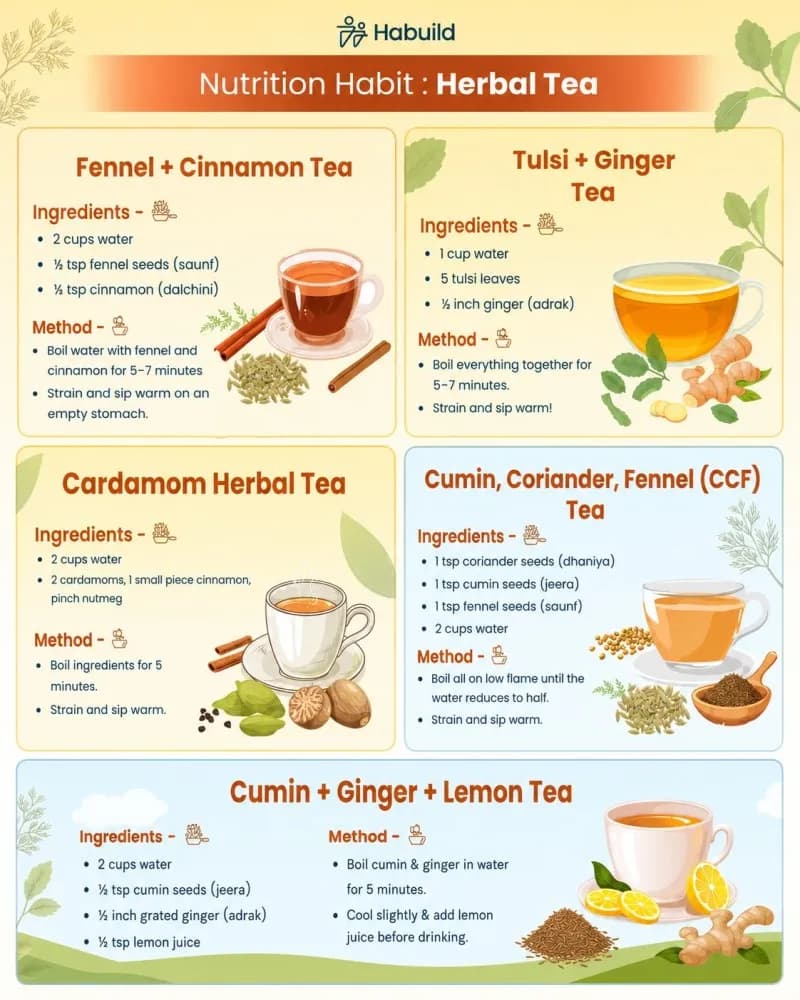
Herbal Tea Recipes: 5 Simple Blends for Daily Routine
These five herbal tea blends use common Indian kitchen ingredients like fennel, cinnamon, tulsi, ginger, and cardamom — light, warm drinks, not medicine..

Hibiscus Tea: Uses, Preparation and Possible Benefits
Hibiscus tea is a tart red infusion made from dried calyces, commonly Hibiscus sabdariffa. It is naturally caffeine free unless blended with tea leaves.

Rosemary Tea Benefits: Enjoy the Flavour, Keep Claims Realistic
Rosemary tea can be an enjoyable herbal drink. Keep expectations realistic and understand why concentrated products are a different matter.
Calories in Tea: Plain Tea, Milk Tea and Chai Compared
Plain tea has almost no calories; milk, sugar and cup size change everything. How to estimate your chai and make it lighter without giving it up.