
Shallots: Small Onions With Plenty of Kitchen Uses
Shallots add sweet or sharp flavour depending on preparation. Use them in sambar, chutney and everyday cooking, with sensible storage and portions.
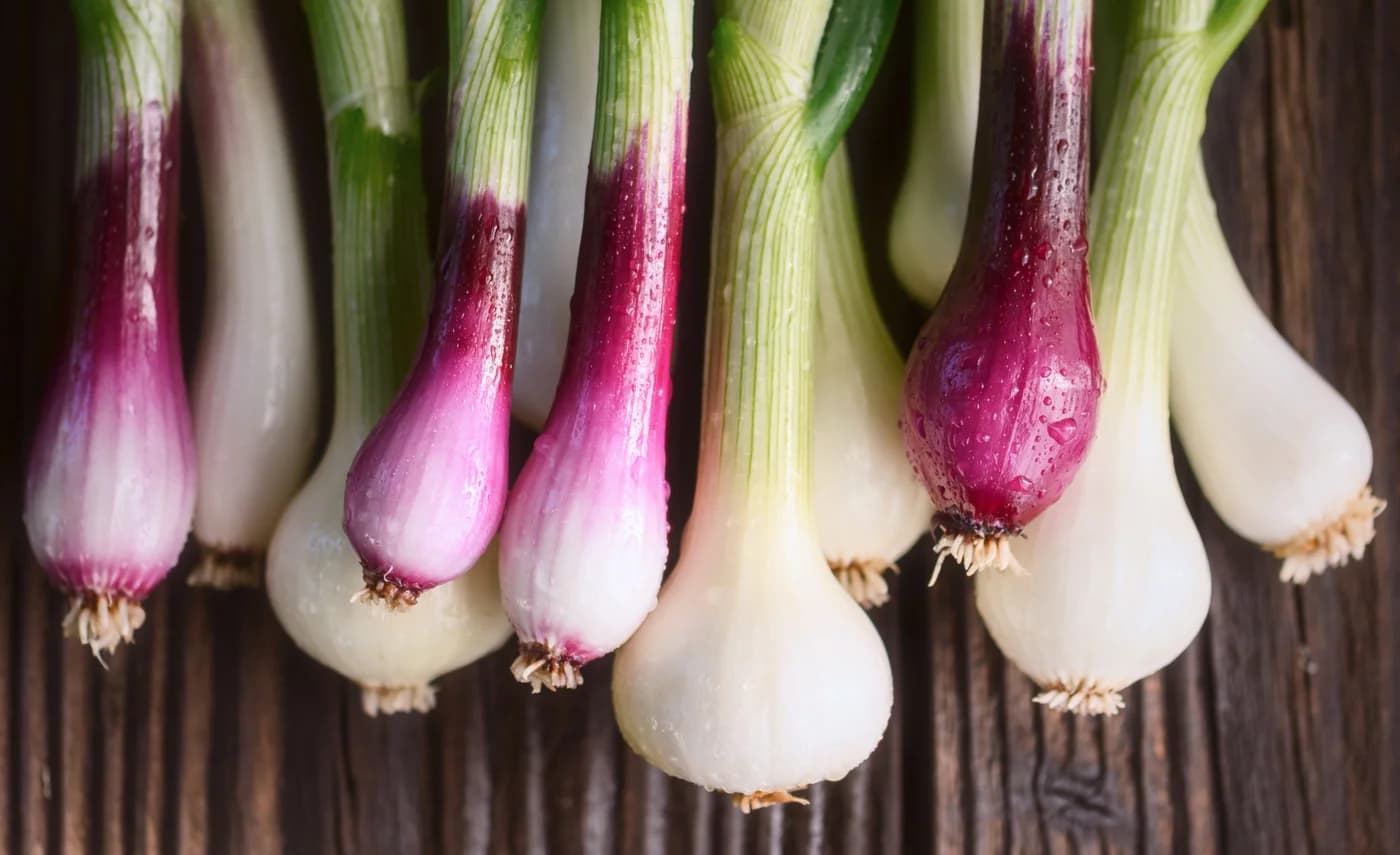
Key Takeaways
- Shallots are milder and sweeter than large onions.
- Soaking briefly makes peeling much easier.
- Use them in curries, sambar and quick pickles.
- People with IBS may react to their fructans.
A few small onions can change the character of a sambar, chutney or vegetable gravy. Shallots bring a flavour that can be sharp when raw and mellow when cooked, with a size that makes them useful whole or finely chopped.
Their main value is culinary. They contribute some nutrients, but an ordinary serving is too small to treat as a remedy for anaemia, cholesterol or an infection. Knowing how to peel, cook and store them is more useful than turning every onion into a medicinal food.
What is a shallot?
Shallots belong to the onion family, alongside onions, garlic and leeks. Many types form clusters of smaller bulbs rather than one large bulb, although appearance and naming vary.
In Indian markets, terms such as small onion, sambar onion and shallot can overlap. The exact variety may differ from the elongated French-style shallot used in a recipe from elsewhere.
That need not stop you cooking. Look at the size, strength and texture of the ingredient you have. A familiar local small onion may work well in the dish, even if it is not an exact botanical match for the photograph in a recipe.
How they differ from a large onion
Shallots often have a more delicate, slightly sweet flavour when cooked, although raw ones can still be pungent. A large red onion may be stronger or more watery in some preparations.
The difference is not a ranking of nutritional worth. You can use an ordinary onion when shallots are unavailable, but the taste and cooking time may change.
If a recipe counts whole shallots, do not replace each one with a whole large onion. Use the overall volume or weight as a guide and adjust to the dish. Precise substitution matters less in a flexible sabzi than in a concentrated sauce.
What do they offer nutritionally?
Shallots provide some fibre, vitamin C and other micronutrients, as well as plant compounds found in the onion family. The amounts on a per-100 g chart can look impressive compared with the much smaller amount used in a serving.
A few shallots in a family-sized pot do not supply a substantial daily dose of iron or protein. They make a meal more enjoyable, which can help you eat a wider range of pulses and vegetables.
There is also no need to eat them raw to make them worthwhile. Cooking changes flavour and some compounds, but cooked shallots remain a useful ingredient. Choose the preparation that suits the meal rather than forcing a pungent raw serving for a health claim.
Peeling without making it a project
Small bulbs can be fiddly. Trim the dry root and stem ends enough to loosen the papery skin, then peel away the outer layers. Keep the bulbs stable on the board and use a small, sharp knife carefully.
For a cooked dish, a short soak can help loosen the skin in some varieties. Avoid leaving peeled bulbs soaking for hours unnecessarily, since flavour and texture can change.
Peel only what you need or store the prepared amount promptly in the fridge. A bowl of peeled onions on a warm counter is not the same as dry bulbs stored in their skins.
Match the cut to the cooking
Whole small shallots work well when you want soft, distinct pieces in a sambar or gravy. Halved or sliced shallots cook faster and can form part of a base for vegetables or pulses.
Finely chopped shallots can add a little bite to a salad or chutney. Start modestly if their raw strength is unfamiliar. Rinsing or a brief soak may soften the taste, but it does not turn them into a different food.
For browning, watch the heat. Small pieces can go from golden to burnt quickly. A moderate heat and occasional stirring usually give more control than a very hot pan and extra oil added at the last moment.
Use them in meals you already make
You do not need a new cuisine to enjoy shallots. Try changing one familiar dish and notice whether you prefer the flavour.
Ideas include:
- Whole peeled small onions in sambar with the other vegetables.
- A shallot-and-tomato chutney served in a modest amount with idli or dosa.
- Sliced shallots cooked into a bean or mushroom preparation.
- A little finely chopped shallot with cucumber, lemon and coriander.
The rest of the meal still matters. A chutney is an accompaniment, while dal, curd, tofu or another substantial food can provide protein. Deep-fried shallot toppings add crunch but also oil, so a small garnish is a different portion from a bowlful.
What if onions cause bloating?
Shallots contain fructans, a type of fermentable carbohydrate. For some people with irritable bowel syndrome, these can trigger gas, bloating or pain. Smaller size does not automatically make a shallot low-FODMAP.
If you are following a structured low-FODMAP plan, use the guidance for that plan rather than swapping ordinary onion for shallot and expecting no symptoms. Suitable alternatives may include chives or the green tops of spring onions in appropriate amounts.
For everyone else, there is no reason to remove shallots pre-emptively. Personal tolerance and the amount eaten are more useful than a blanket statement that onions are either always good or always bad for digestion.
Buying and storage
Choose firm, dry bulbs with intact skins. Avoid soft spots, wetness, mould or signs of decay. A sprout suggests the bulb has started growing, while substantial deterioration is a reason to discard it.
Keep unpeeled dry bulbs in a cool, dry, ventilated place. A sealed damp bag encourages poor storage conditions. Heat and humidity may shorten how long they stay usable.
Refrigerate peeled or cut shallots in a clean covered container and use them promptly. You can freeze chopped shallots for later cooking if that is more convenient, accepting that their texture will soften.
Let flavour be enough
Shallots can make a simple meal more appealing without needing a list of treatment claims. Keep a small quantity if you use them regularly, and use a large onion when that suits the recipe and budget better.
A good ingredient earns its place through taste, convenience and the meals it helps you make. Shallots do that well, whether they are whole in sambar or a small sharp note in a salad.
Editorial sources
Frequently Asked Questions
Related Articles
Onion Benefits: Nutrition Facts, Uses and Safety
Onion benefits can add variety, flavour and useful nutrients to a vegetarian eating pattern. Its exact nutrition depends on the form, serving and.

Calories in One Onion: Nutrition by Size and Cooking Method
A medium raw onion has about 40–45 calories. See how size, frying and cooking oil change the number, plus tips for counting onion in recipes.

Garlic Benefits: Uses and Safety
Garlic adds strong flavour to food. Learn its realistic benefits, everyday uses, supplement risks, side effects and safe storage tips.

Bloating: Common Food Triggers, Simple Fixes and When to Get Help
Find the likely cause of your bloating, from eating fast to constipation or lactose, try one change at a time and know when to see a doctor.