
Shiitake Mushrooms: How to Cook Them and What They Offer
Shiitake add savoury depth to simple food. Prepare them thoroughly and keep nutritional claims separate from medicinal-extract research.
Key Takeaways
- Shiitake mushrooms add deep savoury flavour.
- Always cook shiitake thoroughly.
- Raw shiitake can cause an itchy rash in some people.
- Food mushrooms differ from medicinal extracts.
Shiitake mushrooms bring a deep savoury flavour to soups, rice dishes and vegetable stir-fries. Their firm caps can make a simple meal more interesting, especially when you want flavour without a heavy sauce. The important safety point is specific: eat shiitake thoroughly cooked. Raw or undercooked shiitake can cause a very itchy rash in some people, so they are not a raw-salad ingredient.
Fresh and dried give you different options
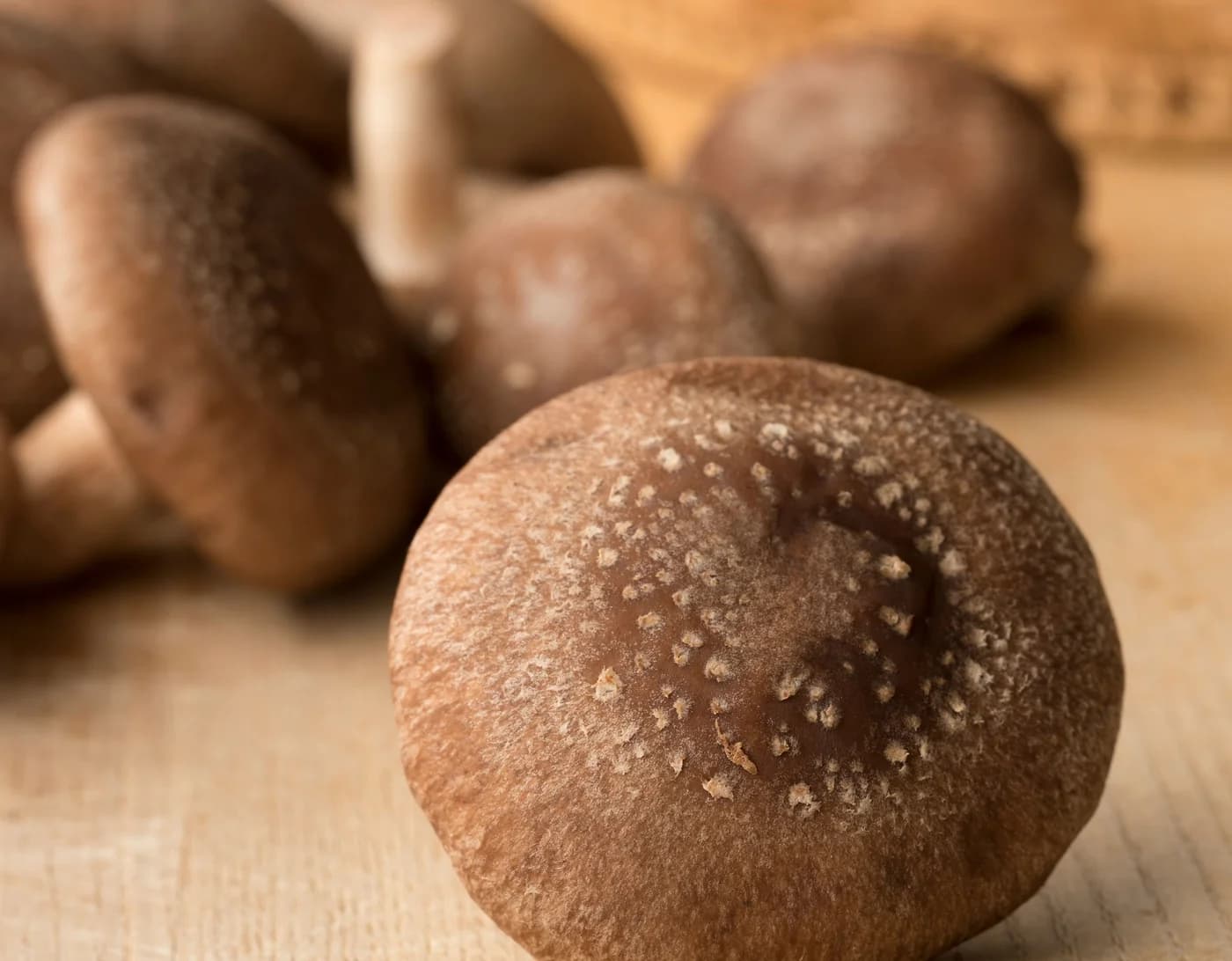
Fresh shiitake have brown caps and a fairly meaty texture. Dried shiitake keep longer and develop an intense flavour when rehydrated. A few can season a larger dish, which can make them practical even when the packet costs more than ordinary button mushrooms.
Choose cultivated edible mushrooms from a reliable supplier. A photograph or an app is not a dependable way to decide whether a wild mushroom is safe to eat.
Fresh shiitake should look sound rather than slimy or badly deteriorated. Dried mushrooms should be dry and free from unexpected mould or insects. Buy an amount that fits the meals you actually plan to cook.
Their main strength is flavour
Shiitake contain fibre and several vitamins and minerals, with differences between fresh, dried and prepared forms. An ordinary serving can contribute variety, but it should not be sold as a complete nutritional solution.
They are not a substantial replacement for a protein food such as dal, beans, tofu or paneer. A mushroom curry may need one of those alongside it if it is to form a more filling meal.
The useful culinary feature is umami, a savoury taste that adds depth. In a soup or gravy, mushrooms can make the dish satisfying without requiring a large amount of cream, cheese or butter.
Clean and trim before cooking
Remove visible dirt and clean the mushrooms appropriately, then pat them dry if you plan to brown them. Avoid leaving fresh mushrooms soaking unnecessarily, since that can make the texture harder to manage in a pan.
The stems are often tougher than the caps. Trim tough parts and slice the caps into pieces that will cook evenly. Tender stem portions may be usable; very woody stems are less pleasant to chew.
Prepare only the quantity you need. Keep raw mushroom handling separate from ready-to-eat foods, and wash utensils after use. Ordinary kitchen hygiene still matters even though the food is a cultivated mushroom rather than meat.
Rehydrate dried shiitake, then cook them
Use the packet's rehydration method with safe water. For a long soak, refrigeration is preferable to leaving the bowl warm for hours. Once softened, trim tough stems and cut the caps as needed.
Soaking is not cooking. The softened mushrooms still need thorough heat treatment in the finished dish. Likewise, pouring hot broth over raw slices is not a dependable substitute for cooking them through.
If you use the soaking liquid for flavour, strain out grit and include it in a dish that will be cooked thoroughly. Discard it if the mushrooms or handling were questionable. There is no nutritional reason to drink the raw soaking water.
Cook for more than a quick surface colour
Thin slices can brown rapidly on the outside while receiving too little cooking overall. A brief toss in a very hot pan is not enough to assume that shiitake are thoroughly cooked.
Use a reliable recipe and the product's instructions, allowing enough time for the pieces and cooking method. In soups and curries, give the mushrooms time to cook in the liquid rather than adding them at the last moment as a garnish.
There is no single minute count that works for every whole cap, thin slice and dried product. The practical rule is complete cooking, rather than treating a little browning or softness after soaking as proof.
Three meals where the flavour earns its place
For a ginger broth, cook sliced shiitake with vegetables and add tofu for substance. A small amount of soy sauce may be enough to season it; taste before adding more salt.
For rice, use cooked mushrooms with peas, onion and a modest amount of oil in a pulao-style dish. Serve with dal or curd as appropriate rather than relying on the mushrooms alone for protein.
For a dry side dish, cook the mushrooms thoroughly with capsicum, garlic and pepper. The stronger flavour works well beside a simple roti-and-dal meal. You do not need to include shiitake in every dish to get value from the packet.
Understand the distinctive rash
Shiitake dermatitis can produce red, very itchy streaks that resemble whip marks. It is associated particularly with raw or undercooked shiitake and may appear after a delay of hours or days.
It is not evidence of successful detoxification, and it should not be managed by eating more mushrooms to build tolerance. Stop the suspected food and seek assessment, mentioning when and how the shiitake were prepared.
If breathing difficulty, facial swelling or faintness occurs, seek emergency help because those symptoms can indicate a serious allergic reaction. That response is separate from the more typical delayed rash.
Food is different from a medicinal extract
Shiitake compounds have been studied in laboratories and in particular medical contexts. Findings about an isolated substance do not establish that an ordinary mushroom meal treats cancer or strengthens immunity in a measurable way.
Capsules and concentrated extracts create a different exposure and may not have the same safety or evidence as cooked food. Do not replace treatment or buy large doses because a mushroom has a long traditional history.
You can enjoy shiitake without giving them a therapeutic job. Making vegetables and tofu taste better is a useful contribution on its own.
Store the rest for another meal
Keep fresh mushrooms refrigerated and follow the supplier's advice. Store dried shiitake sealed in a cool, dry place, protecting them from moisture. Rehydrated mushrooms and cooked dishes become perishable foods and need prompt chilling.
Freeze suitable cooked portions if that fits the recipe and product guidance. Do not repeatedly warm a large container and return it to the fridge.
If shiitake are new to your kitchen, begin with one small cooked dish. You can learn the flavour and preparation without buying supplements or redesigning your diet around a mushroom.
Editorial sources
Frequently Asked Questions
Related Articles
Reishi Mushroom: What the Evidence Says About Supplements
Reishi has a traditional history, but its modern supplement claims need perspective. Here is what readers can reasonably expect.

Lion's Mane Mushroom Benefits: What the Research Shows and Safety
Lion's mane is an edible mushroom sold as food and supplements. See what small studies on memory and mood found, and how to use it safely.
Oyster Mushrooms: Nutrition, Cooking and Safety
Oyster mushrooms add fibre, B vitamins and savoury flavour but only modest protein. How to clean, cook, store and buy them safely.
