
Reishi Mushroom: What the Evidence Says About Supplements
Reishi has a traditional history, but its modern supplement claims need perspective. Here is what readers can reasonably expect.
Key Takeaways
- Reishi is a supplement mushroom, not a sabzi ingredient.
- Immunity and cancer claims need careful scrutiny.
- Side effects and interactions are possible.
- There is no standard daily wellness dose.
Reishi is often sold as a mushroom for immunity, energy or longevity. It has a long history in traditional Asian medicine, but that history does not establish every modern claim made for a capsule or coffee blend. Unlike the button mushrooms you might cook for dinner, reishi is usually encountered as a supplement or bitter infusion. Its most useful discussion is therefore about evidence and expectations, rather than portions for a vegetable dish.
A supplement mushroom, not an ordinary sabzi ingredient
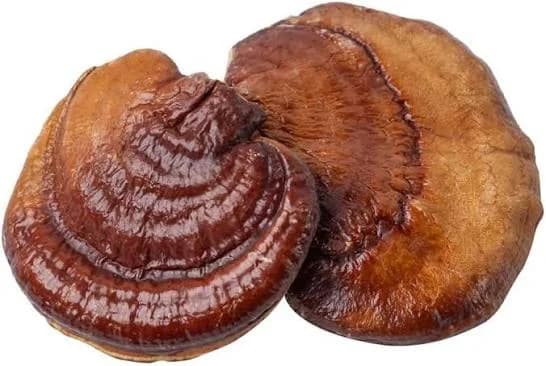
Reishi refers to Ganoderma mushrooms, often described on products as Ganoderma lucidum or lingzhi. They have a tough, woody texture. Products may contain dried material, extracts or spores, offered as powders, capsules, teas and drink mixes.
These forms are not interchangeable. A spoonful of mushroom powder is different from a concentrated extract, and a multi-ingredient coffee may contain relatively little of either. There is no reliable way to translate a dose used in one study into a universal household spoonful.
That distinction matters before any benefit is discussed. Evidence about a particular preparation cannot automatically support everything carrying the name reishi.
Why the immunity claim needs care
Researchers have studied reishi compounds for effects on immune activity. A change in an immune marker, however, is different from showing that people catch fewer infections, recover faster or live longer.
Immunity is also not a single dial that should always be turned up. People receiving treatment that deliberately suppresses immune activity have particular reasons to avoid experimenting with an immune-active supplement.
For someone who is generally well, there is no established need for a daily reishi product. Regular food, sleep, vaccination and appropriate treatment when ill have clearer jobs. Buying a mushroom blend is not a necessary step in maintaining normal immune function.
Does it help blood sugar or cholesterol?

One randomised trial tested a Ganoderma preparation in adults with metabolic syndrome and raised blood glucose. It did not demonstrate the hoped-for improvement in blood sugar or cardiovascular risk measures.
This is a more useful result than a broad claim based only on experiments in cells or animals. It does not prove that no future preparation could ever help; it shows why current marketing should not be treated as a dependable treatment plan.
If you are managing diabetes or cholesterol, keep attention on the measures that guide care. A reishi capsule should not replace prescribed medicine or delay a decision about cardiovascular risk. Feeling more energetic after starting a product does not show that glucose or cholesterol has improved.
Cancer claims deserve particular scrutiny
Small studies have explored reishi alongside cancer treatment, but the available research does not establish it as a stand-alone cancer therapy. Reviews have also identified limitations in the quality and size of the evidence.
A promising laboratory effect is not the same as a tumour response or improved survival in people. Testimonials cannot settle that question either, because several treatments and changes may happen at the same time.
Do not replace or postpone cancer treatment for reishi. If you are already receiving treatment, adding supplements is a decision for the oncology team because interactions can affect the intended treatment. This is a specific concern, not a reason to assume every ordinary mushroom meal is dangerous.
What about tiredness and stress?
An expensive powder can feel like a simple answer when you are exhausted. But tiredness can follow inadequate sleep, too little food, anaemia, medicines or other health problems. A general energy claim does not identify which applies.
First look at a concrete difficulty you can change. If you regularly miss lunch, arrange food for that gap. If late caffeine keeps you awake, move it earlier. Persistent, unexplained fatigue deserves assessment rather than a succession of wellness blends.
You do not need to prove a supplement is ineffective before choosing not to buy it. When benefits remain uncertain, saving the money for ordinary needs is a reasonable decision.
Side effects are possible
Reported problems include digestive discomfort, nausea and difficulty sleeping. Liver injury has also been reported with some reishi products. Natural origin does not make concentrated use harmless.
Stop the product and seek prompt care for yellowing of the eyes, dark urine, persistent vomiting or unusual marked fatigue. Those symptoms should not be dismissed as detoxification or a sign that the supplement is working.
Bleeding risk is another concern, particularly with blood-thinning medicines. People using immunosuppressants also need to avoid unsupervised use. Pregnancy and breastfeeding are poor times to experiment with medicinal doses when adequate safety evidence is lacking.
Mushroom coffee is still a drink with ingredients
Adding reishi to coffee does not automatically remove caffeine. A sweetened creamer or premix can add sugar too. If the purpose is better sleep, a caffeinated evening blend may work against that aim regardless of the mushroom claim.
If you enjoy a particular drink, judge its flavour and effect on you without assuming a medicinal benefit. Ordinary coffee, decaffeinated coffee or another drink may meet the same practical need at a lower cost.
You also do not have to finish a product that repeatedly causes symptoms. Sunk cost is not a reason to keep taking something uncomfortable or potentially harmful.
There is no standard daily wellness dose
Research uses differing preparations, and there is no established reishi dose that every healthy adult should take. More powder or a stronger extract does not solve the uncertainty.
For most readers, the practical conclusion is simple: reishi is optional, with uncertain benefits and real limits. Enjoy ordinary edible mushrooms if you like them, but do not treat them as equivalent to a reishi supplement or expect either to replace care for a diagnosed condition.
Editorial sources
Frequently Asked Questions
Related Articles
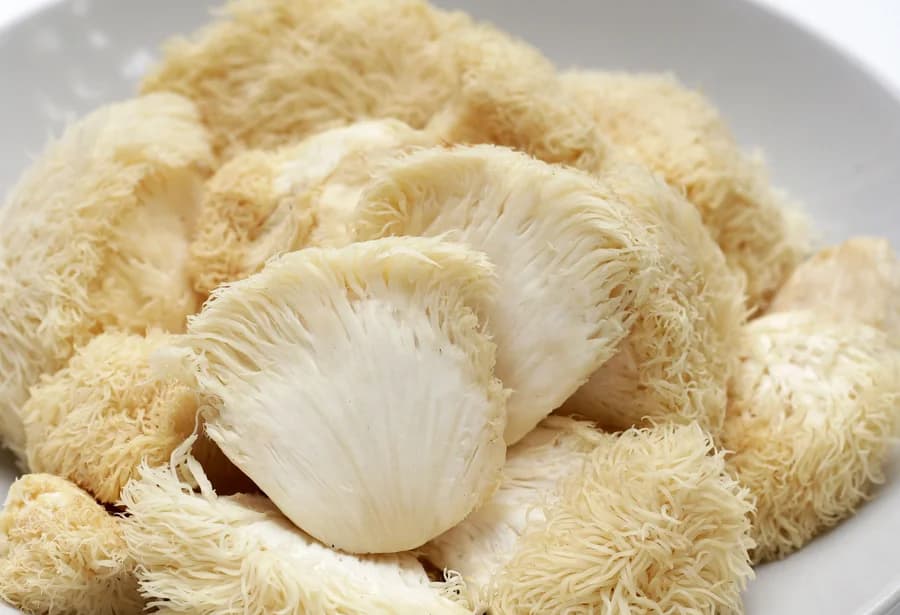
Lion's Mane Mushroom Benefits: What the Research Shows and Safety
Lion's mane is an edible mushroom sold as food and supplements. See what small studies on memory and mood found, and how to use it safely.

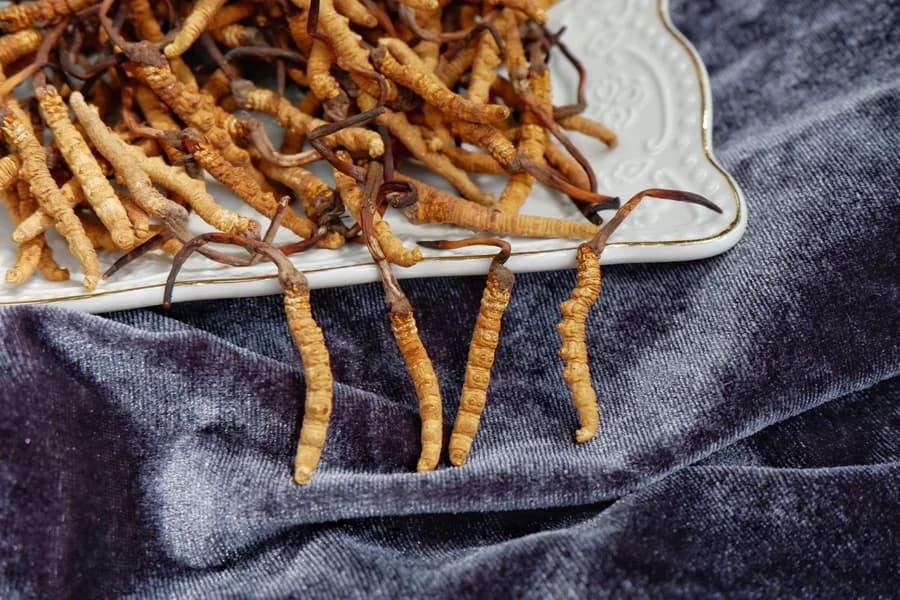
Cordyceps Supplements: Evidence, Uses and Safety
Cordyceps is sold for stamina and immunity, but human evidence is limited. Which species you are buying, side effects and interactions.
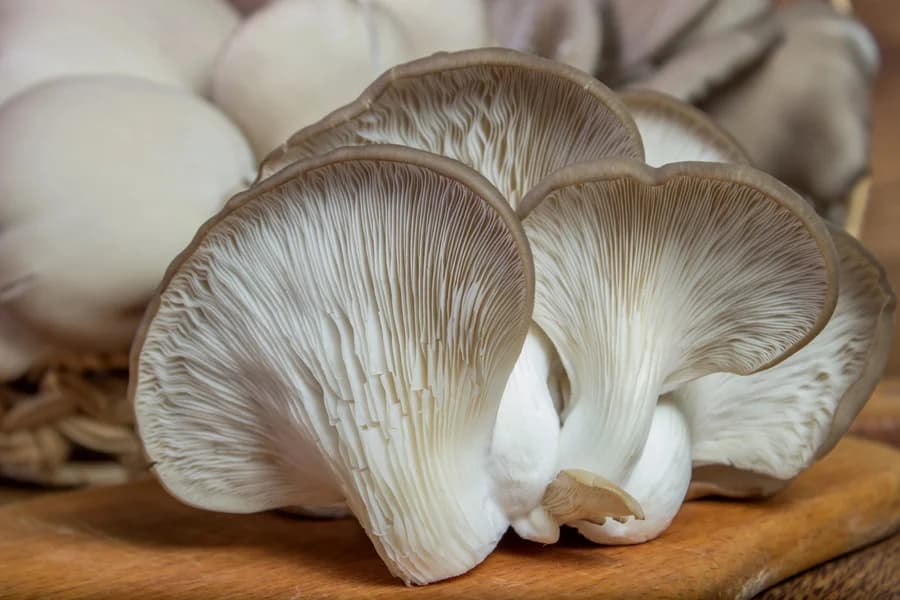
Oyster Mushrooms: Nutrition, Cooking and Safety
Oyster mushrooms add fibre, B vitamins and savoury flavour but only modest protein. How to clean, cook, store and buy them safely.

Immunity Boosting Foods: What Actually Supports Your Immune System
No single food boosts immunity beyond what your body can already do — what certain foods can supply is the vitamin C, zinc, protein, and gut support your.