
Side Effects of Eating Raw Rice: Why the Habit Deserves Attention
Raw-rice eating can affect teeth and digestion. A recurring craving deserves practical support and attention to possible causes rather than shame.
Key Takeaways
- Chewing raw rice can damage teeth.
- Raw grain is not sterile.
- Repeated cravings may point to iron deficiency.
- Mention the habit early during pregnancy.
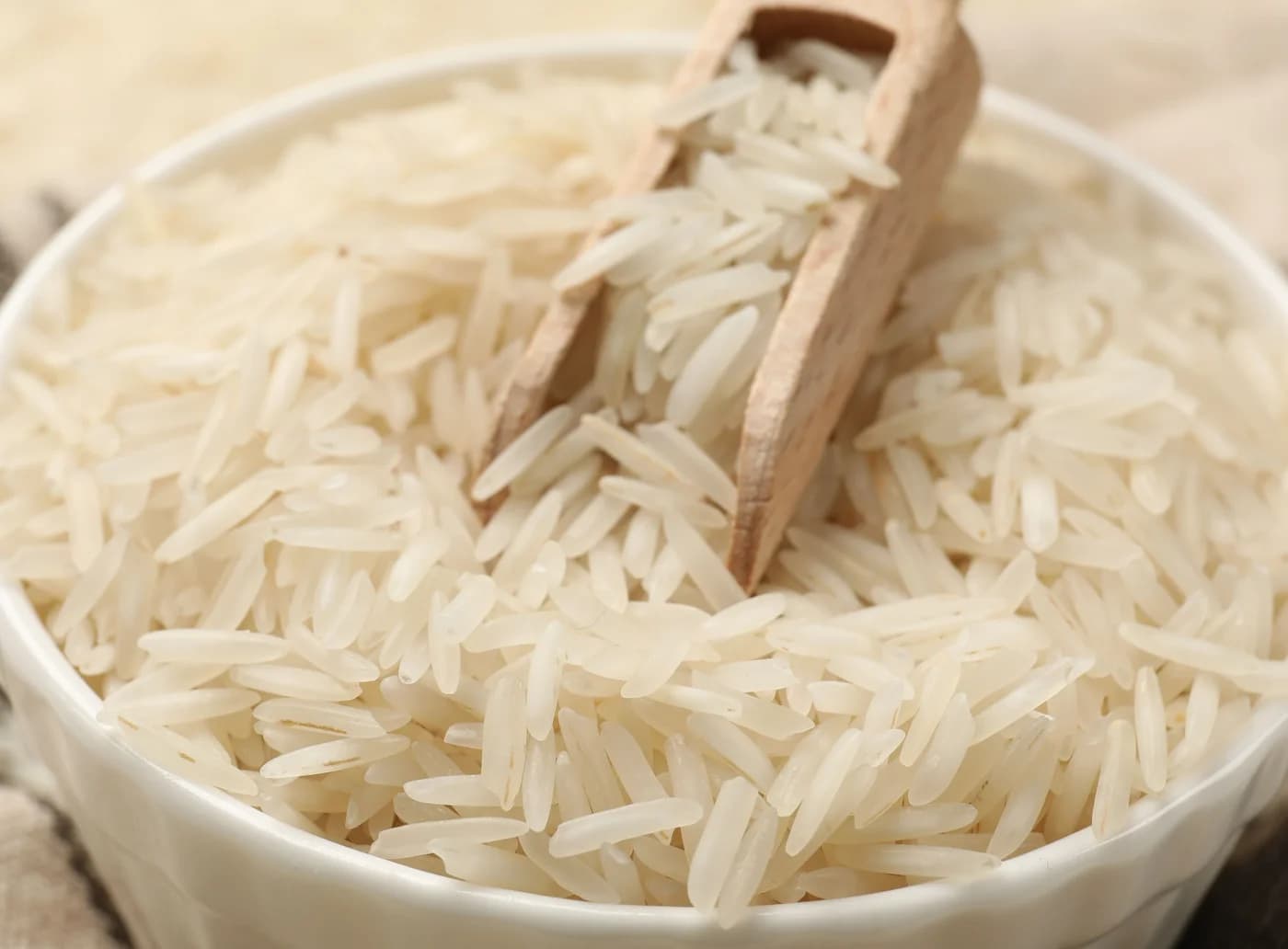
Chewing uncooked rice is different from eating cooked rice, puffed rice or another prepared snack. Dry grains are hard, can damage teeth and are not intended as a ready-to-eat food. If you repeatedly crave them, the habit is worth discussing without embarrassment, because it can occur alongside iron deficiency or other concerns. A few accidentally swallowed grains are a different situation from eating handfuls regularly, but cooking remains the sensible way to prepare rice.
What counts as raw rice here?
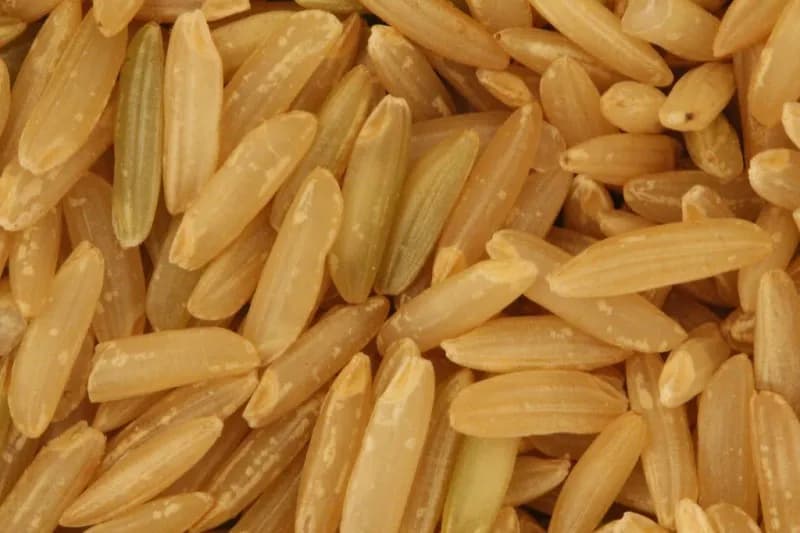
This article concerns uncooked grains taken from a packet or container before normal preparation. It also includes grains soaked in water but not cooked.
Puffed rice and other products prepared by suitable heat treatment are different foods. They should not be confused with dry uncooked grain merely because both can be crunchy.
The distinction helps keep advice proportionate. There is no reason to fear every rice-based snack under the same heading. The concern is repeatedly chewing or swallowing grain that has not been prepared for eating, especially when the urge feels difficult to control.
Teeth take the force first
Dry rice grains are hard. Repeated chewing can put substantial force on teeth, and tooth damage has been reported in people eating uncooked rice habitually.
Existing fillings, cracked teeth or dental sensitivity can make a hard-food habit more troublesome. A grain's small size does not mean it is soft enough to chew safely.
Stop using raw rice as a crunchy snack. If you have pain, a broken filling or a suspected crack, arrange dental care rather than continuing on the other side of the mouth. Drinking water afterwards does not remove the mechanical stress already placed on the tooth.
It can be uncomfortable to digest
Uncooked rice has a different starch structure and texture from cooked rice. Cooking hydrates and softens the grain, making it much more suitable for ordinary eating.
People eating raw rice have reported abdominal discomfort. The exact response varies with amount and individual factors, so symptoms do not provide a reliable measure of how much is safe.
Persistent pain, vomiting, marked bloating or a change in bowel habits deserves attention, especially if the habit has become frequent. Do not keep testing larger quantities because one earlier serving seemed harmless. A food does not need to cause immediate dramatic symptoms to be an unsuitable routine.
Raw grain is not sterile
Uncooked rice can carry microorganisms, including Bacillus cereus spores. The presence of spores is also important after cooking, because some can survive and grow if cooked rice is stored poorly.
This does not mean every swallowed raw grain produces food poisoning. It means rice should be handled as an ingredient needing appropriate preparation, rather than a ready-to-eat snack taken straight from the bag.
Washing is not a dependable sterilising step, and soaking does not replace cooking. Use a normal safe cooking method and clean equipment. There is no need to attempt a chemical wash or add an unproven household disinfectant to make raw grains suitable for eating.
Repeated cravings may be a useful clue
A persistent urge to eat uncooked starch is sometimes called amylophagia. It can occur as part of a pica-type eating pattern and has been described in people with iron deficiency.
An association is not a diagnosis. Craving rice cannot tell you your iron level, and not everyone with the habit will have the same explanation.
Tell a clinician how often it happens and roughly how much you eat, especially if you also have tiredness, breathlessness, heavy periods or another reason for possible deficiency. Appropriate tests can check a relevant cause. Do not start high-dose iron simply because the craving fits an online description; unnecessary iron can cause harm too.
Pregnancy is a reason to mention the habit early
Unusual cravings may feel awkward to discuss, but an antenatal team needs useful information rather than a perfect report of eating habits. Mention raw-rice eating if it is happening regularly.
The purpose is to assess nutrition, symptoms and any relevant deficiency, not to blame you. Pregnancy does not make the grains safer or mean the craving must be satisfied to protect the baby.
Keep regular meals and ask for help with a persistent urge. If someone dismisses it as only a craving, explain the frequency, amount and any dental or digestive effects. Those concrete details make the concern easier to address.
Make the habit easier to interrupt
Keep uncooked rice in a closed container away from the place where you usually snack. Avoid keeping a small bowl beside you while working or cooking.
Notice when the urge happens: during stress, while preparing dinner or after a long food gap. Address the part you can change, such as having an ordinary meal or taking a break away from the storage area.
If you want crunch, choose an appropriate ready-to-eat food that suits your teeth and health. Do not substitute ice, uncooked flour or another hard raw ingredient. For young children, crunchy alternatives also need age-appropriate textures because choking risks differ from those in adults.
Cooked rice needs care as well
Once rice is cooked, eat it promptly or cool leftovers quickly and refrigerate. Leaving a pot warm overnight can allow bacteria to grow and toxins to form.
Reheating does not reliably rescue rice that has been poorly stored. Use manageable portions and avoid repeated warming and cooling.
This is a separate point from the raw-rice habit, but it completes the preparation advice: cooking matters, and safe storage afterwards matters too. Neither raw nor cooked rice needs to be feared when its role and handling are understood. The safe routine is ordinary preparation, timely eating and prompt refrigeration of leftovers.
If you have already eaten some
Stop the habit rather than trying to make yourself vomit or taking a detox remedy. A small accidental amount without symptoms is not the same as a large repeated intake.
Seek prompt care for severe or persistent abdominal pain, repeated vomiting, blood in stool, signs of dehydration or difficulty swallowing. Dental pain or damage needs dental attention.
If the main issue is a recurring urge, arrange a non-judgemental review and work on the trigger as well as any nutritional cause. You do not need to handle it through willpower alone. The useful goal is comfortable eating and a clear explanation, not shame about a craving.
Editorial sources
Frequently Asked Questions
Related Articles
Iron Deficiency : Symptoms, Tests, Causes and Treatment
Iron deficiency can cause tiredness, weakness, breathlessness, headaches, palpitations, poor concentration, restless legs or pica, but symptoms…

Iron Rich Foods: The Complete Vegetarian Food List
Lentils, chickpeas, dark leafy greens, jaggery, and seeds cover the full daily iron requirement for most people — no meat or fish needed. See the.
White Rice: Nutrition, Portions and Everyday Meals
White rice can fit a healthy diet. How much to serve, what to pair it with, rice and diabetes or weight loss, and how to store leftovers safely.

Which Rice Is Good for Health? A Practical Comparison
How to choose rice for your meals, health needs and budget without chasing one perfect variety.