
White Rice: Nutrition, Portions and Everyday Meals
White rice can fit a healthy diet. How much to serve, what to pair it with, rice and diabetes or weight loss, and how to store leftovers safely.
Key Takeaways
- White rice is mainly carbohydrate, with modest protein and little fibre.
- Pair it with dal, beans, curd, egg or tofu and plenty of sabzi.
- Start with one small katori of cooked rice and adjust to appetite.
- Refrigerate leftover rice within an hour and reheat it only once.
- Brown rice has more fibre, but white rice can still be part of a varied diet.
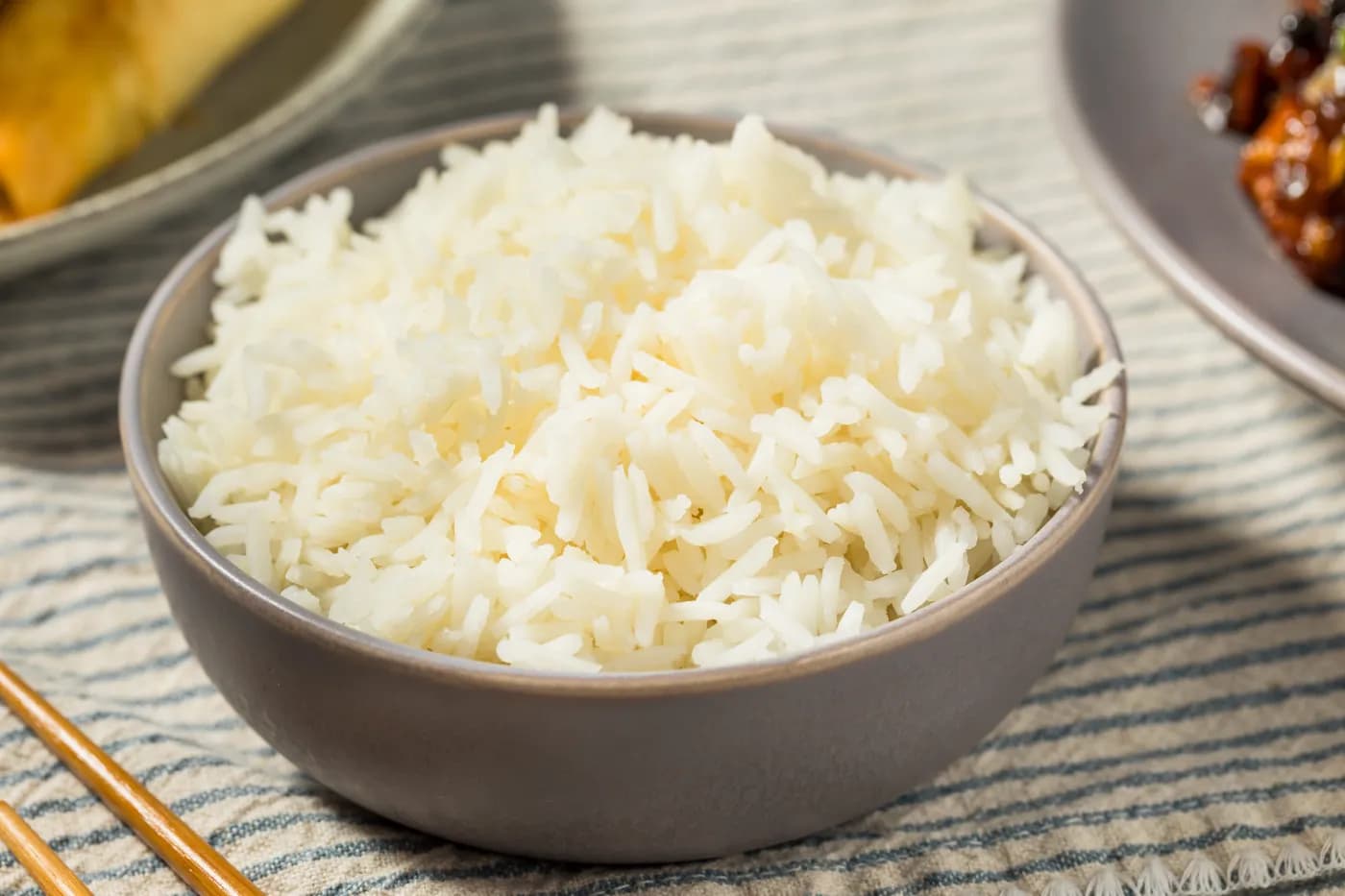
White rice can fit comfortably into a healthy meal. It supplies energy, cooks quickly and pairs well with dal, vegetables, curd, fish, eggs or tofu. What matters most is the portion you serve and what else is on the plate. You do not have to give up rice to eat well or manage your weight.
What does white rice provide?
Cooked white rice is mainly carbohydrate, which the body uses for energy. It has some protein but is not a substantial protein source on its own. During milling the bran and germ are removed, so white rice has less fibre and fewer naturally occurring vitamins and minerals than brown rice. Exact values vary with the variety, processing and any fortification; you can check specific types in USDA FoodData Central.
Rice is naturally gluten free, which helps people who need to avoid gluten, although sauces and packaged rice dishes may contain other ingredients. Plain rice also has very little fat before oil or ghee is added, so a bowl of steamed rice and a plate of biryani or fried rice can be very different meals.
White and brown rice are not rivals you must choose between forever. Brown rice adds fibre and a chewier texture; white rice is quicker and often more familiar. You can alternate them, mix the two, or rotate rice with roti and millets. Our brown rice versus white rice comparison goes into the differences in detail.
How much rice belongs on your plate?
There is no single rice portion for everyone. A useful starting point is one small katori of cooked rice with dal or another protein food and a generous helping of sabzi. Someone with a bigger appetite or a very active day may want more. Someone working on fat loss may prefer a smaller rice serving while keeping protein and vegetables generous. Adjust gradually according to hunger and fullness.
Count all the starches on the plate. If you enjoy both roti and rice at lunch, take smaller amounts of each than if you chose one. Portion advice refers to cooked rice; dry rice swells considerably, so do not mix up the two when measuring.
Rice and diabetes
For people managing diabetes, the amount of carbohydrate in a meal affects blood glucose, but rice does not need a blanket ban. A modest serving with dal, rajma, chana, paneer, egg, fish or tofu and vegetables makes the meal more balanced. Your own glucose readings are the best guide to a suitable serving. A sweet drink or dessert with a large rice meal adds more carbohydrate. Our guide to low glycaemic index foods explains how meal composition affects the glucose response.
Make ordinary rice meals more satisfying
Think of rice as one part of the meal rather than the whole meal:
- Rice with sambar, extra vegetables and curd rather than plain rice with pickle.
- Rajma chawal with cucumber, carrot or cooked greens on the side.
- Khichdi made with plenty of dal and vegetables, served with curd.
- Leftover rice turned into vegetable fried rice with peas and egg or tofu, using moderate oil.
- Lemon rice or curd rice paired with chana, sprouts or an egg.
If rice leaves you hungry soon after eating, look at the whole plate first. A meal low in protein and vegetables is less filling even if you swap to brown rice. Adding dal, beans, curd or another protein food usually makes a bigger difference, and eating without rushing helps you notice a comfortable portion.
Does rice cause weight gain?
Rice by itself does not decide whether you gain or lose weight. Total food intake over time, activity, sleep and other factors shape weight change. If you are working on fat loss, adjust the amount of rice, cooking fat and extras such as papad, sugary drinks or dessert, but do not cut the dal and vegetables to make a tiny plate. Our article on rice vs roti for weight loss looks at this question in more depth.
For active people, rice is a convenient carbohydrate before or after exercise. A large serving is not automatically better, and a small one is not automatically healthier.
Store cooked rice safely
Spores of some food-poisoning bacteria can survive cooking and multiply if cooked rice sits at room temperature. The NHS advises:
- Serve rice soon after cooking, or cool it within an hour and refrigerate it.
- Eat refrigerated rice within 24 hours.
- Reheat it until it is steaming hot throughout, and reheat it only once.
- Discard rice left out overnight.
For packed lunches, keep rice chilled until it is time to eat, especially in hot weather.
Editorial sources
Frequently Asked Questions
Related Articles
Brown Rice Versus White Rice: A Full Comparison
Brown rice and white rice come from the same grain — the milling process that strips away the bran and germ is what changes the nutrition, glycemic.

Rice vs Roti for Weight Loss: What the Science Actually Says
Neither rice nor roti is inherently fattening or slimming — portion size, what you pair it with, and how it’s cooked matter far more than the grain.
Brown Rice Benefits, Nutrition, Portions and Safety
Brown rice retains the bran and germ removed from white rice, so it generally provides more fibre, magnesium and a firmer texture.


Low Glycemic Index Foods: What They Are and Why They Matter for Blood Sugar
Low glycemic index foods raise blood sugar slowly and steadily instead of causing a sharp spike. See what glycemic index actually measures, and everyday.