
Soaked Almonds: A Softer Nut, Not a Nutritional Shortcut
Soaking makes almonds softer, but it is not essential for good nutrition. Explore the evidence, edible skins, portions and refrigerator preparation.
Key Takeaways
- Soaking changes texture, not major nutrition.
- Peeling is a preference, not a requirement.
- A small handful fits most days.
- Soaking does not make almonds safe with nut allergy.
For many Indian households, a few almonds left in water overnight are as familiar as the morning cup of tea. Some people like their softer texture; others peel them because that is how the family has always eaten them. Both are reasonable preferences.
The confusion begins when this routine becomes a rule: almonds must be soaked, their skins are harmful, or only an empty stomach can unlock their nutrients. The evidence does not support those claims. Soaked almonds can be a pleasant food, but ordinary almonds are nutritious too.
What soaking changes
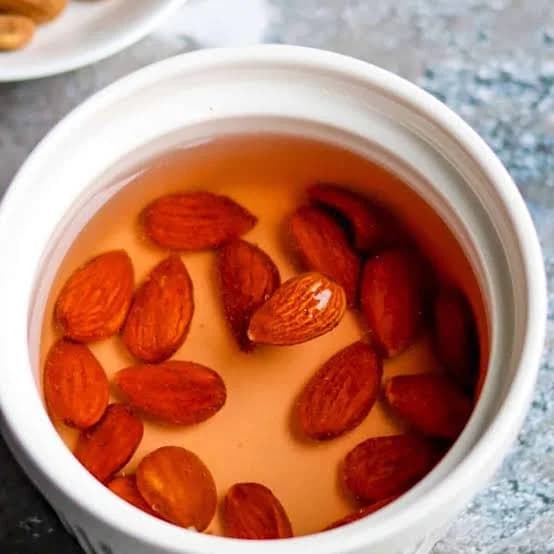
Almonds take up water during soaking, which makes them less crisp and easier to peel. The flavour can feel milder, and the softer texture may suit someone who dislikes hard nuts.
Water absorption also increases their weight. Comparing 30 g of soaked almonds with 30 g of dry almonds is therefore misleading: the soaked serving includes more water and may contain fewer actual nuts. If you want a consistent portion, measure the almonds before soaking.
Soaking does not turn them into a new high-protein food or remove their fat. They still provide the nutrients of almonds, including mainly unsaturated fat, some protein, fibre and vitamin E. The main everyday difference is texture.
Are they easier to digest?
Some people find soaked almonds more comfortable to chew and eat. That personal experience is useful when choosing a food. It is different from proving that soaking improves digestion for everyone.
A controlled crossover study comparing different forms of almonds did not find improved gastrointestinal tolerance from soaking. It also did not support the idea that the soaked forms consistently reduced phytate. Another study examining soaked nuts did not show a clear mineral advantage from the practice.
Phytate is a natural plant compound that can bind some minerals. Its existence does not mean nuts are nutritionally useless until treated. Across a varied diet, almonds can contribute nutrients whether they have been soaked or not.
If nuts repeatedly cause significant pain, diarrhoea or other symptoms, changing the preparation indefinitely may miss the real issue. But you do not need to investigate an occasional comfortable serving simply because an online post calls dry almonds difficult to digest.
Should you remove the skin?
The brown skin is edible and contributes fibre and plant compounds. There is no general health requirement to remove it. Peeling can be useful for a smoother paste, a particular dessert or your preferred texture.
Keeping the skin is also fine in chopped nuts, chutneys and curd toppings. If you peel every almond because you enjoy the result, continue; if it turns breakfast into a chore, you can leave the skins on.
Neither version deserves a promise of better memory or a special morning energy boost. Almonds support nutrition as part of the overall diet, while sleep, regular meals and other habits also affect concentration and energy.
How to soak them sensibly
Water and warmth can allow microbes to grow, so treat soaking as food preparation rather than sterilisation. A kitchen counter in hot weather is not the best place for an overnight bowl.
- Start with fresh, sound almonds and a clean bowl.
- Cover them with clean drinking water and keep the covered bowl in the refrigerator while they soak.
- Drain and rinse before eating or using them.
- Prepare a small amount and use it promptly rather than holding a large wet batch for several days.
An overnight soak in the fridge is a convenient routine if you want a softer result. There is no exact hour at which the almonds become activated or medicinal. Follow any preparation and storage directions supplied with a specific product.
If soaked almonds develop an unusual smell, slime or visible mould, discard them. Drying them on a plate at room temperature does not reliably return them to the storage safety of the original dry nuts.
How many fit into a day?
A small handful, around 20–30 g before soaking, is a practical serving for many adults. It is a guide rather than a compulsory daily dose. A smaller amount can be enough when the meal already contains other nuts and seeds.
Counting exactly five or seven almonds is not a special health formula. Almond size varies, and different people have different energy needs. Choose a portion that fits the meal and leaves room for other foods.
For weight management, nuts are often most useful as a replacement: a portion instead of a fried snack, rather than an extra bowl added after eating as usual. Soaking adds water, not a calorie-removing process.
Make them part of food you enjoy
Softened almonds blend well into a curd dip or a small batch of chutney. Chopped almonds can add texture to oats or a fruit-and-curd bowl. You can also simply eat them alongside breakfast if that suits your routine.
If you are making badam milk, keep the added sugar modest. A few almonds in a large glass do not automatically make the drink high in protein. The milk or other base contributes much of the nutrition, and a homemade strained almond drink has a different profile from dairy milk or fortified soya milk.
Dry or lightly roasted almonds work better when you want crunch. Choosing those versions is not a missed health opportunity. Having two or three preparations you enjoy is more sustainable than forcing one daily ritual.
Two cautions soaking cannot solve
An almond allergy remains an allergy after soaking or peeling. These methods do not make almonds safe for someone who reacts to them. Breathing trouble, throat swelling or faintness after eating needs emergency help.
Whole almonds also remain a choking risk for young children, even when softened. Finely ground nuts mixed into suitable food, or smooth nut butter spread thinly, are safer forms when age-appropriate. A softer nut is not automatically safe to hand to a toddler.
For everyone else, the choice can stay pleasantly ordinary. Soak almonds for the texture, peel them if you prefer, or enjoy them dry. You are choosing how to eat a nutritious food, rather than following a test of whether breakfast has been done correctly.
Editorial sources
Frequently Asked Questions
Related Articles
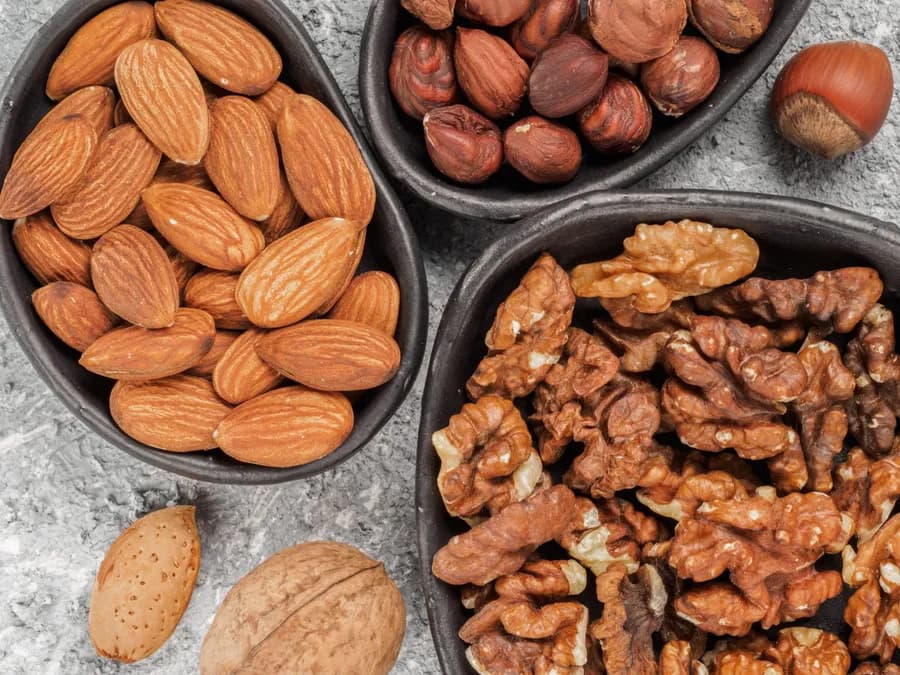
Healthy fats for brain: soaked almonds and walnuts habit
Healthy fats for brain health can come from simple vegetarian foods like almonds, walnuts, seeds and oils. Learn a simple soaked nuts habit.

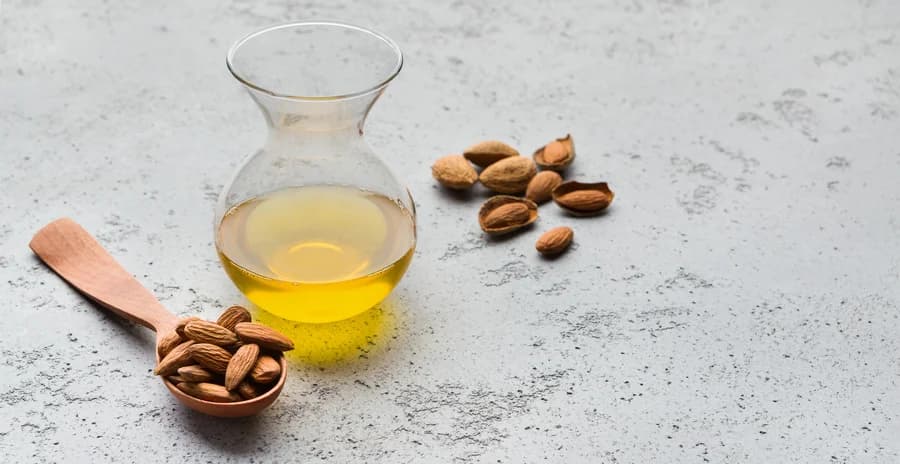
Almond Oil: Food Uses, Skin Care and Safety
Edible sweet almond oil and cosmetic almond oil are not interchangeable. Learn how to cook with it, use it on skin and store it safely.
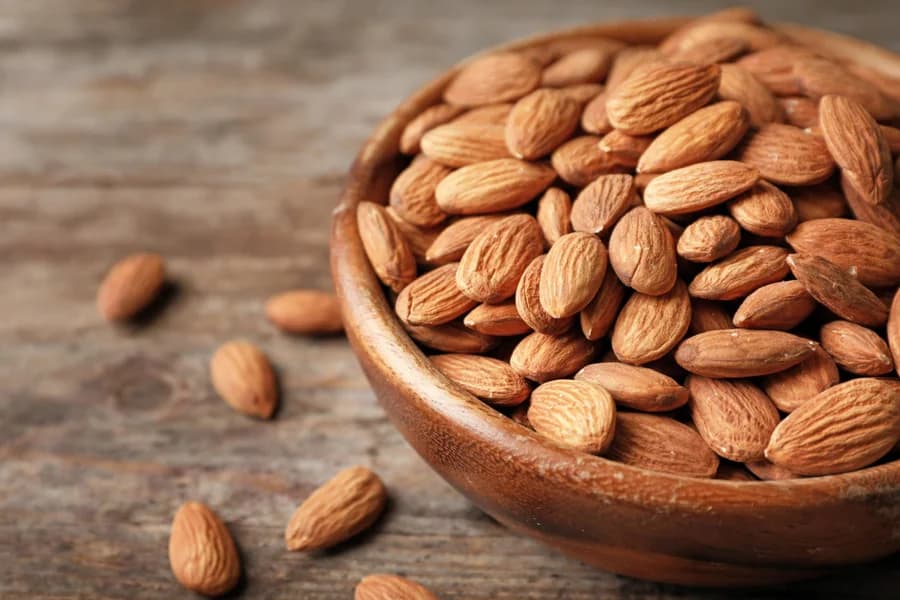
Protein in Almonds: Amount, Portions and Nutrition Facts
Almonds contribute protein, but they are mainly an energy-dense mix of unsaturated fat, fibre and micronutrients, so portion size matters.

Almonds: Nutrition, Portions and Smart Everyday Uses
Almonds provide protein, fibre, unsaturated fat, vitamin E and magnesium in a compact serving. Learn smart portions and everyday uses.