
Soluble Fibre Foods: Familiar Choices for Gut and Heart Health
Build fibre into everyday meals through oats, pulses, fruit and vegetables, with a gradual approach that suits your digestion.

Key Takeaways
- Oats, barley, beans and some fruit supply soluble fibre.
- Pulses make fibre part of a proper meal.
- Increase fibre gradually to avoid discomfort.
- Psyllium is a separate tool, not a must.
Soluble fibre is found in ordinary foods such as oats, beans, barley and some fruit. Certain types form a gel when mixed with water, helping explain their effects on digestion and cholesterol. You do not need to separate every gram into a category before eating better. A varied selection of fibre-containing foods, added gradually, is a more useful starting point than a list of powders or a sudden bran-heavy diet.
Soluble and insoluble fibre often come together
Soluble fibre dissolves or disperses in water, while insoluble fibre does not dissolve in the same way. These labels describe properties rather than two perfectly separate groups of foods.
Many plant foods contain a mixture. Their effects also depend on features such as viscosity and fermentation, so not every soluble fibre behaves identically.
For everyday meals, this means you do not need to discard fruit skins or avoid whole grains while chasing only one type. Include a range of pulses, grains, fruit and vegetables. The mix supports the overall eating pattern without requiring a technical calculation for every dish.
Oats and barley are useful places to begin
Oats and barley contain beta-glucan, a soluble fibre with evidence for modest LDL-cholesterol reduction when eaten in an appropriate dietary pattern. It works alongside other food choices rather than replacing cholesterol medicine.
Try plain oats as porridge, a savoury breakfast or an ingredient in a recipe you enjoy. Barley can be used in soup or a grain dish, allowing for its cooking time and texture.
The full preparation matters. Adding a lot of sugar, cream or rich toppings changes the meal even when the grain is useful. You do not need to remove every enjoyable addition, but let the grain and a suitable protein food provide the substance.
Pulses make fibre part of a proper meal
Dal, rajma, chana and other pulses contribute different fibres along with plant protein. They are often easier to use regularly than a speciality product bought only for its fibre claim.
If you already cook pulses, begin with a portion you tolerate and make it a meaningful part of the plate. A little thin gravy around rice is different from a substantial serving containing the pulse itself.
If you rarely eat them, increase gradually. Proper soaking where appropriate and thorough cooking can help preparation and comfort, but no method makes every pulse completely free of gas. A smaller regular serving may work better than one enormous bowl followed by avoiding pulses for a week.
Fruit contributes without needing to become juice
Apples, citrus fruit and other fruits provide soluble fibres such as pectin in varying amounts. Choose whole fruit you enjoy rather than using a juice as though it supplies the same fibre.
A fruit serving can be a simple snack or part of breakfast. You do not need to eat only the fruit ranked highest in a chart; seasonal choice and affordability matter too.
Keep edible skins where you like them and wash fruit appropriately. The flesh and skin can contribute different components, and the aim is useful food variety rather than removing one part to create a supposedly perfect soluble-fibre food.
Vegetables add to the pattern
Carrots, okra, aubergine and many other vegetables contain fibres that contribute to the day's intake. They do not have to feel visibly gel-like to be worthwhile foods.
Use a mix of cooked and suitable raw preparations according to preference. A vegetable side, a soup containing the vegetables themselves or vegetables added to a pulse dish can all help.
Cooking may make some foods easier to tolerate and enjoy. There is no need to force a large raw salad if it leaves you uncomfortable. A consistent cooked vegetable habit can be more useful than an ambitious salad routine you stop after two days.
What benefits are realistic?
Some viscous soluble fibres can slow nutrient absorption and contribute to steadier post-meal glucose responses. Others are fermented by gut microbes. Certain types also help stool consistency.
Those effects do not mean every fibre food prevents constipation, treats IBS or produces the same glucose response. The amount, the person and the rest of the meal matter.
If cholesterol or diabetes is being managed, use fibre-rich foods as part of the plan while continuing appropriate treatment. Improvements are judged through relevant symptoms and measurements, not by whether a breakfast looks thick enough or a supplement makes you feel full immediately.
Increase comfortably rather than all at once
A sudden jump from little fibre to several large pulse dishes, bran and seed drinks can cause bloating or discomfort. Start with one change and give yourself time to adjust.
For example, add a modest oat breakfast on some days or make the lunch dal more substantial. Keep drinking adequately, unless a medical condition requires a particular fluid plan.
You do not need to hit a separate soluble-fibre target at every meal. Total fibre guidance is more commonly used for everyday diets, and a range of foods is a practical way to approach it. Comfortable consistency matters more than the fastest possible increase.
Psyllium is a separate tool
Isabgol, or psyllium, can be useful for particular bowel or cholesterol-related purposes, but it is not the same as improving meals. It also needs enough fluid and should be used according to its instructions.
Do not swallow dry powder. Difficulty swallowing, severe abdominal pain or a suspected bowel blockage changes the advice and needs assessment. Medicines may also need separation from fibre supplements.
For someone who simply wants more fibre, begin with food options that add other nourishment too. A supplement can have a specific role, but it should not become permission to keep a very limited eating pattern unchanged.
A simple way to use the idea
Look at one meal that currently contains little plant food. Add a pulse portion, choose an oat or barley option, or include a whole fruit where it fits.
Then keep the change small enough to repeat. You can build variety across the week without designing every meal around the word soluble.
The useful benefit comes from foods you eat regularly and tolerate well. A comfortable pattern with grains, pulses, vegetables and fruit gives fibre a place in normal meals rather than another target to chase.
Editorial sources
Frequently Asked Questions
Related Articles
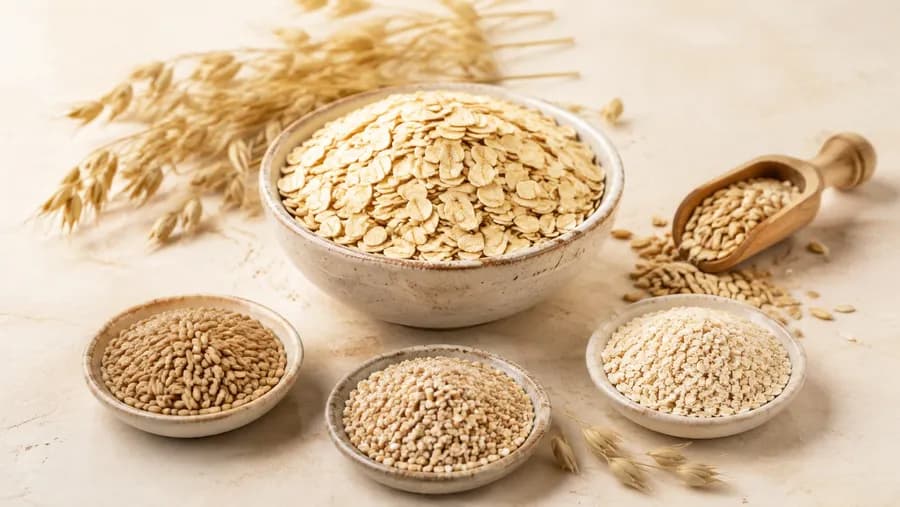
Oats Nutrition: Types, Fibre, Portions and Breakfast Ideas
Oats provide carbohydrate, soluble fibre called beta-glucan, protein and minerals. Steel-cut, rolled and instant oats differ in cooking time.

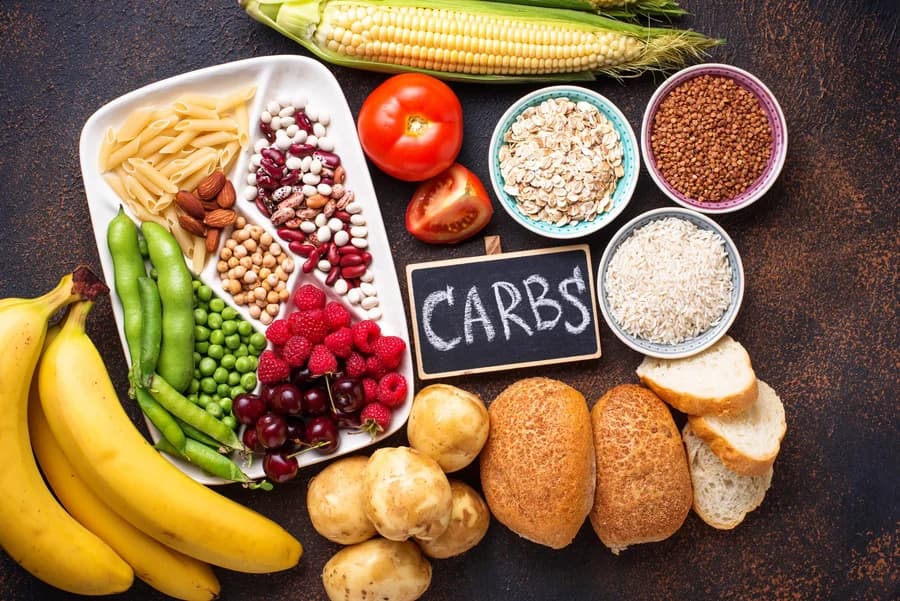
Complex Carbohydrates: Starch, Fibre and Smarter Everyday Choices
What makes a carbohydrate complex, why refined starch differs from whole grains and pulses, and how to choose and portion them in Indian meals.
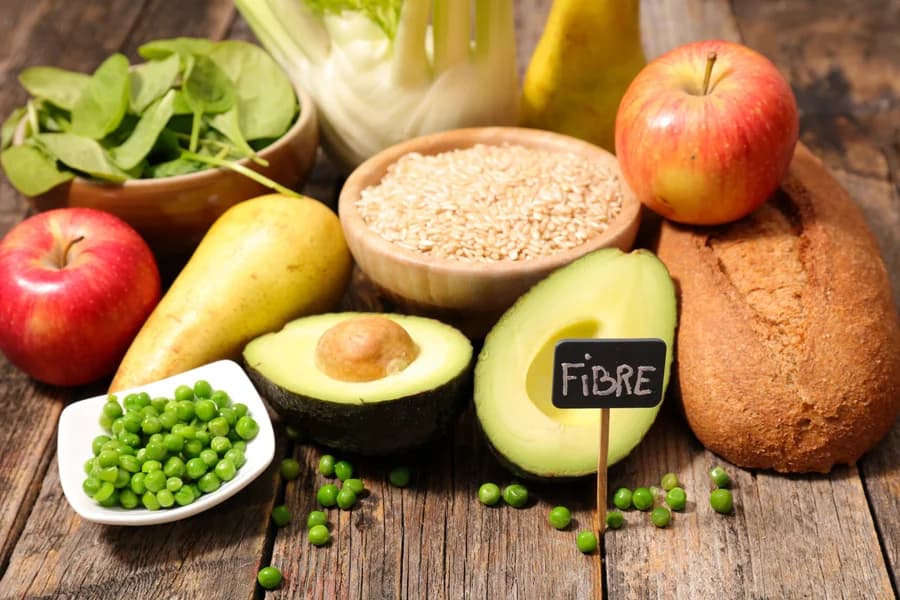
Roughage Meaning: Fibre Types, Food Sources and Safety
Roughage is an older everyday term for dietary fibre—the parts of plant foods that are not fully digested in the small intestine.

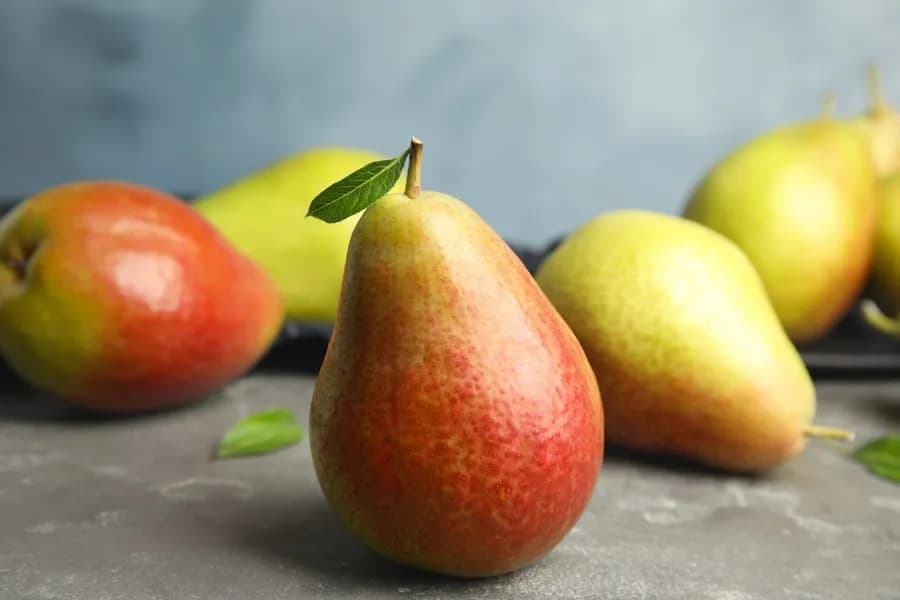
Pear Benefits: Nutrition, Fibre and Simple Serving Ideas
Pears provide water, carbohydrate, fibre and plant compounds, with much of the fibre sitting near the peel. Learn simple serving ideas.