
Soursop: Enjoy the Fruit, Be Careful With the Claims
Soursop is a distinctive tropical fruit. Enjoy its pulp as food while separating ordinary fruit use from unproven cancer claims and concentrated products.

Key Takeaways
- Eat the pulp and discard the seeds.
- Choose ripe fruit and handle it gently.
- Leaf teas and extracts differ from the fruit.
- Soursop does not cure cancer.
Soursop is a tropical fruit with green, softly spiny skin and creamy white pulp. Its flavour is sweet and tangy, which makes it appealing on its own or in a small fruit preparation. It is also sold under names such as graviola and guanabana.
The fruit’s reputation online often goes much further, with claims that its leaves or extracts treat cancer. Those claims are not supported by reliable clinical evidence. You can understand soursop as food without giving it responsibility for treating a serious illness.
Know the fruit you have
Soursop comes from Annona muricata, a tree in the same broad family as several other custard-apple-type fruits. Local names can overlap, so a name such as custard apple does not always identify the exact species.
The fruit is often larger and more elongated than the segmented sitaphal commonly seen in Indian markets. Its soft pulp surrounds dark seeds, which should be removed before eating or blending.
If you are using a recipe or buying a product, make sure it refers to the fruit you actually have. Nutrition and safety claims about one Annona species should not automatically be applied to every related fruit.
What it offers as food
Soursop provides carbohydrate, water, some fibre and vitamin C, along with other micronutrients. That makes it a fruit option, not a complete meal or a particularly concentrated protein source.
Its natural sweetness still comes with carbohydrate. A serving can fit into many eating patterns, including an individual diabetes plan, but a large sweetened drink is different from a modest portion of pulp.
Plant compounds in the fruit have been studied for various biological effects. Their presence does not mean an ordinary serving treats infection, strengthens immunity beyond normal nutrition or produces the same effect as a laboratory extract.
Choose ripe fruit and handle it gently
A ripe soursop yields to gentle pressure rather than staying very hard. Handle it carefully because the softened fruit can bruise. Avoid fruit with leaking, extensive decay, mould or a clearly spoiled smell.
If it is not ripe, follow the seller’s guidance for the fruit’s stage and local conditions. Once ripe, refrigeration can slow deterioration, but it will not restore an already spoiled fruit.
Buy only as much as you can prepare and store well. There is no nutritional reason to seek out a large quantity simply because soursop is described as rare or powerful.
Prepare the pulp, not the seeds
Wash the outside before cutting, use clean utensils and remove the skin. Separate the dark seeds from the pulp carefully, including before making any blended dish.
Do not grind the seeds into a drink or add them to a homemade remedy. The edible pulp and the other plant parts are different materials. Eating fruit does not establish the safety of chewing seeds, brewing bark or taking leaf extracts.
If you buy frozen pulp, choose a product intended as food and follow its storage directions. Thaw only what you need and keep prepared pulp chilled rather than leaving it warm for hours.
Simple ways to enjoy it
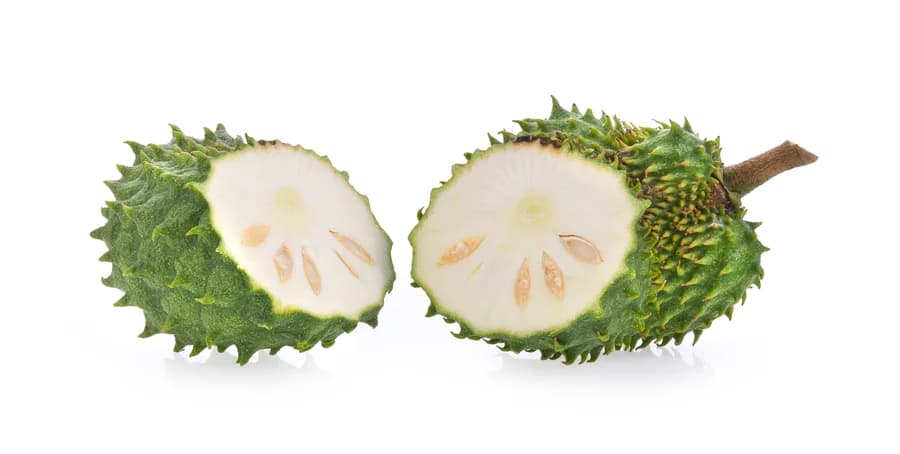
A small bowl of pulp is enough to experience its flavour. You can also combine it with foods that make a more substantial snack, without turning the recipe into a supplement routine.
Try:
- A little pulp with plain curd, if you enjoy the tangy combination.
- A small mixed-fruit bowl with a familiar seasonal fruit.
- Seed-free pulp blended into a thick preparation without extra syrup.
- A modest amount in an occasional dessert where the flavour is the main reason for using it.
Taste before adding sugar. Sweetened juices, ice creams and syrups are different foods from plain pulp, and their portions deserve separate attention.
Why cancer claims need a clear answer
Laboratory studies have investigated extracts and compounds from soursop plant material for effects on cancer cells. Many substances can affect cells in a dish; that does not establish a safe, effective cancer treatment in humans.
Reliable clinical evidence does not show that soursop cures cancer or works better than chemotherapy. There is also no established therapeutic dose of fruit, tea or extract for that purpose.
Do not delay investigations, surgery, radiotherapy or medicines while trying a graviola product. If you are receiving cancer treatment and considering an extract, tell the treatment team so the actual product can be assessed alongside your care.
Leaf tea is not just another fruit serving
A tea made from leaves contains a different mixture of compounds from the edible pulp. Capsules and concentrated extracts differ again. A reassuring statement about eating fruit cannot be used as a safety guarantee for these products.
Long-term supplement safety is uncertain. Research has raised questions about nervous-system effects of some soursop compounds and repeated exposure, but it does not establish a simple risk calculation for an occasional fruit serving.
That uncertainty is a reason to avoid large medicinal amounts or indefinite extract use. It is not a reason to panic after eating a little fruit. Keep the food and treatment claims separate.
Medicines and special situations
Preclinical research suggests possible effects on blood glucose and blood pressure, while the significance in people is not well established. Concentrated products may therefore be unsuitable alongside related medicines without individual assessment.
Pregnancy and breastfeeding also lack reassuring safety evidence for medicinal leaf teas or extracts. A natural or traditional label does not answer those questions.
People receiving treatment for a serious illness should not add a supplement because an online testimonial says it is harmless. Testimonials rarely show the full diagnosis, other treatments or what happened over time.
You do not need an expensive replacement for ordinary fruit
Soursop can be interesting when it is available and you enjoy it. If it is expensive or difficult to find, familiar fruits can also provide vitamin C, fibre and variety.
There is no need to replace guava, oranges, papaya or other seasonal choices with a special powder to obtain health benefits. A varied fruit routine is more useful than loyalty to an ingredient with strong marketing.
Enjoy soursop for its taste, remove the seeds and store the pulp well. The honest promise is a distinctive fruit serving. Cancer treatment, immunity claims and long-term extract use require evidence that the fruit’s reputation cannot supply.
Editorial sources
Frequently Asked Questions
Related Articles
Dragon fruit benefits: what research really shows
Dragon fruit is nutritious, but many claims go too far. See what human research says about blood sugar, heart health, digestion and safety.

Star Fruit Benefits: Uses and Kidney Safety
Star fruit, or carambola, is a crisp tropical fruit with ridged sides that form stars when sliced. It ranges from sharply sour to mildly sweet.

Jujube Fruit: Nutrition, Uses and Safety
Fresh vs dried jujube, what the fruit really provides, which health claims hold up, and how to serve it safely.

Best Time to Eat Fruit: Morning, Night or With Meals?
There is no magic hour for fruit. Learn how to time it around meals, exercise, diabetes, reflux and medicines without strict rules.