
Jujube Fruit: Nutrition, Uses and Safety
Fresh vs dried jujube, what the fruit really provides, which health claims hold up, and how to serve it safely.
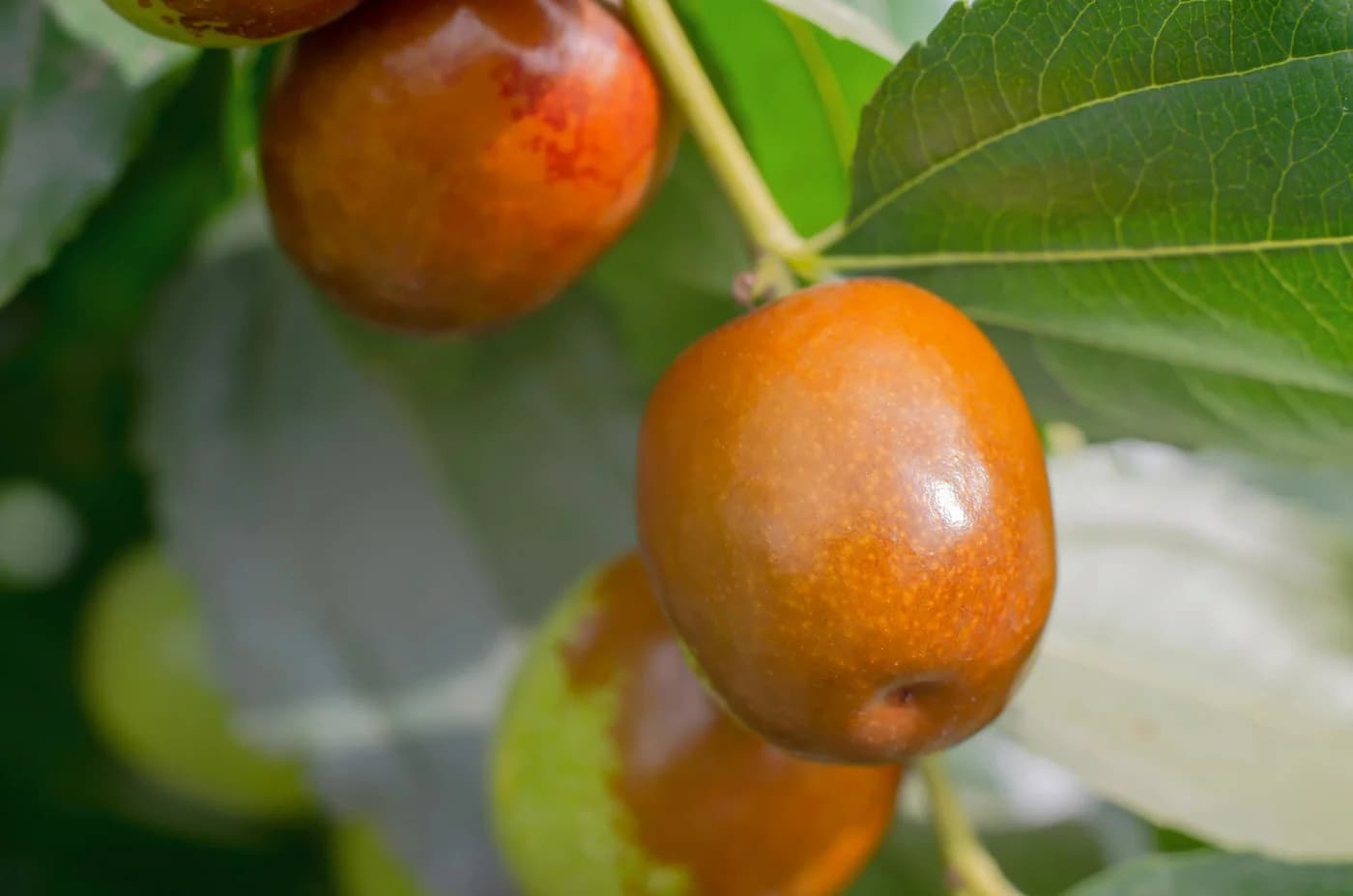
Key Takeaways
- Dried jujube packs far more sugar per bite than fresh, so measure the portion.
- Fresh jujube offers carbohydrate, fibre and vitamin C in a crisp, watery fruit.
- Sleep and immunity claims rest mostly on lab and animal studies, not human trials.
- Remove the hard stone before serving, especially to young children.
Jujube is a small fruit eaten fresh, dried or cooked. Fresh jujube is crisp and mildly sweet, while the dried fruit turns chewy and far more concentrated. That difference matters: drying removes water, shrinks the serving and makes sugar and calories easy to eat quickly. Jujube can add variety to a vegetarian diet, but claims about sleep, immunity or disease prevention run ahead of the human evidence. The useful approach is to treat it as fruit, compare fresh and dried portions honestly and be cautious with extracts.
Form matters more than the name. Fresh fruit brings water and chewing, dried fruit is compact, and a capsule may contain an extract at a dose food never reaches. Decide first whether you want a snack, a cooking ingredient or a supplement, because each needs a different portion and safety question.
Jujube has a long history in several Asian cuisines and traditional systems. That history can guide recipes, such as jujube in porridge or tea, but it does not prove that the fruit works as a sedative, immune therapy or blood-sugar medicine.
What kind are you eating?
Fresh jujube resembles a small apple in texture and contains plenty of water. As it ripens, the skin deepens in colour and the flesh softens. Dried jujube is sometimes called a red date, although it is not a true date (see our guide to dates nutrition). A handful of dried pieces represents much more fruit than it appears.
Candied jujube, sweetened paste and bottled drinks are different again. Added syrup can turn a modest fruit into a dessert, so read the ingredient list rather than assuming a traditional preparation is unsweetened. If jujube is new to you, start with the plain fruit to judge flavour and digestive tolerance.
When shopping, choose fresh fruit that is firm and unbroken, and dried fruit without a visible sugar coating. Pour a small portion into a bowl and put the packet away, so a concentrated fruit does not become an all-day snack.
What nutrition does it bring?
Fresh jujube supplies carbohydrate, some fibre and vitamin C, with smaller amounts of potassium and other micronutrients. Exact values vary by cultivar, ripeness and serving. Drying reduces heat-sensitive vitamin C while concentrating sugars. No single fruit provides complete nutrition, so jujube works best alongside other seasonal fruits rather than replacing them.
Its fibre can contribute to regularity, but a normal serving cannot make up for a diet low in vegetables, pulses, whole grains and fluid. Dried fruit can also stick to teeth, so eat it with a meal or rinse your mouth afterwards.
Do the health claims hold?
Laboratory and animal studies have examined jujube compounds for antioxidant, calming and immune effects. These experiments guide research, but they do not show that eating the fruit treats anxiety, insomnia or infection. Human trials are limited, often small and frequently use extracts rather than food. A relaxing bedtime tea may feel soothing without proving a drug-like sleep effect.
If sleep is poor, review caffeine, screen use, stress, pain, medicines and sleep timing before relying on a fruit supplement, and seek care for persistent insomnia. Vitamin C supports normal immune function, but extra fruit does not prevent every illness.
How can you use it well?
Wash fresh fruit under running water and eat it after removing the stone. Slice it into porridge, curd or a fruit bowl, or serve it with a few nuts for a more filling snack. Dried jujube can flavour oats, rice dishes or stewed fruit; use a small measured amount because the sweetness is concentrated, and skip extra honey or sugar.
Refrigerate fresh jujube once ripe and use it before it turns slimy or mouldy. Keep dried fruit sealed away from moisture and insects. The hard stone is a choking hazard, particularly for young children, so remove it and cut the flesh to a suitable size.
Who should take care?
People with diabetes can usually include fruit, but dried jujube may raise glucose more quickly because a small portion contains concentrated carbohydrate. Eating it with a meal and checking your own response helps. Allergy is uncommon but possible; swelling, hives or breathing difficulty need urgent care. Stop a product that repeatedly causes abdominal pain or diarrhoea.
Extracts are more concentrated than food and could interact with sedatives or other medicines, although product-specific evidence is limited. Pregnancy, breastfeeding, planned surgery and chronic illness are reasons to ask a qualified clinician before using medicinal amounts.
The bottom line
Jujube is best understood as a versatile fruit, not a remedy. Choose plain forms, tell fresh and dried portions apart and keep extracts separate from everyday food use.
Editorial sources
- Research advances in bioactive components and health benefits of jujube (Ziziphus jujuba Mill.) fruit, J Zhejiang Univ Sci B 2021 (PubMed)
- Effects of jujube fruit extracts on oxidative stress: systematic review and meta-analysis of rodent studies, Food Sci Nutr 2024 (PubMed)
- Vitamin C fact sheet for consumers, NIH Office of Dietary Supplements
- 5 A Day: what counts? (dried fruit portions), NHS
Frequently Asked Questions
Related Articles

Dates Benefits: Nutrition and Portions
Dates are a sweet dried fruit rich in fibre and potassium. Learn realistic benefits, sensible portions and how to enjoy them daily.
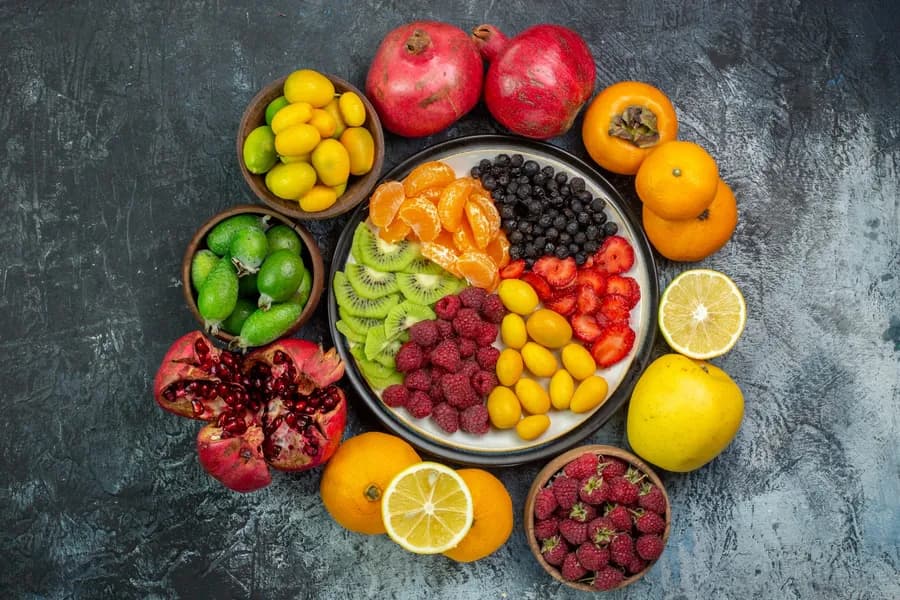
Healthy Fruits: How to Choose Variety, Portions and Seasonal Options
All whole fruits can contribute water, fibre, vitamins and plant compounds. The healthiest choice is usually a varied, affordable pattern.

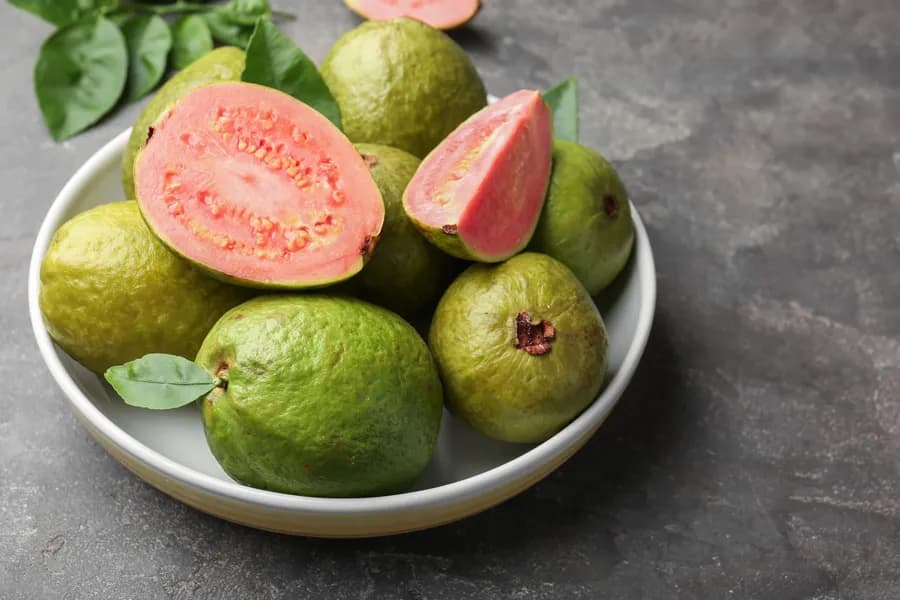
Guava: nutrition, benefits and easy ways to eat it
Guava is an affordable fruit rich in vitamin C and fibre. Learn what research says, whether to eat the peel and simple ways to add it to your day.

Can People with Diabetes Eat Dates? Portions and Blood-Sugar Tips
Dates concentrate natural sugars into a small volume. Diabetes does not make them forbidden, but portions need deliberate attention.
