
Soy Lecithin: Why It Is in Food and What It Means
A clear explanation of a common food emulsifier, without unnecessary ingredient fears.

Key Takeaways
- Soy lecithin is an emulsifier that helps ingredients mix.
- It is not the same as eating soybeans.
- Food amounts differ from supplement amounts.
- People with soy allergy should check labels with their doctor.
Soy lecithin often appears near the end of an ingredient list, leaving a simple question: why is it in my chocolate or bread? Usually, it is there to help ingredients mix and give the food a consistent texture. It is not added to turn the product into a soy-protein food, and seeing its name does not automatically make a food unhealthy.
What is soy lecithin?
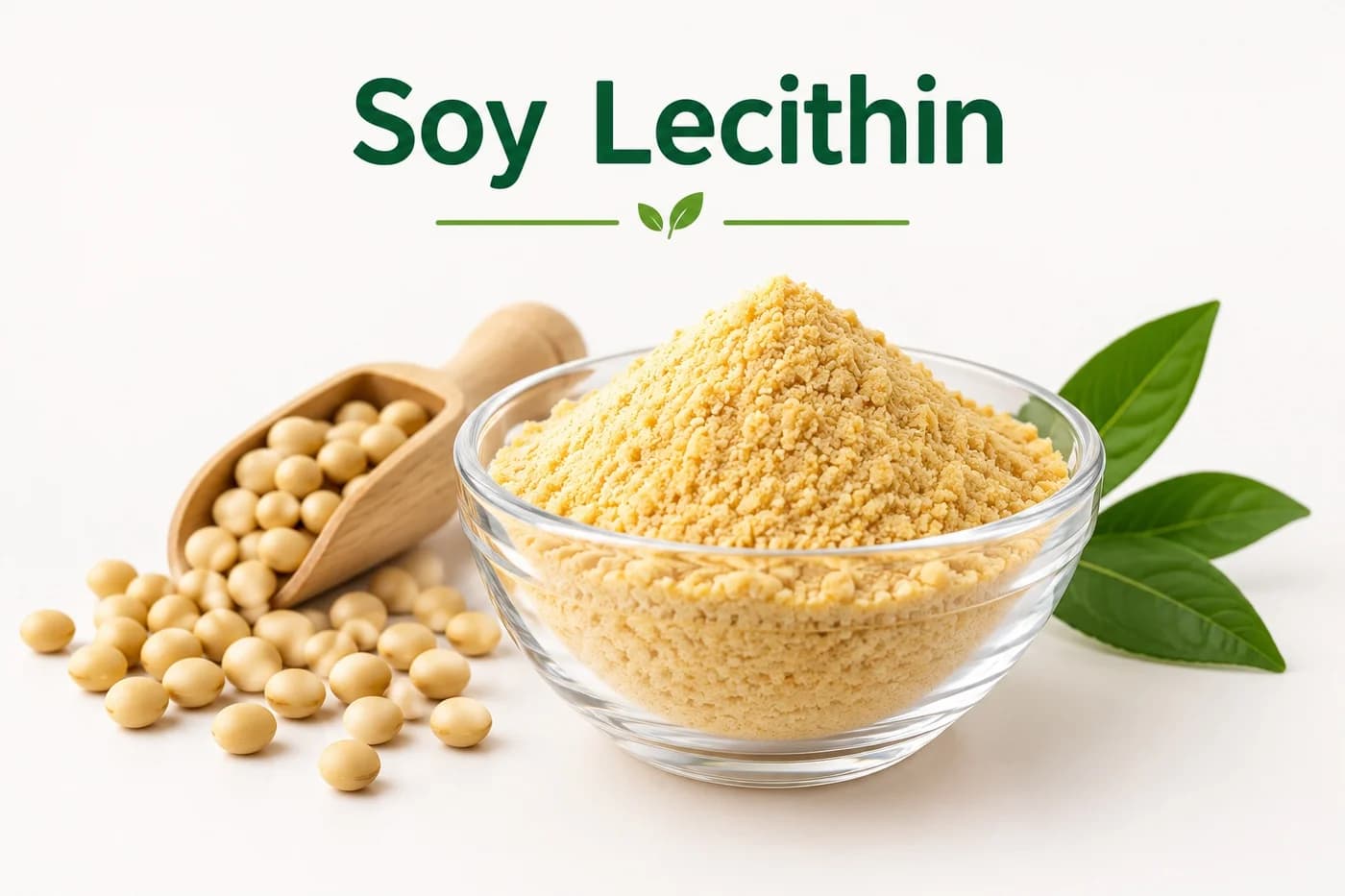
Lecithin is a mixture of fatty substances called phospholipids. It can be obtained from several sources, including soybeans, sunflower seeds and eggs. Soy lecithin is derived from soy and is used in small amounts in many prepared foods.
Its main food role is as an emulsifier: it helps ingredients that would otherwise separate, such as oil and water, stay together. It can also affect how smoothly a product flows or feels in the mouth.
The technical name describes a function. It does not tell you that a food is high in protein, low in sugar or especially nourishing. Those questions depend on the whole product and the portion you eat.
Why chocolate makers use it
In chocolate, lecithin helps control the mixture's consistency. In other foods, it may help keep sauces or spreads uniform and improve texture. Similar functions matter in some baking and food preparation.
That can be useful for both manufacturers and people cooking at home. An ingredient serving a practical purpose is not automatically a harmful filler.
However, its presence does not rescue the rest of the recipe either. A sweet chocolate bar remains a sweet chocolate bar, whether it contains lecithin or not. Choose the portion according to how the food fits your day, rather than using one additive as the deciding factor.
Is it the same as eating soybeans?
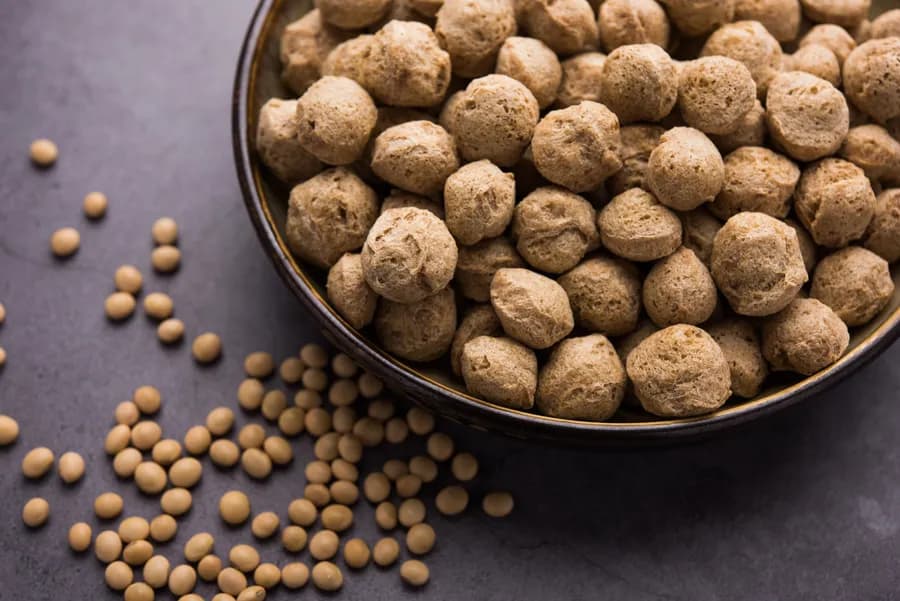
No. Tofu, cooked soybeans and soy chunks are foods that can contribute substantial protein in a meal. The small amount of lecithin in a biscuit does not provide a comparable serving.
If your lunch needs more protein, adding tofu or beans is relevant. Searching for lecithin-containing foods is not a useful way to meet that need.
The word soy also does not tell you that every product containing it has the same nutritional properties. Soy sauce, soy oil, tofu and lecithin have different roles. Keeping those distinctions clear makes food decisions easier and prevents exaggerated claims in either direction.
Does it provide choline?
Some components of lecithin, particularly phosphatidylcholine, provide choline. The body needs choline for functions including cell membranes and normal nerve signalling.
However, the weight of a lecithin supplement is not the same as its choline content. A capsule labelled with a large lecithin amount does not necessarily contain that amount of choline.
For ordinary eating, a varied selection of foods is a more straightforward starting point. Soy foods, beans, dairy if used, nuts and certain vegetables can contribute choline in different amounts. You do not need to buy a supplement simply because a nutrient has an important job in the body.
Food amounts and supplement amounts are different
A small quantity used to improve a food's texture should not be treated as equivalent to taking concentrated lecithin every day. The reason for using it and the amount consumed are different.
Lecithin supplements are promoted for cholesterol, memory and other goals. These claims do not establish that a supplement will produce a worthwhile benefit for a particular person. It is especially important not to replace proven cholesterol treatment with an optional product.
If the goal is to make a meal pattern more heart-friendly, start with food choices you can identify: more pulses, appropriate portions of nuts, and replacing some foods high in saturated fat with unsaturated-fat choices. A capsule does not make those decisions irrelevant.
The specific issue for soy allergy
Soy lecithin generally contains very little soy protein, and many people with soy allergy tolerate it. However, tolerance is not universal, and a person with a diagnosed allergy should follow their own allergy plan.
Do not use a broad statement about low protein as permission to test a product at home after a serious soy reaction. The relevant question is whether lecithin has been included in that person's avoidance advice.
This is one situation where the ingredient list has a direct purpose. A declaration such as “lecithin (soy)” identifies the source for someone who needs that information. People without soy allergy generally do not need to screen every purchase for lecithin.
What if you are breastfeeding?
Lecithin is sometimes suggested for recurring breast inflammation or plugged-duct concerns. Evidence on the safety and effectiveness of high-dose supplements for nursing mothers and babies is limited; it is not a universal solution.
Painful feeding, a red tender area, fever or feeling unwell deserves appropriate breastfeeding or medical support. Repeatedly adding supplements without checking feeding patterns and the cause of symptoms may delay useful help.
Do not assume a food additive's usual presence in the diet establishes a particular supplement dose. A specific breastfeeding problem needs a plan suited to that problem, rather than a routine copied from another parent's experience.
Do you need to avoid it in everyday shopping?
For someone without a relevant allergy, avoiding lecithin is rarely the most useful nutrition priority. Consider the food you are buying, how often you eat it and what it replaces.
For example, choosing between two sweet biscuits based only on which lacks lecithin may miss larger differences in portion or added sugar. Choosing a satisfying ordinary snack might matter more than finding a perfect ingredient list.
You can prefer a shorter recipe or a particular brand for taste. Just keep that preference separate from a claim that lecithin-free automatically means healthier. Soy lecithin is best understood as a functional ingredient with a few specific considerations, rather than a nutrient everyone needs or an additive everyone must fear.
Editorial sources
Frequently Asked Questions
Related Articles
Soy Protein: Food Sources, Portions and When Powder Helps
Soy is a complete plant protein. See how tofu, soya chunks, soy milk and powder compare, and how to use them in everyday Indian meals.

Soybean Nutrition: Protein, Uses and Safety
Soybeans provide high-quality plant protein, fibre, unsaturated fat, iron and other nutrients.
Protein in Soya Chunks: How Much Is Really in There?
Protein in soya chunks is roughly 52g per 100g dry — one of the most concentrated vegetarian protein sources around, though the number changes once you.