
Soy Protein: Food Sources, Portions and When Powder Helps
Soy is a complete plant protein. See how tofu, soya chunks, soy milk and powder compare, and how to use them in everyday Indian meals.
Key Takeaways
- Soy provides all essential amino acids, so it is a complete plant protein.
- Dry soya chunks are far more concentrated than tofu or soy milk; compare per serving.
- Swapping soy protein for other proteins may lower cholesterol slightly.
- Soy isolate powder is optional; whole soy foods meet most people's needs.
- Avoid soy if allergic; on levothyroxine, follow your doctor's timing advice.
Soy is one of the few plant foods that supplies all nine essential amino acids in useful amounts, which makes soy protein a practical choice for vegetarian and vegan meals. How much protein you actually get depends on the form, the portion and how it is prepared. This guide looks at soy as a protein source: comparing the main foods, deciding whether a powder is worth it and using soy in everyday Indian cooking. For a broader look at the bean itself, see our guide to soybean nutrition.
Why soy protein stands out among plant foods
Most pulses are low in one or more essential amino acids, which is why dal and rice work well together. Soy is different: its protein is complete on its own, so a tofu or soya chunk dish can be the main protein of a meal. That does not mean soy has to be your only protein. Dal, chickpeas, rajma, curd, paneer, nuts and seeds bring different nutrients and flavours, and rotating them keeps meals interesting.
How soy foods compare as protein sources
Protein content varies widely between soy products because they contain very different amounts of water.
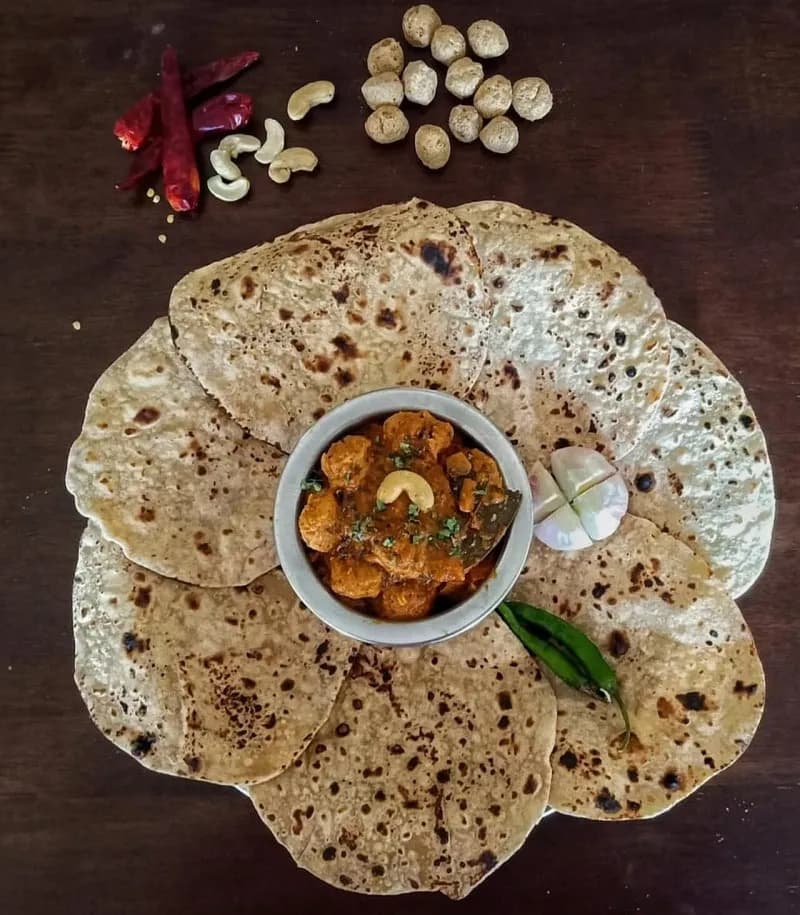
Soya chunks and granules
Soya chunks are made from defatted soy flour, so they are highly concentrated. Per 100 g of dry product they carry far more protein than tofu, but they absorb a lot of water when soaked. A value given per 100 g dry cannot be applied to 100 g of soaked chunks, so check how the packet defines its serving. Our article on protein in soya chunks explains the numbers in detail.
Tofu
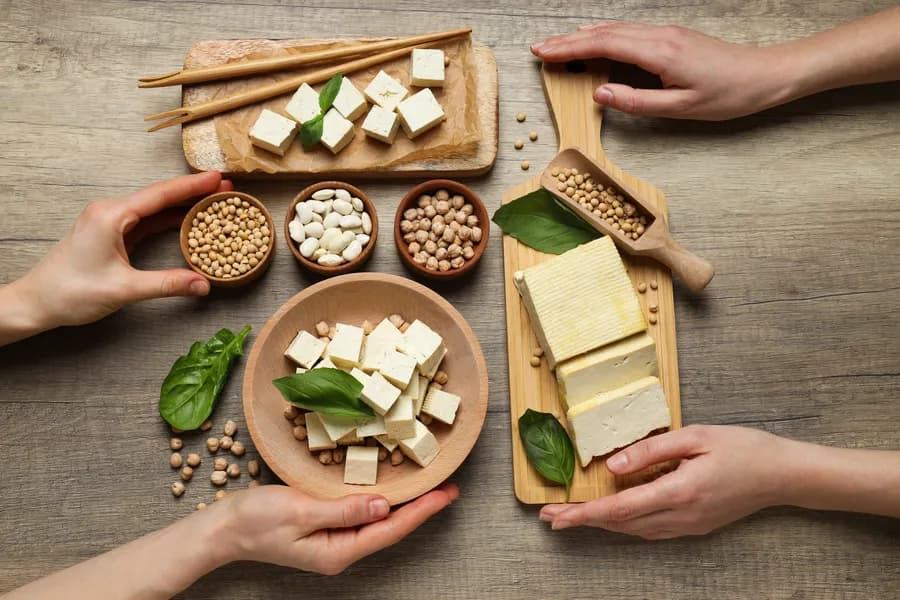
Tofu is set from soy milk. Firm tofu holds less water than soft or silken tofu, so it provides more protein per 100 g. Tofu set with calcium salts also adds calcium. Read the label rather than assuming every block is the same; our guide to tofu benefits covers types and uses.
Soy milk, edamame and tempeh
Unsweetened soy milk provides roughly as much protein per glass as dairy milk, while most almond, oat and coconut drinks provide much less. If it replaces dairy, choose one fortified with calcium and vitamin B12. Edamame and tempeh are whole-bean forms that also bring fibre.
Soy foods versus soy protein powder
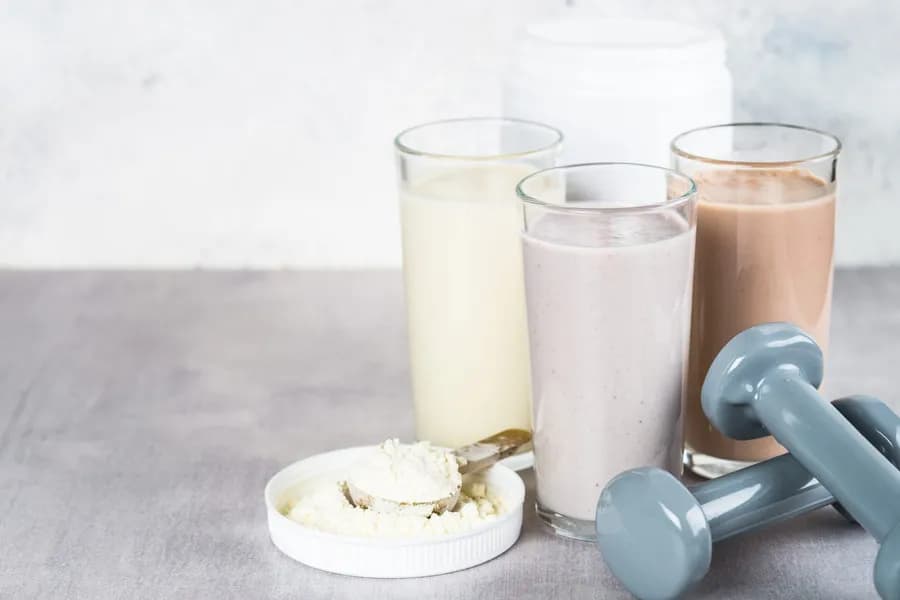
Soy protein isolate is a concentrated ingredient used in shakes, bars and mock meats. It can help when appetite is small, a vegan diet makes protein harder to reach, or convenience matters. It does not offer the fibre and wider nutrition of whole soy foods.
Before buying a powder, look at your usual meals. If breakfast is low in protein, tofu bhurji, a besan chilla with curd or soy milk in porridge may close the gap. If you do choose a powder, compare products on grams of protein per serving, not scoop weight, and check added sugar, sodium and the full ingredient list.
Simple ways to add soy protein to Indian meals
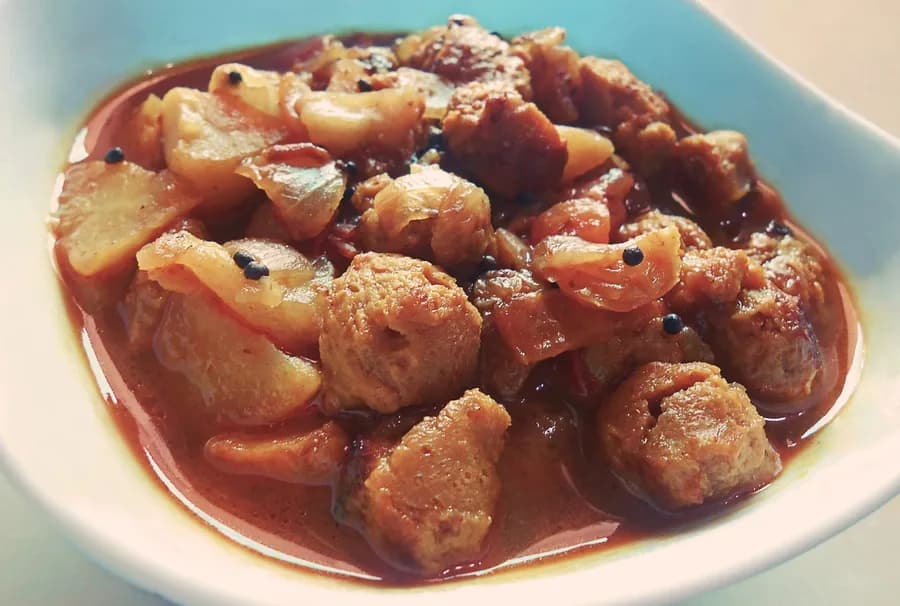
- Tofu bhurji or palak tofu in place of paneer on some days
- Soya chunk pulao, sabzi or keema-style curry, rehydrated and cooked well
- Unsweetened soy milk in dalia, oats or a smoothie
- Roasted soybeans or boiled edamame as a snack
- Tofu cubes added to a vegetable stir-fry with roti or rice
Soy protein and heart health
According to the US National Center for Complementary and Integrative Health, replacing other proteins with soy protein may lower cholesterol slightly, while isoflavone supplements may not have the same effect. The benefit depends on what soy replaces. Tofu in place of fried snacks or processed meat changes the overall fat pattern of a meal; adding soy on top of an unchanged diet does much less. Soy is not a treatment for high cholesterol, so keep any prescribed plan in place.
Safety points to keep in mind
- Allergy: soy is a common allergen. Anyone with soy allergy should avoid it and check packaged food labels.
- Thyroid medicine: MedlinePlus notes that foods containing soybeans may affect how levothyroxine works. Keep the dose timing your doctor advises rather than cutting out soy on your own.
- Hormone worries: isoflavones are plant compounds, not human oestrogen. The American Cancer Society says soy foods are not linked to higher breast cancer risk, but it does not recommend soy supplements.
- Certain antidepressants: tofu and soy sauce are high in tyramine, which matters for people taking MAOI antidepressants. Ask your doctor.
- Kidney disease: follow the protein target set by your care team.
- Digestion: whole soybeans can cause gas if you suddenly eat a lot. Increase portions gradually and cook dried soy products as directed.
Editorial sources
Frequently Asked Questions
Related Articles
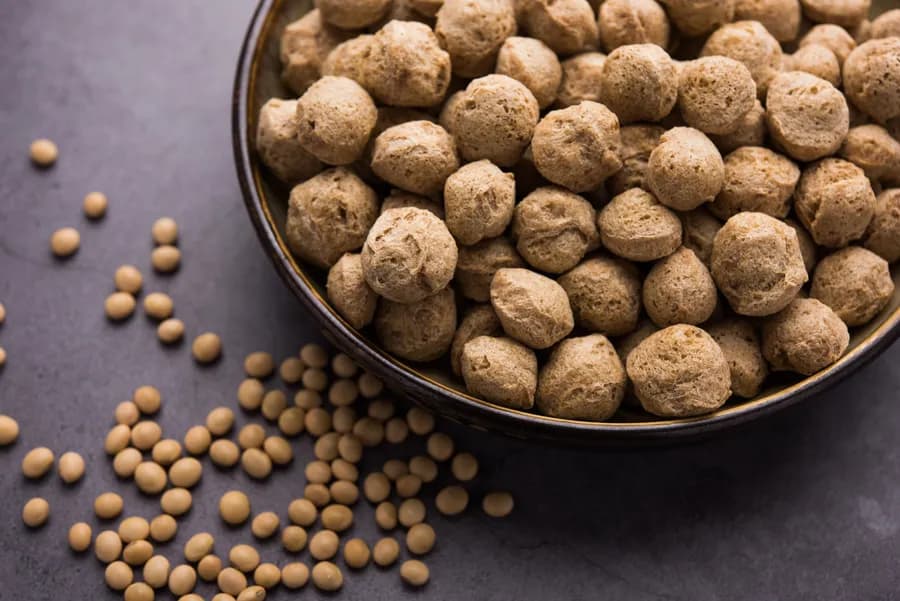
Soybean Nutrition: Protein, Uses and Safety
Soybeans provide high-quality plant protein, fibre, unsaturated fat, iron and other nutrients.

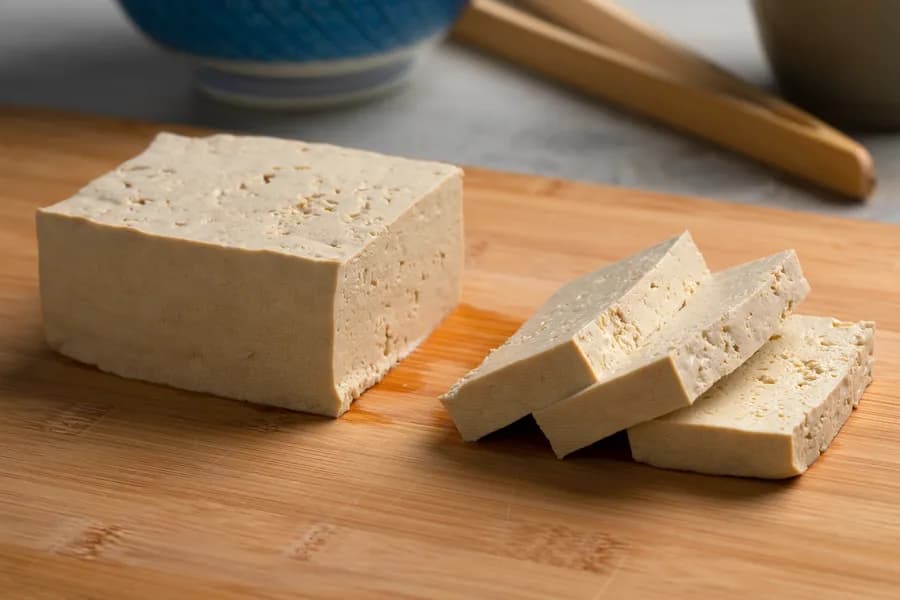
Tofu Benefits,: Protein, Calcium and Safe Use
A practical tofu guide: types, cooking tips, calcium-set versus other tofu, safe storage and who should avoid it because of soy allergy.
Protein in Soya Chunks: How Much Is Really in There?
Protein in soya chunks is roughly 52g per 100g dry — one of the most concentrated vegetarian protein sources around, though the number changes once you.
Tofu vs Paneer: Protein, Calcium, Fat and Best Uses
How tofu and paneer compare on protein, calcium, fat, tolerance and cooking, and why alternating them often works better than picking a winner.

Whey vs Plant Protein: Which One Should You Choose
Whey and plant protein aren’t about which is ‘better’ overall — it’s about which fits your digestion, diet, and goals. See how they compare on absorption.