
Star Anise: Cooking Uses, Chinese vs Japanese and Safety
Star anise adds warm, liquorice-like flavour to Indian cooking. Learn how to use it, how to source it safely and why its tea needs care.
Key Takeaways
- Use only food-grade Chinese star anise (Illicium verum) from a labelled, traceable pack.
- Japanese star anise is toxic and looks almost identical, especially when broken or ground.
- Never give star-anise tea to babies; infant poisoning cases have been reported.
- Remove whole pods before serving; they are hard and can be a choking risk.
- Star anise supplies shikimic acid for drug making, but the tea is not an antiviral.
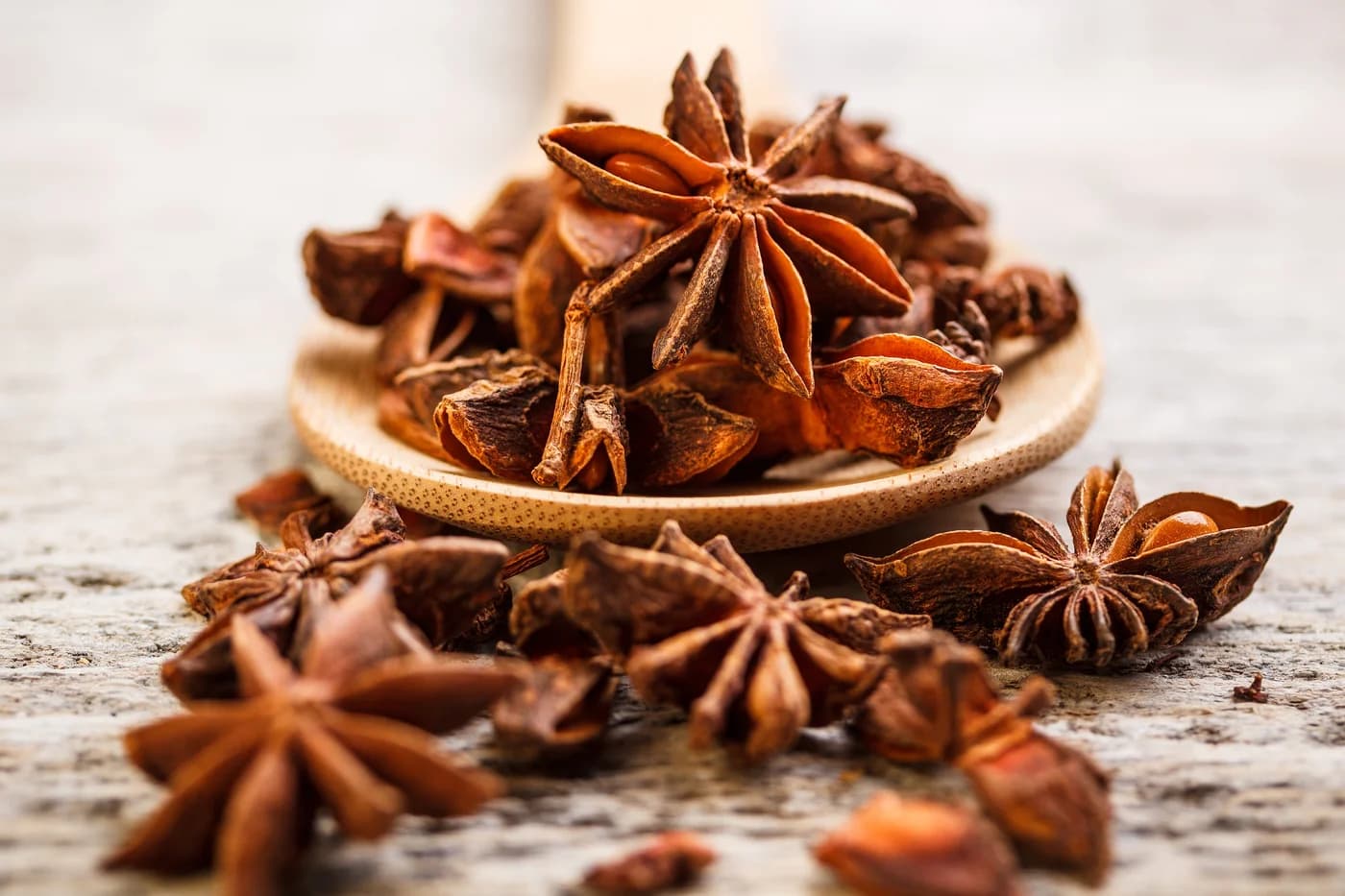
Star anise is the star-shaped dried fruit of Illicium verum, a fragrant spice used in garam masala, biryani, pulao, broths and chai masala. Culinary Chinese star anise is used in small food amounts, but Japanese star anise (Illicium anisatum) is toxic and looks very similar. Reliable sourcing matters most, especially for tea, home remedies and anything given to babies.
What is star anise?
Chinese star anise has a sweet, liquorice-like aroma that comes mainly from anethole, the same compound found in aniseed. Aniseed, however, is a small seed from a different plant, and the two are not interchangeable in strength or flavour, so check what a recipe asks for. Star anise is used whole or ground in spice blends, rice dishes, broths and baked foods.
Star anise is also an industrial source of shikimic acid, a starting material for the antiviral drug oseltamivir. That does not make homemade star-anise tea an antiviral medicine: the kitchen spice contains no oseltamivir, and a stronger brew does not mean a stronger effect.
Chinese vs Japanese star anise
Japanese star anise contains anisatin, a neurotoxin, and must not be used in food or tea. Contamination of Chinese star anise with the Japanese species has been documented, and the two fruits are hard to tell apart, particularly as broken pods or powder. Do not rely on a photograph or a taste test to confirm safety.
- Buy food-grade spice from a traceable brand with a labelled pack.
- Keep it in its labelled packet or a container that keeps the product details.
- Never cook with decorative pods, pot-pourri, craft supplies or garden plants.
How to cook with star anise
Whole pods
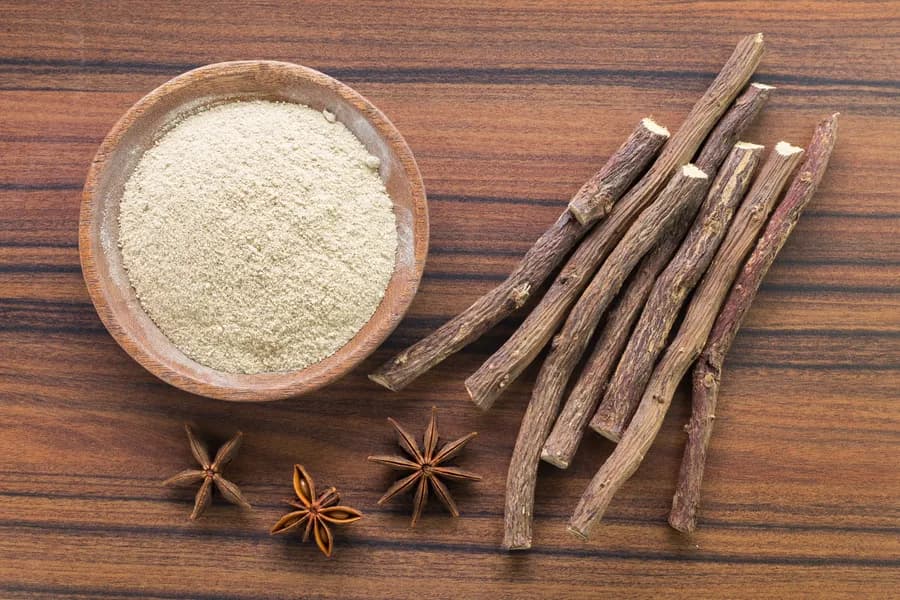
Whole pods suit dishes that simmer long enough to release their flavour, such as pulao, biryani, vegetable broth or a chai masala. One pod can flavour a dish for several people. Count the pods you add and remove them before serving, because they are hard to chew and can be a choking risk.
Ground spice
Ground star anise spreads through batters and spice blends and cannot be taken out later. Start with a small pinch, taste the finished food, then adjust. If you make a blend, measure the ingredients and label the jar, which also helps when cooking for someone with an allergy.
Storage and swaps
Store the spice in an airtight container away from heat and moisture, and buy a small pack if you rarely use it. If you dislike liquorice-like flavours, cinnamon, cardamom or fennel give a different warm aroma. There is no nutritional need to use star anise.
What does the research say?
Laboratory studies test star-anise extracts for antimicrobial, antioxidant and other activity. These results come from concentrated extracts in test tubes or animals and do not show that a kitchen serving treats infections, cough or digestive problems in people. Traditional use explains the interest, but it does not establish an effective treatment. Aroma and flavour are the clear benefits of normal cooking amounts.
Why star-anise tea needs extra care
Never for babies
Star-anise tea has traditionally been given for infant colic. A case series published in Pediatrics reported seven infants with adverse neurological reactions after home-made star-anise tea and found evidence that Chinese star anise had been contaminated with the Japanese species. The authors concluded that star-anise tea should no longer be given to infants. A crying, vomiting or poorly feeding baby needs medical advice, not a spice drink.
For adults
Keep tea to an occasional, mild brew made from a reliable food-grade source. Do not use it as a cure for flu, cough or stomach pain. Concentrated star-anise essential oil is a different product and should not be swallowed.
When to get urgent help
Seek emergency care for seizures, marked drowsiness, unusual movements, repeated vomiting, breathing trouble or facial swelling after any star-anise product. Keep the pack to show the doctor, explain the amount and timing, and do not try to induce vomiting.
For other warming spices, see our guides to Ceylon cinnamon vs cassia and ajwain.
Editorial sources
- Ize-Ludlow D et al. Neurotoxicities in infants seen with the consumption of star anise tea. Pediatrics, 2004 (PubMed)
- Apparent life-threatening event in infants: think about star anise intoxication. Archives de Pédiatrie, 2011 (PubMed)
- Schrage M et al. Neurotoxin-based distinction of Chinese and Japanese star anise. Journal of Chromatography A, 2013 (PubMed)
- Patra JK et al. Star anise (Illicium verum): chemical compounds, antiviral properties and clinical relevance. Phytotherapy Research, 2020 (PubMed)
Frequently Asked Questions
Related Articles
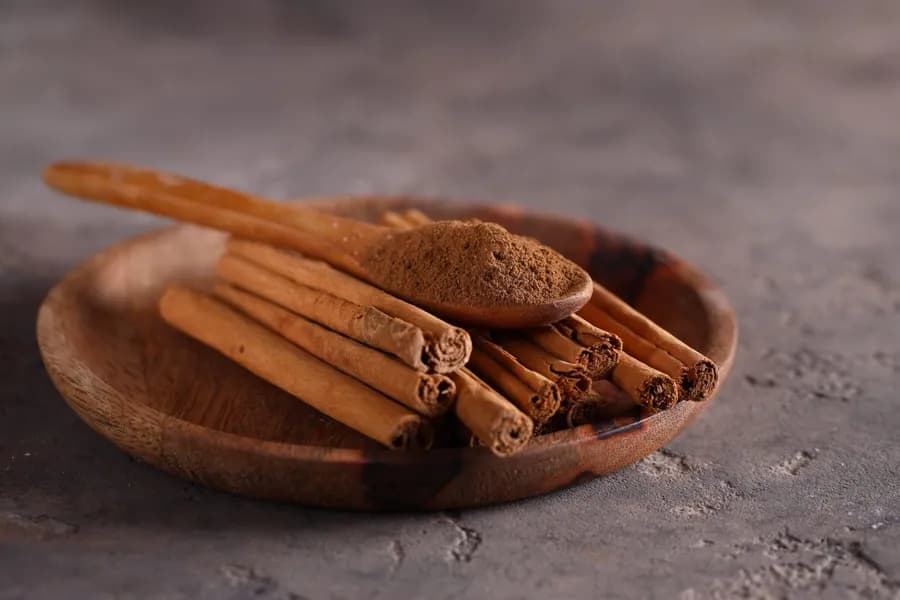
Ceylon Cinnamon vs Cassia: How to Identify, Buy and Use It
How Ceylon cinnamon differs from cassia, why coumarin matters, how to identify and store it, and what to expect from blood-sugar claims.

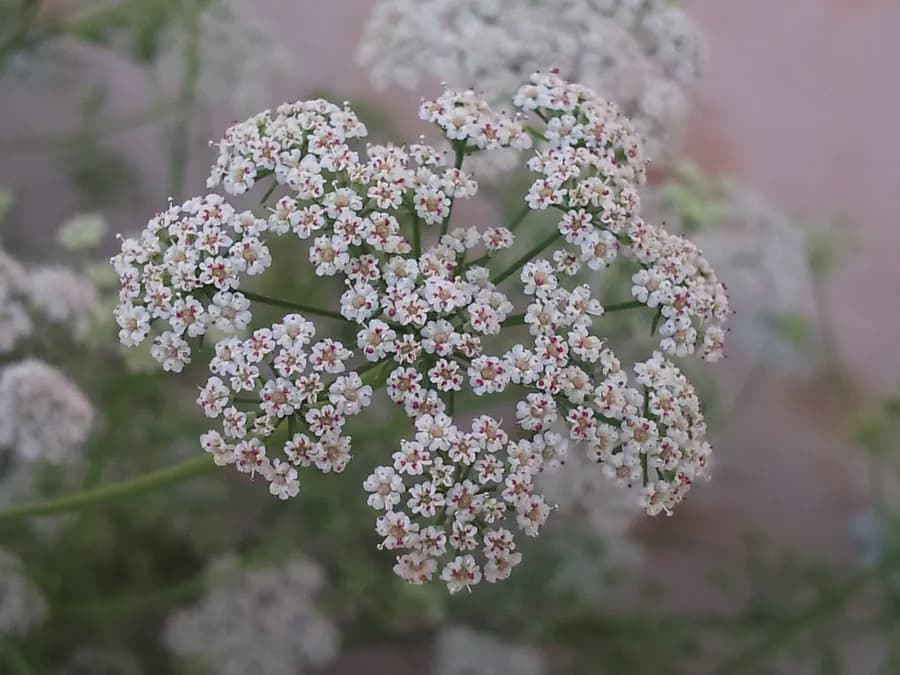
Ajwain: Benefits, Uses & Ayurvedic Properties
Explore Ajwain in Ayurveda, including traditional uses, properties, preparation guidance, side effects and precautions.


Badi Elaichi (Large Cardamom): Benefits, Uses & Ayurvedic Properties
Badi Elaichi (Amomum subulatum), Black or Large Cardamom, is an Ayurvedic spice herb prized for digestive, respiratory, and cardiac support. Learn its Ayurvedic properties, health benefits, and how to use it safely.
Sage: Culinary Uses, Possible Benefits and Safety
Sage adds flavour to beans, pumpkin and grains, but teas, extracts and oil are stronger exposures. What research shows and when sage needs caution.