
Vanilla: Choose the Right Flavour for What You Are Making
Get useful flavour from vanilla without confusing an aromatic ingredient with a health supplement or a sweet syrup with plain extract.
Key Takeaways
- Vanilla adds aroma, not meaningful nutrients.
- Beans, extract, essence and syrup behave differently.
- Vanilla can make less-sweet food enjoyable.
- A vanilla label says nothing about nutrition.
Vanilla can make a simple bowl of oats smell more inviting or give homemade custard a familiar flavour. Its main contribution is aroma, rather than a meaningful dose of vitamins or a special health effect. A vanilla bean, extract, essence, paste and sweet syrup can all behave differently. Knowing which one you have helps you get the flavour you want without adding more sugar than intended.
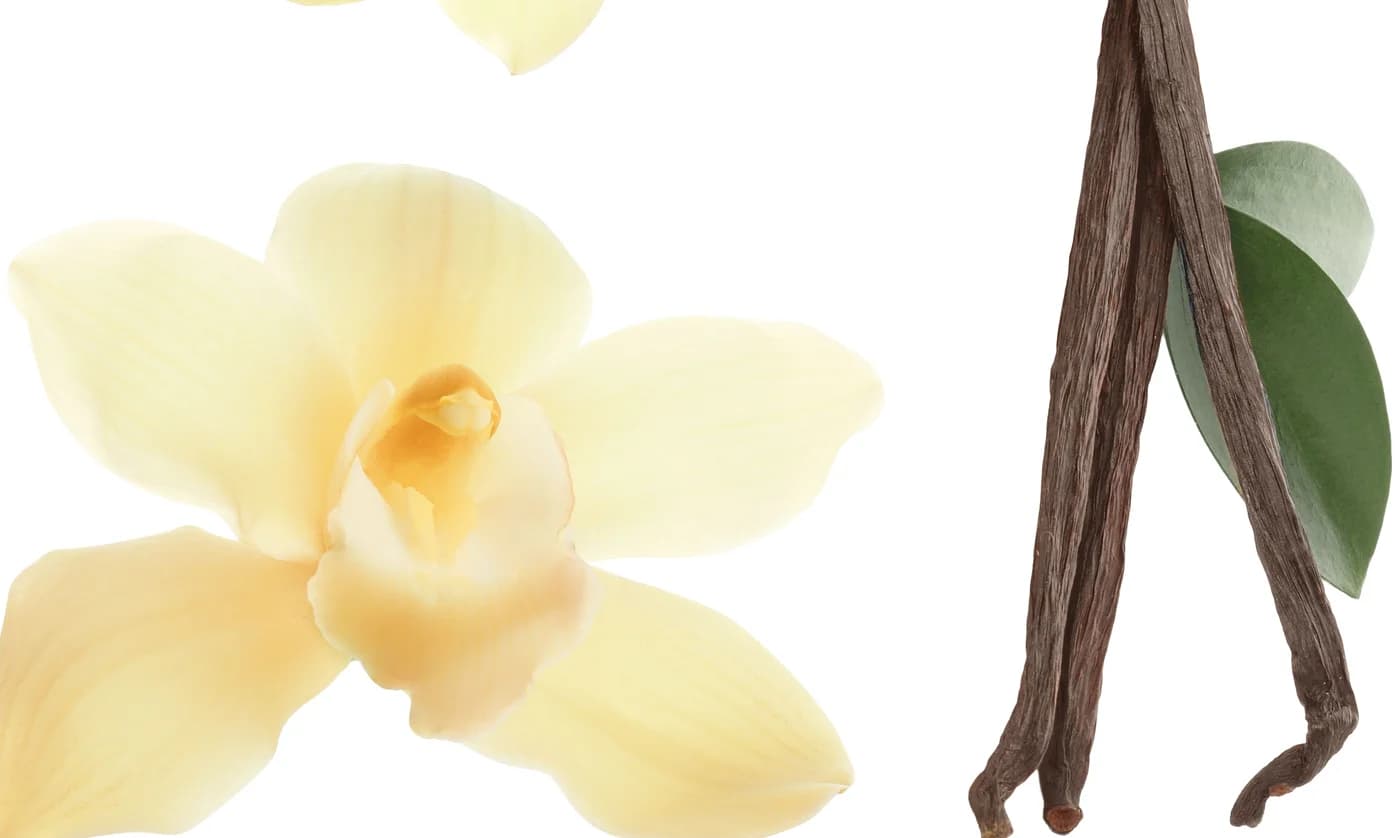
It begins with an orchid
Natural vanilla flavour comes from cured fruits of vanilla orchids, commonly called beans or pods. The pods develop their characteristic aroma through processing rather than tasting like a finished dessert straight from the plant.
Vanillin is an important aroma compound, but natural vanilla contains others too. Vanilla flavour can also be produced without using the whole bean. That is why a product can smell recognisably of vanilla while having a different flavour profile and price.
There is no need to treat an affordable food flavouring as a failed version of an expensive pod. Choose according to the recipe, how noticeable the flavour will be and your budget.
The forms you are most likely to find
- A vanilla bean supplies the tiny seeds and aroma from the pod, useful when you want a pronounced flavour in custard or another simple dish.
- Extract contains flavour drawn from beans into a liquid, often including alcohol and water.
- Essence or vanilla flavouring varies by product and market; it may use vanillin or a mixture of flavour ingredients.
- Vanilla paste usually provides a thick mixture, often with seeds and sometimes sugar.
- Vanilla syrup is a sweetening ingredient as well as a flavouring.
Powders vary too. One may be ground vanilla, while another is sweetened or contains a carrier. The name alone does not tell you whether it will behave like a pod or an extract.
Start small and taste the finished food
Flavour strength differs considerably. Use the recipe or product directions as a starting point, then adjust cautiously. Too much can taste bitter, harsh or perfumed rather than more delicious.
For porridge, try a small amount stirred into the cooked oats with milk or a suitable alternative. For curd, mix a little flavouring into the portion you plan to eat, then add fruit if you want sweetness.
Do not pour extract into a spoon to taste it neat. A concentrated flavouring can taste unpleasant alone even when it works well in the finished food. Test it in the context where you will use it.
Work with a bean without wasting it
Use a clean knife and a stable board to split the pod carefully, then scrape the tiny seeds into the recipe. The empty pod still carries aroma and can be infused in a liquid that will be prepared safely.
For a milk-based custard, add the pod during the appropriate heating stage, then remove it before serving. Do not leave a perishable vanilla-milk mixture warm for hours to make the flavour stronger.
If using a pod to scent sugar, keep the mixture dry and remember what it is: flavoured sugar. It is not a sugar-free way to obtain vanilla, and using more because it was homemade still adds sugar.
Use vanilla to make less-sweet food enjoyable
Vanilla's familiar association with sweet foods can make a lightly sweetened dish appealing. You might find that a porridge or milk pudding needs less added sugar when the aroma is pleasant.
That is a taste preference to explore, not a guarantee that vanilla blocks cravings or changes glucose handling. Reduce sugar gradually if you want to, and assess the whole recipe.
Honey, jaggery and coconut sugar remain added sugars when used for sweetness. A generous vanilla syrup can contribute much more sugar than the tiny amount of flavouring needed in a home bowl. The word vanilla does not make the drink light.
A vanilla label does not describe the nutrition
Vanilla ice cream, biscuits, protein drinks and yogurt are different foods. Their protein, fat, sugar and energy depend mainly on the base recipe and serving.
For example, plain curd with a little vanilla flavouring differs from a heavily sweetened vanilla dessert. A vanilla protein drink may provide protein because of the milk or added protein ingredient, not because of vanilla.
When a product is part of your routine, judge it by the job it needs to do. A dessert can simply be dessert. It does not need an antioxidant claim to justify enjoying a suitable portion.
What about antioxidants and calming effects?
Vanilla compounds have been investigated in laboratories, including for antioxidant activity. Laboratory findings do not establish that a few drops of extract prevent disease or provide a meaningful antioxidant treatment in people.
The smell may feel comforting because you enjoy it or associate it with familiar food. That is different from a proven treatment for anxiety or insomnia.
Do not swallow concentrated extracts or essential oils to pursue these effects. Food flavouring, fragrance oils and aromatherapy products have different intended uses. A bottle that smells like vanilla is not automatically an edible ingredient.
Alcohol and dietary preferences
Many vanilla extracts contain alcohol as part of the extraction liquid. The amount reaching a serving depends on how much is used and how the food is prepared. Cooking does not guarantee that every trace disappears.
If you avoid alcohol for personal, religious or medical reasons, choose a suitable alcohol-free flavouring or another form that meets your needs. You do not need to make that decision from a generic statement that all extract is harmless after baking.
For vegan or allergy-related needs, the complete product matters. A plain vanilla pod differs from a paste containing additional ingredients or a dessert containing milk. Confirm only the detail relevant to your restriction rather than turning every baking purchase into a research project.
Keep the flavour fresh
Store vanilla products as directed, protected from heat and direct light. Keep the cap clean and tightly closed, and use clean utensils for paste or powder. Fresh pods should be stored to preserve quality without introducing excess moisture.
Discard mouldy pods or products with an unexpected change that suggests spoilage. Do not add fragrance oil to food when a cooking extract runs out, and keep concentrated extracts away from children.
If you use vanilla only occasionally, a small bottle of a dependable food flavouring may be more practical than an expensive collection. Save the pod for a dish where its aroma matters, and let vanilla remain a useful pleasure in the kitchen rather than a supplement with a long list of promised benefits.
Editorial sources
Frequently Asked Questions
Related Articles
Ice Cream Calories: Scoops, Portions and Enjoying Dessert
Make sense of ice cream portions and enjoy dessert with a realistic view of the whole serving.

Brown Sugar vs White Sugar: Nutrition, Blood Sugar and Baking
Brown and white sugar are nutritionally almost identical. See what molasses really changes and how to cut free sugar in daily meals.

Gluten Free Desserts: Naturally Gluten-Free Sweets to Try at Home
Indian sweet-making has long relied on rice flour, besan, ragi, and coconut rather than wheat, so many traditional desserts are naturally gluten-free.
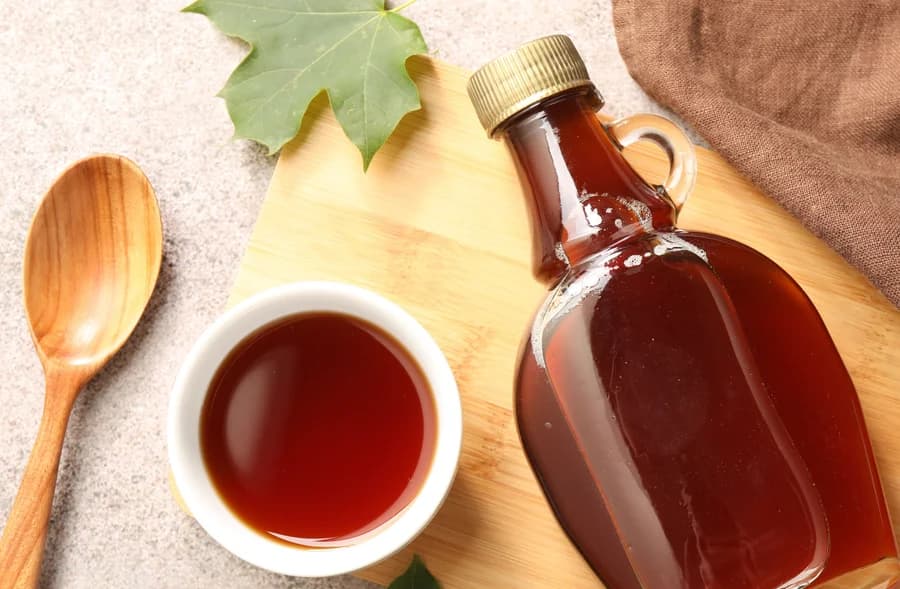
Maple Syrup: A Flavourful Sweetener, Still Sugar
Enjoy maple syrup for its flavour while keeping portions and sugar claims realistic.