
Vegetarian Meaning: What It Includes and How to Eat Well
Vegetarian means different things to different people. The word tells you what someone avoids; it does not tell you whether their meals are balanced.
Key Takeaways
- Vegetarian diets exclude meat, poultry and fish, but dairy and egg choices vary.
- Vegan diets exclude all animal-derived foods.
- Protein is manageable; vitamin B12 needs more deliberate planning.
- A varied Indian plate can cover most needs without imported superfoods.
Ask five people what vegetarian means and you may get five slightly different answers. In India, it often means no meat, fish or eggs but includes milk and curd. Elsewhere, eggs may be included. The word tells you what someone avoids; it does not tell you whether their meals are balanced. A diet of chips, biscuits and sweet drinks can technically be vegetarian too.
What does vegetarian mean?
The common types
Lacto-vegetarians include dairy but not eggs. Ovo-vegetarians include eggs but not dairy, while lacto-ovo vegetarians include both. Vegans avoid dairy, eggs, honey and other animal-derived ingredients. Some people use the word flexibly for cultural or personal reasons, so it is kinder and safer to ask than to assume.
Labels can hide animal ingredients
Gelatine, animal rennet, fish-based sauces and some colourings or capsules may not be obvious from the front of a pack. If you are cooking for someone, check what their version of vegetarianism includes. This matters especially with allergies, religious choices and medicines; it is not just a preference about taste.
Vegetarian does not mean low protein
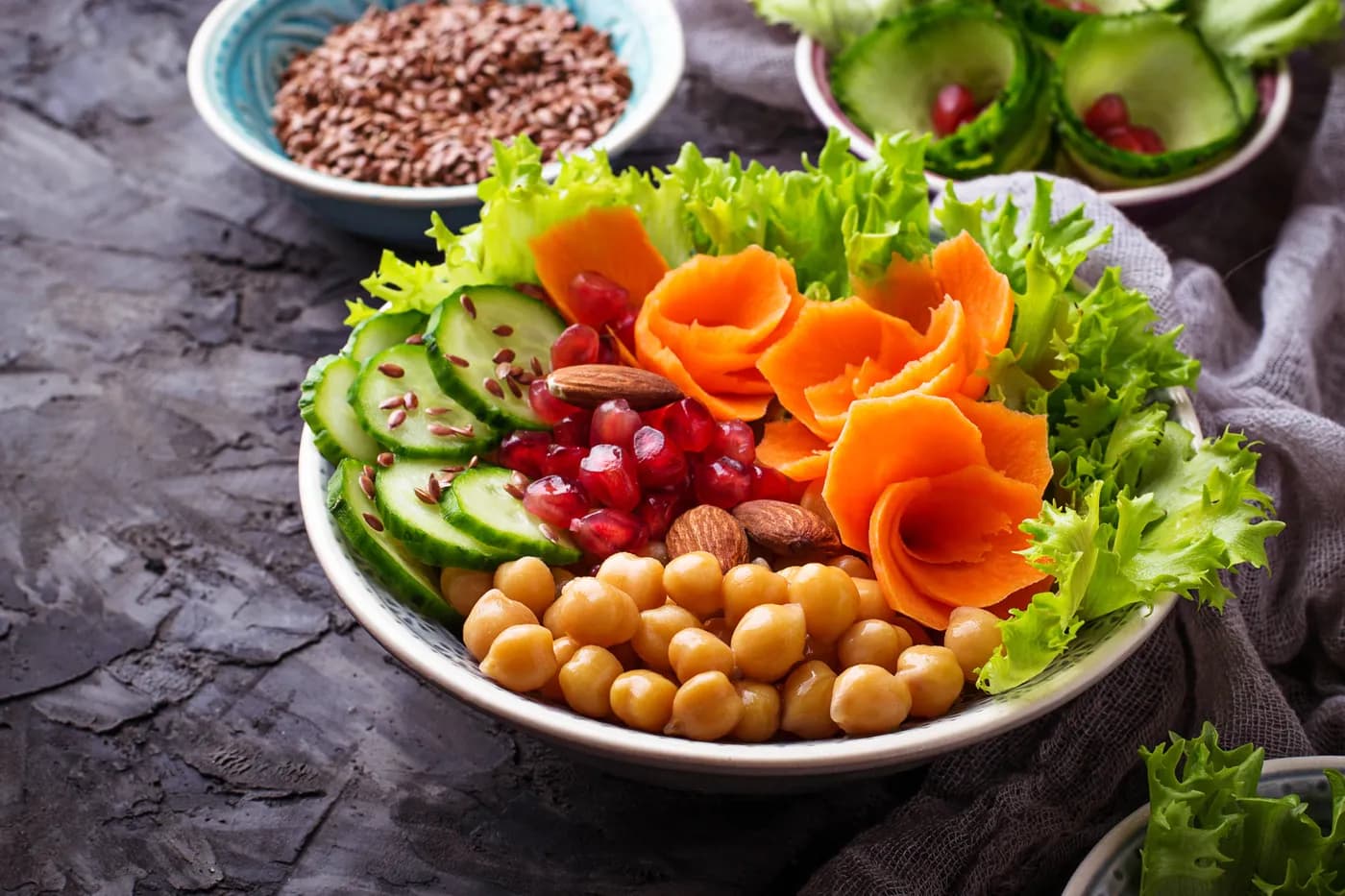
Dal, chickpeas, rajma, soy, tofu, paneer, curd, milk, peanuts, nuts and seeds all contribute protein. You do not need to combine two proteins perfectly at every meal. Eat enough food and rotate sources across the day. Habuild’s guide to protein-rich vegetarian foods has more practical options.
B12 is the nutrient to plan
Unfortified plant foods are not dependable sources of active vitamin B12. Vegans need a reliable fortified food or supplement, and some dairy-eating vegetarians may still fall short. Pregnancy, older age, digestive disease, metformin and long-term acid-suppressing medicines can increase the need for testing or individual advice.
Build meals that feel normal
Use the Indian plate you know
A balanced lunch can be dal or rajma, one or two vegetables, roti or rice, salad and curd or a fortified alternative. Breakfast might be besan chilla with curd, vegetable poha with peanuts, tofu bhurji or idli with sambar. The point is not perfection; it is giving every main meal a visible protein source.
Watch iron and calcium too
Plant iron from pulses, greens, sesame and fortified foods is absorbed less easily than iron from animal foods. Add vitamin C through lemon, amla, guava, tomato or capsicum. For calcium, use milk, curd, paneer, calcium-set tofu, ragi, sesame and fortified plant drinks as appropriate.
Do not forget iodine and omega-3
Use iodised salt in sensible amounts rather than relying on pink or rock salt for iodine. Walnuts, chia and ground flax provide the plant omega-3 ALA. People who avoid all animal foods may discuss algae-derived DHA or EPA with a qualified professional for pregnancy or another specific need.
Fortified drinks need a label check
Almond, oat, rice and coconut drinks can look like milk but may contain little protein. Compare protein, calcium, vitamin D, B12, added sugar and serving size. Fortified soy drink is often nutritionally closer to dairy milk, although brands differ. Shake fortified drinks because minerals may settle.
A simple habit to try
Choose one meal you eat most days and add a clear protein source to it for two weeks. That may be extra dal at lunch, tofu in a sabzi or curd beside breakfast. Keep the change if it is affordable and easy. Pair food habits with regular movement through strength training or a suitable yoga routine.
Protein portions still matter
A spoon of dal or a few cubes of paneer may not provide as much protein as the meal needs. Make the protein visible: a full katori of dal, a useful tofu or paneer portion, or a combination of pulses and curd. Older adults and people recovering from illness may need particular attention because appetite can fall while protein needs remain important.
Iron deficiency needs testing
Feeling tired does not prove that a vegetarian diet is causing low iron. Heavy menstrual bleeding, pregnancy, digestive blood loss and poor absorption also matter. A blood test can distinguish iron deficiency from B12 deficiency and other causes. Do not start high-dose iron simply because spinach is not fixing fatigue; excess iron can also cause harm.
Plan for life stages
Pregnancy, breastfeeding, childhood and older age make gaps more consequential. B12, iron, calcium, vitamin D, iodine and protein may need closer attention. A prenatal supplement or a clinician-recommended B12 dose fills a defined need; it does not mean the vegetarian pattern has failed.
Eating out requires simple questions
Ask whether gravy contains meat stock, whether rice was cooked with animal fat, and whether desserts contain gelatine or egg if those matter to you. Buffets and shared fryers can create cross-contact. Clear, polite questions work better than assuming that a green dot answers every personal or allergy-related concern.
Variety beats a replacement obsession
Going vegetarian does not require buying mock meat for every meal. These products can be convenient, but some are high in sodium and cost. Dal, chana, rajma, soy chunks, tofu, peanuts and besan are familiar foundations. Use packaged substitutes because you enjoy them, not because ordinary Indian food is somehow incomplete.
Editorial sources
Frequently Asked Questions
Related Articles
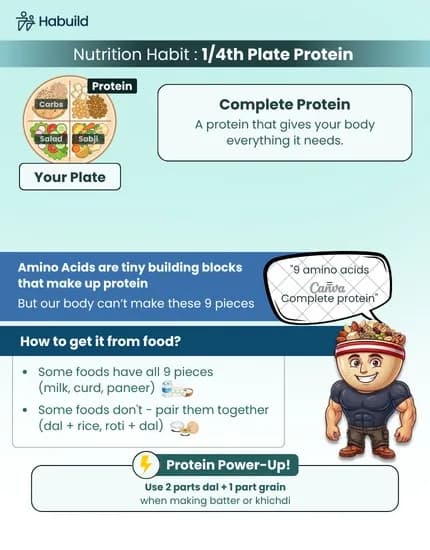
Complete Protein Foods: Can Vegetarian Meals Cover Your Protein Needs?
You do not need to combine foods at every meal. What matters is how much protein you eat overall, how varied your food is and whether you eat enough.


Vegetarian protein: needs, myths and meal planning
Vegetarian meals can provide enough protein. Learn practical needs, simple Indian food sources, common myths and an easy meal-planning method.

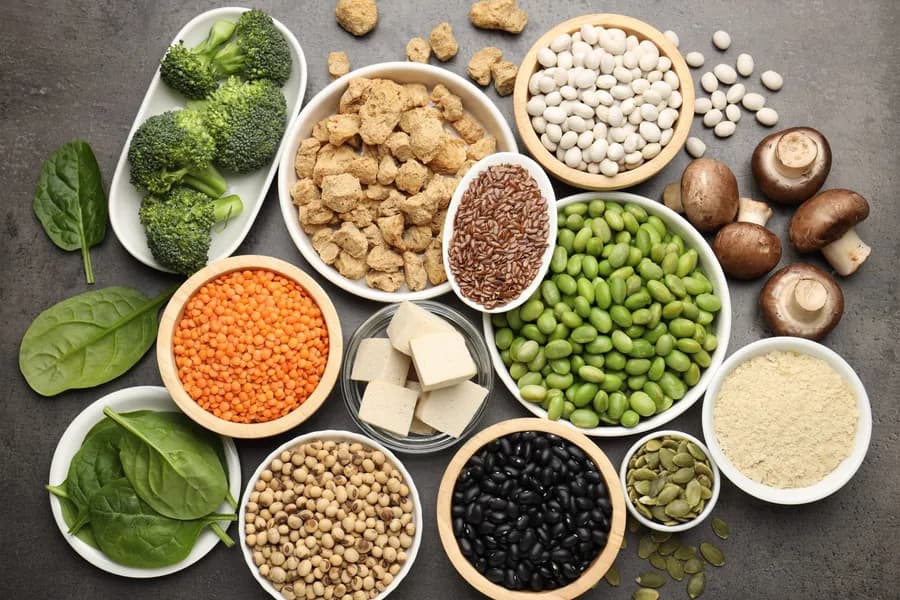
High Protein Vegetarian Foods: The Complete Indian Food List
Indian kitchens are already full of high protein vegetarian foods — dals, paneer, tofu, soy, and dairy. See the complete list, with protein counts, and.
Zinc Rich Foods: The Best Vegetarian and Vegan Sources
Your body can’t store zinc for long, so it needs a steady daily supply from food. See the best vegetarian and vegan sources — no meat or seafood required.