
Vitamin A Benefits: What It Does and Where to Get It
Vitamin A supports vision and other essential functions. Build variety into meals and understand why extra supplements are not always helpful.
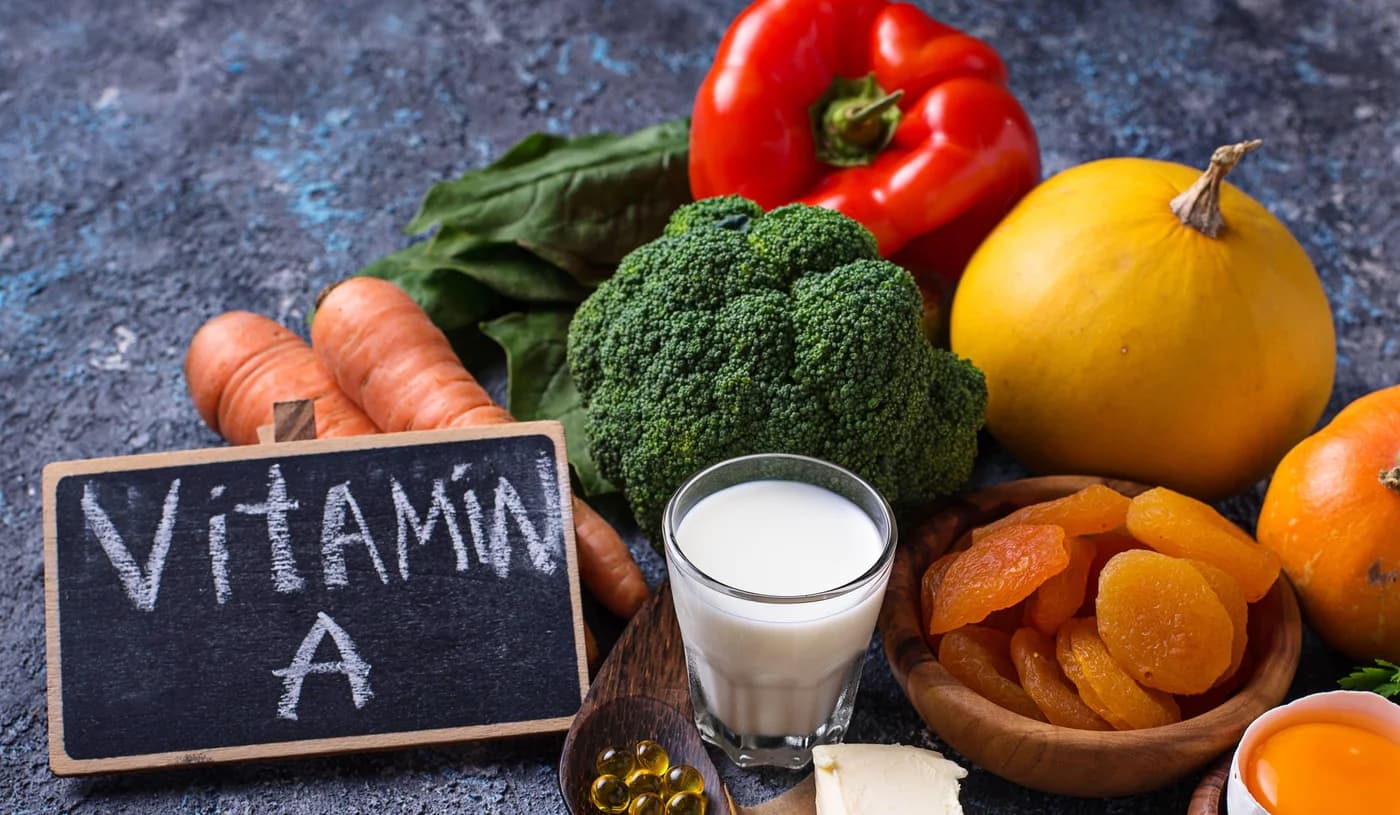
Key Takeaways
- Vitamin A supports vision and immunity.
- Orange, yellow and leafy foods provide beta carotene.
- Too much preformed vitamin A can be harmful.
- High-dose supplements need care in pregnancy.
Carrots are often described as food for your eyes. There is some truth behind that familiar advice: they provide beta-carotene, which the body can turn into vitamin A. But eating more carrots will not correct every eyesight problem, and taking extra vitamin A is not a shortcut to better health.
Vitamin A supports several essential jobs, from vision to immune function. The useful question is how to get enough through ordinary meals, while avoiding the problems that can come from unnecessary high-dose supplements.
What does vitamin A do?
Vitamin A helps the eyes function, including in dim light. It also supports the normal maintenance of tissues and the immune system. Children need it for normal growth and development, and it has a role in reproduction too.
These are functions of having enough of the nutrient. They do not mean that extra vitamin A will sharpen normal vision, prevent every infection or make a child grow taller than their natural potential.
Think of it as a requirement to meet, rather than a score to keep increasing. Once your needs are covered, a larger dose does not automatically provide a larger benefit.
There are two main food forms
Preformed vitamin A is found in animal-derived foods and some fortified products. Milk products and eggs can contribute it; liver contains especially large amounts. Supplement labels may describe this form using names such as retinol or retinyl palmitate.
Plant foods provide carotenoids, including beta-carotene, that the body can convert into vitamin A. Carrots, pumpkin, orange-fleshed sweet potatoes and dark green leafy vegetables are useful examples.
The distinction matters because these forms behave differently. You cannot compare a quantity of beta-carotene with the same quantity of retinol as though they provide identical amounts of usable vitamin A. It also explains why the risks of a high-retinol supplement are different from eating a normal serving of carrots.
Colour gives clues, but no single food is compulsory
Orange vegetables are an easy place to start, but greens belong in the picture too. Their green pigment can hide the yellow-orange carotenoids they contain.
A varied week could include pumpkin sabzi, carrot added to poha, palak dal and roasted sweet potato. Mango or papaya can contribute when in season. You do not need all these foods every day, and there is no need to build every meal around carrots.
Choose foods that are affordable and familiar. If pumpkin is readily available but imported sweet potatoes are expensive, use pumpkin. Regular variety is more practical than treating one fashionable food as essential.
Preparation can make these foods easier to use
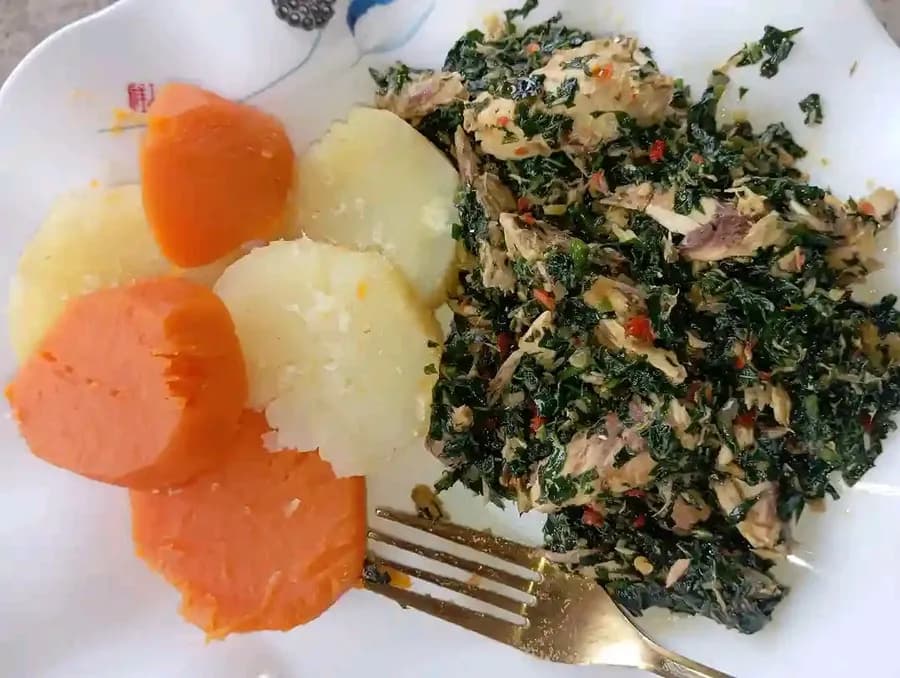
Vitamin A is fat-soluble. Having carotenoid-rich vegetables as part of a meal containing a little fat can help absorption. That does not require deep-frying or adding large amounts of ghee.
Cook greens in dal, sauté grated carrot with the rest of a vegetable filling, or serve pumpkin with a meal that includes curd, nuts or a modest amount of cooking oil. Chopping and cooking can also make some carotenoids more accessible.
Raw carrot still has a place if you enjoy it. The point is to avoid an unnecessary raw-versus-cooked rule. Different preparations help you eat a wider range of foods, and consistency matters more than choosing one supposedly perfect method.
How much do adults need?
As a reference, US dietary recommendations give adult women 700 micrograms and adult men 900 micrograms of retinol activity equivalents a day. Pregnancy and breastfeeding change requirements, and local guidance or individual needs may differ.
Most readers do not need to calculate these units at every meal. A mixed diet with carotenoid-rich vegetables and other suitable foods is a more manageable starting point. These figures are requirements, not instructions to buy a tablet containing that amount.
If you already take a multivitamin, adding a separate vitamin A product can duplicate the dose. Cod liver oil may also contain vitamin A, so it should not be treated as interchangeable with every other omega-3 product.
What happens when someone is deficient?
Vitamin A deficiency can affect vision, including the ability to see in low light. More severe deficiency can damage the eyes. Risk can rise when diets are very limited or when a condition interferes with absorbing fat and nutrients.
Difficulty seeing at night has several possible explanations. Do not assume it is a vitamin problem and start high doses yourself. Getting the cause identified matters because eye symptoms may need treatment that food cannot provide.
Public-health vitamin A programmes for children have specific eligibility and dosing schedules. Those supervised doses should not be copied into an everyday home supplement routine. A child's needs are different from an adult's, and more is not safer.
Why too much can be harmful
The body can store preformed vitamin A. Excessive intake, particularly through supplements, can cause harm, including liver problems. High intakes during pregnancy can cause birth defects.
If you are pregnant or planning pregnancy, avoid adding high-dose retinol products or regularly eating liver as a vitamin strategy. Use a pregnancy supplement chosen for that purpose rather than combining several products on your own.
Beta-carotene in ordinary plant foods does not carry the same toxicity pattern. However, high-dose beta-carotene supplements have increased lung-cancer risk in studies involving smokers and some other high-risk groups. “Plant-derived” on a capsule is not a guarantee that a high dose is useful.
Food, skin care and supplements are separate subjects
Vitamin A is involved in skin function, but that does not make oral vitamin A a home treatment for acne. Prescription retinoid medicines and cosmetic skin-care products are different preparations with their own instructions.
Do not swallow extra vitamin A because a skin product helped someone else. Equally, a carrot-rich diet cannot be expected to act like a prescribed medicine. Healthy food supports the body; treatment decisions depend on the specific condition.
For an everyday step, add one orange vegetable or a leafy green to meals you already cook. Keep the variety, enjoy the food and leave high-dose products for a clear clinical reason.
Editorial sources
Frequently Asked Questions
Related Articles
Vitamin A Beta Carotene Benefits: Vision, Immunity & Skin
Vitamin A supports clear vision in low light, a well-functioning immune system, and healthy skin — and it comes from two different sources your body.
Vitamin A Food Sources: The Best Vegetarian & Plant-Based Foods
Carrots, sweet potato, spinach, mango, and papaya supply beta-carotene that your body converts into vitamin A as needed. See a complete vegetarian and.

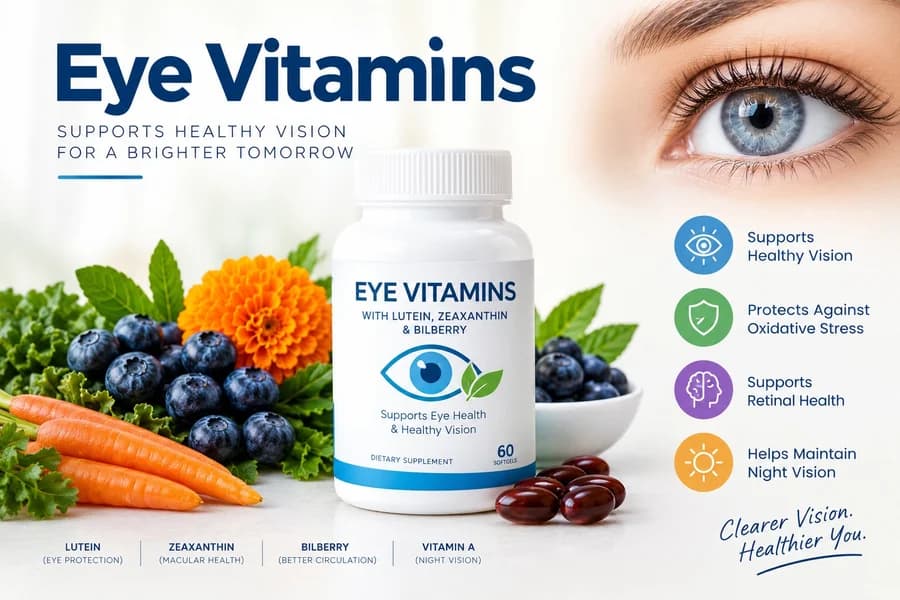
Eye Vitamins: When Supplements Help and When They Do Not
Eye supplements have specific uses, not universal benefits. Understand food, deficiency treatment and the role of AREDS2 in particular AMD stages.


Fortified Milk: What Added Vitamins A and D Mean for You
Fortified milk adds selected vitamins to a familiar food. Understand what changes, what stays the same and how to use it in everyday meals.
