
Vitamin B12 Benefits: What It Does and Who Is at Risk
What vitamin B12 does for blood cells, DNA and nerves, why absorption can fail, and which groups need to plan intake or get tested.

Key Takeaways
- B12 helps make DNA and red blood cells and keeps nerves working normally.
- Unfortified plant foods are not reliable B12 sources; vegans need fortified foods or supplements.
- Metformin, acid-suppressing medicines, gut surgery and pernicious anaemia can block absorption.
- Numbness, balance changes or memory problems need prompt assessment, as nerve damage can persist.
Vitamin B12 has a quiet but essential job in making DNA and healthy red blood cells and in maintaining the nervous system. The body stores it, so a shortfall can develop slowly and be missed until tiredness, anaemia or neurological symptoms appear. Understanding vitamin B12 benefits is therefore less about chasing extra energy and more about knowing who is at risk of running low.
What vitamin B12 does in the body
Vitamin B12 works with folate in DNA synthesis and red-blood-cell production. It also supports myelin, the protective coating around nerves, and other processes needed for normal nerve function. The main vitamin B12 benefits come from these roles. Correcting a deficiency can improve the symptoms it causes, but taking extra B12 when status is already adequate has not been shown to create unlimited energy or to replace sleep and good nutrition.
How the body absorbs and stores it
Stomach acid releases B12 from food, and a protein called intrinsic factor helps it be absorbed in the small intestine. The liver keeps substantial stores, which is why a vegetarian adult may feel well for years while intake is inadequate. That delay makes waiting for symptoms a poor strategy: prevention is cheap, while established nerve damage may recover slowly or incompletely.
Who needs to pay attention
Vegetarians and vegans
Milk, curd and paneer can contribute B12 in a lacto-vegetarian diet, but a fully plant-based diet contains no dependable natural source, so fortified foods or a supplement are essential rather than optional. Spirulina, tempeh and fermented vegetables should not be counted on. Our guide to vitamin B12 vegetarian foods covers sources and fortified options in detail.
People with absorption problems
Pernicious anaemia, stomach or bowel surgery (including bariatric surgery), coeliac disease and Crohn's disease can disrupt absorption. Metformin and long-term acid-suppressing medicines may also increase risk, so a good diet alone does not rule out deficiency.
Life stages
Pregnancy and breastfeeding increase the importance of adequate B12 because the vitamin supports infant development. Infants of B12-deficient mothers can become seriously ill, so a vegetarian or vegan pregnancy deserves proactive planning. Older adults may also need monitoring.
Signs to take seriously
Early deficiency may cause tiredness, weakness, a sore tongue or pale skin, but these have many explanations. Tingling, numbness, poor balance, memory changes or mood symptoms suggest nerve involvement and deserve prompt care, because nerve damage can become lasting. Neurological problems can appear even before obvious anaemia. For a fuller list, see our article on vitamin B12 deficiency.
Testing and treatment
A blood count and serum B12 are common starting tests; methylmalonic acid or other markers may help when results are borderline or symptoms do not match. Recent supplements can influence measurements. Folate can improve the anaemia while nerve injury continues, so taking folic acid alone is unsafe when B12 deficiency has not been considered.
Food changes may be enough for marginal low intake, while confirmed deficiency often needs a defined course of oral tablets or injections. Severe neurological symptoms and significant malabsorption need clinician-led treatment. Feeling better is not a reason to stop early; follow-up checks show whether blood counts, symptoms and the underlying cause have been addressed. Unexpectedly high blood B12 results are a separate issue, covered in our guide to high vitamin B12.
Reading a supplement label
Cyanocobalamin and methylcobalamin are common forms. Both can supply B12, and marketing claims do not automatically make one superior for everyone; vitamin B12 benefits do not depend on paying more for a particular form. The amount on a label may exceed the daily requirement because only a fraction of a large oral dose is absorbed. Check the dose, schedule and other ingredients rather than buying a broad "energy" blend, keep supplements away from children and mention them at medical appointments.
A simple B12 check-in
List the B12-containing foods you actually eat in a normal week and note the amount shown on fortified labels. If the pattern is uncertain, discuss a suitable supplement and whether testing is needed. Review your plan after any major change, such as moving to a vegan diet, starting metformin, having stomach surgery or developing a bowel disorder.
Editorial sources
Frequently Asked Questions
Related Articles
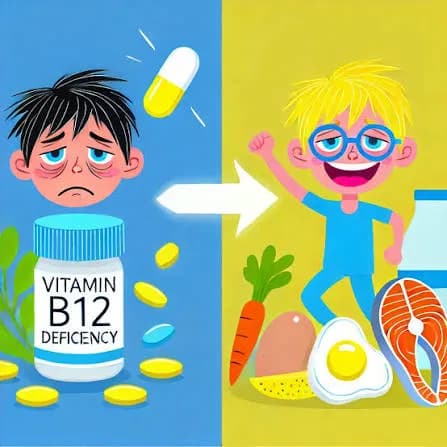
Vitamin B12 Deficiency: Causes, Symptoms, and Who’s at Risk
Vitamin B12 deficiency builds up slowly and is especially common in India due to widespread vegetarian eating patterns. See the causes, symptoms, and.


Vitamin B12 Foods Vegetarian Diets Are Often Missing — And Where to Find Them
B12 is made only by bacteria and doesn’t occur naturally in any plant food — a real gap in most vegetarian diets. See where vegetarians can reliably find.

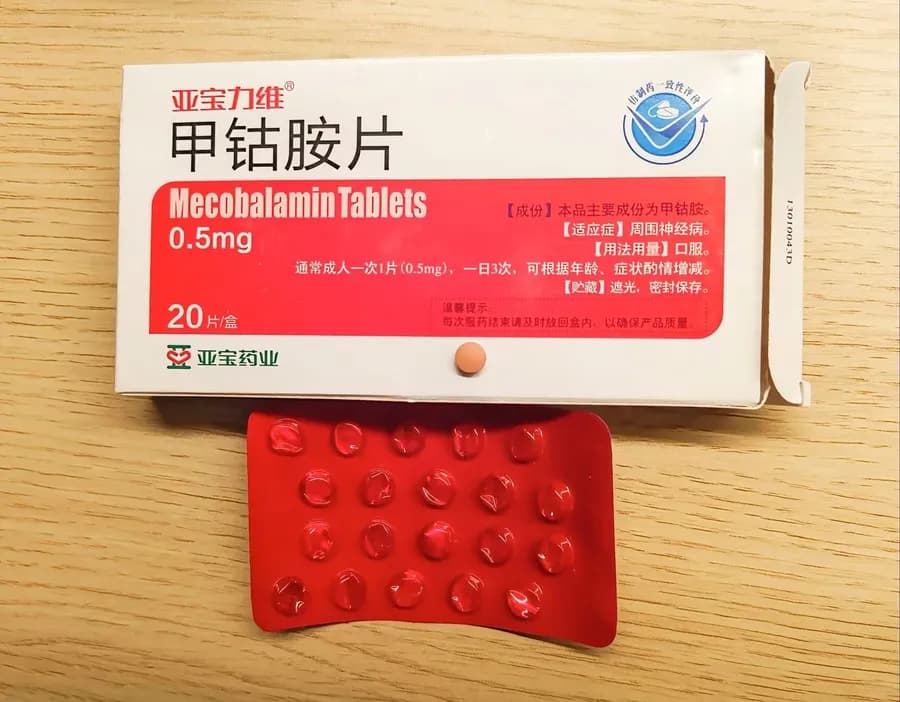
High Vitamin B12 Symptoms: What Excess B12 Looks Like
High B12 levels almost always come from supplementation or injections, not food, since it’s nearly impossible to get too much B12 from diet alone. See.