
Vitamin B12 Injection Side Effects: What to Expect and When to Seek Help
Most B12 injection reactions are mild and brief. Here is what is expected, what needs a call to your clinician and what needs urgent help.
Key Takeaways
- A sore, red or itchy injection site is common and usually settles within a short time.
- Hives, wheezing, lip or throat swelling, or collapse after a dose needs emergency help.
- Spreading redness, warmth, pus or fever at the site should be checked for infection.
- Do not stop a prescribed course because you feel better; the cause decides how long it lasts.
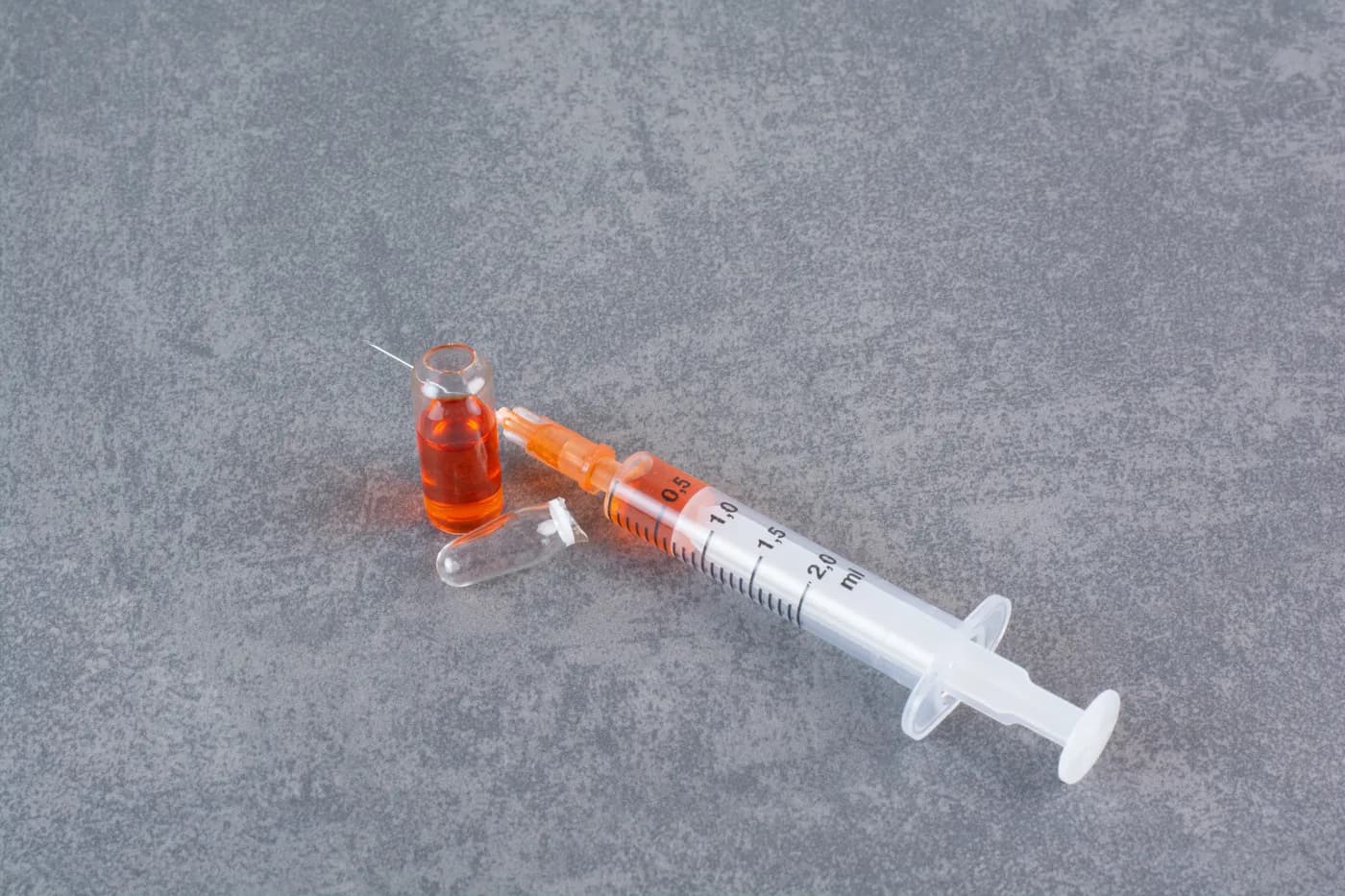
Vitamin B12 injections are prescribed when deficiency is significant, absorption is unreliable or rapid treatment is needed. Most reactions are mild and temporary, but an injection is still a medicine, not a general energy booster. Knowing which effects you can watch at home, which deserve a routine call and which need urgent care makes treatment safer without creating unnecessary fear.
Why are B12 injections prescribed?
B12 has to pass through several digestive steps before it is absorbed. Pernicious anaemia, stomach surgery and some bowel conditions can interrupt them, and a severe deficiency may need prompt correction. An injection bypasses the gut and delivers a measured dose. It should follow a diagnosis and a treatment plan rather than vague tiredness alone.
Expected reactions at the injection site
Brief pain, redness, itching or swelling where the needle went in can occur and usually settles quickly. Gentle movement and a cool compress may ease discomfort, provided your clinician has not advised otherwise. Increasing warmth, spreading redness, pus or fever is not a routine response and should be assessed for infection.
Mild whole-body effects
Some people report headache, dizziness, nausea, flushing or feeling generally unwell after an injection. These symptoms are usually short-lived, but they are not specific to B12. Note their timing and how long they last, drink fluids as normal and contact the prescriber if they are strong, keep recurring or interfere with daily activities. Hydroxocobalamin can also temporarily colour urine reddish.
Allergic reactions are uncommon but important
Hives, wheezing, swelling of the lips or throat, collapse or difficulty breathing can signal a serious allergic reaction. Seek emergency help immediately rather than waiting to see whether it passes. Afterwards, tell every healthcare professional who treats you about the reaction and, if you know it, the exact B12 product used.
Rare electrolyte concerns
Starting treatment for very severe anaemia can occasionally shift potassium levels as the body rapidly makes new blood cells. This is a clinical concern to be managed by the treating team, not a reason to take potassium supplements yourself. Weakness, marked palpitations or other unusual symptoms during intensive replacement deserve prompt contact with the team.
Hydroxocobalamin and cyanocobalamin
These are common injectable forms, and availability differs by country. Side-effect lists and dosing intervals are not identical, so use the leaflet for the product you received. Marketing claims that one form is universally "cleaner" or more natural are less useful than the clinical reason for treatment, your response and follow-up results.
Why the schedule is individual
Some courses begin with frequent doses and then move to maintenance injections. A deficiency caused by diet may eventually be managed differently from permanent malabsorption, and neurological symptoms can change both the urgency and the length of treatment. Missing or stopping doses because energy improves may allow the original problem to return before its cause has been resolved. Do not replace a prescribed injection course with food or tablets without clinical advice.
Follow-up matters
A clinician may review symptoms, blood counts and the cause of deficiency rather than relying on one B12 number. Recent injections can make serum levels look high, which is expected and is not a reason to change the schedule yourself. Numbness or balance problems may improve slowly and need continued monitoring.
Medicines and medical history
Share your regular medicines, supplements, allergies and any kidney or blood conditions before treatment. B12 is generally well tolerated, but the prescriber needs the full picture. Mention cobalt sensitivity and any earlier injection reactions. Pregnancy and breastfeeding do not automatically rule out treatment; correcting a genuine deficiency is important and should be managed with appropriate professional guidance.
Preparing for your injections
Before the first dose, ask what established the deficiency, whether absorption is impaired and what improvement to expect. Confirm the product, the loading schedule, the maintenance plan and the review date. If injections will continue indefinitely, ask who will give them and how missed appointments are handled.
On the day, wear clothing that allows easy access to the injection site. If you tend to feel faint around needles, say so and ask to lie down. Keep the product name, the clinic's contact details and your next appointment date written down. After the dose, note the injection site and any symptoms without repeatedly checking normal sensations. This makes it easier to tell a brief expected reaction from vitamin B12 injection side effects that deserve a call.
Editorial sources
Frequently Asked Questions
Related Articles
Vitamin B12 Deficiency: Causes, Symptoms, and Who’s at Risk
Vitamin B12 deficiency builds up slowly and is especially common in India due to widespread vegetarian eating patterns. See the causes, symptoms, and.

High Vitamin B12 Symptoms: What Excess B12 Looks Like
High B12 levels almost always come from supplementation or injections, not food, since it’s nearly impossible to get too much B12 from diet alone. See.


Vitamin B12 Foods Vegetarian Diets Are Often Missing — And Where to Find Them
B12 is made only by bacteria and doesn’t occur naturally in any plant food — a real gap in most vegetarian diets. See where vegetarians can reliably find.