
What to Eat After COVID Vaccination: Practical Recovery Foods
There is no special post-vaccine diet. Fluids and familiar, balanced meals are usually enough while short-lived reactions settle.
Key Takeaways
- There is no special post-vaccine diet.
- Food does not increase vaccine effectiveness or remove vaccine ingredients.
- Sip water, soup or chaas regularly, especially if you have a mild fever.
- Seek urgent care for breathing difficulty, facial or throat swelling or collapse.
There is no special post-vaccine diet. Fluids and familiar, balanced meals are usually enough; appetite may briefly fall when fever, fatigue or nausea occurs. This guide examines food and fluids after vaccination with practical context and without exaggerated promises.
A practical introduction to food and fluids after vaccination
Food does not increase vaccine effectiveness or remove vaccine ingredients. Hydration and easy-to-tolerate meals can improve comfort while ordinary short-lived reactions settle.
Common reactions such as a sore arm, mild fever, headache, tiredness or body ache usually appear within a day or two and ease on their own. During that time the body's needs are simple: enough fluid, enough energy and some protein. A normal Indian home meal of dal, rice or roti, a vegetable sabzi and curd already covers this well.
How strong is the evidence for food and fluids after vaccination?
There are no good-quality human studies showing that any particular food, drink or spice reduces vaccine side effects or improves the immune response to a COVID vaccine. Advice from public health bodies focuses on rest, fluids and general after-care, not on special recipes.
Messages that circulate on social media often promote turmeric milk, kadha, vitamin tablets or "immunity" drinks after vaccination. These can be part of a normal diet if you enjoy them and tolerate them, but they are not a treatment, and large amounts of herbal decoctions or supplements can upset the stomach or interact with medicines.
Practical hydration choices involving food and fluids after vaccination
- Sip water, soup or oral fluids regularly.
- Choose khichdi, curd rice, toast or fruit if appetite is low.
- Include protein through dal, curd, eggs, tofu or paneer.
- Avoid using alcohol or unproven detox products as recovery treatments.
If you have a mild fever, you lose a little more water through sweating, so keep a bottle nearby and drink according to thirst. Pale yellow urine is a simple sign that intake is adequate. Nimbu pani with little sugar, chaas, clear vegetable soup or dal water are gentle options when plain water feels boring.
Quantity, timing and preparation
Small, frequent meals are often easier than two large ones when you feel tired or slightly nauseous. Soft, warm foods such as moong dal khichdi, vegetable upma, idli or curd rice are easy to digest and need little effort to prepare.
Packaged drinks and juices can add a lot of sugar or salt, so check the label, particularly if you have diabetes or high blood pressure. Homemade drinks and cooked food need clean utensils, safe water and refrigeration; anything left at room temperature for hours should be discarded.
When food and fluids after vaccination may not be suitable
Seek urgent care for breathing difficulty, facial or throat swelling, collapse or other signs of a severe allergic reaction. Contact a clinician for severe, unusual or persistent symptoms.
People on fluid restriction for heart or kidney conditions should not push extra fluids without advice. Those with diabetes should keep regular meals and monitor sugar as usual, because skipping food while feeling unwell can cause low readings in people on certain medicines. Anyone with a known food allergy should avoid that food as always; the vaccine does not change this.
Eating comfortably after vaccination
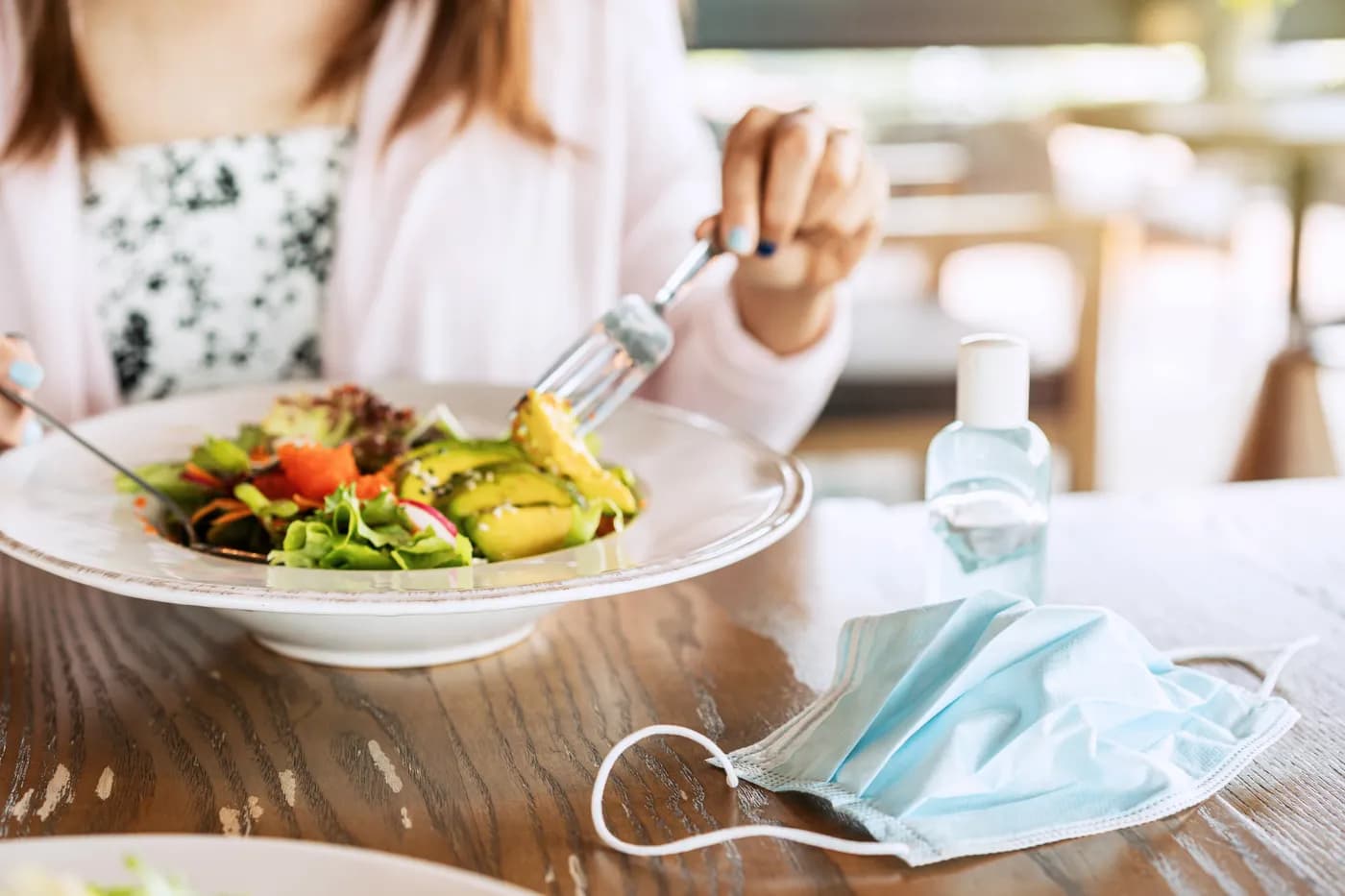
After a COVID vaccination, eat according to your appetite rather than following a special recovery diet. If you feel well, your usual meals are appropriate. If fever, tiredness or nausea reduces your appetite, choose smaller portions of familiar foods such as khichdi, curd rice, toast, fruit, dal soup or lightly cooked vegetables. These foods do not change how the vaccine works; they simply make it easier to stay nourished while common short-term effects settle.
Fluids, protein and simple meals
Drink water regularly, especially if you have a mild fever or live in hot weather. Coconut water, chaas or soup can add variety, but none is compulsory. Include a practical protein source such as dal, curd, paneer, tofu or eggs if you eat them. There is no need to force a large meal, take vitamin megadoses or buy a "detox" drink. Alcohol may worsen dehydration or make it harder to judge symptoms, so it is sensible to limit it while you feel unwell.
Planning the first day
If appetite is normal, there is no reason to avoid familiar spices, dairy, fruit or cooked meals after the injection. Plan something easy before the appointment so tiredness does not lead to skipping food. A banana with curd, dal-rice, vegetable poha or soup with toast can all work. What to eat after COVID vaccination should be guided by comfort, normal dietary needs and any condition-specific advice. It should not involve fasting, excessive supplements or forcing fluids beyond thirst.
When food is not the answer
Food cannot prevent every vaccine reaction. Rest and follow the after-care advice given at the vaccination centre. Seek urgent help for breathing difficulty, swelling of the face or throat, fainting or other signs of a severe allergic reaction. Contact a clinician if symptoms are severe, unusual, worsening or last longer than expected. People with diabetes, kidney disease, severe allergies or another prescribed diet should continue their usual medical plan unless their clinician advises a change.
A practical takeaway
The simplest answer to what to eat after COVID vaccination is also the most useful: drink enough fluid, eat familiar balanced meals and adjust texture and portion to your appetite. Choose comfort and convenience rather than chasing a food that promises faster recovery. If you cannot keep fluids down, feel increasingly unwell or are unsure whether a symptom is expected, medical advice matters more than another dietary experiment.
Editorial sources
Frequently Asked Questions
Related Articles

Foods During COVID Recovery: What to Eat and Safety Tips
Simple food and fluid ideas during COVID recovery, with protein-rich meals, appetite tips and signs that need medical care.


Vegetarian protein: needs, myths and meal planning
Vegetarian meals can provide enough protein. Learn practical needs, simple Indian food sources, common myths and an easy meal-planning method.

High-Fibre Foods: Simple Indian Meal Ideas
Find high-fibre Indian foods, easy meal ideas, gradual intake tips and practical advice for constipation and daily health.