
Zucchini Benefits: Nutrition, Portions and Cooking Ideas
Zucchini is a water-rich summer squash that provides some fibre, vitamin C and potassium.
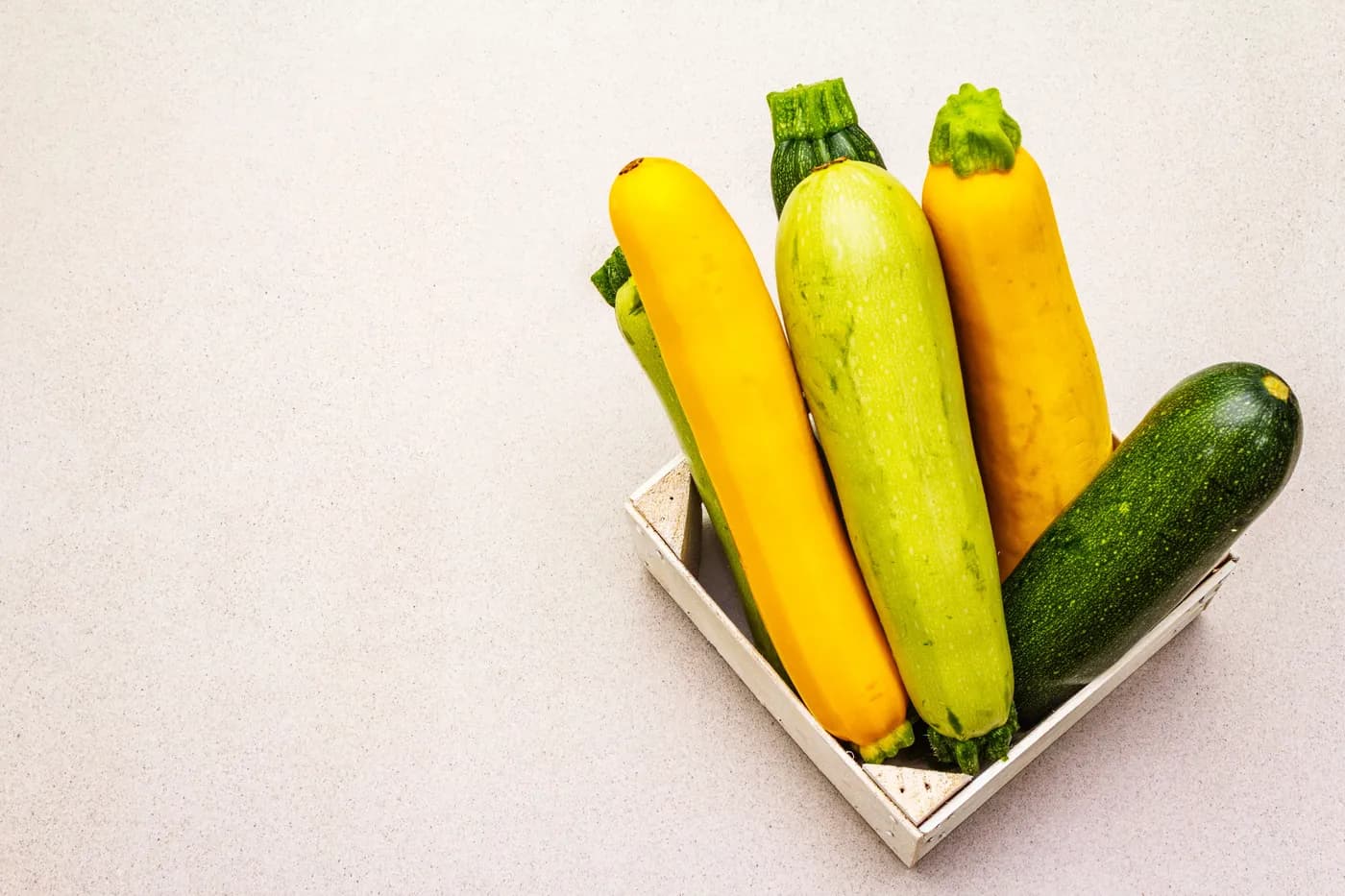
Key Takeaways
- Zucchini is a water-rich summer squash that provides some fibre, vitamin C and potassium.
- Adding zucchini can increase vegetable variety and meal volume.
- Discard intensely bitter zucchini; high cucurbitacin levels can cause severe digestive symptoms.
- Zucchini does not burn fat or detox the body, but it adds volume, colour and variety.
Zucchini is a water-rich summer squash that provides some fibre, vitamin C and potassium. Its mild flavour makes it easy to combine with pulses, grains and other vegetables. This guide examines zucchini benefits with practical context and without exaggerated promises.
A practical introduction to zucchini
Adding zucchini can increase vegetable variety and meal volume. It does not have unique fat-burning, detox or disease-curing properties. Before applying the result, confirm that the studied form of zucchini benefits resembles the version used in daily life.
How strong is the evidence for zucchini?
Evidence for zucchini is most convincing when independent human studies examine the same preparation and reach similar conclusions. Small trials can be informative without being final. When methods or results differ, uncertainty should be stated plainly rather than hidden behind words such as proven or clinically tested.
A useful question is what role zucchini benefits could realistically play. For a food, that may mean contributing nutrients or replacing a less suitable choice. For a product or remedy, it means defining the intended outcome before use. Neither situation supports a promise to prevent, cure or reverse disease.
Simple serving ideas for zucchini
- Sauté with garlic and chickpeas.
- Add to soup, pasta or mixed sabzi.
- Grill with a measured amount of oil.
- Use spiralised zucchini with, not necessarily instead of, a balanced meal.
Keep the use of zucchini benefits simple enough to evaluate. A modest starting point makes it easier to notice digestive, skin, sleep or energy changes without confusing them with several new habits. Stop and reassess if the choice displaces balanced meals or creates persistent symptoms.
How preparation changes zucchini
With zucchini benefits, portion and pairing matter more than a rigid spoon or cup rule. Combining it with vegetables, pulses, dairy, eggs or another appropriate protein can make a more complete meal. Check packaged versions for salt, sugar and allergens instead of relying on front-label claims.
Important limits to remember
Wash before cutting. Bitter-tasting zucchini should be discarded because unusual bitterness can indicate high cucurbitacin levels and may cause severe digestive symptoms.
Keep expectations for zucchini proportional to the evidence. People taking regular medicines or preparing for surgery should disclose supplements and herbal products. Children and pets also need protection from concentrated products and accidental ingestion.
Making zucchini useful in everyday cooking
Zucchini has a mild taste and cooks quickly, which makes it easy to add to mixed sabzi, soup, pasta, omelettes or chickpea dishes. It contributes water, some fibre and useful micronutrients without dominating the meal. Keep the peel when you enjoy it; it is edible and saves preparation time. A serving does not need to be measured precisely—use enough to increase vegetable variety while leaving room for protein and a suitable grain or starch.
Cooking without turning it soggy
Cut pieces to a similar size and avoid overcrowding the pan. Quick sautéing, grilling or roasting helps preserve texture. Salt draws out water, so adding it later can be useful when you want browning. Zucchini noodles can add vegetables to a meal, but they do not have to replace pasta completely; combining both may be more satisfying and nutritionally balanced.
The unusual bitterness warning
Normal zucchini tastes mild. If it is intensely or unpleasantly bitter, spit it out and discard the dish. Rarely, unusually high levels of natural compounds called cucurbitacins can cause severe stomach pain, vomiting or diarrhoea, and cooking may not remove them. Seek medical help if significant symptoms develop after eating very bitter squash.
Where zucchini fits
Zucchini benefits are straightforward: it can add volume, colour and variety to meals. It does not burn fat, detox the body or have unique disease-preventing powers. Wash it before cutting, refrigerate it appropriately and use a cooking method you enjoy. A vegetable that appears regularly in satisfying meals is more useful than one eaten only because it has been given a superfood label.
Buying and storing zucchini
Choose firm zucchini with unbroken skin and no soft, wet patches. Smaller and medium vegetables are often tender, although size alone does not determine quality. Keep them dry in the refrigerator and wash only before use. Cut zucchini should be covered and chilled. Frozen zucchini can work in soups or sauces where a softer texture is acceptable. These simple choices help preserve quality and make zucchini benefits easier to include without waste. Flowers are also edible when sourced safely, but they spoil quickly and are often cooked stuffed or lightly sautéed. As with other vegetables, discard zucchini that is mouldy, slimy or badly damaged.
Nutrition without overclaiming
Zucchini is low in energy because much of its weight is water, but a low-energy vegetable does not cause weight loss on its own. Cooking oil, cheese, sauces and the rest of the meal can change energy content considerably. Zucchini benefits may include helping someone add another vegetable or make a dish more filling, especially when paired with pulses or protein. It is not nutritionally identical to noodles or grains, so a complete swap may leave some meals less satisfying. The most useful zucchini benefits come from flexible recipes that support overall meal quality rather than strict substitution.
Use seasonal produce where practical.
Editorial sources
Frequently Asked Questions
Related Articles
Asparagus Benefits: Nutrition, Portions and Safety
Asparagus is a green or white spear vegetable that provides fibre, folate, vitamin K and other micronutrients with relatively little energy.


Vegetarian protein: needs, myths and meal planning
Vegetarian meals can provide enough protein. Learn practical needs, simple Indian food sources, common myths and an easy meal-planning method.

High-Fibre Foods: Simple Indian Meal Ideas
Find high-fibre Indian foods, easy meal ideas, gradual intake tips and practical advice for constipation and daily health.