
BPA in Food Containers: Practical Choices Without the Panic
BPA is used in certain food-contact materials. Learn what the evidence means and make practical choices about containers, heat, cans and everyday storage.

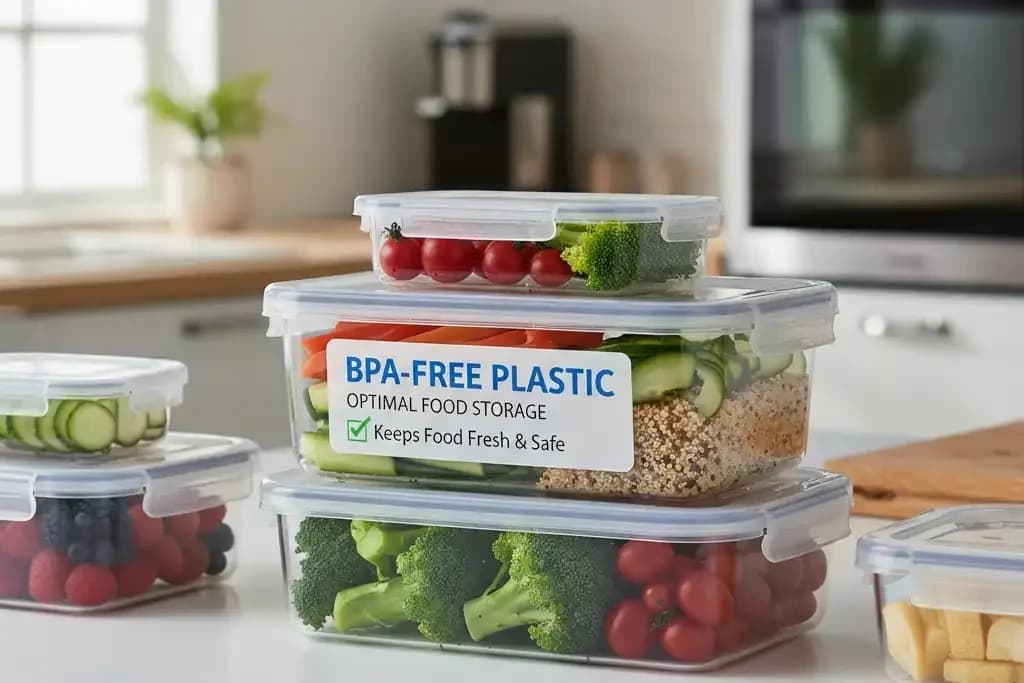
Key Takeaways
- BPA can move from some materials into food.
- How you use containers matters most.
- Glass and steel are useful options.
- BPA-free does not guarantee every concern is gone.
A lunch box, a steel food tin with an inner lining and an old reusable bottle can all prompt the same question: does this contain BPA? The answer is not visible from the colour or shape. BPA is used in some plastics and resins, and small amounts can move from certain food-contact materials into food or drink.
That makes it a legitimate food-safety topic. It does not mean every plastic container is dangerous or that a single takeaway meal has damaged your hormones. A few sensible choices can reduce avoidable exposure without turning an ordinary kitchen into a source of anxiety.
What is BPA?
BPA stands for bisphenol A, a chemical used to make certain materials, including polycarbonate plastic and some epoxy resins. These materials have been used in rigid containers and protective linings, including some coatings inside food cans.
Not every plastic uses BPA. Glass and stainless-steel food-contact surfaces are different materials, and many plastics are made through other processes. Calling all packaging BPA-containing creates confusion and makes useful choices harder.
Why scientists study it
BPA can interact with hormone-related biological pathways. Research has also examined effects on the immune system and other health outcomes. Questions include what effects occur at low doses, which studies should carry the most weight and how to assess long-term exposure.
Human studies sometimes find associations between BPA measurements and health conditions. An association alone cannot prove that BPA caused an individual person’s illness. At the same time, uncertainty is not a reason to ignore good experimental evidence or regulatory assessment.
Why official advice can sound different
Regulators have reached different conclusions. The US Food and Drug Administration states that available evidence supports the safety of BPA for currently approved food-container and packaging uses.
In the European Union, the European Commission adopted a ban on BPA in food-contact materials in December 2024 after an updated European Food Safety Authority assessment, including concerns about immune effects. The change includes transition arrangements and limited exceptions rather than every existing item disappearing at once.
These are jurisdiction-specific decisions. A European announcement does not establish what every product sold in India contains or what Indian law says about it. The disagreement is a reason to describe evidence and rules accurately, rather than claim there is one worldwide ban or universal assurance.
Start with how you use containers
A container should be suitable for the food, temperature and method of use. A box intended for cool storage is not automatically suitable for microwaving, and a disposable takeaway tub may not be designed for repeated heating.
For daily routines, useful steps include:
- Transfer food to a suitable glass or ceramic dish before microwaving if the original container is not intended for it.
- Use food-grade containers designed for the temperatures involved.
- Replace containers that are cracked, badly scratched or otherwise deteriorating.
- Avoid keeping drinking water in bottles exposed to strong heat, such as in a parked car.
Glass and steel are useful options
A stainless-steel dabba can be a practical choice for carrying lunch. Suitable glass containers work well for storing and reheating food, although they are heavier and need care to avoid breakage or thermal shock.
You do not have to replace every item in the kitchen immediately. When a container wears out, choose a durable replacement suited to the way you actually use it. For someone who reheats lunch daily, that may be a microwave-suitable glass dish; for travel, a robust steel container may work better.
Steel containers should not go into an ordinary microwave. Glass also needs to be labelled or otherwise established as suitable for the intended heat. Choosing a different material still involves using it correctly.
What does BPA-free tell you?
A BPA-free claim addresses BPA. It does not tell you that a product contains no other chemicals, is suitable for all temperatures or will last indefinitely. Some substitute materials use other bisphenols, and their safety needs its own assessment.
Recycling symbols are also limited. Code 7 covers a mixed category of plastics; it does not confirm that every item contains BPA. A symbol is not a home test for chemical migration.
Do you need to stop eating canned food?
Not automatically. Canned beans, tomatoes and other foods can make nutritious meals affordable and convenient. Avoiding them without a workable alternative may make a diet less varied or cooking more difficult.
If you want to reduce reliance on cans, use dried pulses when you have time, or choose suitable alternatives where available. There is no need to discard useful food solely because its lining is unknown.
Once a can is opened, refrigerate leftovers promptly in a suitable clean container. Reject bulging, leaking or badly damaged cans for food-safety reasons. Those precautions concern the condition and storage of the food as well as its packaging.
Be especially practical with infant feeding
Use bottles and feeding equipment intended for infants, and replace damaged items. Follow the manufacturer’s cleaning and sterilisation instructions and the feeding guidance you have been given.
Do not skip necessary sterilisation or safe formula preparation because you are worried about heating. Infection prevention remains essential. Questions about a particular bottle are best answered using information for that product, rather than a broad claim that all heated plastic behaves alike.
Skip the detox promises
An ordinary encounter with food packaging is not a reason to buy a cleanse or arrange hormone tests on your own. A single BPA measurement does not straightforwardly diagnose illness or tell you which lunch box caused an exposure.
Spend the effort on a manageable habit instead: use the right container for hot food, keep equipment in good condition and choose a durable replacement when needed. Those decisions are useful without requiring certainty about every item you have ever used.
Editorial sources
Frequently Asked Questions
Related Articles
What to Eat After Food Poisoning: A Recovery Diet Guide
What you eat after food poisoning can decide whether recovery is smooth or slow. See how to rebuild gradually and safely, starting with the first 24 hours.

Dal chawal with ghee: a balanced Indian lunch
Dal chawal becomes a more complete meal with a small spoon of ghee added after cooking, plus a side of sabzi and salad. See how to balance the plate.
Drinking Water: How to Make Hydration Fit Your Day
A flexible guide to hydration that accounts for your routine, weather and health.
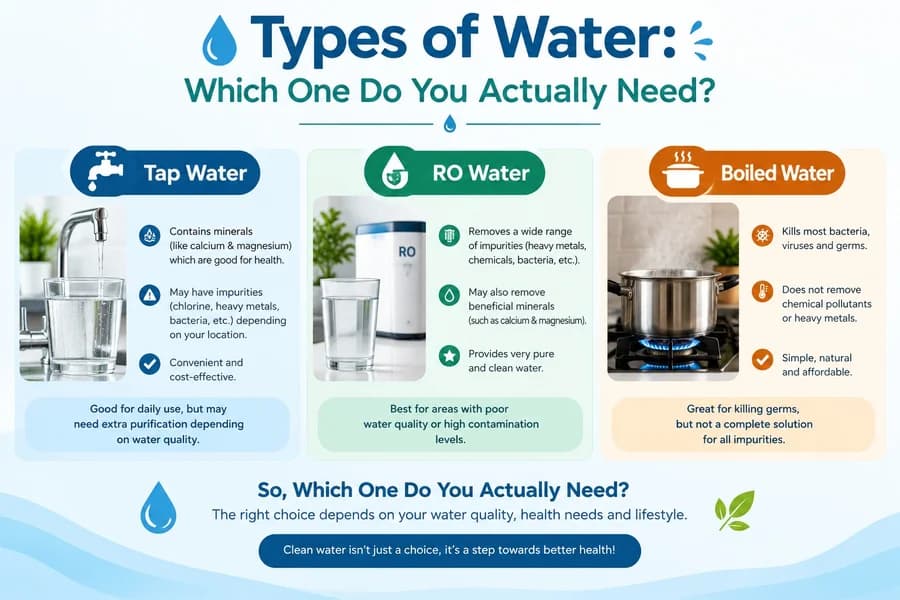
Types of Water: Which One Do You Actually Need?
Choose safe everyday water by its source and treatment needs, without paying extra for unsupported hydration or detox claims.
