
An Immunity Booster for COVID? What Actually Helps
Support normal nutrition without relying on an immunity product to prevent COVID. Learn practical prevention, recovery and early-care priorities.

Key Takeaways
- No food or supplement creates a shield against COVID.
- Adequate nutrition supports normal immune function.
- Reducing exposure and early care matter more.
- Natural products can have side effects.
When COVID is circulating or someone at home becomes ill, an immunity booster can sound reassuring. But no vitamin drink, herbal tablet or food reliably creates a protective shield against the virus. Adequate nutrition supports normal immune function; taking more than you need is a different claim. The most useful response combines ordinary nourishment with measures that reduce exposure and timely care when illness risk is high.
Immunity is not a single score to increase
The immune system uses many coordinated processes. Nutrients are needed for normal function, and a deficiency can impair health. That does not mean a large dose improves protection in someone who already obtains enough.
A product described as boosting immunity may not identify which outcome was tested. Fewer infections, milder illness and a change in a laboratory marker are different results.
Ask what the claim actually promises before giving it weight. You do not need a special product to prove that you are taking prevention seriously. A familiar food or supplement cannot substitute for evidence about the infection itself.
What about vitamin C, vitamin D and zinc?
These nutrients have normal roles in the body, but studies do not establish routine high-dose supplementation as a dependable way to prevent or treat COVID. Findings have varied, and treating a deficiency is different from treating the infection.
Vitamin C-rich foods such as guava, citrus and vegetables can be part of ordinary meals. Vitamin D or zinc may be prescribed for a specific reason, but that does not make them an antiviral treatment.
Avoid adding several high-dose products because each mentions immunity. Excess zinc can cause problems including copper deficiency, while too much vitamin D can be harmful. More tablets can increase adverse effects without supplying the protection you hoped for.
Keep food manageable when you are well
Regular meals with enough overall food are more useful than a small collection of immunity ingredients. Include protein foods, vegetables, fruit and suitable staples across the day.
For a vegetarian household, pulses, beans, soy, milk or curd can help meet protein needs according to preference. Rotate familiar foods rather than trying to eat every advertised immune food at once.
Ginger, turmeric, garlic and other seasonings can remain in cooking because you like them. You do not need concentrated daily shots or a very strong kadha. A warm drink may feel soothing without being described as a treatment that kills the virus.
If appetite falls during illness
Aim for enough food and fluid in forms you can manage. Smaller meals may be easier than a full plate when you feel tired or nauseous.
Try a soft meal with a substantial pulse or other protein component, or choose curd, a soup with beans, or another familiar food you tolerate. There is no requirement to survive on juice and plain rice.
If swallowing, breathing or repeated vomiting makes eating difficult, the problem needs attention rather than a new supplement. People with diabetes or a prescribed fluid restriction may also need their usual illness plan. A general nutrition article cannot replace that individual plan.
Reduce exposure with measures that have a clear job
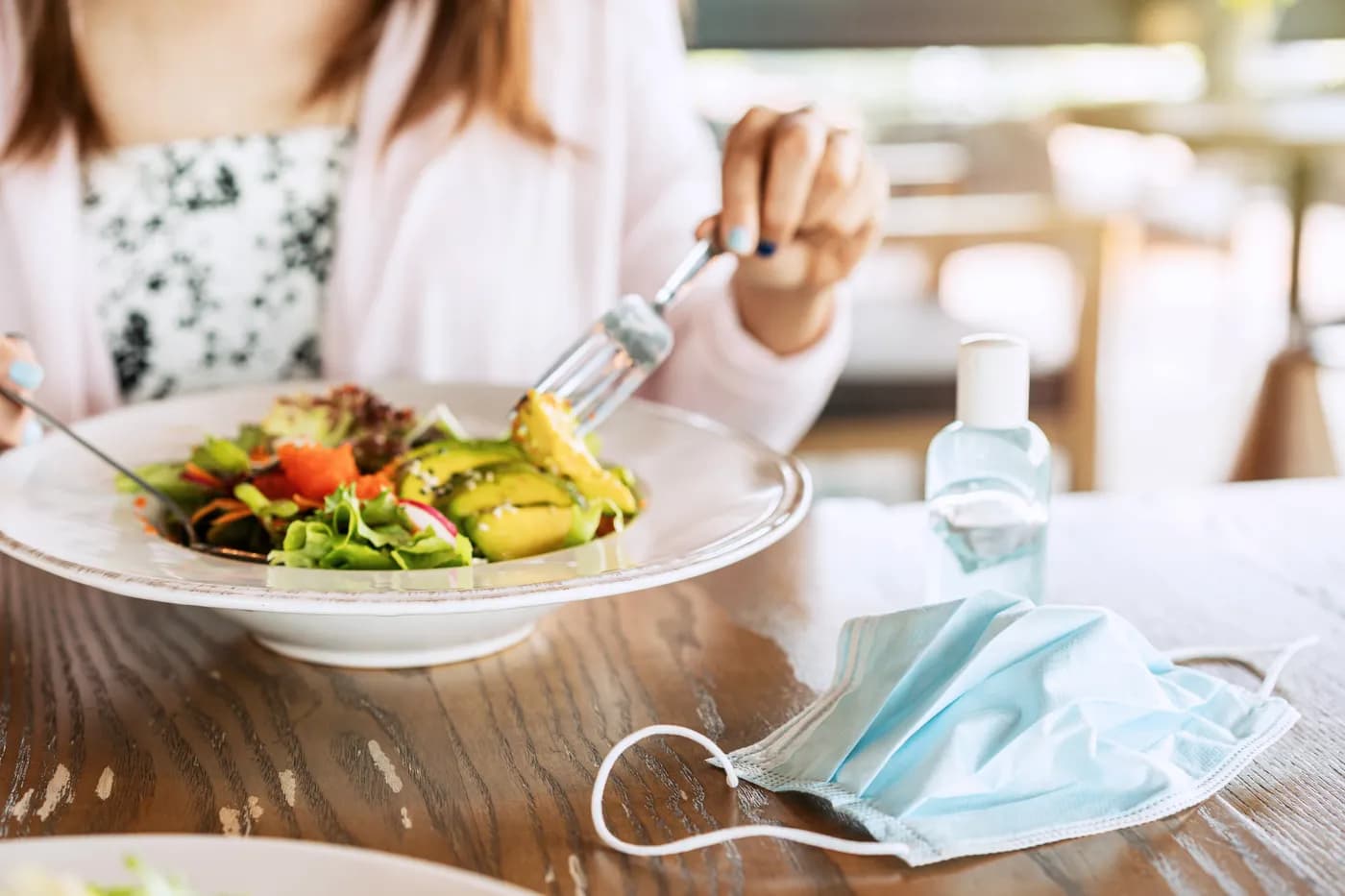
Cleaner indoor air, ventilation and a well-fitting mask in relevant crowded or poorly ventilated settings can reduce exposure. Avoid close contact with others when you are unwell and follow applicable local public-health advice.
Vaccination decisions should follow current guidance for your location and health situation. Its role is different from a food supplement, particularly in reducing the risk of severe outcomes.
Hand hygiene and respiratory etiquette remain useful too. These measures do not promise perfect protection, but they address routes of infection. Buying an immunity powder does not perform the same job as improving air in a shared room or limiting contact while symptomatic.
Higher-risk illness needs early attention
Older age, immune suppression and certain chronic conditions can increase the risk of severe COVID. If that applies to you and symptoms begin, contact a treating clinician promptly even when the illness initially seems mild.
Some antiviral treatments need to start within the first few days; commonly used treatment windows are five to seven days from symptom onset, depending on the medicine. Suitability and availability vary.
Do not spend that window waiting to see whether a supplement helps. The decision may involve testing, medicine interactions and kidney or liver function. This is a concrete reason for early care, rather than a general instruction to seek permission before every food choice.
Know when the concern is urgent
Breathing difficulty, persistent chest pain, new confusion, inability to stay awake or a marked deterioration needs urgent medical help. Do not manage those symptoms with steam, a vitamin drink or another home remedy.
A home oxygen reading can be useful when advised, but symptoms matter too. Do not let a reassuring-looking device number override significant breathing difficulty or a worsening condition.
If someone cannot keep fluids down, is passing very little urine or seems unusually drowsy, they may also need prompt assessment. Practical support includes arranging care and transport, not only preparing another drink.
Natural products can have side effects
Herbal mixtures, concentrated extracts and multiple supplements can interact with regular medicines or cause harm. Liver problems have occurred with some products marketed for general wellness.
Keep normal food use separate from medicinal doses. Turmeric in a meal is not the same exposure as a concentrated multi-ingredient capsule.
Do not start antibiotics, steroids or other prescription medicines on your own for a presumed viral infection. They have specific uses and risks. A treatment that helped someone else in hospital may be inappropriate for mild illness at home. The goal is the right care for the situation, not the longest list of products.
Recovery does not need a stronger booster
Return to activity according to how you feel and any medical advice, rather than forcing a demanding routine while still unwell. Rest, adequate food and gradual recovery can remain simple.
Persistent or new symptoms after the initial illness deserve assessment when they interfere with daily life or are concerning. A more expensive supplement is not a dependable answer to prolonged fatigue.
There is no need to build your cupboard around an immunity promise. Spend effort on meals you can manage, sensible prevention and early care when indicated. Those actions have clearer purposes than trying to raise an undefined immunity score.
Editorial sources
Frequently Asked Questions
Related Articles

Foods During COVID Recovery: What to Eat and Safety Tips
Simple food and fluid ideas during COVID recovery, with protein-rich meals, appetite tips and signs that need medical care.

Immunity Boosting Foods: What Actually Supports Your Immune System
No single food boosts immunity beyond what your body can already do — what certain foods can supply is the vitamin C, zinc, protein, and gut support your.
How to Improve Immunity Naturally: 10 Science-Backed Ways That Work
There’s no single pill, superfood, or shortcut — immunity builds slowly through consistent sleep, movement, nutrition, and stress management working.

Vitamin C Benefits: Immunity, Skin, Antioxidants & Sources
Vitamin C strengthens immunity, builds collagen for skin and joints, and improves how well you absorb iron from plant foods. See its full benefits and.