
Best Cardio for Fat Loss: Exercises, Tips & What Actually Works
HIIT, brisk walking, jump rope, and cycling are among the most effective formats — each suited to different fitness levels and schedules. See what actually works, and how to build a routine you can sustain.
Key Takeaways
- HIIT, brisk walking, jump rope, and cycling top the list of effective fat-loss cardio.
- Consistent aerobic work can gradually reduce visceral fat around the organs over months.
- Cardio complements strength training rather than competing with it for fat loss.
- Most effective moves – jumping jacks, mountain climbers, skipping – need no equipment.
- Regular cardio supports better sleep, which directly affects hunger and fat-storage hormones.
- The best cardio for fat loss is simply the one you can do consistently, not a special type.
The best cardio for fat loss combines consistency, progressive intensity, and the right mix of workout formats. HIIT, brisk walking, jump rope, and cycling are among the most effective options — each suited to different fitness levels, schedules, and goals. The key is building a structured routine you can sustain for weeks, not just days.
If you've been searching for the best cardio for fat loss, you've probably noticed the advice is everywhere — and often contradictory. HIIT or steady-state? Morning or evening? Treadmill or bodyweight? The truth is, the most effective cardio is the one you can do consistently, paired with a plan that challenges your body progressively over time. This guide cuts through the noise and gives you a clear, practical starting point — whether you're working out at home or just getting back into a routine.
8 Benefits of Cardio for Fat Loss
- Burns Calories Efficiently Cardio raises your heart rate and keeps energy expenditure elevated during and shortly after your session. Even moderate-intensity sessions contribute meaningfully to your weekly calorie burn when done consistently.
- Supports a Healthy Metabolism Regular cardio helps maintain metabolic rate, especially when combined with strength work. It signals your body to keep burning fuel efficiently rather than adapting to conserve energy.
- Reduces Visceral Fat Over Time Consistent aerobic exercise — done over weeks and months — may gradually help reduce the deeper abdominal fat that surrounds organs. This is one of the most health-relevant benefits of regular cardio practice.
- Improves Cardiovascular Endurance As your heart and lungs grow stronger, you can sustain longer and more intense sessions. This means more total work done per session, which compounds your fat-loss efforts over time.
- Elevates Mood and Reduces Stress Cardio triggers endorphin release, which may gradually ease stress-related eating patterns. Managing cortisol through movement is an often-overlooked piece of the fat-loss puzzle.
- Improves Sleep Quality Regular aerobic activity supports better sleep cycles. Quality sleep is directly tied to hormonal balance — including the hormones that regulate hunger and fat storage.
- Complements Strength Training Cardio and resistance work are not opponents. When structured well, cardio preserves the cardiovascular base while strength training builds the lean muscle that raises your resting metabolic rate.
- Accessible Without Equipment Most effective cardio modalities — jumping jacks, mountain climbers, brisk walking, skipping — need little to no equipment. This makes fat-loss cardio genuinely achievable at home.
How to Get Started with Cardio for Fat Loss
What You Need to Begin
For home-based cardio, you need almost nothing — a cleared floor space, comfortable footwear, and a water bottle. If you want to add variety, a resistance band or skipping rope is a low-cost upgrade. The goal is to remove every possible barrier between you and the first session.
Setting Realistic Goals
Aim for 3–4 cardio sessions per week to start. Each session can be as short as 20 minutes. The priority in the first month is consistency, not intensity — showing up regularly does more for fat loss than one brutal session followed by five days of soreness.
Avoid the trap of doing too much too soon. Overtraining early leads to fatigue, joint stress, and a high dropout rate. Progressive overload applies to cardio just as it does to lifting.
Start with the Basics
Begin with steady-state cardio at a moderate pace — brisk walking, light jogging, or cycling. Once you can sustain 20–25 minutes without stopping, gradually introduce higher-intensity intervals. This approach builds aerobic capacity while keeping injury risk low. For a structured framework that pairs cardio with resistance work from day one, the cardio and strength training workout plan at Habuild offers a well-sequenced starting point.
Best Cardio Exercises for Fat Loss
HIIT (High-Intensity Interval Training)
HIIT alternates short bursts of maximum effort with brief recovery periods. A typical structure: 30 seconds of work, 20 seconds of rest, repeated for 15–20 minutes. It creates an afterburn effect — your metabolism stays elevated for hours post-workout. Suitable for intermediate to advanced beginners.
Sample round: Jump squats → Push-ups → High knees → Rest. Repeat 4–6 times.
Brisk Walking
Underrated and enormously effective. A 45-minute brisk walk at 5–6 km/h burns a meaningful number of calories with near-zero injury risk. It's also easy to sustain daily, making total weekly volume high — which matters more than any single intense session.
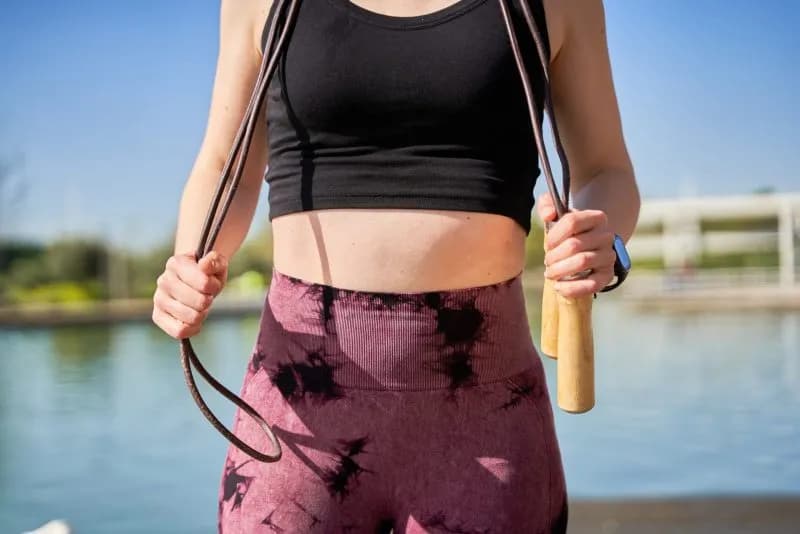
Jump Rope (Skipping)
One of the highest calorie-burn-per-minute activities you can do at home. Even 10–15 minutes of skipping — broken into intervals — delivers a significant cardiovascular stimulus. Start with 30-second sets and rest between them.
Mountain Climbers
A bodyweight staple that combines core engagement with cardiovascular demand. Perform 3 sets of 30–45 seconds. Keep hips level and drive knees toward the chest with control rather than speed initially.
Cycling (Stationary or Outdoor)
Low-impact and joint-friendly — especially valuable for anyone with knee or hip sensitivity. Steady cycling for 30–40 minutes, or interval cycling (fast 30s, slow 60s), both work well for fat loss when done consistently.
Burpees
A full-body movement that spikes heart rate quickly. From standing, drop to a push-up position, perform a push-up, jump feet forward, then explosively jump up. Aim for 3–4 sets of 8–12 reps. Modify by removing the jump or push-up if needed.
Stair Climbing
If you have access to stairs at home or outdoors, use them. Stair climbing builds lower-body strength while keeping heart rate in a fat-burning zone. Even 15–20 minutes daily adds up significantly over a week.
Common Mistakes to Avoid
- Poor Form Rushing through movements to chase intensity is one of the fastest paths to injury. In HIIT and bodyweight cardio especially, form degrades under fatigue. Slow down, prioritize mechanics, and increase intensity only once movement quality is solid.
- Skipping the Warm-Up Jumping straight into high-intensity cardio with cold muscles increases injury risk and reduces session quality. Spend 5 minutes with light movement — arm circles, leg swings, slow marching — before pushing the pace. This is non-negotiable.
- Overtraining More cardio is not always better. Doing intense sessions every single day without rest days prevents recovery, can spike cortisol, and may actually slow fat loss. Build in at least 2 rest or active-recovery days per week.
- Relying on Cardio Alone Cardio burns calories during the session, but it doesn't build the lean muscle tissue that elevates your resting metabolic rate. Pairing cardio with strength training for muscle strength produces significantly better long-term fat-loss outcomes than cardio alone.
Who Should Try Cardio for Fat Loss?
- Beginners Cardio is one of the lowest-barrier entry points into a fitness routine. Brisk walking, light cycling, or simple home circuits require no equipment, no gym membership, and no prior experience. Start with 3 sessions a week and build from there.
- Women Women often benefit from combining moderate cardio with resistance work — the latter counters the muscle-loss risk that can accompany high cardio volumes. Steady-state cardio supports hormonal health and cardiovascular fitness without the bulk myth that sometimes deters women from strength work.
- Older Adults Low-impact cardio options — walking, cycling, swimming — are highly suitable for adults over 50 or 60. These protect joint health while supporting cardiovascular function and healthy body composition. Consult a healthcare provider before beginning a new exercise program, particularly if you have existing conditions.
- Working Professionals Time-efficient formats like 20-minute HIIT sessions or walking meetings fit into dense schedules without requiring a gym. Cardio at home — done consistently at the same time each day — also helps establish the habit loop that makes it stick long-term.
Build Fat Loss with a Routine That Actually Works
Sustainable fat loss isn't about doing the hardest workout — it's about building a consistent, structured practice that challenges you progressively and keeps you showing up. Random cardio sessions get random results. A guided plan builds real change.
What You Get with Habuild's Strong Everyday Program:
- Daily live guided strength and cardio sessions
- Beginner to advanced progression — no guesswork
- No-equipment, home-friendly workouts
- Expert guidance to keep form correct and effort honest
- Community support that makes consistency easier
If you're ready to move beyond random workouts, explore Habuild's strength and fitness programs for women over 40 or check out the broader cardio strength training workout plan built for lasting results.
Start Your Fat Loss Journey
Related reads: Is Cardio Necessary for Fat Loss? · Best Exercises for Fat Loss at Home
HIIT, brisk walking, jump rope, and cycling all work, but the piece is right that consistency and progressive intensity matter more than which option you pick. A program that schedules that progression for you removes the guesswork of deciding, session after session, how hard to push. Strong Everyday builds that structured cardio progression into a complete training plan so your fat-loss efforts keep compounding.
Frequently Asked Questions
Related Articles
Burpees for Fat Loss: Benefits, Technique & Beginner Guide
Discover how burpees for fat loss work, key benefits, correct form, and a beginner routine. Start your free 7-day trial with Habuild today.
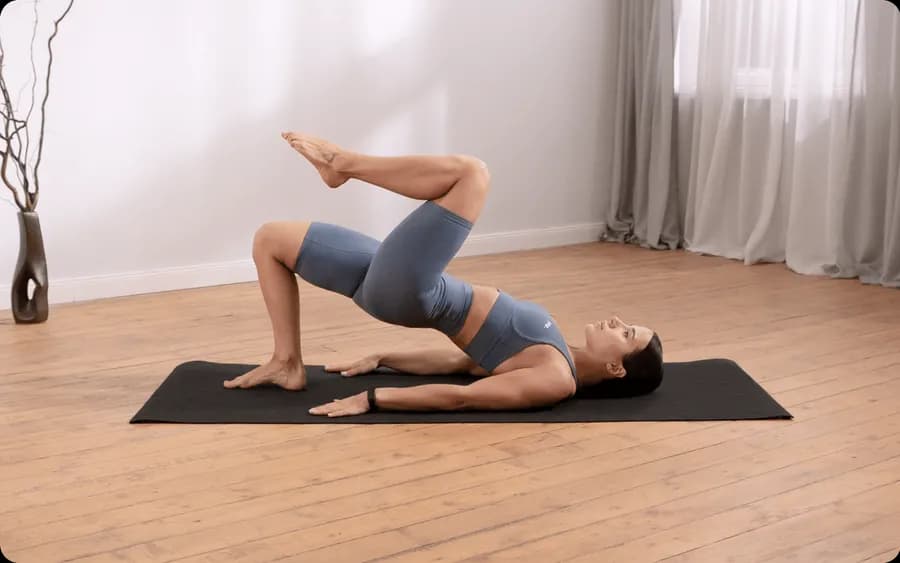
List of Cardio Exercises at Home
Jumping jacks, high knees, burpees, mountain climbers, and squat jumps need only bodyweight and a small patch of floor. See the full list and how to build a routine.
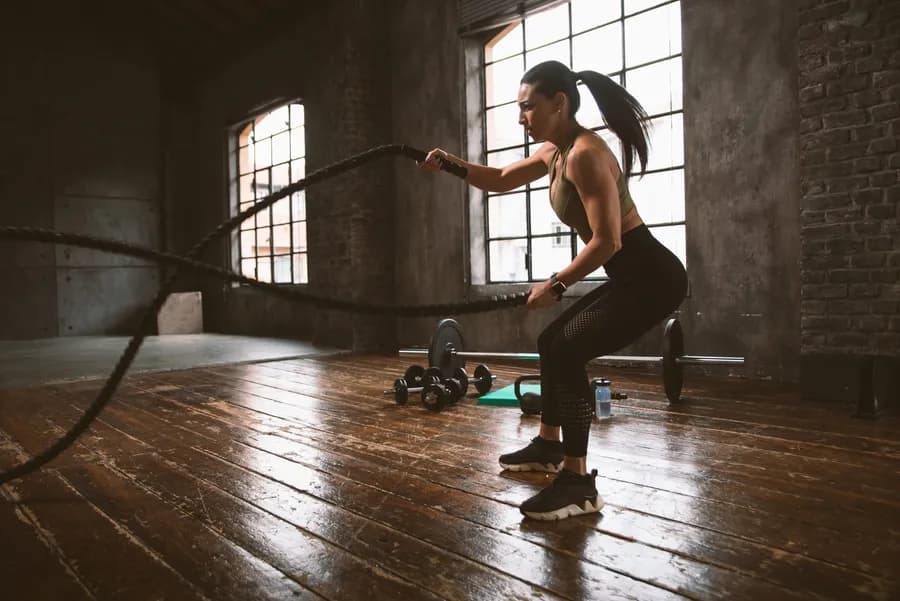
What Are HIIT Exercises? Benefits, List & How to Start
HIIT alternates intense bursts of effort with brief recovery periods — burpees, squats, mountain climbers, and high knees in a 20-30 minute session. See the benefits, list, and how to start.

Strength Exercises for Weight Loss: Benefits, Best Moves & How to Start
Discover the best strength exercises for weight loss. Build lean muscle, boost metabolism, and start a beginner-friendly routine at home. Try Habuild for 14-day free trial.
What Is the Most Calorie Burning Activity? Top Picks
Discover what is the most calorie burning activity and which exercises burn the most calories. Start your 14-day free trial trial with Habuild today.
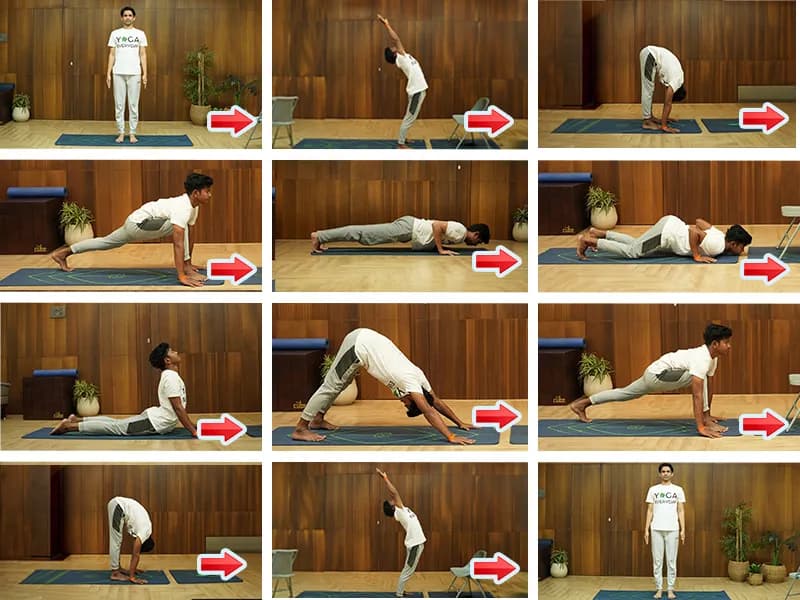
Which Exercise Burns More Calories? Top 7 Proven Picks
High-intensity running or sprint intervals torch the most calories per minute, but a smart mix of HIIT and strength training delivers the highest total daily burn. See the top 7 proven picks.