
Endomorph Body: What the Label Means for Food and Fitness
Body-type labels cannot measure your metabolism. Build food and movement habits around your real needs instead.
Key Takeaways
- Endomorph describes a physique, not a diagnosis or a metabolism test.
- Body-type labels do not justify cutting rice or all carbohydrates.
- Base food and exercise choices on your goals and health.
- Strength training helps every body type.
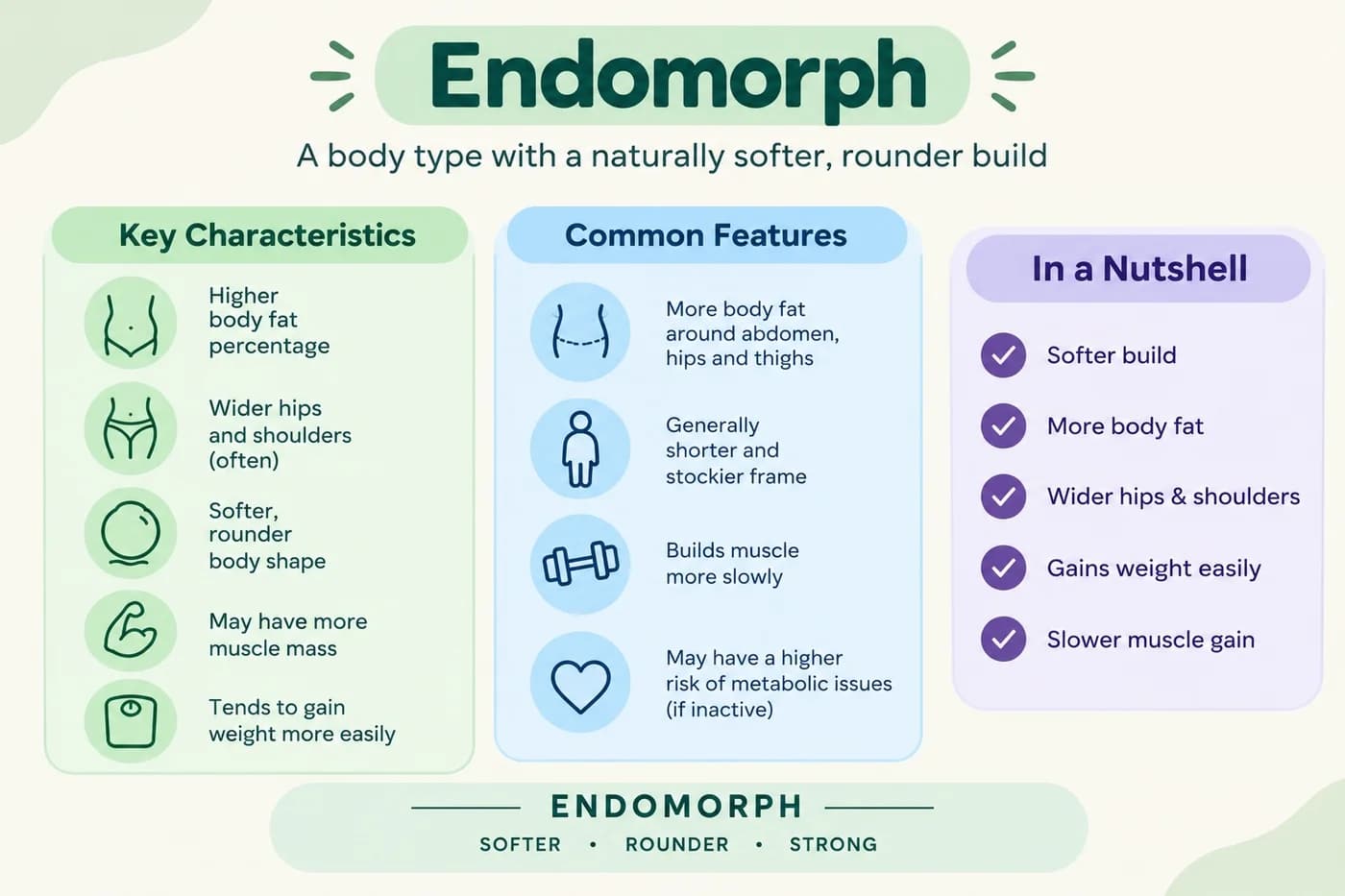
If a body-type quiz has called you an endomorph, it may also have handed you a long list of rules: avoid rice, cut carbs and do extra cardio. The label does not justify those rules. Endomorph is a broad description of physique, not a diagnosis or a test of your metabolism. Your food and exercise choices are better guided by your health, preferences, current fitness and goals.
Where the description comes from
Endomorph, mesomorph and ectomorph are terms used in somatotyping, a system for describing body build. Endomorphy broadly reflects relative fatness, mesomorphy muscularity and ectomorphy linearity. People can have a combination of these characteristics rather than fitting neatly into one box.
In popular fitness advice, endomorph often means someone with a rounder shape who appears to gain fat readily. That description cannot tell you how much energy you use, whether you have insulin resistance or how you will respond to training. A photograph or wrist measurement is not a metabolic assessment.
Body composition also changes. Muscle can increase with training, body fat can change, and age or illness can affect both. Some features of build are inherited, but the label is not a fixed instruction about what you can achieve. It should not become a reason to expect failure before you start.
The limits of a body-type diet
There is no established requirement for a special endomorph food list or a universal carbohydrate percentage. Two people with a similar shape may have different appetites, work schedules, medical histories and activity levels. Giving them an identical restrictive diet ignores those differences.
Carbohydrate foods include more than sugar and white bread. Dal, beans, fruit, oats, roti and rice all contribute carbohydrate, with different amounts of fibre and other nutrients. Removing the whole category can make meals less varied and harder to enjoy. A body-type label alone is not a reason to do that.
If you have diabetes, PCOS or another condition, a tailored plan may help. The plan should address the condition and your needs, rather than assume the diagnosis from your shape. Blood pressure, blood tests and a health history provide information that a quiz cannot.
Start with the meal you actually eat
Look at an ordinary lunch before buying a new diet plan. Is it mostly rice or roti with a little sauce? Does it include a useful amount of dal, beans, curd, tofu, eggs or another protein food? Are vegetables present? These questions suggest practical improvements without banning familiar food.
For example, keep dal chawal but serve more sabzi and enough dal to make the meal satisfying. At breakfast, add curd to besan chilla or have milk with oats. If a long gap between meals leads to repeated snacks, plan something substantial enough to bridge it. You do not need a different kitchen because of your body type.
Our everyday diet and nutrition guide offers more familiar combinations. Use portions that fit your appetite and activity, then adjust based on what happens over time. Hunger and enjoyment matter because a plan has to remain workable after the first enthusiastic week.
If fat loss is your goal

Fat loss generally involves an overall energy deficit sustained over time. That does not require starvation or cutting one nutrient completely. A modest reduction in repeated extras, such as large sweet drinks or frequent grazing, may be more manageable than dramatically shrinking every meal.
Keep protein foods and vegetables substantial while adjusting grain servings, cooking fats and snacks as needed. Avoid treating a day with sweets as a reason to skip meals the next day. Consistency across ordinary weeks is more useful than repeated strict diets followed by rebound hunger.
Body weight can fluctuate with fluid, salt, bowel contents and the menstrual cycle. A single reading is a poor judgement of progress. If tracking weight is useful to you, look at a longer trend under similar conditions. You can also notice changes in stamina, strength, clothing comfort and routine. Health improvements need not wait for a specific body shape.
Train for a stronger body
Strength training can help you build or maintain muscle and make daily tasks easier. Begin with exercises you can perform comfortably, such as supported squats, rows, wall push-ups and appropriate carries. Add difficulty gradually rather than trying to exhaust yourself immediately.
Aerobic activity matters too. Walking, cycling, dancing and other activities can support cardiovascular fitness. You do not need punishing cardio because someone classified you as an endomorph. Habuild's strength training resources can help you explore a routine suited to your starting point.
For general health, adults can work towards at least 150 minutes of moderate activity each week and muscle-strengthening activity on two days, adjusted for ability. If you are currently inactive, smaller amounts are a worthwhile beginning. Break up long sitting periods and choose activities that fit your day.
What deserves a closer look?
Unexpected weight changes, persistent fatigue or symptoms such as irregular periods may warrant assessment. The explanation could involve sleep, medicines, hormonal conditions or another issue. Calling everything an endomorph metabolism can delay a useful answer.
An interest in food and fitness can also become distressing if it leads to constant body checking, severe restriction or guilt around meals. A healthy routine should support daily life. If the label is making you feel trapped, you can stop using it without losing a useful training tool.
Choose one starting goal that you can measure by doing it: two strength sessions a week, a regular lunch or a walk most days. Keep it specific to your life. Your build can influence appearance, but it does not need to write the rules for every meal and workout.
Editorial sources
Frequently Asked Questions
Related Articles

How Fat Loss Works: A Realistic Guide to Food, Movement and Progress
Fat loss comes from a steady energy gap kept up over weeks. Learn why daily weight swings mislead and which small habits actually last.

Fat Loss Diet Plan: A Simple, Sustainable Guide to Eating Well
A good fat loss diet plan isn’t about eating less of everything — it’s about eating the right things consistently. See a simple, no-gimmicks breakdown of.

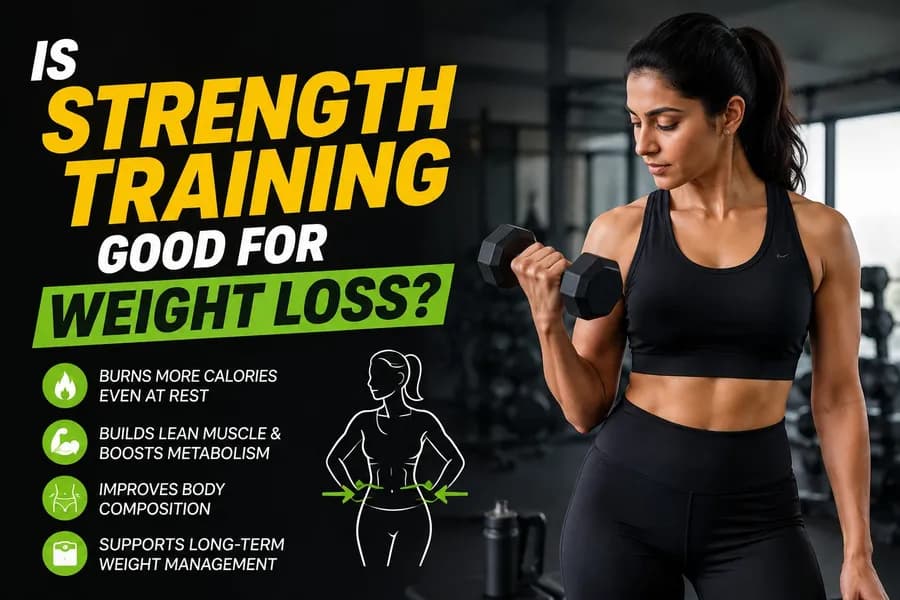
Is Strength Training Good for Weight Loss?
Strength training raises your resting metabolic rate over time, not just calories burned during the session — building lean muscle and triggering an afterburn effect. See why the evidence says yes.

Metabolism Boosting Foods: What Actually Works (and What Doesn’t)
Some foods do have a small, measurable effect on how many calories your body burns, but none of them ‘boost’ metabolism the way marketing suggests. See.