
Exercise for Pelvic Floor Men: Best Moves, Benefits & How to Start
Kegel contractions and functional core work strengthen the muscles at the base of the pelvis, which respond to training just like any other muscle group. See the best moves and how to start.
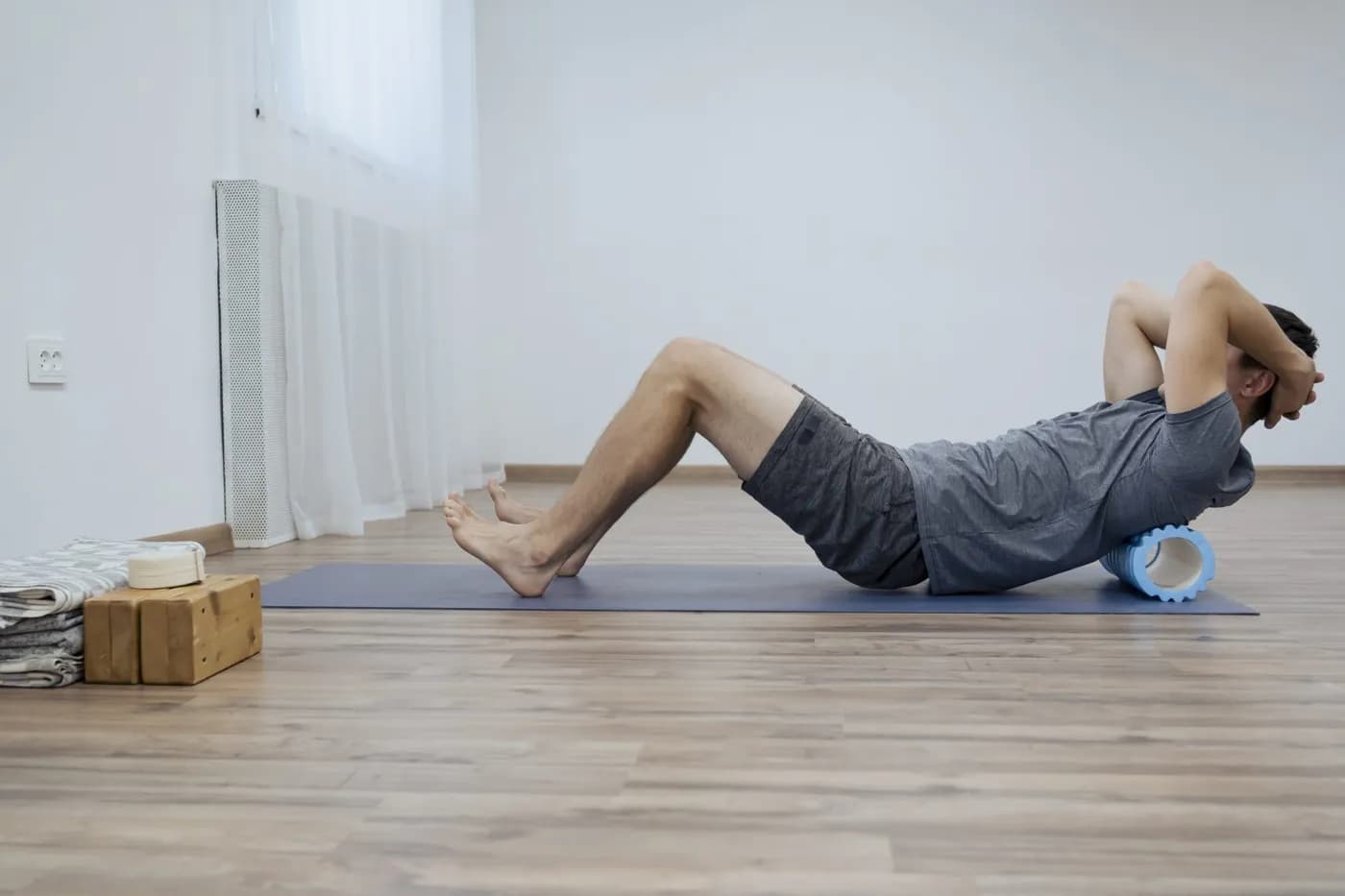
Key Takeaways
- Kegel contractions and functional core work target the muscles at the base of the pelvis.
- Pelvic floor strength is directly linked to erectile function and ejaculatory control.
- Frequently recommended by physiotherapists as part of post-prostate-surgery recovery.
- Many men unconsciously bear down on the pelvic floor during heavy lifting, adding strain.
- Works alongside the diaphragm and deep abdominals to create a stable core.
Exercise for pelvic floor men refers to targeted movements — primarily Kegel contractions and functional core work — that strengthen the muscles spanning the base of the pelvis. These muscles support the bladder, bowel, and sexual organs, and respond well to consistent, progressive training just like any other muscle group.
If you’ve never thought about your pelvic floor, you’re not alone. This group of muscles is one of the most overlooked areas of men’s fitness, yet when it weakens, everyday life can feel harder than it should. The good news is that targeted, consistent training can meaningfully improve how these muscles function over time.
This guide covers why these muscles matter, the best exercises, common mistakes, and who benefits most — including how to get started with pelvic floor strength exercises at home.
8 Benefits of Pelvic Floor Exercises for Men
- Improved Bladder Control A stronger pelvic floor helps reduce urinary urgency and leakage, particularly after prostate surgery or with age. Regular practice may gradually ease the frequency of unexpected urges over weeks of consistent effort.
- Better Bowel Function The pelvic floor muscles also regulate bowel movements. Strengthening them may help with managing mild bowel incontinence and supporting healthier elimination patterns.
- Enhanced Sexual Function Pelvic floor strength is directly linked to erectile function and ejaculatory control. Men who train these muscles consistently often report improved awareness and performance over time.
- Faster Post-Surgery Recovery For men recovering from prostate procedures, pelvic floor training is frequently recommended by physiotherapists as part of rehabilitation. It supports the muscle re-coordination that tends to be disrupted by surgery.
- Reduced Lower Back and Hip Discomfort The pelvic floor is part of your core. When it’s weak, surrounding structures — including the lower back and hips — often compensate, contributing to chronic discomfort. Balanced pelvic training supports this imbalance over time through consistent practice.
- Improved Core Stability Your pelvic floor works together with the diaphragm, deep abdominals, and spinal muscles to create a stable core. Training it supports better posture, balance, and functional strength during everyday movement.
- Support During Heavy Lifting Many men unconsciously bear down on their pelvic floor during heavy resistance training, which increases pressure over time. Learning to engage and coordinate these muscles properly protects against long-term strain.
- Greater Body Awareness Training the pelvic floor builds a deeper mind-muscle connection in an area most men have never consciously activated. This awareness carries over into other areas of training and daily movement.
How to Get Started with Pelvic Floor Muscle Exercises for Men
What You Need to Begin
No equipment is required. All pelvic floor exercises for men can be done at home, on a mat, a chair, or even lying in bed. The only thing you need is the ability to locate and isolate the right muscles — which takes a little practice but comes naturally within a few sessions.
To find your pelvic floor muscles, try stopping the flow of urine midstream — the muscles you squeeze to do that are the ones you’ll be training. Avoid using your glutes, thighs, or stomach to compensate.
Setting Realistic Goals
Most men begin to notice a gradual improvement in control and awareness within 4 to 6 weeks of consistent daily practice. Set a simple goal: two to three short sessions per day, each lasting under 10 minutes. Consistency matters far more than intensity at this stage.
Avoid the temptation to over-train. The pelvic floor is like any other muscle group — it needs recovery between sessions to adapt and strengthen.
Start with the Basics
Begin with slow, controlled contractions held for 5 seconds, followed by a full 5-second release. Aim for 10 repetitions per set. As your endurance grows, increase the hold time gradually to 10 seconds. Add quick-flick contractions — rapid squeeze-and-release — once the slow holds feel comfortable.
Best Pelvic Floor Exercises for Men
Kegel Contractions (Slow Hold)
The foundational exercise for pelvic floor training. Squeeze the pelvic floor muscles upward and inward, hold for 5–10 seconds, then release completely. Do 10 reps, 2–3 times daily. The full release between each rep is just as important as the squeeze — don’t rush it.
Quick-Flick Kegels
Rapidly contract and release the pelvic floor in a short, sharp rhythm — one squeeze per second. This trains the fast-twitch fibres that respond during sudden pressure events like sneezing, coughing, or lifting. Aim for 10–20 repetitions per set.
Bridge Pose with Pelvic Engagement
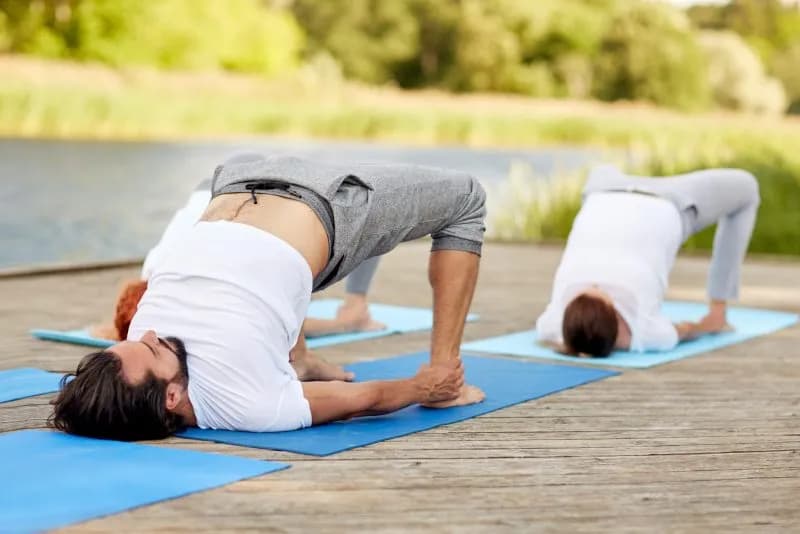
Lie on your back with knees bent and feet flat. As you lift your hips into a bridge, simultaneously contract the pelvic floor. Hold at the top for 5 seconds, then lower and release. This integrates pelvic floor work into glute and hip extension. Do 3 sets of 10. Pair this with a structured pelvic floor workout for greater variety and progression.
Diaphragmatic Breathing with Pelvic Release
Lie on your back or sit upright. Inhale deeply into your belly, allowing the pelvic floor to gently descend and soften. On the exhale, gently lift and contract. This coordinates the pelvic floor with the breath cycle, which is essential for proper function during exercise. Practice 10 slow breaths per session.
Split-Stance Kegel
Stand with one foot slightly forward, as if about to take a step. Contract the pelvic floor, hold for 5 seconds, and release. This trains pelvic floor control in a weight-bearing, functional position — closer to how the muscles are actually used during walking and running. Do 10 reps each side.
Seated Chair Squeeze
Sit upright on a firm chair with feet flat on the floor. Contract the pelvic floor, hold for 10 seconds, and release. This is an ideal option for desk workers who want to add brief sessions during the workday. Aim for 3 sets of 10 throughout the day.
Dead Bug with Pelvic Brace
Lie on your back, arms pointing toward the ceiling, knees at 90 degrees. Brace your pelvic floor, then slowly lower one arm overhead and the opposite leg toward the floor — without letting your lower back arch. Return and switch sides. This builds deep core and pelvic floor coordination simultaneously. Do 3 sets of 8 reps per side.
Common Mistakes to Avoid
- Poor Muscle Isolation The most common error is recruiting the wrong muscles — squeezing the buttocks, thighs, or stomach instead of isolating the pelvic floor. If you feel your glutes clenching hard, you’ve likely lost the target. Slow down, breathe, and focus on the internal lift rather than an outward clench.
- Skipping the Full Release Many men contract well but fail to fully release between repetitions. A pelvic floor that’s always slightly contracted can become hypertonic — tight and overworked — which causes its own set of problems, including increased urgency and discomfort. A complete, conscious release is non-negotiable between every rep.
- Holding Your Breath Breath-holding during contractions is extremely common and counterproductive. It raises intra-abdominal pressure and undermines the coordination you’re trying to build. Breathe steadily throughout every rep.
- Inconsistency Pelvic floor muscles respond to gradual, regular training — not sporadic intense sessions. Missing days repeatedly means the neuromuscular adaptations never have a chance to consolidate. Pair these exercises with an existing daily habit, such as morning movement or post-workout stretching, to help them stick.
Who Should Try Pelvic Floor Exercises?
- Beginners If you’ve never trained your pelvic floor, you’re starting from a neutral baseline — which is perfectly normal. These exercises have a very low barrier to entry, require no equipment, and can be done discreetly anywhere. Most men are surprised by how quickly they develop awareness in an area they’ve never consciously engaged before.
- Women While this page focuses on men, pelvic floor training is equally valuable for women — particularly after childbirth or as a preventive measure. The mechanics differ slightly but the principle of consistent, progressive engagement remains the same.
- Older Adults Age-related muscle loss affects the pelvic floor just as it affects the legs and back. Older men are more likely to experience bladder urgency and reduced sexual function as a result. Gentle, regular pelvic floor training may support better control and quality of life over time. Always consult your doctor before beginning any exercise programme if you have a current medical condition.
- Working Professionals Long hours of sitting weaken the pelvic floor by placing it in a shortened, passive position for hours at a time. Seated chair Kegels and brief standing sessions during the workday can help counteract this. These exercises require no time off the desk and no equipment — making them ideal for busy schedules.
Build Strength with a Routine That Actually Works
Building pelvic floor strength — or any kind of functional strength — isn’t about doing random workouts. It’s about consistency, expert guidance, and a structured plan that fits your life. With the right support, you can train effectively from home and feel a gradual, real difference over time.
What You Get with Habuild’s Strong Everyday Program:
- Daily live guided strength and yoga sessions
- Beginner to advanced progression — no experience needed
- No-equipment and home-friendly workouts
- Expert guidance to ensure correct form and muscle engagement
- Community support to help you stay consistent
If you’re looking for a broader foundation that brings together pelvic strength, core stability, and full-body conditioning, explore Habuild’s strength training for beginners programme as a natural starting point.
Start Your Strength Training Journey
Related reads: What Are Pelvic Exercises? Benefits, Moves & How to Start · How to Strengthen Pelvic Floor Muscles: Exercises & Tips
Kegel contractions and core work strengthen the pelvic floor most effectively when practiced regularly and progressed thoughtfully, not left to memory on busy days. Folding this work into a wider, structured strength routine tends to make that consistency far easier to maintain. Habuild’s Strong Everyday program offers guided, progressive strength training that can support this kind of core and pelvic floor work as part of a regular routine.
Frequently Asked Questions
Related Articles
Strength Training for Beginners at Home: The Complete Guide
Bodyweight or light resistance exercises, done consistently at home, progressively build muscle and improve posture — no gym membership or prior experience required. See the complete guide.

What Is Mind Muscle Connection? How It Works and Why It Matters
The mind muscle connection is the deliberate focus you place on a muscle during an exercise — EMG research shows it produces measurably greater activation. See how and why it works.
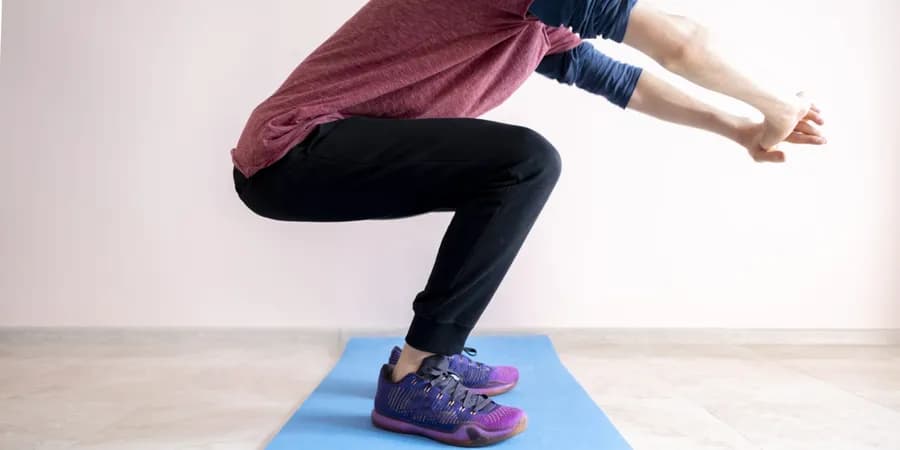
10 Benefits of Squats for Men
Squats build lean muscle across the entire lower body, support natural testosterone production, and strengthen the core — no equipment required. See all 10 benefits.

Benefits of Running for Men: What Happens When You Lace Up Every Day
Regular running supports cardiovascular health, mental sharpness, hormonal balance, and muscular endurance, compounding with consistent practice. See what running does for the male body.

How to Strengthen Stomach Muscles: Exercises, Tips & a Plan That Works
Training the rectus abdominis, obliques, and deep transverse abdominis stabilises your spine and improves posture — functional gains show up within three to four weeks. See the exercises that work.