
What Are Pelvic Exercises? Benefits, Moves & How to Start
Kegels, bridges, squats, and bird dogs strengthen the muscles supporting your bladder, bowels, lower back, and core in just 10 minutes daily. See the benefits, moves, and how to start.
Key Takeaways
- Includes Kegels, bridges, squats, and bird dogs targeting bladder, bowel, and core support.
- Just 10 minutes of daily practice can improve posture, bladder control, and core stability.
- Works alongside the diaphragm and abdominals as part of one coordinated core system.
- For postnatal women, gentle practice supports healing of stretched tissue after doctor approval.
- Most people notice changes in posture and control within four to six weeks of daily practice.
- Best practised on an empty bladder in comfortable clothing, five days a week.
Pelvic exercises are targeted movements that strengthen the muscles supporting your bladder, bowels, lower back, and core. They include Kegels, bridges, squats, and bird dogs, and just 10 minutes of daily practice can improve posture, bladder control, core stability, and overall functional strength for both men and women.
If you have ever wondered what are pelvic exercises and why so many fitness coaches recommend them, the answer is simple: they are targeted movements that strengthen the muscles supporting your bladder, bowels, lower back, and core. These muscles form the floor of your pelvis, and when they are strong, everything from posture and breathing to balance and stamina improves. Whether you are recovering from childbirth, dealing with leakage, sitting at a desk all day, or simply training for better functional Strength Training, pelvic work belongs in your weekly routine.
This guide breaks down the benefits, the best beginner moves, common mistakes, and who should try them. Read on to learn how a few minutes a day can build a stronger foundation for your whole body.
Top Benefits of Pelvic Exercises
Pelvic exercises do far more than tone one muscle group. They train a deep system that influences posture, breathing, digestion, and stability. Here are the biggest reasons to add them to your routine.
- Better Bladder Control Strengthening the pelvic floor supports the bladder and urethra, which may help reduce leakage during sneezing, laughing, lifting, or running. Consistent practice over weeks tends to bring gradual improvement.
- Stronger Core and Lower Back The pelvic floor works with the diaphragm, abdominals, and lower back muscles. When you train it, your entire core becomes more coordinated, which often eases nagging back tension.
- Improved Posture and Stability A strong pelvic base anchors the spine. People who train these muscles often stand taller, move with more control, and feel more balanced during workouts.
- Faster Postpartum Recovery For women after pregnancy, gentle pelvic exercises support healing of stretched tissues and rebuild deep core engagement. Always check with your doctor before starting.
- Confidence in Daily Movement From climbing stairs to lifting groceries, a strong pelvic floor makes everyday movement feel lighter. It complements broader functional strength training beautifully.
How to Get Started with Pelvic Exercises
What You Need to Begin
The best part about pelvic work is that it needs almost nothing. A yoga mat, a quiet corner, and 10 minutes a day is enough. No weights, no machines, no gym. Wear comfortable clothing and practise on an empty bladder.
Setting Realistic Goals
Aim for short, focused sessions five days a week rather than long sessions once a week. Progress is built on consistency, not intensity. Most people start noticing changes in posture, control, and core engagement within four to six weeks of daily practice.
Start with the Basics
Learn to find your pelvic floor muscles first. The trick: imagine stopping the flow of urine midstream or holding back gas. That gentle lift is your pelvic floor contracting. Once you can feel it, you can train it.
Best Pelvic Exercises to Try at Home
Below are five beginner-friendly moves you can do anywhere. Start with one round and build up to three rounds over a few weeks.
Kegels
Sit or lie down comfortably. Contract your pelvic floor muscles, hold for 5 seconds, then release for 5 seconds. Repeat 10 times. This is the foundation of all pelvic training.
Bridge Pose
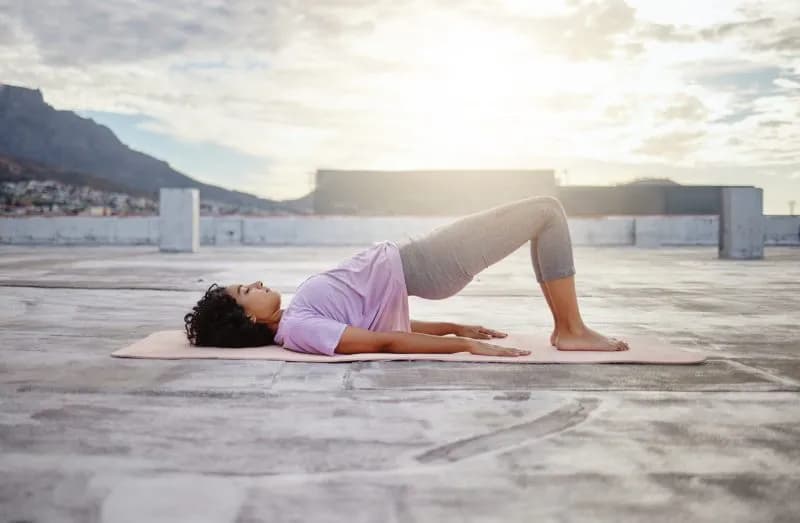
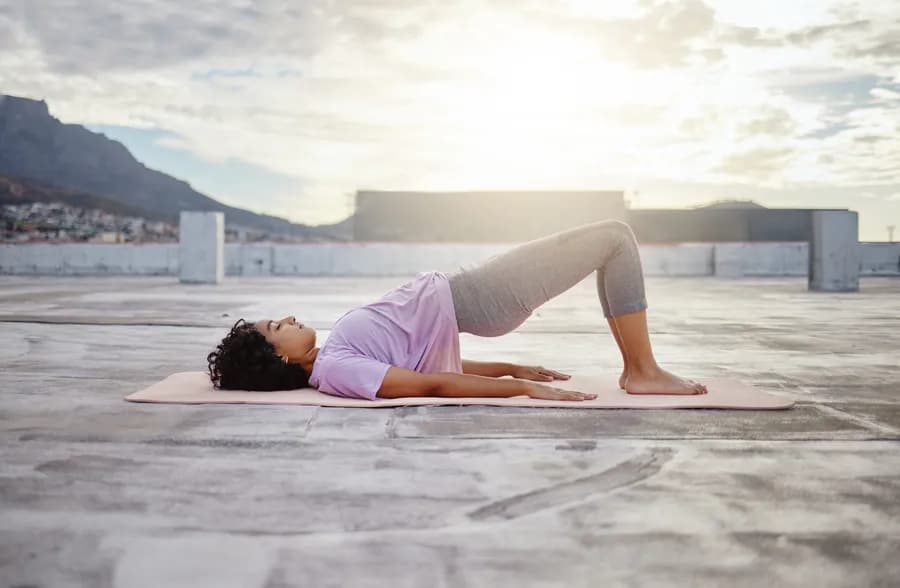
Lie on your back, knees bent, feet flat. Press through your heels and lift your hips, squeezing your glutes and pelvic floor at the top. Hold for 5 seconds, lower slowly. Do 10 reps. Learn more about the deeper benefits of bridge pose for your core.
Squats
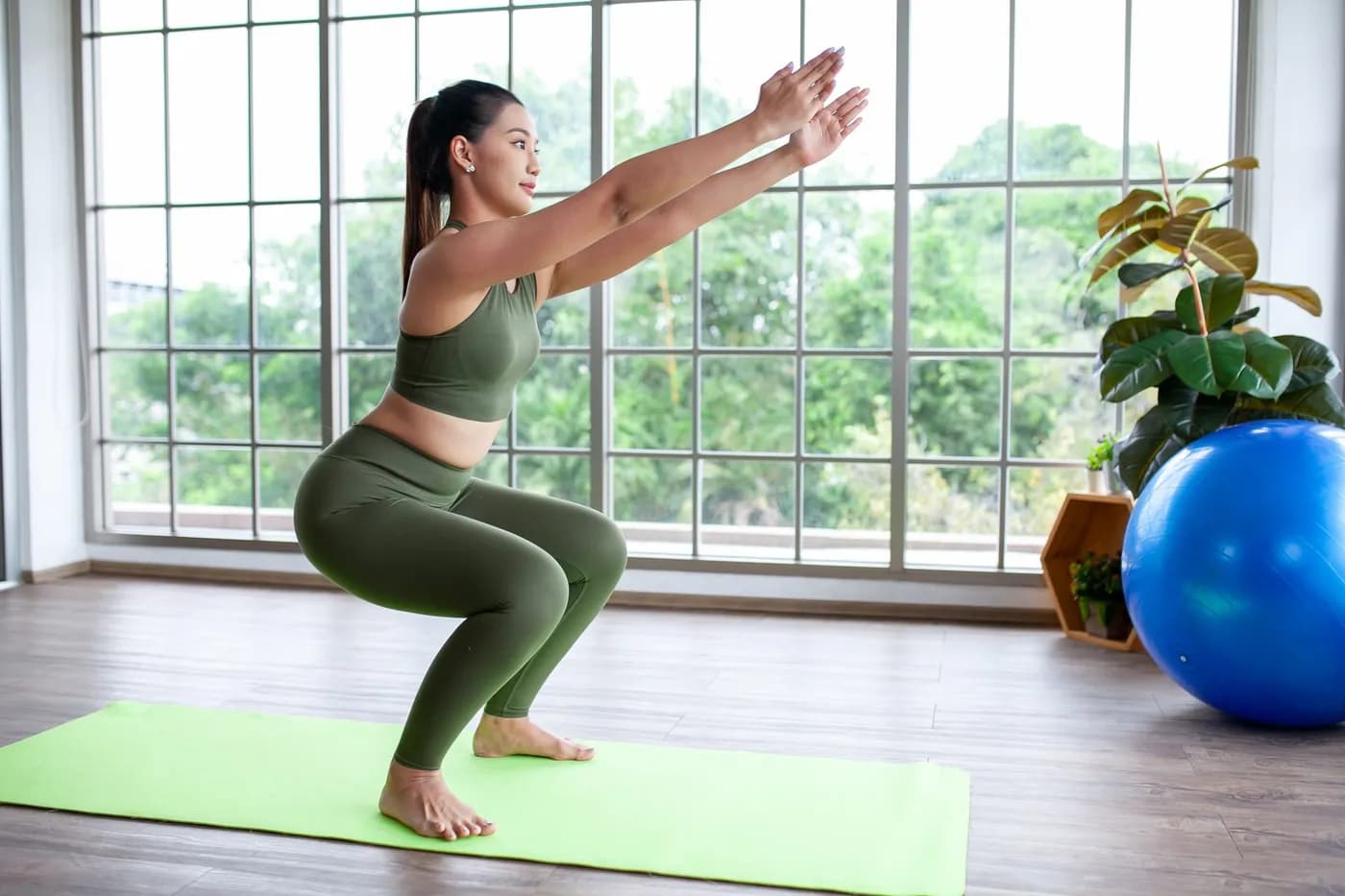
Stand with feet shoulder-width apart. Lower your hips back and down as if sitting into a chair, keeping your chest tall. As you stand back up, gently engage the pelvic floor. Aim for 10 to 12 reps.
Bird Dog
On all fours, extend your right arm forward and left leg back. Keep your hips level and engage the deep core. Hold for 3 seconds, switch sides. Do 8 reps per side.
Happy Baby Pose
Lie on your back, bring your knees toward your chest, and hold the outer edges of your feet. Gently rock side to side. This releases tension in the pelvis after contraction work.
Common Mistakes to Avoid
- Poor Form Many beginners squeeze the glutes, thighs, or stomach instead of the pelvic floor. Focus on isolating the right muscles by visualising a gentle internal lift, not an outward squeeze.
- Skipping Warm-up Cold muscles do not respond well. Begin with two minutes of deep breathing or light hip circles so blood flow reaches the pelvic region before contractions.
- Overtraining The pelvic floor is a small muscle group. Training it 30 times a day will exhaust it, not strengthen it. Two short sessions a day is plenty.
- Inconsistency Doing 50 Kegels on Sunday and nothing for a week will not help. Building strength here is a daily habit, not a weekend project.
Who Should Try Pelvic Exercises?
- Beginners Anyone can start. The moves are gentle, need no equipment, and scale easily. Beginners often feel more confident moving on to broader workouts like pelvic floor strength exercises once their core foundation is steady.
- Women Pelvic floor exercises for women are especially helpful before and after pregnancy, during perimenopause, and for anyone managing leakage or core weakness. The muscles respond well to consistent, gentle practice.
- Older Adults Pelvic strength supports bladder control, balance, and lower-body stability — all crucial with age. Practise gently and consult your doctor if you have any pelvic condition.
- Working Professionals Long hours of sitting weaken the pelvic floor and tighten the hips. A 10-minute daily routine offsets the damage and improves posture during long meetings or commutes.
Build Strength with a Routine That Actually Works
Building strength is not about random workouts — it is about consistency, guidance, and a structured plan. With the right support, you can train effectively from home and see real progress over time.
What you get with Habuild's Strong Everyday Program:
- Daily live guided strength and yoga sessions
- Beginner to advanced progression
- No-equipment, home-friendly workouts
- Expert guidance to ensure correct form
- Community support to stay consistent
Start your strength journey today. Explore our complete strength training program built for real results at home.
Related reads: What Are Kegel Exercises? Benefits, How To & Routine · Balance Exercises for Seniors: 10 Best Moves to Improve Stability
Ten minutes of pelvic exercises a day sounds simple, but the consistency required to see real change in posture, bladder control, and core stability is where most people struggle without support. Having a guided routine to follow removes the guesswork of what to do and when. Habuild's Strong Everyday program is designed to bring that structure to your everyday training, one guided session at a time.
What are pelvic floor exercises for men and what are pelvic floor exercises for women differ slightly in focus, but the benefits overlap heavily — understanding what are the benefits of pelvic floor exercises helps explain why both groups are told to practise them consistently.
Frequently Asked Questions
Related Articles
What Are Kegel Exercises? Benefits, How To & Routine
Small, targeted contractions of the pelvic floor muscles support your bladder, bowel, and core with no equipment, no gym, no special setup needed. See the benefits and routine.
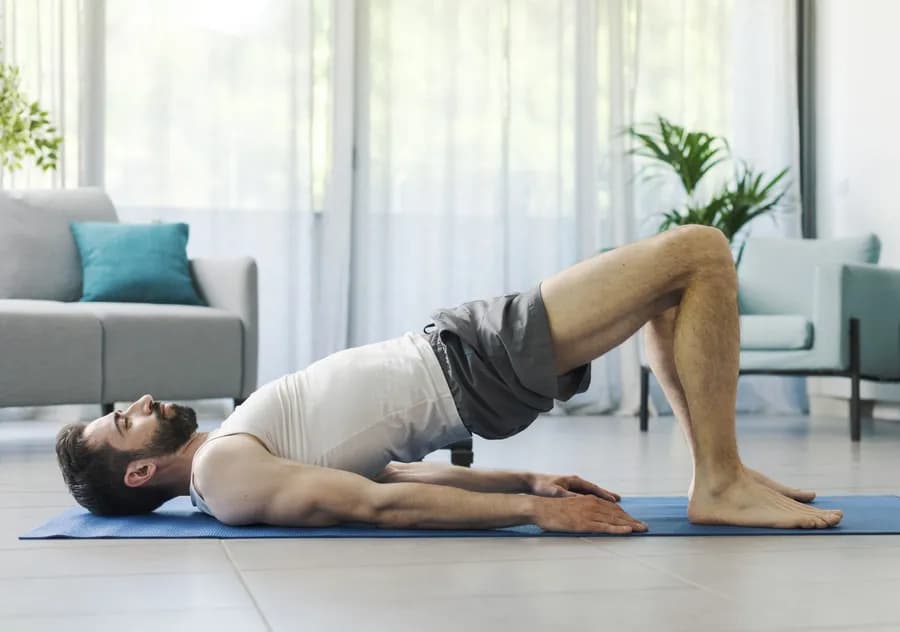
Kegel Exercises for Men: Benefits, How-To & Routine
Simple, equipment-free contractions of the pelvic floor muscles support the bladder, bowel, and sexual function when practised for 2-3 short sessions daily. See the benefits, how-to, and routine.
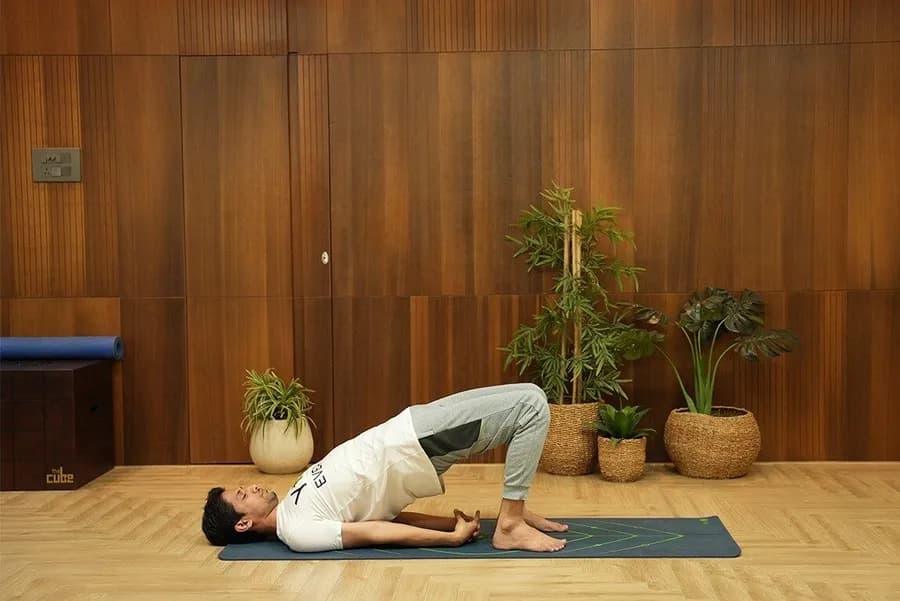
What Is Glute Bridge Exercise: Benefits & How to Do It
Lying on your back, bending your knees, and lifting your hips by squeezing your glutes strengthens the gluteus maximus, hamstrings, and core with no equipment. See the benefits and how to do it.
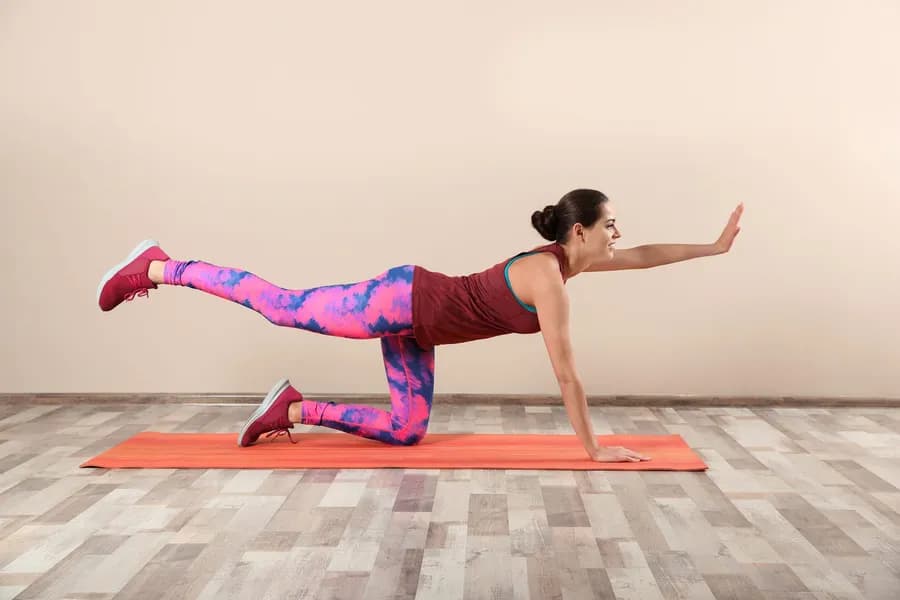
What Are Bird Dog Exercises? Benefits, Form & Routine
Extending one arm and the opposite leg from a tabletop position trains your core, spine stabilisers, hips, and shoulders to work together as one unit. See the benefits, form, and routine.
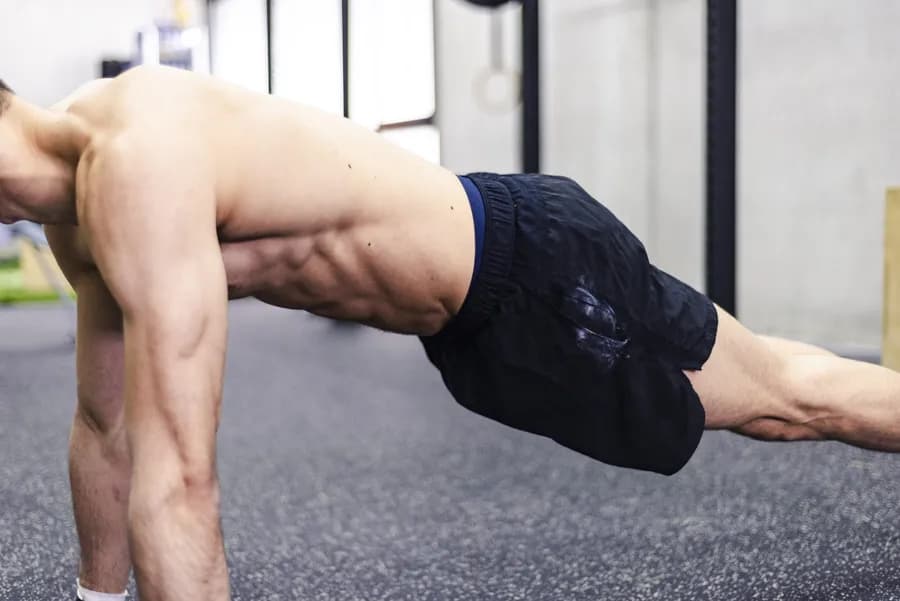
Do Planks Build Abs? the Honest Answer about Plank Effectiveness for Abs Development
Planks build the deep core muscles and isometric strength, but visible abs also require low enough body fat for that muscle to show — which needs full-body fat loss. See what planks actually do.