
Exercises for Upper Crossed Syndrome: A Practical Guide to Correcting Posture and Rebuilding Strength
The chest, upper trapezius, and levator scapulae grow overactive and tight while the deep neck flexors and lower trapezius weaken — daily corrective exercises ease this over four to twelve weeks. See the full guide.
Key Takeaways
- Chest and upper traps stay overactive while deep neck flexors and rhomboids weaken
- Consistent daily work eases forward head posture over four to twelve weeks
- Suboccipital tightness at the skull base is closely linked to tension headaches
- A tight chest restricts rib expansion, so correction can support deeper breathing
- Uncorrected imbalance puts abnormal stress on joints, tendons, and discs during training
- Retrains resting posture so the head sits over the shoulders instead of jutting forward
Upper crossed syndrome is a muscular imbalance where the chest, upper trapezius, and levator scapulae become overactive and tight, while the deep neck flexors, lower trapezius, and rhomboids grow weak and underactive. The right exercises for upper crossed syndrome — practiced daily — can gradually ease forward head posture, reduce chronic neck tension, and restore balanced shoulder mechanics over four to twelve weeks of consistent effort.
If you spend hours at a desk staring at a screen, you may already notice the signs: rounded shoulders, a forward head position, and nagging tightness across the upper back and neck. These are the hallmarks of upper crossed syndrome — a pattern that develops slowly but compounds over time. The good news is that targeted corrective exercises, done consistently, support meaningful improvement. This guide walks you through exactly what to do, how to start, and how to stay on track.
10 Key Benefits of Targeted Upper Crossed Syndrome Exercises
- Reduces Chronic Neck and Shoulder Tension Regularly stretching and strengthening the muscles involved in this imbalance may gradually ease the persistent tightness many people feel at the base of the skull and across the upper traps. The relief builds over weeks, not overnight.
- Improves Resting Posture Corrective work helps retrain the body’s default alignment. Over time, your head sits more naturally over your shoulders rather than jutting forward, reducing mechanical load on the cervical spine.
- Supports Better Breathing Mechanics A tight chest and collapsed thoracic spine restrict the ribcage’s ability to expand fully. Addressing these restrictions through targeted mobility and upper body strengthening can support deeper, more efficient breathing.
- Decreases Headache Frequency Suboccipital tightness — the muscles at the base of the skull — is closely linked to tension-type headaches. Consistently working to lengthen these tissues may reduce how often headaches occur.
- Enhances Functional Strength When your scapular stabilizers and deep neck flexors are doing their job, compound movements like rows and presses become more effective and safer to load.
- Improves Shoulder Range of Motion Protracted shoulders limit overhead reach and make pressing or pulling movements uncomfortable. Corrective exercises progressively restore the mobility needed for pain-free movement.
- Reduces Risk of Injury During Training Exercising with an uncorrected upper crossed pattern puts abnormal stress on joints, tendons, and discs. Addressing the imbalance makes your workouts safer and more productive.
- Boosts Energy and Alertness Constantly bracing against poor alignment is tiring. As posture improves and the nervous system is less overloaded, many people notice a meaningful improvement in day-to-day energy levels.
- Builds Long-Term Spinal Resilience A well-aligned thoracic and cervical spine handles daily loads — commuting, sitting, lifting — far more efficiently. The cumulative benefit compounds the longer you stay consistent.
- Creates the Foundation for Broader Strength Goals Upper crossed syndrome is a starting point, not a ceiling. Once the imbalance is addressed, progressing to a structured strength training program becomes substantially more effective and sustainable.
How to Get Started with Upper Crossed Syndrome Correction
What You Need to Begin
You need very little: a yoga mat, a resistance band, and a wall. Most corrective exercises for upper crossed syndrome are bodyweight-based and can be done in a small home space. A foam roller is useful but optional in the early stages.
The most important resource is not equipment — it is honest awareness of your current posture and a willingness to slow down and feel which muscles are actually working during each movement.
Setting Realistic Goals
Postural imbalances develop over months or years of habitual positioning. Meaningful change typically becomes noticeable within four to eight weeks of consistent daily practice — not after a single session. Set the expectation early that this is a process of gradual recalibration, not a quick fix.
Avoid adding more volume when exercises feel easy. The goal at this stage is motor control and muscle re-education, not fatigue.
Start with the Basics
Begin every session with a gentle warm-up — five minutes of neck rolls, shoulder circles, and thoracic extension over a rolled mat. Keep your first two weeks focused on body awareness: can you feel your lower traps engage? Can you hold a chin tuck without holding your breath? These questions matter more than how many reps you complete.
Best Exercises for Upper Crossed Syndrome
The following seven exercises are among the most frequently recommended for addressing the muscular imbalances central to upper crossed syndrome. Each targets either an overactive muscle group that needs lengthening or an underactive group that needs strengthening.

Chin Tucks
Sit or stand tall and gently draw your chin straight back — as though making a double chin. Hold for five seconds, then release. This directly activates the deep cervical flexors, which are almost always inhibited in upper crossed syndrome. Do 3 sets of 10 reps daily.
Wall Angels
Stand with your back flat against a wall, arms bent at 90 degrees. Slowly slide your arms up while keeping your wrists, elbows, and lower back in contact with the surface. This trains the lower trapezius and serratus anterior — two of the most underactive muscles in this pattern. Do 3 sets of 8–10 reps.
Band Pull-Aparts
Hold a light resistance band at shoulder height and pull it apart horizontally until your arms are fully extended. Squeeze the shoulder blades together at end range. This strengthens the rhomboids and mid-traps while countering internal shoulder rotation. Do 3 sets of 15 reps. It is one of the most accessible yet effective strength training exercises for postural correction.
Thoracic Extension over a Foam Roller
Place a foam roller horizontally across your mid-back. Support your head with your hands and gently extend backward over the roller, pausing at each vertebral level. Spend 60–90 seconds working through the mid-back. This mobilizes the thoracic spine, which tends to become rigid and flexed in upper crossed syndrome.
Doorway Chest Stretch
Stand in a doorframe with your elbows at 90 degrees and forearms resting on the frame. Lean gently forward until you feel a mild stretch across the chest and anterior shoulder. Hold for 30–45 seconds. This addresses the overactive pectoralis minor, a primary driver of shoulder protraction.
Face Pulls with a Resistance Band
Attach a band at head height and pull it toward your face while flaring your elbows out. Focus on externally rotating the shoulder at the end of the movement. This simultaneously trains the posterior deltoid, external rotators, and mid-traps. Do 3 sets of 12–15 reps.
Prone Y-T-W Raises
Lie face down on a mat and raise your arms into a Y, then a T, then a W position — holding each for two seconds. Use only the weight of your arms to begin. This trio progressively activates the lower trapezius, rhomboids, and rotator cuff in a way that directly counters the upper crossed pattern. Do 2 sets of 8 per position.
Common Mistakes to Avoid
- Poor Form During Strengthening Exercises Shrugging your shoulders during band pull-aparts or wall angels defeats the purpose entirely. The upper trapezius is already dominant — letting it take over during corrective work simply reinforces the imbalance. Move slowly, feel the target muscles, and reduce resistance if you cannot maintain clean mechanics.
- Skipping the Warm-Up Jumping straight into chin tucks or Y-raises on cold, stiff tissue reduces the effectiveness of the exercise and increases the chance of neck or shoulder irritation. Even five minutes of gentle movement significantly improves muscle recruitment.
- Overtraining the Already-Overactive Muscles Many people with upper crossed syndrome instinctively add more chest and front-shoulder work — bench press, front raises, push-ups — while avoiding rows and pulls. This deepens the imbalance. Prioritize a 2:1 pulling-to-pushing ratio until the pattern normalizes.
- Inconsistency Doing these exercises once or twice a week produces minimal change. The muscles and movement patterns involved need repeated daily input to rewire. Consistency — even 10 to 15 minutes a day — delivers far better outcomes than occasional hour-long sessions.
Who Should Try These Exercises?
- Beginners If you have never done structured corrective work before, this is an ideal starting point. Every exercise in this guide is beginner-accessible, requires minimal equipment, and can be scaled to your current capacity. Starting here builds the neuromuscular foundation that makes all future training safer.
- Women Upper crossed syndrome is extremely common in women who spend long hours at desks, nursing, or using mobile devices. Corrective strength work does not create bulk — it creates functional tone, improved posture, and better shoulder health. A dedicated female strength training program that incorporates postural awareness can be particularly effective for women looking to take the next step.
- Older Adults Age-related changes in thoracic kyphosis and muscle mass make upper crossed patterns increasingly common in adults over 50. These exercises are low-impact and well-suited for older adults. If you have been diagnosed with osteoporosis or a cervical spine condition, consult your physician before adding thoracic extension work. Prioritize controlled movement over volume.
- Working Professionals If you sit for six or more hours a day, you likely have some degree of this imbalance — even if you feel no pain yet. A 10-minute desk-break routine built around chin tucks, band pull-aparts, and thoracic extension can meaningfully offset the postural stress of a full workday.
Build Strength with a Routine That Actually Works
Corrective exercises work when practiced consistently within a well-designed program — not when done sporadically from a list of tips. Building the daily habit is the hardest part, and it is exactly where most people struggle.
Habuild’s Strong Everyday program is built around this reality. Sessions are live, guided, and structured to progress you — from postural correction basics through to functional strength work that supports long-term health. You do not need a gym. You do not need prior experience. You need a routine you will actually follow.
What You Get with Habuild’s Strong Everyday Program:
- Daily live guided strength and yoga sessions
- Beginner to advanced progression with postural focus
- No-equipment and home-friendly workouts
- Expert guidance to ensure correct form from day one
- Community support to help you stay consistent
To explore the broader picture of what a structured approach can do, browse Habuild’s strength training overview to understand the full scope of consistent training.
Related reads: Best Exercises for Core Strength · How to Build Upper Chest Muscles: Exercises, Tips & a Plan That Works
Correcting a muscular imbalance like upper crossed syndrome takes more than a handful of exercises done occasionally — it takes deliberate, repeated training of the underactive muscles alongside stretching of the overactive ones, sustained over weeks. A structured program is what keeps that balance from tipping back the other way. Habuild’s Strong Everyday program can support that kind of consistent postural and strength work as part of a complete routine.
Frequently Asked Questions
Related Articles
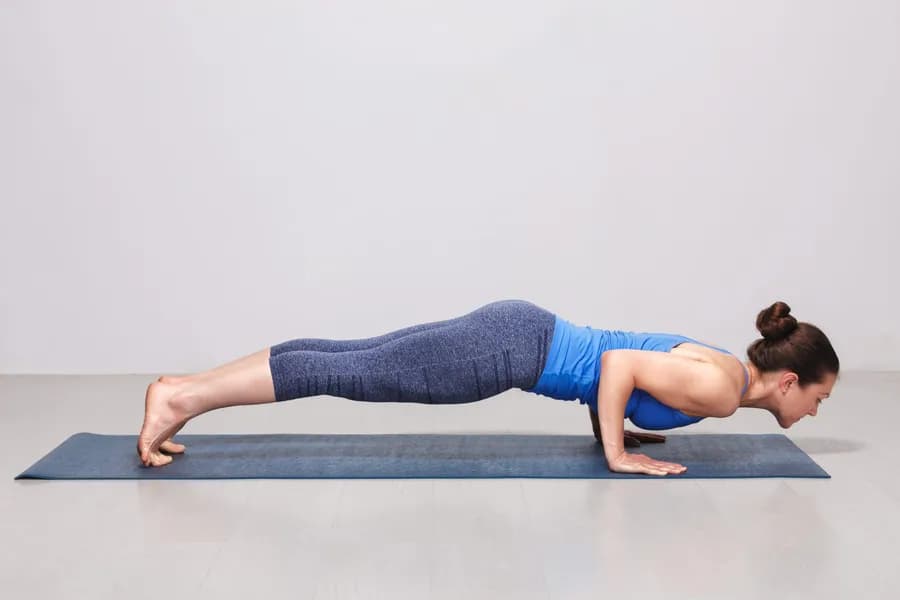
How to Fix Muscle Imbalances: A Practical Guide
When one side of the body is noticeably stronger or tighter than the other, targeted unilateral training can reduce injury risk and unlock strength progress bilateral exercises can't. See the practical guide.
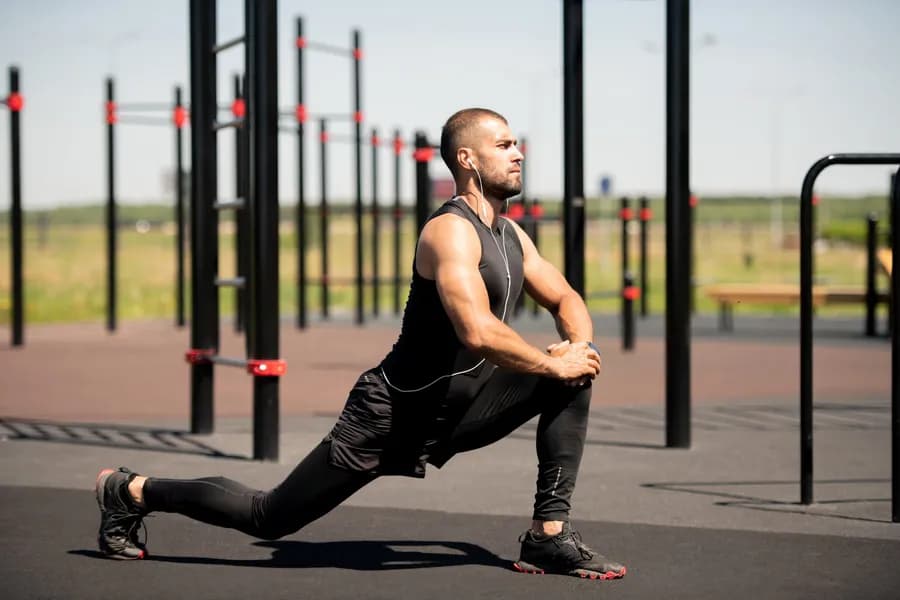
Mobility Exercises for Beginners: Full Body Routine to Move Better Every Day
Unlike stretching, mobility training actively trains your joints and muscles to move through their full range — and it pays off quickly. See the full body routine to move better every day.
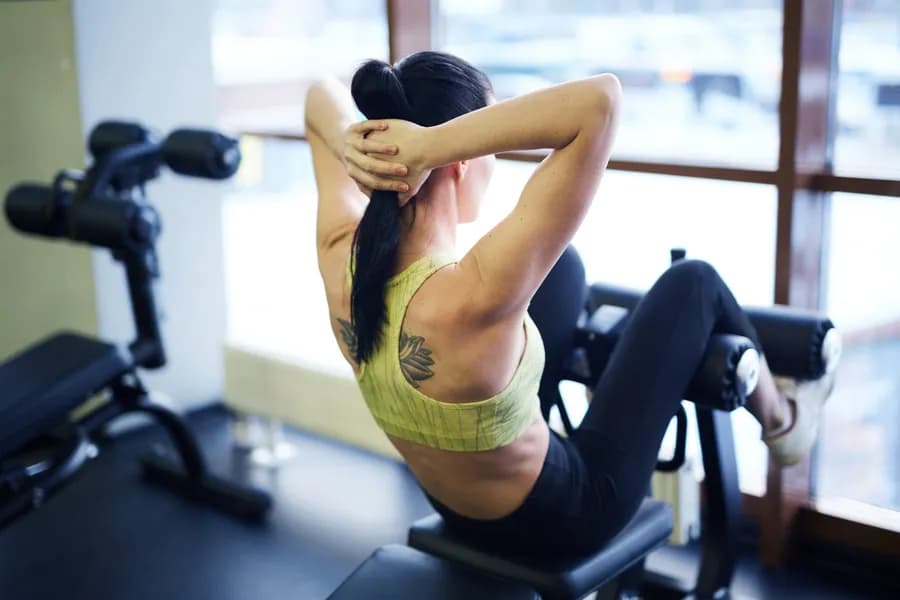
Back Workout with Dumbbells: Exercises, Benefits & How to Get Started
Rows, deadlifts, and pullovers target the latissimus dorsi, rhomboids, trapezius, and erector spinae, with minimal equipment needed. See the benefits and best exercises.

How to Build Upper Chest Muscles: Exercises, Tips & a Plan That Works
The upper chest responds to incline pressing and upward fly movements at 30-45 degree angles — producing visible fullness near the collarbone within 8-12 weeks. See the full plan.