
Glute Exercises for Men: Build Strength, Power, and Stability
Hip thrusts, Romanian deadlifts, and glute bridges build lower-body power and support athletic performance — with results in six to twelve weeks. See why glutes matter for men’s training.
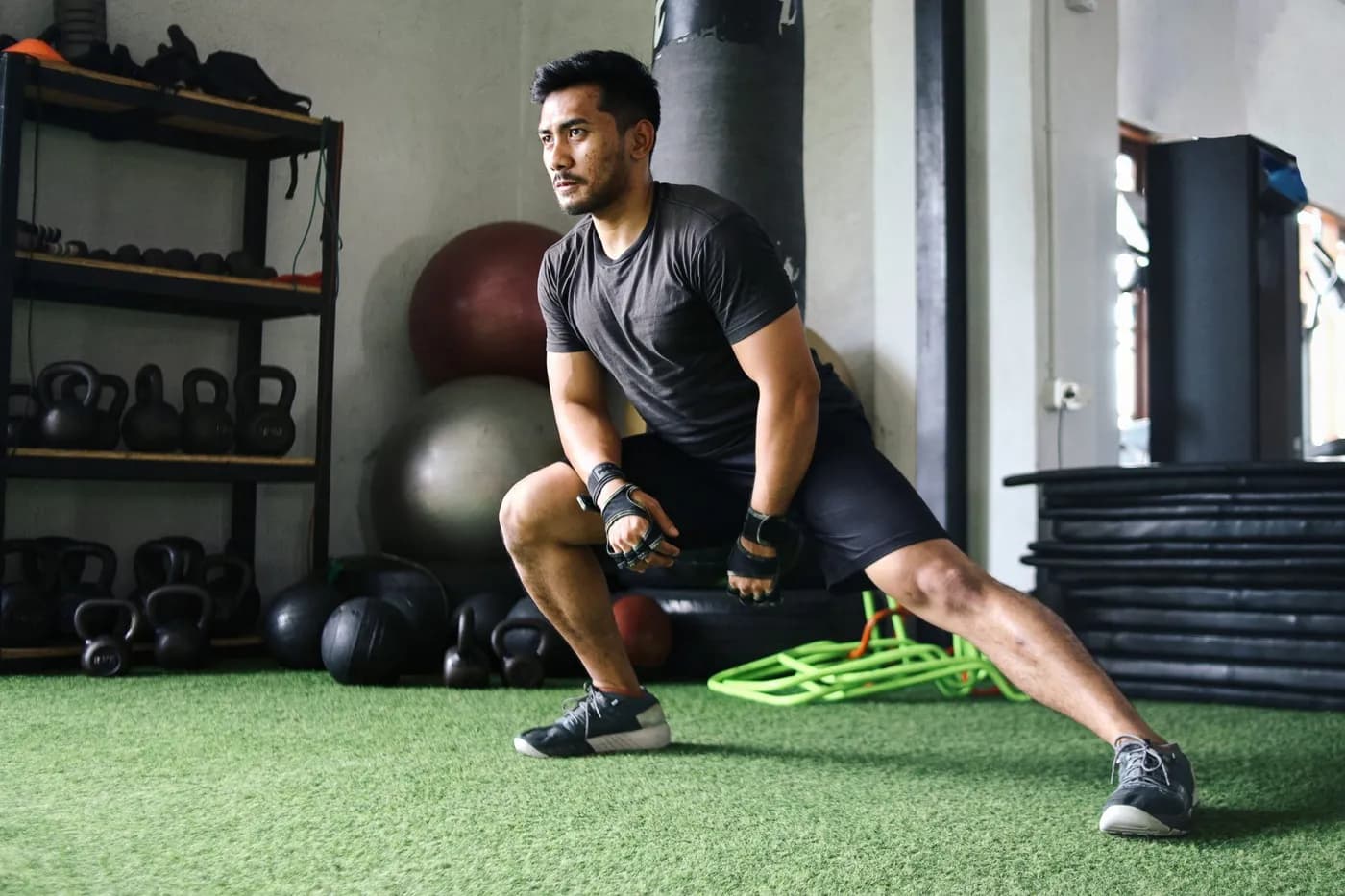
Key Takeaways
- The gluteus maximus is the largest muscle in the body, key to sprinting and jumping power.
- Weak glutes force the lower back to compensate, which can lead to chronic discomfort.
- Long hours of sitting can cause anterior pelvic tilt, which glute training helps correct.
- Underdeveloped glutes push knees and hips to absorb forces they weren’t built for.
- Results build over six to twelve weeks of consistent training, not days.
Glute exercises for men target the gluteus maximus, medius, and minimus to build lower body power, support spinal health, and improve athletic performance. Movements like hip thrusts, Romanian deadlifts, and glute bridges can be done at home or in the gym with minimal equipment and deliver results in six to twelve weeks of consistent training.
When most men think about training, the glutes rarely top the list. But glute exercises for men are among the most impactful movements you can do — for athletic performance, posture, lower back health, and functional strength. Whether you’re training at the gym or looking for effective glute exercises for men at home, this guide covers everything you need to build a stronger posterior chain from the ground up.
6 Benefits of Training Your Glutes
- Builds Lower Body Power The gluteus maximus is the largest muscle in the body. Strengthening it directly improves explosive movements like sprinting, jumping, and heavy lifting. Stronger glutes translate to better output in almost every sport and physical activity.
- Supports Lower Back Health Weak glutes force the lower back to compensate during daily movement, which can gradually lead to chronic discomfort. Consistent glute training helps distribute load more evenly across the posterior chain, supporting spinal stability over time.
- Improves Posture and Hip Alignment Long hours of sitting can lead to anterior pelvic tilt — where the pelvis tips forward, causing the lower back to arch excessively. Activating and strengthening the glutes helps correct this pattern and brings the hips back into neutral alignment.
- Enhances Athletic Performance Whether you run, cycle, play football, or do martial arts, your glutes are central to acceleration, deceleration, and direction change. Training them consistently builds the kind of functional strength that carries over into real athletic performance.
- Reduces Knee and Hip Strain When the glutes are underdeveloped, the knees and hips often absorb forces they weren’t designed to handle. Strong glute muscles stabilise the hip joint and keep the knee tracking properly during movement, which may gradually ease strain on both joints.
- Supports Fat Loss and Metabolic Rate Large muscle groups burn more energy both during exercise and at rest. Since the glutes are the biggest muscle in your body, training them regularly contributes meaningfully to your overall metabolic activity — something worth noting if strength training for fat loss is part of your goal.
How to Get Started with Glute Training
What You Need to Begin
You don’t need a fully equipped gym. Most foundational glute exercises require nothing more than a mat and your bodyweight. A resistance band is a useful addition as you progress, but it’s entirely optional for beginners. If you’re training at home, a clear floor space of about 6×4 feet is enough.
Setting Realistic Goals
Glute development takes consistent effort over weeks and months — not days. Aim to train your glutes two to three times per week, with at least one rest day between sessions. Avoid chasing soreness as a measure of progress. Focus instead on improving technique, increasing range of motion, and gradually adding difficulty.
Start with the Basics
If you’re new to glute training, begin with bodyweight movements like glute bridges, squats, and lunges. These teach the foundational muscle activation patterns before you add load or complexity. Getting the basics right is the single most important step — and it’s one that many people skip. For a broader foundation, explore strength training for beginners.
Best Glute Exercises for Men
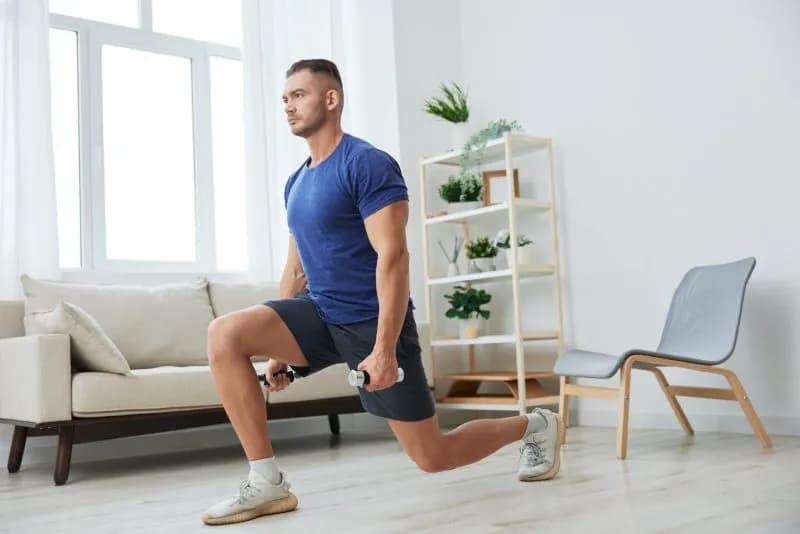
Barbell Hip Thrust
The hip thrust is the gold standard for glute activation. Sit with your upper back against a bench, place a barbell across your hips, and drive upward by squeezing your glutes at the top. Hold for a second at peak contraction. Perform 3–4 sets of 10–12 reps. This movement isolates the gluteus maximus more effectively than almost any other exercise.
Squat
The squat is a foundational compound movement that engages the glutes, quads, and hamstrings together. Stand feet shoulder-width apart, push your knees out as you descend, and drive through the heels to stand. Lower-bar, wide-stance squats recruit the glutes more aggressively. Aim for 3–4 sets of 8–12 reps. For focused guidance, see the squat workout page.
Romanian Deadlift
This is one of the best exercises for targeting the glute-hamstring junction. Hinge at the hips with a slight knee bend, lowering a barbell or dumbbells along your legs until you feel a deep stretch in the hamstrings, then drive your hips forward to stand. Perform 3 sets of 8–10 reps with controlled tempo on the way down.
Bulgarian Split Squat
Place your rear foot on a bench behind you and lower into a single-leg squat. This movement challenges balance, hip mobility, and glute activation simultaneously. It’s demanding but extremely effective for building unilateral lower body strength. Do 3 sets of 8–10 reps per leg.
Glute Bridge
Lie on your back with knees bent and feet flat on the floor. Press through your heels and lift your hips until your body forms a straight line from shoulders to knees. Squeeze hard at the top and hold for 2–3 seconds before lowering. This is an excellent starting point for glute exercises for men at home, requiring zero equipment. Perform 3 sets of 15–20 reps.
Cable Pull-Through
Stand facing away from a cable machine, hold the rope attachment between your legs, and hinge forward at the hips before driving them forward to stand tall. This movement reinforces the hip-hinge pattern while keeping constant tension on the glutes throughout. Do 3 sets of 12–15 reps.
Step-Up with Knee Drive
Step onto a sturdy box or bench with one foot, drive the opposite knee upward as you stand, then lower back down with control. This integrates glute activation with balance and single-leg stability. Use a box height that challenges without compromising form. Perform 3 sets of 10–12 reps per leg.
Common Mistakes to Avoid
- Poor Form The most common issue in glute training is letting the lower back take over — especially in hip thrusts and deadlifts. If you feel your lumbar spine arching excessively or cramping, it usually means the glutes aren’t firing properly. Slow down, reduce the weight, and focus on deliberate contraction before adding load.
- Skipping the Warm-Up Cold glutes are inactive glutes. Spend 5–10 minutes on activation drills — clamshells, band walks, or bodyweight glute bridges — before your main session. This primes the neuromuscular connection and significantly improves the quality of every rep that follows.
- Overtraining More is not always better with glute training. Hitting the same exercises every day without adequate recovery slows progress and increases injury risk. Two to three focused sessions per week with proper rest between them will yield better results than daily high-volume work.
- Inconsistency The biggest obstacle to glute development isn’t the wrong exercises — it’s inconsistent training. One strong week followed by two weeks off does almost nothing. The real gains come from showing up regularly, even when sessions feel ordinary. Consistency over intensity is the principle that actually works.
Who Should Try Glute Training?
- Beginners If you’ve never specifically trained your glutes before, you’ll likely see fast early improvements simply because the muscle hasn’t been challenged. Start with bodyweight versions of all exercises and build up gradually. The entry barrier is low — a mat and 20 minutes is enough to get started.
- Women While this page focuses on men, it’s worth noting: glute training does not create excessive bulk in women. It builds shape, improves posture, and supports fat loss. For women specifically, strength training for women is an excellent place to explore how this fits into a broader routine.
- Older Adults Glute strength is closely linked to balance, mobility, and fall prevention in older adults. Exercises like glute bridges and step-ups can be performed safely with bodyweight. Always consult a doctor before beginning a new exercise routine, particularly if you have existing joint or spinal conditions.
- Working Professionals If you spend most of your day seated, your glutes are likely in a persistently lengthened and underactivated state. Targeted glute work — even 15 minutes during a lunch break — can meaningfully counteract the postural effects of prolonged sitting and reduce the low back discomfort many desk workers experience.
Build Strength with a Routine That Actually Works
Building stronger glutes isn’t about doing random exercises — it’s about consistent, structured training with the right guidance. With Habuild’s Strong Everyday program, you get daily live sessions designed to build real lower body strength from home, with expert instruction to ensure your form and progression are always on point.
What You Get with Habuild’s Strong Everyday Program:
- Daily live guided strength sessions with expert coaches
- Beginner to advanced progression — no experience needed
- No-equipment and home-friendly workout options
- Real-time form correction to keep training safe and effective
- A community of consistent members who show up every day
If building sustainable lower body strength interests you, explore more about strength training for glutes and how a structured program accelerates results.
Start Your Glute Training Journey
Related reads: Best Exercises for Power: Build Strength, Speed, and Explosive Force · 10 Benefits of Glute Bridges
Hip thrusts and Romanian deadlifts build the glutes, but the power and stability men are usually training for come from stacking those sessions week after week with an actual plan behind them. Rather than training the glutes in isolation, a structured lower-body program builds strength that carries into every other lift. Habuild’s Strong Everyday program offers that kind of guided, progressive training designed to build real, lasting strength over time.
Frequently Asked Questions
Related Articles
Glute Exercises for Women: Benefits, Best Moves & How to Get Started
Bridges, squats, and clamshells build lower-body strength and improve posture, using nothing more than bodyweight. See the best moves to get started.
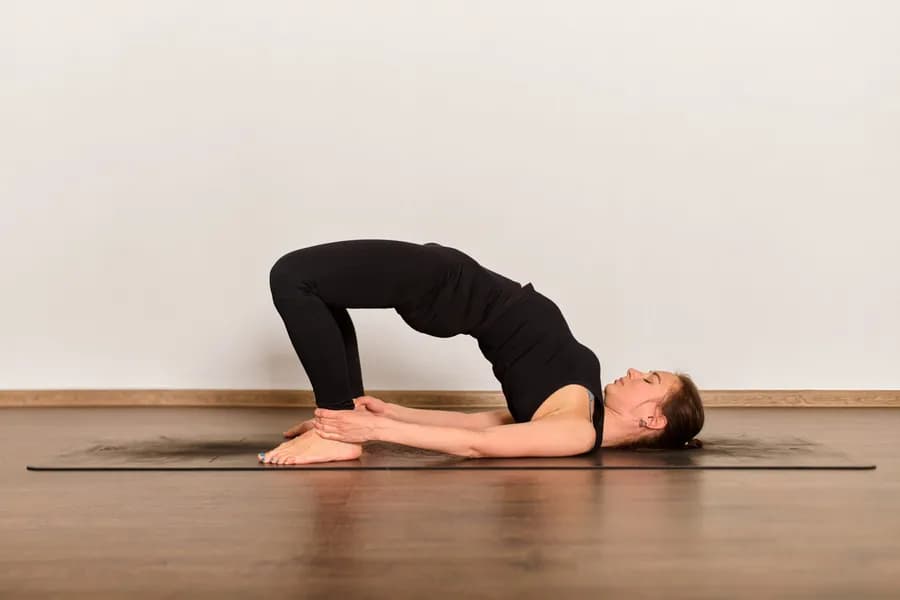
Hamstring Workout at Home: Exercises, Benefits & Beginner Guide
A hamstring workout targets the three muscles along the back of your thigh, reducing knee and lower back strain with just bodyweight and minimal equipment. See the best exercises and how to start.

How to Build Leg Muscles at Home
Squats, lunges, and glute bridges consistently train the quads, hamstrings, glutes, and calves — no gym or dumbbells needed. See the routine to build real leg strength.
How to Strengthen Lower Back Muscles: Exercises, Tips & Routines
Targeted training of the erector spinae, multifidus, and quadratus lumborum builds the stability that protects the spine during everyday movement. See the exercises that work, no equipment needed.
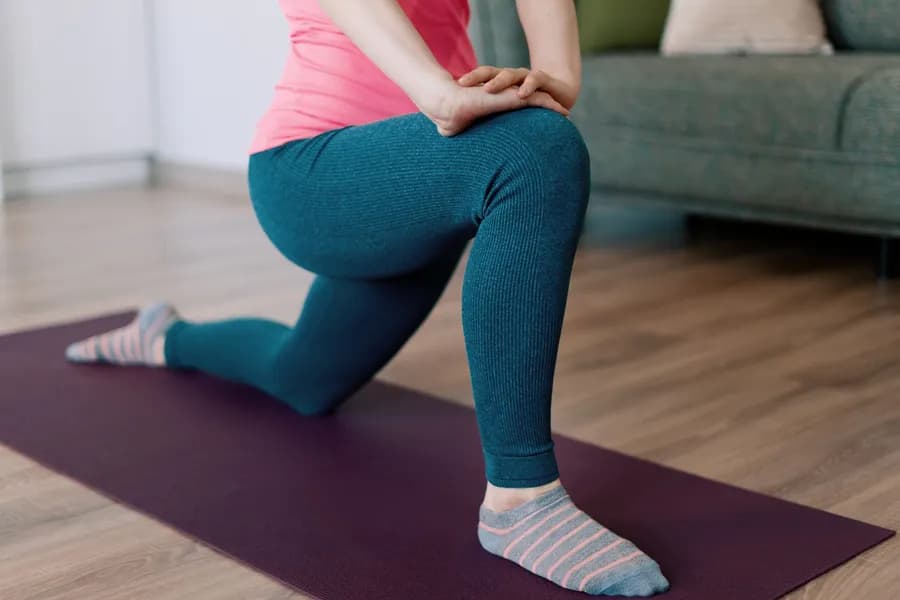
Hip Exercises for Pain: Best Moves to Feel Better at Home
Targeted hip movements strengthen the muscles around the joint and can meaningfully ease discomfort from bursitis, osteoarthritis, or impingement. See the best moves to try at home.