
How to Strengthen Lower Back Muscles: Exercises, Tips & Routines
Targeted training of the erector spinae, multifidus, and quadratus lumborum builds the stability that protects the spine during everyday movement. See the exercises that work, no equipment needed.

Key Takeaways
- Targets the erector spinae, multifidus, and quadratus lumborum along the lumbar spine.
- The lower back is part of the core group – strengthening it stabilises the entire midsection.
- Consistent work may help protect vertebrae and intervertebral discs from excess wear.
- Progress is measured in weeks and months, not days – form matters more than intensity.
- A yoga mat and about 20 minutes is enough; no weights or equipment needed.
Strengthening lower back muscles means progressively training the lumbar region — including the erector spinae, multifidus, and quadratus lumborum — so they better support the spine during everyday movement, exercise, and extended sitting or standing. Targeted, consistent exercise is the most reliable way to build this stability at home, without equipment.
If you've been wondering how to strengthen lower back muscles, you're not alone. Weak lower back muscles are one of the most common reasons people experience chronic discomfort, poor posture, and reduced mobility — whether they sit at a desk all day or lead an active lifestyle.
This guide walks you through benefits, beginner-friendly exercises, common mistakes, and who can get started — all without needing a gym or equipment.
6 Key Benefits of Strengthening Your Lower Back
- Reduces Everyday Discomfort A stronger lower back takes pressure off the spine and surrounding muscles. Regular strengthening practice may gradually ease the nagging aches that come from prolonged sitting or standing — though it is not a substitute for medical advice if you have a diagnosed condition.
- Improves Posture Weak lower back muscles often lead to a rounded or hunched posture. Building strength in this region helps you sit taller, stand straighter, and move with better alignment throughout the day. Pairing lower back work with dedicated posture-focused yoga can deepen your results over time.
- Supports Core Stability The lower back is part of the core muscle group. When it's strong, your entire midsection becomes more stable — which means better balance, safer bending, and more control during any physical activity.
- Enhances Functional Strength Everyday tasks — lifting groceries, picking up a child, getting up from the floor — rely on lower back strength. Training this area directly improves your ability to perform these movements safely and with less effort.
- Supports Spinal Health Over Time Consistent strengthening work may help protect the vertebrae and intervertebral discs from excessive wear. This is especially valuable as you age and natural muscle mass begins to decline.
- Boosts Overall Energy and Confidence When your lower back feels strong and stable, you move more freely. That freedom tends to translate into better energy levels, more confidence in physical activities, and a greater sense of wellbeing.
How to Get Started with Lower Back Strengthening
What You Need to Begin
Almost nothing. A yoga mat or soft surface, comfortable clothing, and about 20 minutes is enough to begin. No weights, no gym membership, and no special equipment are required for the foundational exercises in this guide. If you're working through existing discomfort, check with your doctor before starting.
Setting Realistic Goals
Yoga can help you learn how to strengthen back muscles while improving flexibility and posture. Progress with lower back training is measured in weeks and months, not days. Aim for 3 to 4 sessions per week and focus on form over intensity. Avoid the temptation to rush — overtraining the lower back can set you back further than going slow. Consistency is the single biggest driver of results here.
Start with the Basics
Beginners should start with low-load movements that activate the muscles without placing excessive strain on the spine. Exercises like the Bird Dog, Glute Bridge, and Cat-Cow are ideal starting points. As your endurance builds over 2 to 4 weeks, you can gradually progress to more demanding movements.
For a broader look at building whole-body resilience from home, this guide to strength exercises you can do at home is a practical companion resource.
Best Exercises to Strengthen Lower Back Muscles
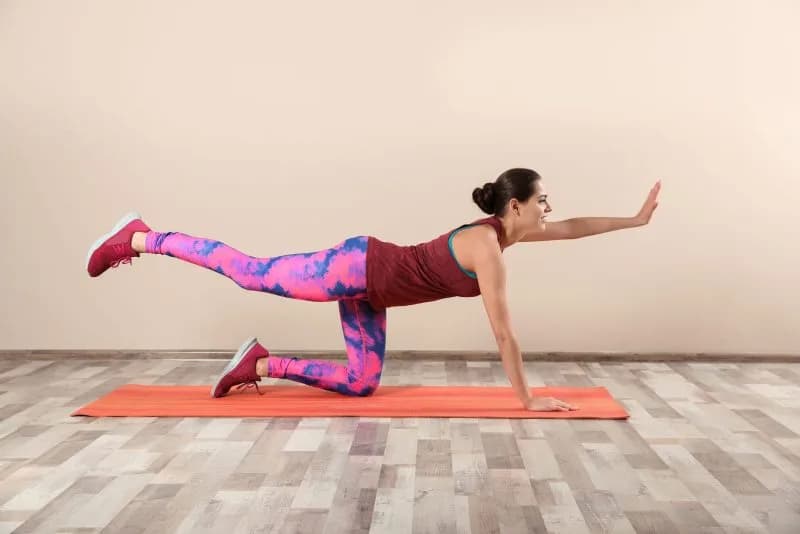
Bird Dog
Start on all fours with your wrists below your shoulders and knees below your hips. Simultaneously extend your right arm forward and left leg back, hold for 2 seconds, then switch sides. This exercise trains spinal stability and activates the erector spinae without compressing the vertebrae. Aim for 3 sets of 10 reps per side.
Glute Bridge
Lie on your back with knees bent and feet flat on the floor, hip-width apart. Press through your heels and lift your hips until your body forms a straight line from shoulders to knees. Squeeze your glutes at the top, hold for 2 seconds, then lower slowly. The glutes and lower back work together in this movement. Start with 3 sets of 12 reps.
Superman Hold
Lie face down with arms extended overhead. Simultaneously lift your arms, chest, and legs off the ground, squeezing your glutes and lower back. Hold for 3 to 5 seconds, then lower. This directly targets the erector spinae — the long muscles running along either side of your spine. Do 3 sets of 8 to 10 reps.
Cat-Cow Stretch
On all fours, alternate between arching your back toward the ceiling (cat) and dropping your belly toward the floor (cow) in a slow, flowing rhythm. This dynamic movement warms up the entire spine, improves flexibility, and gently activates the lower back muscles. Perform 10 full cycles as part of your warm-up.
Dead Bug
Lie on your back with arms pointing toward the ceiling and knees bent at 90 degrees in the air. Slowly lower your right arm behind your head and straighten your left leg toward the floor simultaneously — keeping your lower back pressed flat to the ground. Return and switch sides. This is one of the safest and most effective core-lower back exercises for beginners. Do 3 sets of 8 reps per side.
Plank
Hold a forearm or straight-arm plank position with a neutral spine. Avoid letting your hips sag or pike. The plank builds endurance in the deep spinal stabilisers and the entire posterior chain. Begin with 3 holds of 20 to 30 seconds and build up gradually. For a deeper look at how this exercise works, explore the full benefits of plank training.
Pelvic Tilt
Lie on your back with knees bent. Gently flatten your lower back against the floor by tightening your abdominals and tilting your pelvis slightly. Hold for 5 seconds and release. This subtle movement reactivates the deep stabilising muscles around the lumbar spine — especially useful for seniors or those returning after a long sedentary period.
Common Mistakes to Avoid
- Poor Form The lower back is sensitive to mechanical stress. Rounding the spine during exercises like the Superman or Glute Bridge — or letting the hips sag during planks — shifts load to places it shouldn't go. Always prioritise form over reps. If an exercise causes sharp or shooting pain, stop and consult a professional.
- Skipping the Warm-Up Starting cold increases injury risk significantly, especially for the lumbar region. Spend at least 5 minutes on gentle mobility work — Cat-Cow, hip circles, and light walking — before getting into strengthening exercises. Your muscles respond far better when they're warm.
- Overtraining More is not better with lower back training. The muscles here recover slowly. Training every single day without rest leads to cumulative fatigue and a higher risk of strain. Three to four sessions per week, with rest days in between, is the optimal approach for most people.
- Inconsistency This is the most common reason people don't see results. Two sessions in a week followed by two weeks off produces almost no adaptation. The lower back — like all muscle groups — responds to regular, repeated stimulus. Even 15 to 20 minutes three times a week, done consistently, will outperform any sporadic intense session.
Who Should Try Lower Back Strengthening?
- Beginners If you've never trained the lower back before, the exercises in this guide are exactly where to start. They require no equipment, no prior fitness, and can be scaled to your current level. The barrier to entry is genuinely low — you just need a mat and 20 minutes.
- Women Women often experience lower back weakness related to hormonal changes, postural shifts from pregnancy, or sedentary work patterns. Strengthening this area supports pelvic stability and overall functional movement — without building unwanted bulk. For complementary structured work, strength training for women is a great next step.
- Older Adults For seniors, lower back strength directly affects independence — the ability to get off a chair, climb stairs, or carry things safely. Gentle exercises like the Pelvic Tilt, Cat-Cow, and Glute Bridge are well-suited to older adults. Always consult your physician before beginning a new exercise routine, particularly if you have osteoporosis or a history of spinal conditions.
- Working Professionals Desk workers are among the most at-risk groups for lower back weakness. Sitting for 8 or more hours daily shortens the hip flexors, weakens the glutes, and puts chronic compression on the lumbar spine. A 20-minute lower back routine before or after work can meaningfully counter these effects and improve how you feel through the day.
Build Strength with a Routine That Actually Works
Building a stronger lower back isn't about doing random exercises every now and then — it's about structured, consistent practice with the right guidance. With expert support and a daily routine you can follow from home, real progress is achievable for almost anyone.
What You Get with Habuild's Strong Everyday Program:
- Daily live guided strength and mobility sessions
- Beginner to advanced progression — no experience needed
- No-equipment, home-friendly workouts
- Expert guidance to ensure correct form and prevent injury
- A community that helps you stay consistent
To see how this compares with other approaches, explore the difference between cardio and strength training — it'll help you make a more informed choice about what to prioritise.
Start Your Lower Back Strengthening Journey
Related reads: How to Strengthen Eye Muscles: Exercises & Tips · How to Strengthen Neck Muscles: Exercises & Tips
A stronger lower back is built through repetition, not a single well-executed session — the erector spinae and surrounding muscles need consistent, progressive loading to keep supporting your spine through everyday life. Folding these movements into a broader, structured program makes that kind of consistency easier to sustain than trying to remember it on your own. Habuild's Strong Everyday program guides that steady, progressive strength training so your back gets stronger week over week.
Frequently Asked Questions
Related Articles
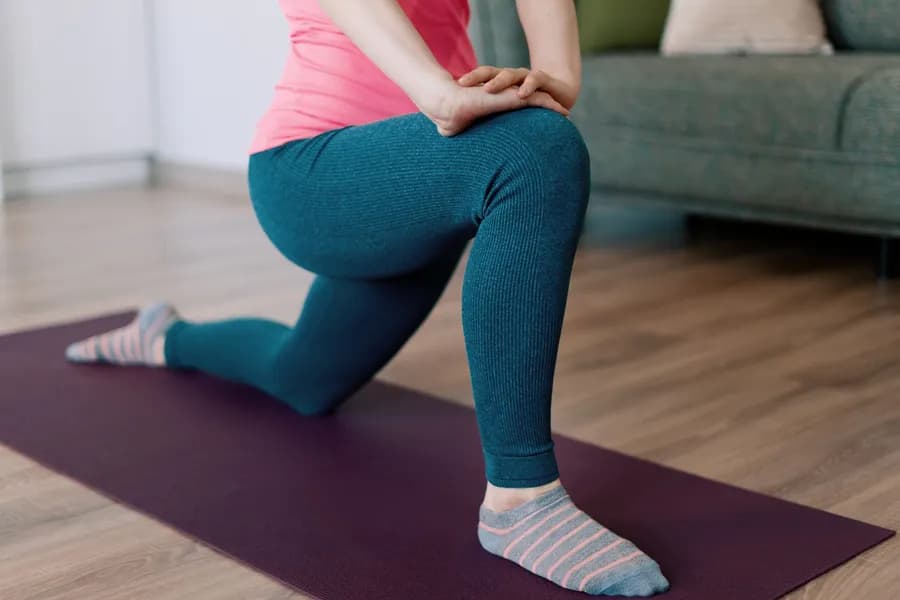
Hip Exercises for Pain: Best Moves to Feel Better at Home
Targeted hip movements strengthen the muscles around the joint and can meaningfully ease discomfort from bursitis, osteoarthritis, or impingement. See the best moves to try at home.

Neck Exercises for Pain Relief: Stretches, Routines & What Actually Works
Stretches, mobility drills, and isometric holds reduce neck tension and restore range of motion, with noticeable improvement within two to three weeks. See the routines that actually work.
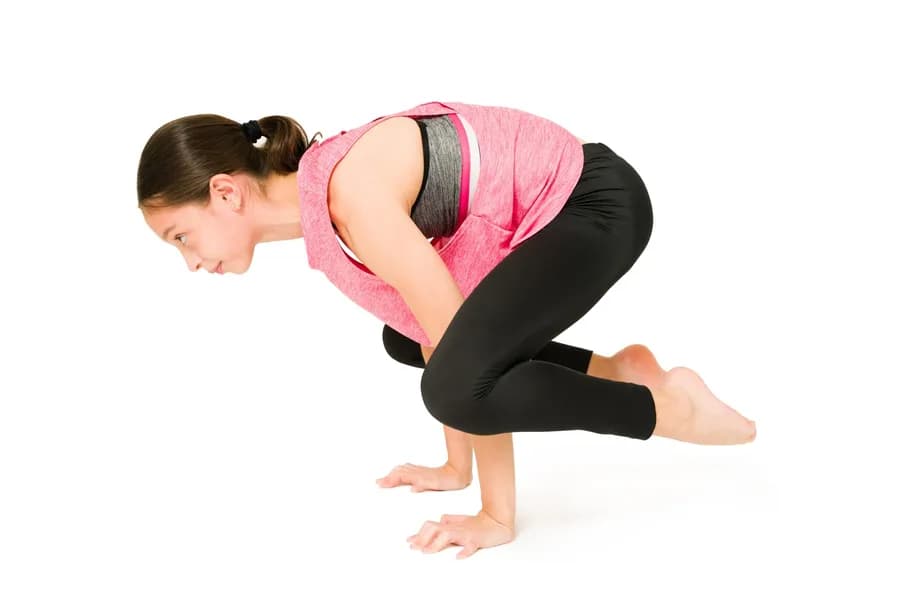
Best Exercise Routine for Beginners
Squats, push-ups, lunges, and planks done three days a week, with progressive difficulty, need no gym or equipment. See the full beginner routine.
Glute Exercises for Women: Benefits, Best Moves & How to Get Started
Bridges, squats, and clamshells build lower-body strength and improve posture, using nothing more than bodyweight. See the best moves to get started.

Glute Exercises for Men: Build Strength, Power, and Stability
Hip thrusts, Romanian deadlifts, and glute bridges build lower-body power and support athletic performance — with results in six to twelve weeks. See why glutes matter for men’s training.