
How to Do a Plank Properly: Step-by-Step Guide for Beginners
A correctly done plank activates the core, shoulders, glutes, and back muscles at once, but most people make form errors that eliminate the benefit entirely. See the step-by-step guide.
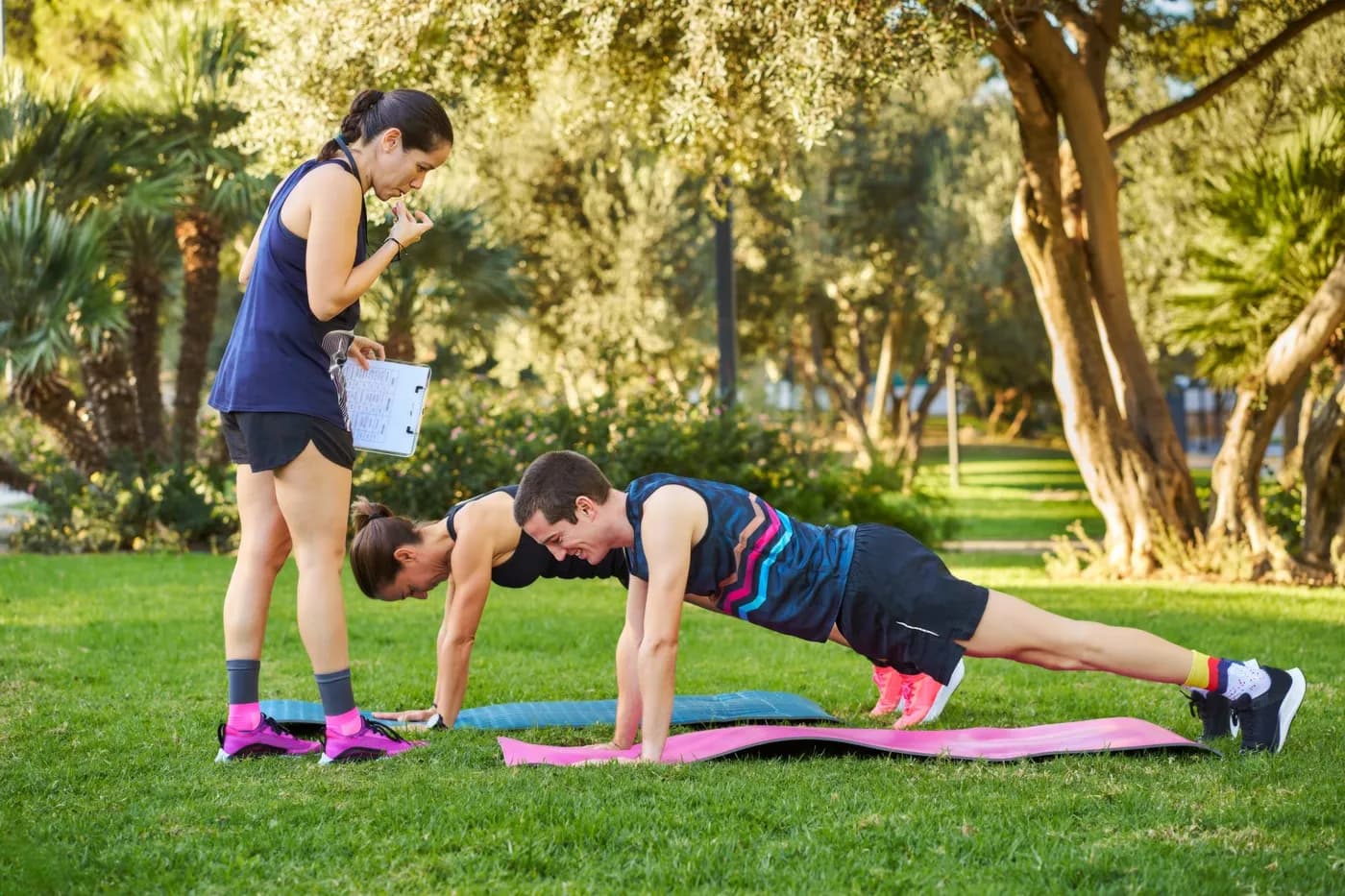
Key Takeaways
- Targets the transverse abdominis, the deep corset muscle that surface crunches never reach.
- Research found core-strengthening cuts low back pain intensity by up to 39% in office workers.
- A 60-second hold burns only 2-5 calories directly, but builds muscle that raises resting burn.
- A 2021 study linked 6 weeks of plank training to measurably reduced injury risk in athletes.
- Beginners should start at just 15-20 seconds, adding roughly 5 seconds per session.
- The knee plank variation builds identical core engagement at meaningfully lower intensity.
A plank is one of the most effective core-strengthening exercises you can do — no equipment, no gym, no movement required. When done correctly, it simultaneously activates your core, shoulders, glutes, and back muscles. But most people are making form errors that eliminate the benefit entirely. This guide shows you exactly how to do a plank properly — and how to progress safely over time.
Benefits of the Plank Exercise
- Builds Deep Core Strength — The plank targets the transverse abdominis — the deepest layer of abdominal muscle that acts as a corset for the spine. Unlike crunches, which only work surface muscles, the plank strengthens the foundation that protects your lower back in every movement you make throughout the day.
- Improves Posture and Reduces Back Pain — When your core is weak, your lower back compensates — leading to chronic pain. Consistent plank training strengthens the spinal stabilisers that keep your vertebrae correctly aligned. Research shows that core strengthening exercise reduces low back pain intensity by up to 39% in office workers.
- Burns Calories and Supports Fat Loss — Holding a plank engages multiple large muscle groups simultaneously, raising metabolic rate both during and after the exercise. A 60-second plank burns approximately 2–5 calories depending on body weight, and the muscle mass it builds increases your resting metabolic rate 24/7.
- Improves Balance, Stability and Athletic Performance — The plank trains proprioception — your body's ability to sense its own position. This translates directly into better balance in yoga in weightlifting, and reduced injury risk in all physical activity.
Research: A 2021 study in the Journal of Strength and Conditioning found that plank training for 6 weeks significantly improved core endurance and reduced injury risk in recreational athletes.
How to Get Started with Plank Exercise
What You Need to Begin
A yoga mat or any non-slip surface. No other equipment required. You can do this exercise in your bedroom, on your balcony, or anywhere you have 2 metres of flat space.
Setting Realistic Goals
If you have never done a plank before, start with 15–20 seconds. Do not attempt a 60-second hold in the first week — your form will collapse and you risk wrist or lower back strain. Aim to add 5 seconds per session. Consistency over duration — a daily 20-second plank done correctly beats a weekly 2-minute plank done badly.
Start with the Basics
Begin with the knee plank if a full plank feels too challenging. From hands and knees, lower to forearms and extend the body — knees remain on the floor, hips level. This is a fully valid starting point that builds the same core engagement as a full plank at lower intensity.
How to Do a Plank — Step-by-Step Instructions
Step 1: Starting Position
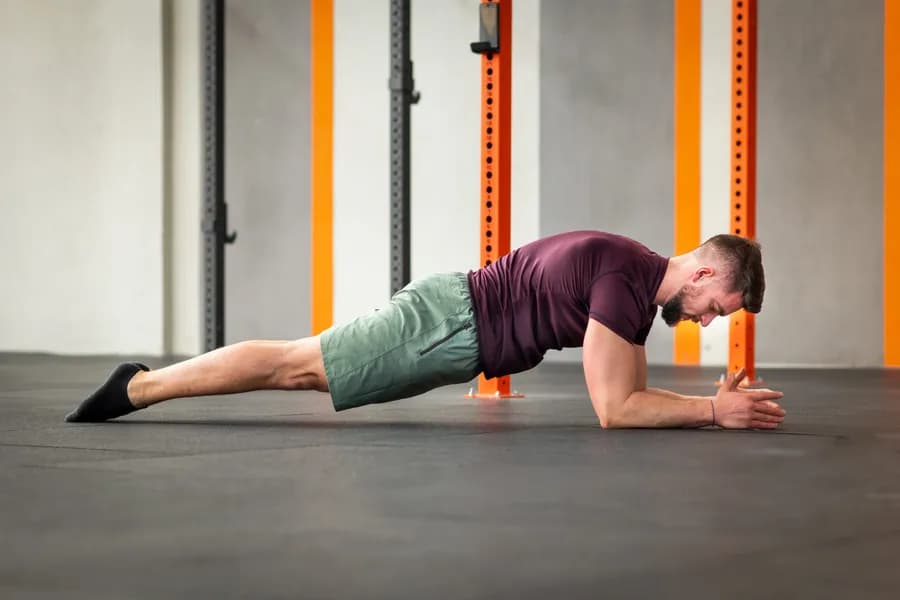
Lie face down on your mat. Place your forearms flat on the floor with elbows directly beneath your shoulders. Make fists with both hands or press palms flat — whichever feels more stable. Feet hip-width apart, toes tucked under.
Step 2: Lift the Body
Press through your forearms and toes simultaneously, lifting your hips off the floor. Your body should form a straight diagonal line from your heels to your head — no sagging at the hips, no lifting the bottom too high.
Step 3: Engage the Core
Pull your navel toward your spine — not sucking in, but actively drawing the abdominal wall inward and upward. Simultaneously squeeze your glutes and press through your heels. These three simultaneous engagements — abs, glutes, heels — are what make a plank actually work.
Step 4: Check Your Alignment
Head should be a natural extension of the spine — look at the floor about 15cm in front of your wrists, not at your feet or at the wall ahead. Shoulders stay broad and away from the ears — do not let them creep up. Neck long and relaxed.
Step 5: Breathe and Hold
Breathe normally throughout the hold — slow, steady nasal breaths. Most beginners hold their breath, which increases blood pressure and causes the hold to fail faster. 20–45 seconds for beginners, working up to 60+ seconds over weeks. When form breaks, stop — do not push through with poor alignment.
Step 6: How to Come Out of a Plank
Lower your knees to the floor first, then your hips. Take one full breath in child's pose before the next set. Never collapse straight down — controlled release protects your wrists and lower back.
Breathing in Plank: Inhale for 3 counts, exhale for 3 counts. The exhale actually deepens the core engagement — use it deliberately. Never hold the breath.
Common Mistakes to Avoid in Plank
- Hips Too High or Too Low — Piking the hips up eliminates core engagement — it becomes a shoulder exercise. Sagging the hips strains the lower back. Use a mirror or phone camera to check your line. Fix: think of a straight line from heels to head, and have a friend look at your alignment from the side.
- Elbows Not Under Shoulders — Placing elbows too far forward dramatically increases strain on the wrists and shoulders without improving core activation. Fix: elbows directly below the shoulder joints — if in doubt, draw an imaginary vertical line from shoulder socket to floor.
- Holding Breath — Breath-holding spikes blood pressure and causes the hold to fail within seconds. It also signals to the nervous system that this is a dangerous effort — increasing tension rather than stability. Fix: count your breaths out loud if necessary — breathing should be audible and rhythmic throughout.
- Neglecting the Glutes — Most people only engage their abs in a plank. Without glute activation, the pelvis tilts anteriorly — compressing the lumbar vertebrae and reducing core effectiveness by nearly 50%. Fix: actively squeeze both glutes at the start of every plank, and recheck mid-hold.
Who Should Do the Plank?
- Beginners — The knee plank makes this exercise accessible from day one. No gym, no equipment, no fitness background required. Start at 15 seconds and add time weekly.
- Women — The plank is one of the best exercises for the post-partum core — rebuilding deep abdominal strength without the intra-abdominal pressure that sit-ups create. Suitable from 6–8 weeks post-delivery with medical clearance.
- Older Adults — Core strength is the primary predictor of fall prevention and functional independence in older age. Knee planks and wall planks are appropriate modifications. Always consult a doctor before beginning if you have spine or blood pressure concerns.
- Working Professionals — A 30-second plank break at a desk combats the postural damage of 8 hours of sitting. Takes less space than standing up. Requires no warm-up for a brief hold.
Build Core Strength with a Routine That Actually Works
Building genuine core strength isn't about doing random planks — it's about consistent daily practice, correct form from day one, and progressive challenge built in so you don't plateau. With the right guidance, you can go from a 15-second hold to a 60-second hold in under six weeks.
- Daily live guided strength and yoga sessions
- Beginner to advanced plank progression
- No equipment — home-friendly workouts
- Expert real-time form correction
- Community support for daily consistency
- Streak tracking to build the habit
A plank held with correct form does real work for your core, shoulders, glutes and back, but that benefit multiplies when it's trained consistently rather than attempted here and there. Isometric strength like this responds well to steady, programmed effort over time, not one good session. Strong Everyday builds core work like the plank into a guided daily plan so the gains actually accumulate.
Frequently Asked Questions
Related Articles
How to Do Push Ups: Step-by-Step Guide for All Levels
Done correctly, the push-up builds chest, shoulder, tricep, and core strength at once with no equipment — done incorrectly, it strains the wrists and neck. See every variation with precise form cues.
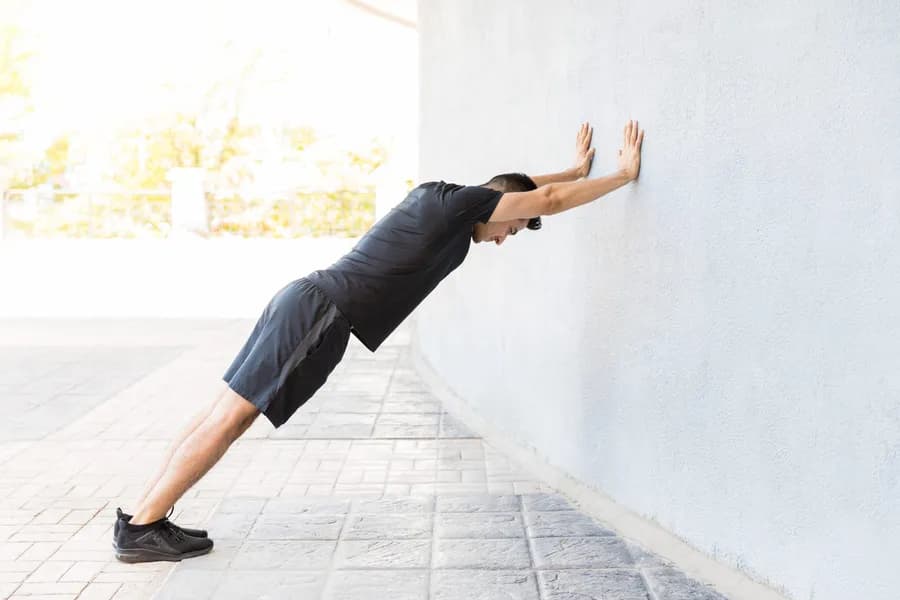
How to Do Push Ups for Beginners: Step-by-Step from Zero to 20 Reps
The correct progression runs wall push-ups to incline to knee to standard, taking most beginners from zero to 20 consecutive reps in 6-8 weeks. See the step-by-step guide.
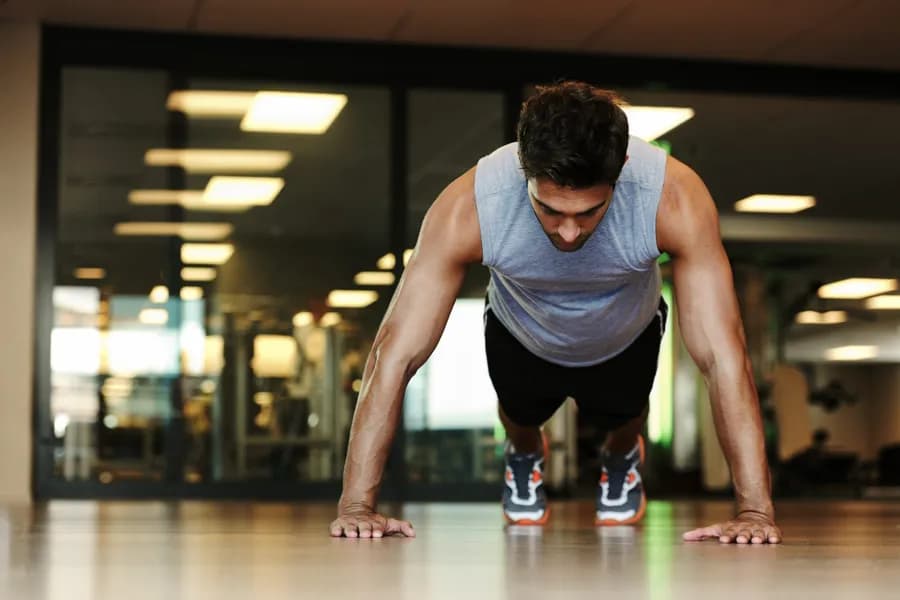
How Many Push-Ups per Day to Build Muscle: the Honest Answer
Push-up volume for real muscle growth depends on training age, current strength, rep range, and whether progressive overload is actually being applied — not a round number. See the evidence-based answer.
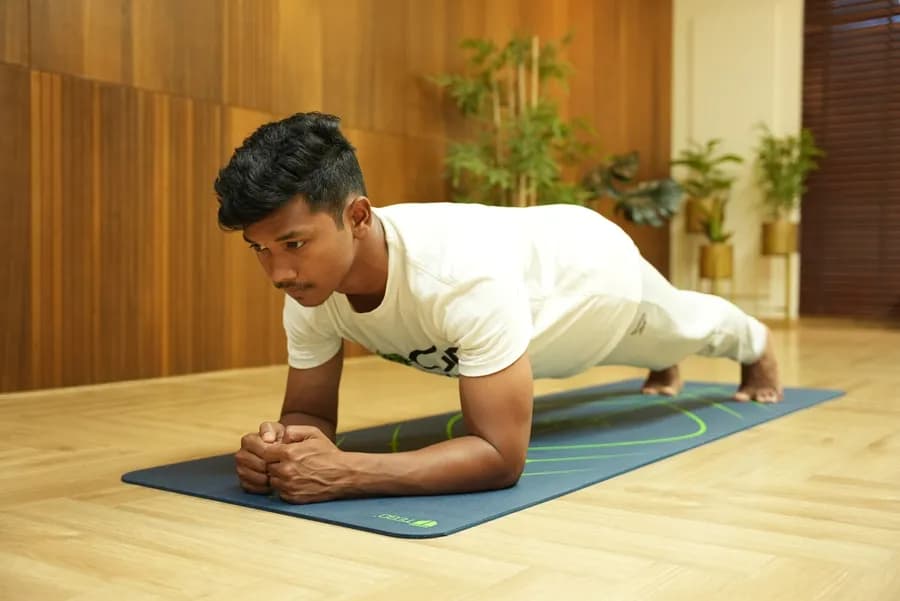
How to Do Planks Correctly — the Complete Form Guide and Common Mistakes That Sabotage Results
Sagging hips, lifted hips, locked elbows, and held breath are the common form errors that reduce or eliminate the core benefit while increasing injury risk. See the complete form guide.
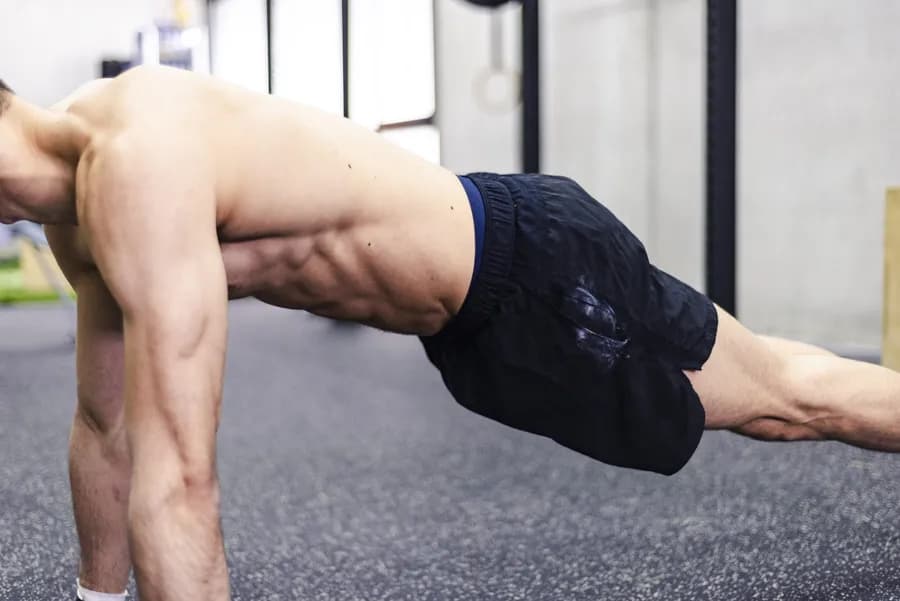
Do Planks Build Abs? the Honest Answer about Plank Effectiveness for Abs Development
Planks build the deep core muscles and isometric strength, but visible abs also require low enough body fat for that muscle to show — which needs full-body fat loss. See what planks actually do.