
How to Improve Bench Press Strength
Improving bench press strength takes progressive overload, consistent technique work, and targeted accessory exercises — not just more sets. See the key benefits, best exercises, and common mistakes.
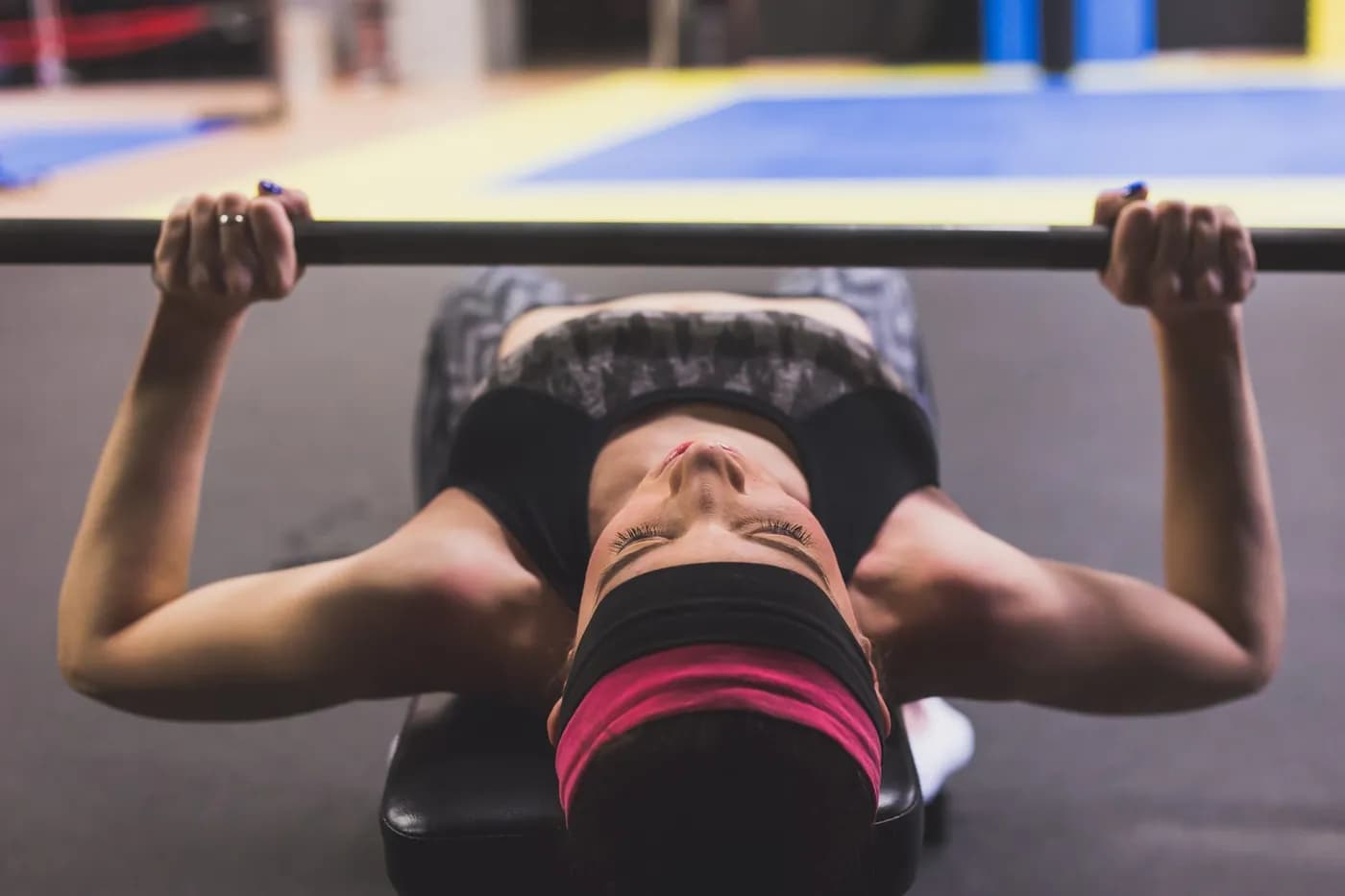
Key Takeaways
- Recruits the chest, triceps, anterior deltoids, and upper back simultaneously.
- Plateaus are rarely about effort – they usually mean training lacks a structured plan.
- Strengthens the rotator cuff and shoulder stabilisers when performed with correct form.
- A stronger bench press transfers directly into push-ups, overhead presses, and dips.
- A flat bench and a pair of dumbbells, or just bodyweight, is enough to start.
To improve bench press strength, you need progressive overload, consistent technique work, and targeted accessory exercises — not just more sets. The bench press recruits your chest, triceps, anterior deltoids, and upper back simultaneously, meaning every one of those muscles must be trained deliberately to drive the lift forward.
If you keep hitting the same weight week after week, the problem is rarely effort. Most people plateau because they’re training without a structured plan or logical progression. This guide covers the key benefits, best exercises, common mistakes, and who benefits most — along with the consistency framework that actually makes the difference. Explore the broader world of Full Body Strength Training to see how to improve bench press strength.
6 Benefits of a Stronger Bench Press
- Builds Upper Body Pushing Strength The bench press is one of the most direct ways to develop functional pushing power across your chest, anterior deltoids, and triceps. Over time, consistent training leads to noticeable improvements in how you move, lift, and manage everyday physical tasks.
- Supports Muscle Development in the Chest and Arms Regular bench pressing, when paired with progressive overload, gradually increases lean muscle mass in the pectorals and triceps. This is why it remains a cornerstone in most structured strength programmes focused on upper body development.
- Improves Shoulder Stability When performed with correct form, the bench press strengthens the rotator cuff muscles and stabilisers around the shoulder joint. This contributes to better shoulder health and reduces the likelihood of injury over time.
- Boosts Bone Density Resistance training through pressing movements places controlled stress on bones, which supports improved bone density over time — especially relevant for adults over 40. Understanding what strength training exercises actually involve helps you approach each session with purpose rather than guesswork.
- Transfers Strength to Other Movements A stronger bench press carries over into push-ups, overhead pressing, and dips. Building this pressing base benefits nearly every sport and movement pattern you engage in outside the gym.
- Enhances Neuromuscular Coordination As you progress, your nervous system becomes better at recruiting muscle fibres efficiently. This improved coordination means you can generate more force even before your muscles visibly grow — one reason beginners often see fast early gains.
How to Get Started with Bench Press Strength Training
What You Need to Begin
You don’t need an elaborate gym setup to start building pressing strength. A flat bench and a pair of dumbbells — or even just your bodyweight — can form the foundation of early training. Push-up variations are a perfectly valid starting point if a barbell isn’t available. Once you’re comfortable, a barbell or adjustable dumbbells allow more precise loading and better long-term progression.
Setting Realistic Goals
Beginners often see the fastest strength gains — sometimes adding weight every single week in the early months. The key is to avoid jumping into heavy loads too soon. Start lighter than you think you need to, focus on technique first, and build incrementally. Aim to increase the load by no more than 2.5–5 kg per week once your form feels solid and consistent.
Start with the Basics
Before loading the bar, master the movement pattern: retract your shoulder blades, plant your feet firmly on the floor, grip the bar just outside shoulder-width, and lower it to mid-chest with control. Three sets of 8–10 reps at a moderate load, twice per week, is a sound starting protocol. If you plan to train from home, learning how to do strength training at home effectively gives you a practical framework to build on.
Best Exercises to Increase Bench Press Strength

Flat Barbell Bench Press
This is the primary movement. Focus on a controlled descent, a brief pause at the chest, and a strong press back to lockout. For strength development, perform 3–5 sets of 3–6 reps with at least 2–3 minutes of rest between sets.
Close-Grip Bench Press
Narrowing your grip shifts more demand onto the triceps, which are often the limiting muscle in heavy pressing. Adding this variation twice per week can meaningfully increase lockout strength. Aim for 3 sets of 6–8 reps.
Dumbbell Chest Press
Dumbbells require each side to work independently, correcting strength imbalances between your left and right chest. This variation also allows a slightly greater range of motion at the bottom of the rep. Use 3 sets of 10–12 reps at a weight where the final two reps feel genuinely challenging.
Triceps Dips
Strong triceps are essential for pressing through the midpoint of the lift. Parallel bar dips build tricep mass and strength in a way that directly complements bench press performance. Aim for 3 sets of 8–12 reps, adding load via a weight belt once bodyweight becomes easy.
Push-Ups (Weighted or Elevated)
Push-ups build the same movement pattern as the bench press and are excellent for accumulating pressing volume without additional joint stress. Elevate your feet to increase chest recruitment, or add a weight plate on your back for extra resistance. Three to four sets of 15–20 reps work well as supplementary pressing volume.
Overhead Press
The overhead press builds shoulder and upper chest strength that carries over to bench press performance. Standing and pressing a barbell or dumbbells overhead two to three times per week keeps your shoulder girdle balanced and resilient.
Pause Bench Press
Holding the bar motionless on your chest for 1–2 seconds eliminates momentum and forces your muscles to generate force from a dead stop. This is one of the most effective techniques to break through a pressing plateau. Use around 80% of your normal working weight and perform 4 sets of 4–5 reps.
Common Mistakes to Avoid When Training the Bench Press
- Poor Form Flaring your elbows excessively, bouncing the bar off your chest, or allowing your lower back to arch dramatically all reduce effectiveness and increase injury risk. Drill proper technique before chasing heavier loads. A mirror or training partner can catch form breakdowns early.
- Skipping the Warm-Up Jumping into heavy sets without preparation is a fast path to shoulder and pectoral strains. Start every pressing session with 5–10 minutes of general movement — arm circles, band pull-aparts, and a few warm-up sets working gradually from an empty bar before approaching your working weight.
- Overtraining Pressing heavy multiple times per week without adequate recovery will stall progress faster than under-training ever would. Most lifters see better results pressing 2–3 times per week with at least 48 hours of recovery between heavy sessions. Sleep and nutrition are every bit as important as the sessions themselves.
- Inconsistency Strength is built over months and years, not days. Skipping sessions, switching programmes every few weeks, or training without logical progression are the biggest obstacles to increasing bench press strength. Showing up regularly and following a structured plan is the single most important variable.
Who Should Try Bench Press Strength Training?
- Beginners The bench press is beginner-friendly when started at a light load with proper guidance. Beginners typically gain strength faster than any other group because their nervous systems are rapidly learning to recruit muscle fibres. Starting with push-up variations before progressing to a barbell is a sensible first step. For a structured entry point, Strength Training For Beginners covers exactly what you need to get started without guesswork.
- Women There is a persistent myth that heavy pressing will make women bulky. In reality, women have significantly lower testosterone levels than men, which means strength training — including the bench press — builds lean, defined muscle rather than bulk. Pressing movements are excellent for developing upper body tone and practical functional strength.
- Older Adults For adults over 50, building upper body pressing strength helps support functional independence — from managing heavy loads to improving daily ease of movement. Modified versions using dumbbells or a Smith machine offer a safer, more controlled entry point. Always consult your physician before starting a new strength programme if you have existing joint or cardiovascular concerns.
- Working Professionals Desk-bound work creates rounded shoulders and a weakened upper back. The bench press, combined with complementary pulling exercises like rows, helps restore postural balance and builds upper body strength that prolonged sitting gradually erodes. Sessions as short as 30–40 minutes, twice per week, can produce consistent, measurable results for even the busiest schedules.
Build Strength with a Routine That Actually Works
Building bench press strength isn’t about random pressing sets and hoping for progress. It’s about consistent, guided training — following a structured plan that progresses you logically, corrects your form in real time, and keeps you showing up week after week. Explore how pressing, pulling, and shoulder work integrate into a complete Strength Training For Upper Body programme.
What You Get with Habuild’s Strong Everyday Program:
- Daily live guided strength sessions with expert instruction
- Progressive programming from beginner to advanced levels
- Home-friendly and minimal-equipment options available
- Real-time form guidance to keep your training safe and effective
- A community of consistent practitioners to train alongside
If you’ve been searching for a way to finally increase your bench weight and build lasting upper body strength, a structured daily programme is where that change actually begins.
Related reads: Benefits of the Bench Press · How to Do Bench Press Correctly: the Complete Form Guide
Progressive overload and consistent technique work are exactly the kind of training that’s hard to structure alone, session after session, without a plan tracking your sets and accessory work. The chest, triceps, and upper back all need deliberate, sequenced training to move a lift like this forward. Habuild’s Strong Everyday program offers that guided structure, so pressing strength keeps building instead of plateauing.
Frequently Asked Questions
Related Articles

What Muscles Do Push Ups Work?
Push ups engage the chest, triceps, front shoulders, core, and upper back stabilisers at once — a full-body compound movement requiring zero equipment. See the full breakdown.
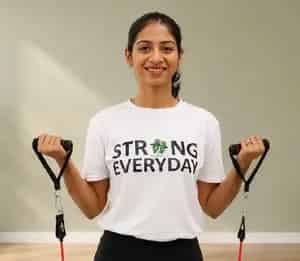

Strength Training Exercises for Men: Benefits, Best Moves & How to Get Started
Progressive resistance training — bodyweight, dumbbells, or bands — builds lean muscle, stronger joints, and better energy from the first week of consistent practice. See the best moves to start with.
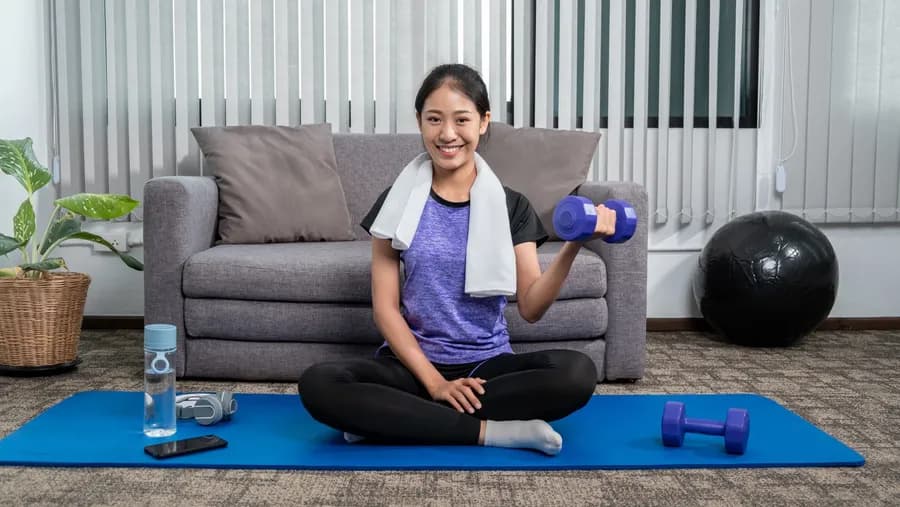
Strength Training Exercises for Women: The Complete Beginner’s Guide
Strength training builds lean muscle, improves metabolism, and supports bone health — consistency, not intensity, is the variable that actually matters. See 10 benefits and how to start.

Strength Training for Older Adults: Benefits, Exercises & How to Start
Resistance exercise two to three times a week helps preserve muscle mass, support bone density, and maintain the functional strength needed for everyday independence, at any age from 50 onwards. See the key benefits and best exercises.
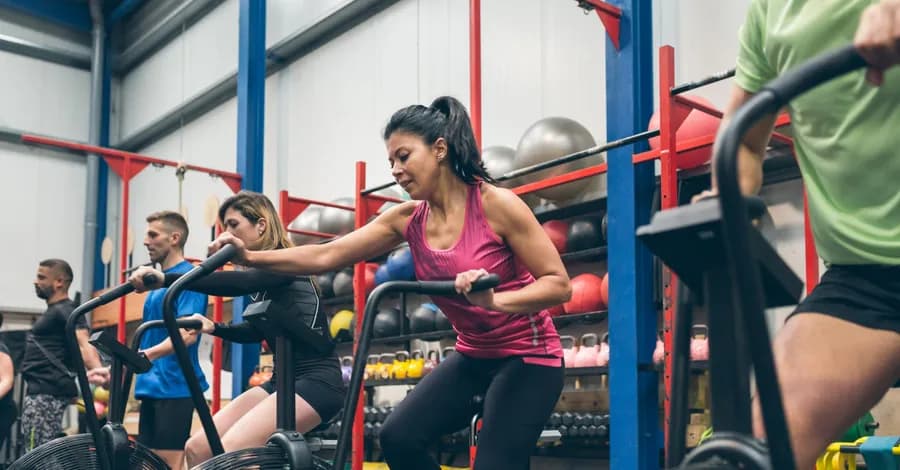
What Is Strength Training? Benefits, Exercises & How to Get Started
Strength training uses resistance — bodyweight, dumbbells, or bands — to challenge muscles and stimulate growth, building lean muscle and raising metabolism for all ages and experience levels. See the benefits and how to start.