
How to Lose Fat While Gaining Muscle: A Complete Guide
Body recomposition is achievable with structured resistance training, adequate protein, and consistent effort — most beginners see visible changes within 8-12 weeks. See the complete guide.

Key Takeaways
- Body recomposition is achievable with the right training approach
- Visible changes typically appear within 8-12 weeks of training
- Building lean muscle raises resting metabolism, aiding weight management
- Resistance training improves insulin sensitivity and blood sugar control
- Balanced muscle development around hips, knees, shoulders reduces injury risk
- Consistent training keeps motivation higher than cardio-only approaches
How to lose fat while gaining muscle — known as body recomposition — is one of the most searched fitness goals in India. It is achievable with structured resistance training, adequate protein intake, and consistent effort. Most beginners see visible changes in body composition within 8–12 weeks of following a progressive, full-body programme.
If you want to know how to lose fat while gaining muscle, you are not alone. This is one of the most common fitness goals, and with the right approach to training and nutrition, both can progress together. Explore Habuild's broader Strength Training programme to understand the full framework behind building a leaner, stronger body at home.
10 Benefits of Training for Losing Fat While Building Muscle
- Improved Body Composition When you train for both goals at once, your body gradually carries more lean tissue and less stored fat. Over time this shows up as a more defined physique even when the number on the scale barely moves.
- Boosted Resting Metabolism Muscle tissue burns more calories at rest than fat tissue. As you build lean muscle, your body's baseline calorie burn increases, making it easier to manage weight long-term without extreme dieting.
- Better Insulin Sensitivity Regular resistance training helps muscles use glucose more efficiently, supporting healthier blood sugar regulation and reducing the energy crashes that often accompany poor metabolic health.
- Stronger Bones and Joints Progressive strength training places healthy stress on bones, stimulating density over time. This is especially valuable for staying active and mobile well into your forties, fifties, and beyond.
- Supports Fat Reduction Over Time Consistent training that builds muscle while keeping calorie intake in check helps your body draw on stored fat for energy. Results are gradual but far more sustainable than crash-diet approaches.
- Increased Functional Strength Exercises targeting multiple muscle groups at once improve your ability to carry groceries, climb stairs, and perform daily tasks with less fatigue and discomfort.
- Mood and Energy Improvement Strength training triggers the release of endorphins and supports better sleep quality. Most people report feeling more energetic and less anxious within just a few weeks of consistent effort.
- Reduced Risk of Injury Balanced muscle development around the hips, knees, and shoulders provides structural support that may reduce common injury risk during both exercise and everyday movement.
- Hormonal Balance Regular moderate-intensity exercise helps regulate hormones like cortisol that directly influence fat storage and the body's capacity to build and maintain muscle tissue.
- Long-Term Consistency When you see gradual improvement in strength alongside visible changes in body shape, motivation to keep training stays far higher than with cardio-only approaches focused entirely on the scale.
How to Get Started with Body Recomposition
What You Need to Begin
No gym membership is required to start. Bodyweight exercises — push-ups, squats, lunges, planks — are highly effective for beginners. A pair of light dumbbells or resistance bands expands your options without significant cost. For those who want a dedicated training space, Strength Training Home Gym guidance can make the setup surprisingly simple and affordable.
Setting Realistic Goals
Body recomposition is a slower process than pure muscle building or pure fat loss in isolation. Expect gradual visible change over 8–12 weeks of consistent training. Focus on getting a little stronger each week rather than obsessing over daily weight fluctuations — the scale is a poor indicator of recomposition progress.
Start with the Basics
Begin with two to three full-body sessions per week, leaving at least one rest day between each. Every session should include a compound lower-body exercise, a push movement, a pull movement, and a core exercise. Keep sessions between 30 and 45 minutes so they remain sustainable long-term.
Best Exercises for Losing Fat While Building Muscle
Squats
The squat is one of the most effective lower-body exercises for building strength and burning calories in the same movement. It targets the quads, glutes, and hamstrings while engaging the core throughout. Aim for 3 sets of 10–15 reps. Bodyweight squats work well to start; add a dumbbell or resistance band as you get stronger.
Push-Ups
Push-ups train the chest, shoulders, and triceps with zero equipment and also require core stability, making them a true compound movement. Start with 3 sets of 8–12 reps and progress to decline or weighted variations over time.
Lunges
Lunges challenge balance, hip stability, and single-leg strength, making them particularly effective for shaping the glutes and thighs. Perform walking or reverse lunges for 3 sets of 10 reps per leg. Add dumbbells for progressive overload as you grow stronger.
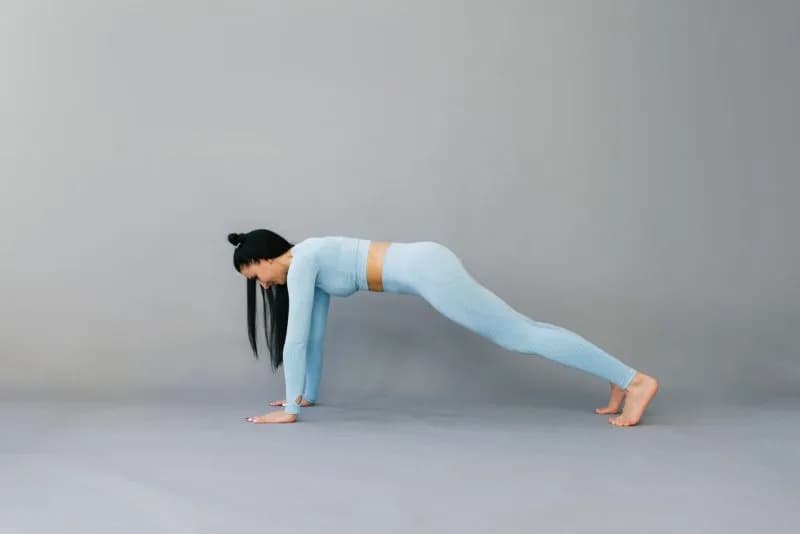
Plank
The plank builds deep core strength and improves posture without spinal compression. Hold for 20–60 seconds depending on your level, for 3 sets. A strong core directly supports every other compound lift in your routine.
Dumbbell Rows
Single-arm rows target the back, rear shoulders, and biceps — muscle groups most beginners neglect. Strong back muscles improve posture and balance out the push movements in your programme. Perform 3 sets of 10–12 reps per side. For progressive variation, explore Back Muscles Workout options that build on this foundation.
Glute Bridges
Glute bridges activate the posterior chain — the glutes, hamstrings, and lower back — which is often undertrained. Perform 3 sets of 15 reps, pausing for a second at the top. Elevate your feet or add a resistance band around the thighs for a more demanding variation.
Overhead Press
Standing or seated dumbbell overhead presses strengthen the shoulders, triceps, and upper back while requiring significant core engagement. Perform 3 sets of 10–12 reps with a challenging but manageable weight.
Common Mistakes to Avoid
- Poor Form Lifting with improper technique reduces exercise effectiveness and raises injury risk. Prioritise controlled movement over heavier weights, especially in your first four to six weeks. Record yourself occasionally or train with an expert to check alignment on key lifts.
- Skipping Warm-Up Cold muscles are stiffer and more prone to small tears. Spend five to eight minutes before each session on light cardio and dynamic stretches for the areas you are about to train. This also primes your nervous system for better performance during working sets.
- Overtraining More sessions do not automatically mean faster results. Muscle is built during rest, not during the workout itself. Training the same muscle group without adequate recovery leads to fatigue, stalled progress, and a higher chance of injury. Two to three strength sessions per week is sufficient for most beginners.
- Inconsistency This is the most common reason people fail to see body recomposition results. Training intensely for two weeks then stopping for a month resets much of your progress. A structured programme with daily accountability is one of the most effective ways to build the habit before motivation alone runs out.
Who Should Try Training for Losing Fat While Building Muscle?
- Beginners People new to structured exercise often experience the most dramatic recomposition results because the body is adapting to new training stimulus for the first time. Even modest, consistent bodyweight effort can produce visible changes in muscle definition and fat distribution within 8–12 weeks. The entry barrier is intentionally low — start with what you have.
- Women A common concern is that strength training will create a bulky physique. This is largely a myth. Because women have significantly lower testosterone levels than men, resistance training primarily produces a leaner, more toned appearance rather than large muscle mass. Female Strength Training remains one of the most effective tools for sustainable body composition improvement and long-term bone health.
- Older Adults After the age of 35, muscle mass naturally begins to decline at roughly one percent per year if untrained. Resistance training slows this process, supports better mobility, and helps maintain bone density. Older adults should begin with lighter loads and prioritise movement quality. Always consult your doctor before starting a new exercise programme if you have existing health conditions.
- Working Professionals Desk-based workers often carry excess fat around the midsection due to prolonged sitting and low daily movement. Short, focused strength sessions of 30–40 minutes, done consistently three times per week, can improve posture, reduce back discomfort, and meaningfully shift body composition over time — without requiring a gym visit.
Build Strength with a Routine That Actually Works
Building lean muscle while losing fat is not about doing random workouts — it is about consistency, expert guidance, and following a structured plan that progresses week by week. for body recomposition. With the right support, you can train effectively from home and see real, gradual improvement over time.
What You Get with Habuild's Strong Everyday Program:
- Daily live guided strength sessions with expert trainers
- Beginner to advanced progression built into the programme
- No-equipment and home-friendly workouts
- Real-time form correction to ensure safe, effective training
- Community support to help you stay consistent when motivation dips
If you are serious about learning how to burn fat while building muscle in a sustainable way, a Strength Training Program is the most reliable path forward.
Start Your Strength Training Journey
Related reads: How to Lose Fat While Building Muscle · Does Muscle Gain Increase Weight? What the Scale is Not Telling You
Body recomposition is a slow, deliberate process that depends on structured resistance training and steady protein intake sustained over weeks, not sporadic effort in either direction. A guided program is what keeps that dual goal on track, pacing your training so muscle and fat move in opposite directions simultaneously. Strong Everyday offers that kind of structured, consistent strength training to support recomposition goals like this one.
Frequently Asked Questions
Related Articles
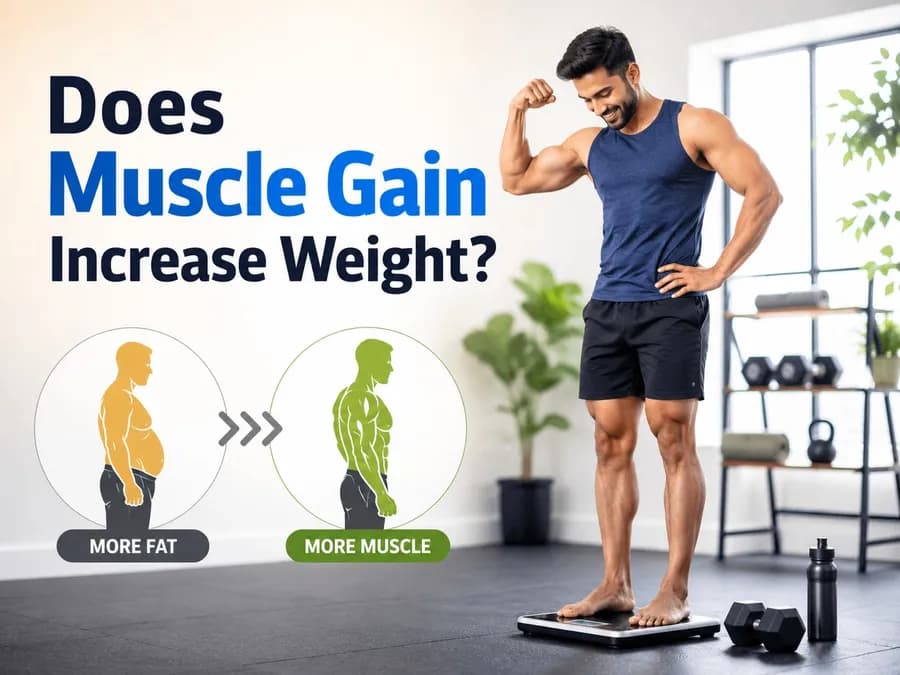
Does Muscle Gain Increase Weight? What the Scale is Not Telling You
Muscle is roughly 18% denser than fat by volume, so a given weight of muscle takes up less space — the scale can rise, stay flat, or fall while the body visibly transforms. See what the scale isn't telling you.
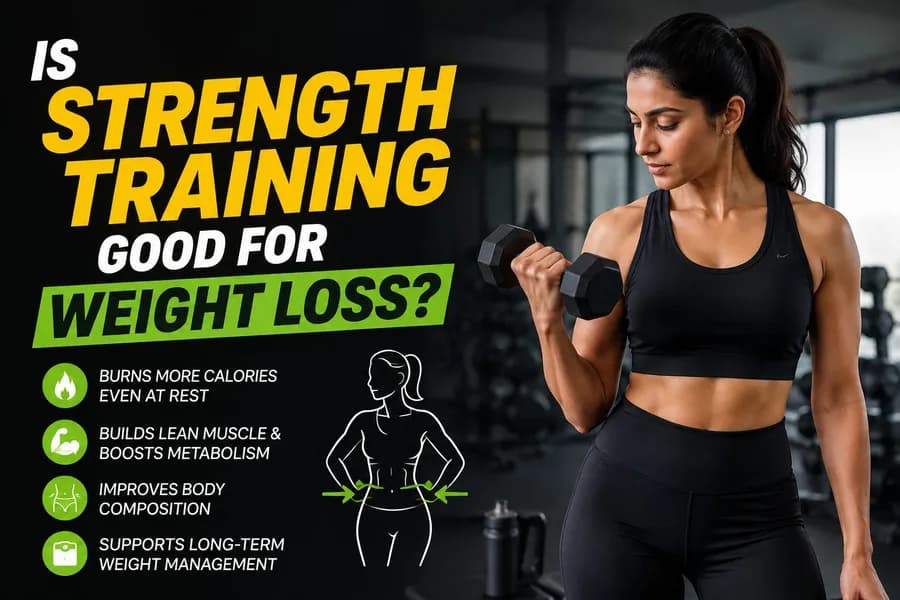
Is Strength Training Good for Weight Loss?
Strength training raises your resting metabolic rate over time, not just calories burned during the session — building lean muscle and triggering an afterburn effect. See why the evidence says yes.
Best Cardio for Fat Loss: Exercises, Tips & What Actually Works
HIIT, brisk walking, jump rope, and cycling are among the most effective formats — each suited to different fitness levels and schedules. See what actually works, and how to build a routine you can sustain.
How to Fix Muscle Imbalances: A Practical Guide
When one side of the body is noticeably stronger or tighter than the other, targeted unilateral training can reduce injury risk and unlock strength progress bilateral exercises can't. See the practical guide.