
What Are Barre Exercises? A Complete Beginner’s Guide
Ballet-inspired movements combining Pilates and yoga principles, using a barre or chair for support, build lean strength without heavy weights or high-impact moves. See the complete beginner's guide.
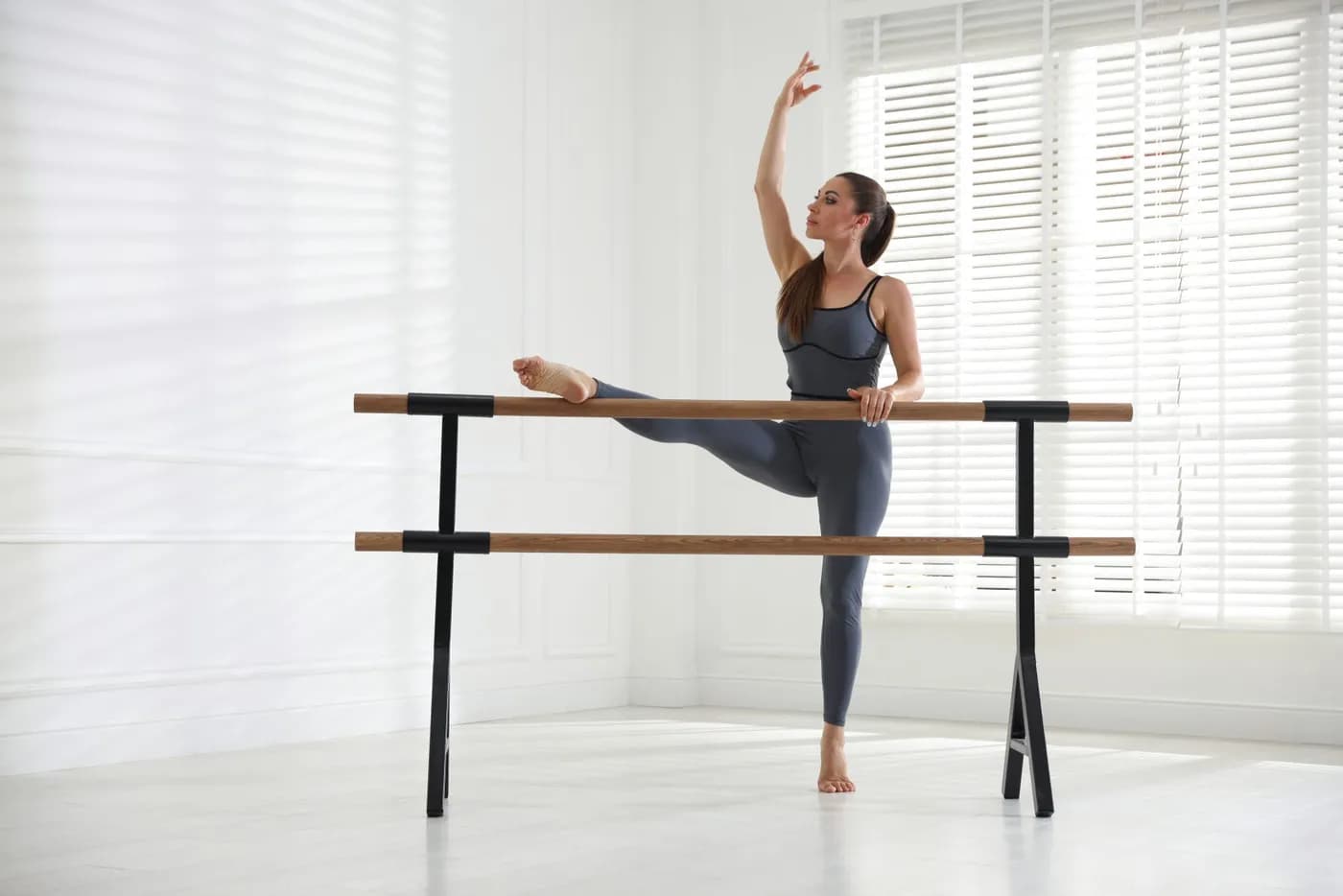
Key Takeaways
- Blends ballet-inspired positions with elements of Pilates, yoga, and functional strength training.
- Small pulses and isometric holds specifically target slow-twitch muscle fibres.
- Low-impact and joint-friendly since there is no jumping or heavy load involved.
- A sturdy chair or kitchen counter can substitute for a studio ballet barre at home.
- A realistic beginner goal is 3-4 sessions a week of 30-45 minutes each.
- Plié squats, with heels together and toes turned out, are a foundational starting move.
Barre exercises are low-impact, ballet-inspired movements that combine Pilates and yoga principles with small isometric holds and pulses. Using a barre or chair for support, you target specific muscle groups to build lean strength, improve posture, and tone the body without heavy weights or high-impact moves.
If you have ever wondered what are barre exercises and whether they actually deliver results, you are in the right place. Barre is a low-impact strength workout that blends ballet-inspired positions with elements of Pilates, yoga, and functional strength training. You hold small, controlled movements at a ballet barre (or a sturdy chair at home) to fatigue specific muscle groups, build lean tone, and improve posture. It looks gentle, but the burn is real.
This guide breaks down what barre is, the benefits, beginner-friendly exercises, common mistakes, who it suits, and a simple barre workout plan you can follow at home.
Top Benefits of Barre Exercises
- Builds Long, Lean Muscle The small pulses and isometric holds in barre target slow-twitch muscle fibres. Over time, this supports muscle endurance and a toned, defined look without heavy lifting.
- Improves Posture and Alignment Barre constantly cues you to lengthen your spine, engage your core, and stack your shoulders. Practised regularly, this carries into how you sit, stand, and walk through the day.
- Strengthens the Core Deeply Almost every barre move recruits the core for balance. This consistent engagement helps build deep abdominal and pelvic floor strength — closer to what core muscle exercises aim for, but with more mindful control.
- Low-Impact, Joint-Friendly Because there is no jumping or heavy load, barre is gentle on the knees, hips, and lower back. This makes it a smart option for people returning to fitness or managing joint sensitivity.
- Boosts Flexibility and Balance Each class blends strength work with stretching. Over weeks, you notice better hip mobility, looser hamstrings, and steadier balance on one leg.
How to Get Started with Barre at Home
What You Need to Begin
You do not need a studio setup. A sturdy chair or kitchen counter works as your barre. Add a yoga mat, comfortable workout clothes, and optionally a small ball or light dumbbells (1–2 kg). Grippy socks help, but bare feet are fine.
Setting Realistic Goals
Aim for 3–4 sessions a week of 30–45 minutes each. Track how long you can hold a plié or how steady your balance feels — these small markers matter more than the scale in the early weeks. The point is consistency, not intensity.
Start with the Basics
Begin with foundational positions: first position (heels together, toes turned out), parallel stance, and a light hand on your barre. Focus on form before reps. Two slow, correct pulses beat ten sloppy ones every time.
Best Barre Exercises for Beginners
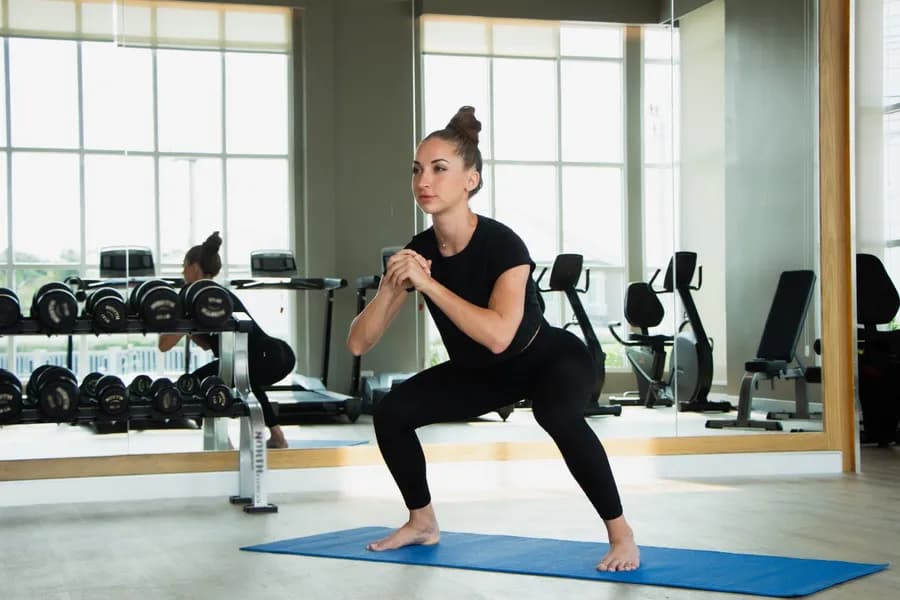
Plié Squats
Stand with heels together and toes turned out. Bend your knees over your toes, keep your spine tall, and pulse down a few inches. Do 2 sets of 15 pulses. This sculpts inner thighs, glutes, and quads.
Relevé
From a plié or standing position, lift both heels off the floor and lower with control. Aim for 2 sets of 20 reps. It builds calf strength, ankle stability, and balance.
Pretzel
Sit on the floor with one leg bent in front and the other bent behind you. Lift the back leg an inch and pulse for 20 reps each side. This is one of barre’s signature glute-shaping moves.
Curtsy Lunge
From standing, cross your right leg behind your left and bend both knees into a curtsy. Push back to standing. Do 12 reps per side. Strong move for glutes, outer thighs, and balance — close cousin to classic exercises for functional strength.
Arabesque Leg Lifts
Holding your barre, lean forward slightly and lift one straight leg behind you. Pulse 15 times, then switch sides. Targets the hamstrings, glutes, and lower back.
Plank with Leg Lifts
Hold a forearm plank and lift one leg a few inches, alternating sides. Aim for 30 seconds. Builds core, shoulders, and glutes together.
Wide Second Position Hold
Step wide, turn toes out, and lower into a deep squat. Hold for 30 seconds, then pulse for 15. The slow burn here is the essence of barre.
Common Mistakes to Avoid
- Poor Form Tucking the pelvis too aggressively, locking knees, or letting the lower back arch reduces results and risks strain. Keep movements small but precise.
- Skipping Warm-up Cold muscles do not respond well to isometric holds. Spend 5 minutes warming up with gentle Surya Namaskara rounds or light cardio before starting.
- Overtraining Doing barre every single day without recovery can leave smaller stabiliser muscles fatigued. Two rest days a week, with light yoga or walking, work best.
- Inconsistency Barre rewards regular practice, not occasional intense sessions. Three steady weeks of 30-minute classes outperform one heroic 90-minute weekend session.
Who Should Try Barre Exercises?
- Beginners Low-impact and easy to scale, barre is one of the friendliest entry points into structured fitness. You can start without prior experience in dance, yoga, or the gym.
- Women Barre is especially popular with women looking for strength without bulk. The focus on glutes, core, and posture helps with everyday movement quality and confidence.
- Older Adults The chair-supported, joint-friendly format supports bone density and balance for older practitioners. Always check with your doctor before starting a new routine if you have existing conditions.
- Working Professionals If you spend long hours sitting, barre directly targets weak glutes, tight hips, and poor posture. A 30-minute home session before or after work fits neatly into a busy day.
Build Strength with a Routine That Actually Works
Building real strength is not about random workouts pulled from the internet. It is about consistency, structured progression, and guided practice — which is exactly where most beginners get stuck. With the right support, you can train effectively from home and see steady, lasting progress.
What you get with Habuild’s Strong Everyday Program:
- Daily live guided strength and yoga sessions
- Beginner to advanced progression you can follow at your pace
- No-equipment and home-friendly workouts
- Expert guidance to ensure correct form and avoid injury
- A community that helps you stay consistent
Related reads: What Are Abdominal Exercises? Complete Beginner’s Guide · Strength Training Exercises for Women: The Complete Beginner’s Guide
Barre’s small isometric holds and pulses look deceptively gentle, but the strength and toning they deliver depend on doing them with precise form, session after session. Without guidance, it’s easy to rush the holds and miss most of the benefit. Habuild’s Strong Everyday program offers guided, structured sessions that bring this kind of controlled training into a routine you can follow consistently.
Frequently Asked Questions
Related Articles
What Are Pilates Exercise? Benefits, Moves & Routine
Controlled, breath-led movements strengthen the deep core and develop body awareness, with every rep performed slowly and with precision. See the benefits, moves, and routine.
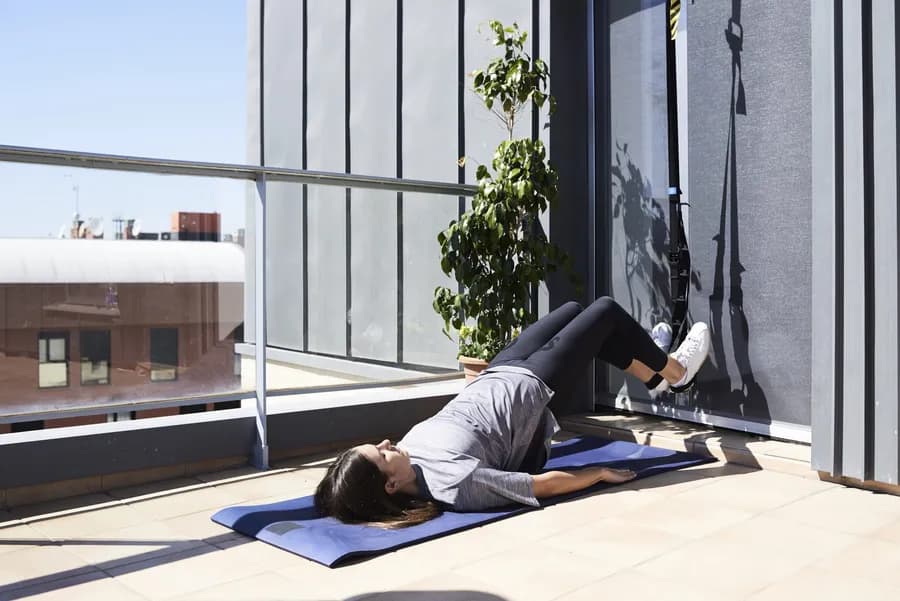
Wall Pilates Exercises: Full Guide for Strength & Toning
Using a wall for support and feedback builds core strength, improves posture, and tones the body with low-impact, joint-friendly precision. See the full guide.
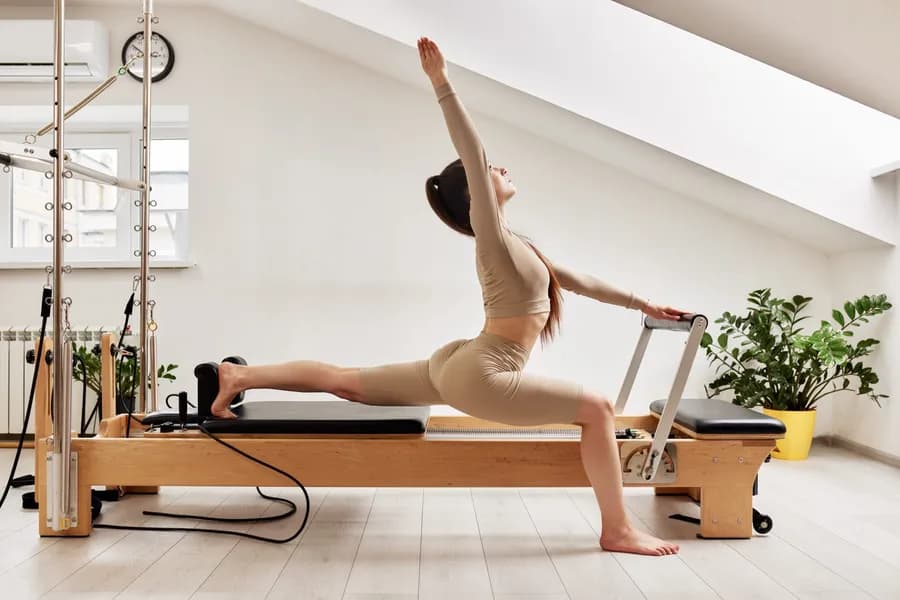
10 Benefits of Pilates: Strength, Posture & More
Pilates builds deep core strength, improves posture, and increases flexibility without strain — functional strength you actually use in daily life. See all 10 proven benefits.
What Is The Best Exercise For Flexibility? Top Picks
A daily 15-minute routine combining downward dog, low lunge, butterfly, and seated forward fold builds lasting range of motion better than long, occasional sessions. See the top picks.
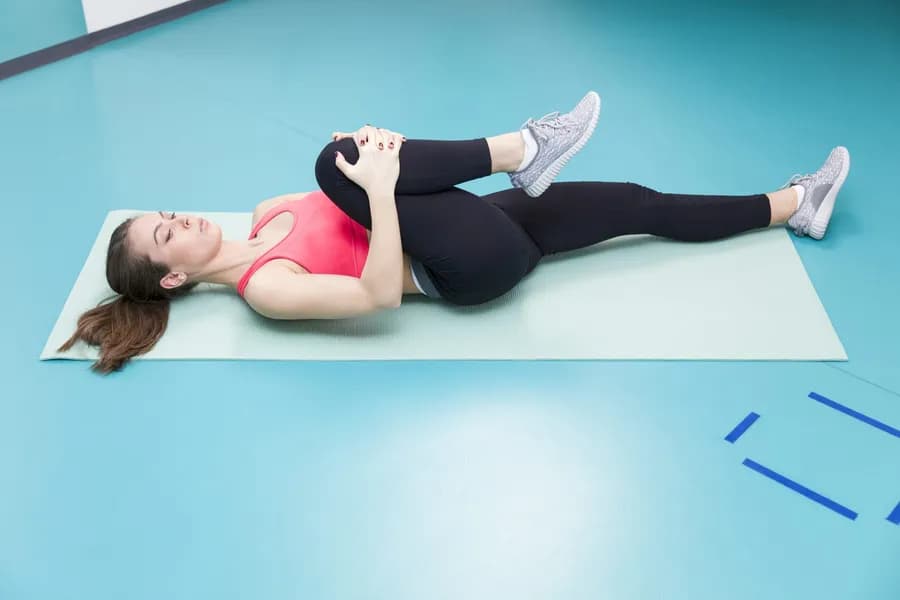
What Are Mobility Exercises? Complete Guide for Beginners
Controlled movements that take your joints through their full range of motion build flexibility, strength, and stability together, unlike static stretching. See the complete guide for beginners.