
Manipura Chakra Benefits: Poses, Mudras & Practice Guide
Discover manipura chakra benefits for confidence, digestion & energy. Learn poses, mudras & how to activate your solar plexus chakra with guided practice.

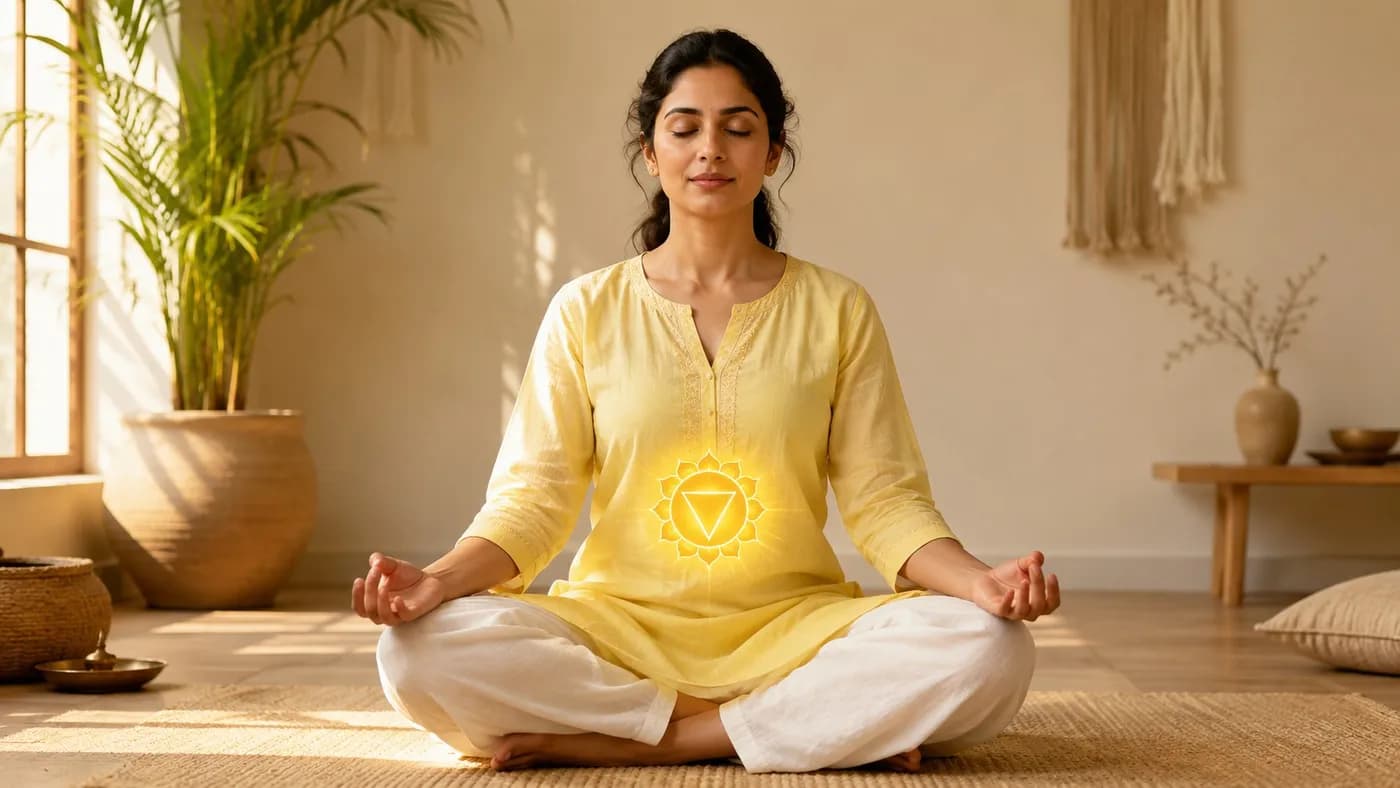
Key Takeaways
- Sits at the solar plexus, roughly three inches above the navel, governing digestive fire.
- Navasana and Mandukasana generate internal heat that stimulates the digestive organs.
- Acts as an emotional buffer between the lower chakras and the heart, preventing overwhelm.
- Kapalabhati breathwork is specifically useful for regulating manipura-linked emotional surges.
- Boat pose, bow pose, and plank variations strengthen the abdominal and lumbar region directly.
- A balanced manipura is linked to a renewed sense of motivation and follow-through on goals.
The manipura chakra, located at the solar plexus roughly three inches above the navel, is the body’s centre of personal power, digestive fire, and self-discipline. When balanced through consistent yoga and breathwork, it supports steadier energy, improved digestion, greater confidence, and a clearer sense of purpose in daily life.
The manipura chakra benefits go far beyond what most wellness guides cover. Whether you are new to chakra-based practice or looking to deepen your understanding, this guide covers the key benefits, best poses, manipura mudra technique, and how to build a practice that actually sticks.
7 Key Benefits of a Balanced Manipura Chakra
- Supports Digestive Health and Metabolism Manipura governs the digestive organs — stomach, pancreas, liver, and small intestine. Regular practice targeting this region may gradually ease sluggishness in digestion and support more consistent metabolic function. Poses like Navasana and Mandukasana generate internal heat that stimulates these organs over time.
- Builds Personal Confidence and Willpower A balanced solar plexus chakra is associated with a stable sense of self-worth. People who work consistently with manipura-focused practices often find it easier to make decisions, set boundaries, and follow through on commitments. This is not an overnight shift — it develops through repetition and daily intention.
- Regulates Emotional Balance Manipura sits between the lower emotional chakras and the heart. When it functions well, it acts as a buffer — preventing overwhelming surges of anxiety or anger from dominating responses. Breathwork practices like Kapalabhati are especially useful here. Exploring yoga for chakras provides a holistic framework for emotional regulation through consistent practice.
- May Help Manage Stress and Cortisol Patterns Chronic stress often manifests physically in the stomach and solar plexus area — tight abdomen, poor digestion, fatigue. Targeted manipura practices, done consistently, may gradually ease these physical stress responses by activating the parasympathetic nervous system.
- Enhances Focus and Mental Clarity Practitioners describe a balanced manipura as a state where the mind feels clear and purposeful. This clarity is linked to reduced mental fog and a greater ability to concentrate — making manipura work valuable for students and working professionals alike.
- Supports Core Strength and Posture Physically, manipura activation engages the core musculature. Poses targeting this area — boat pose, bow pose, plank variations — strengthen the abdominal and lumbar region, which directly improves posture and reduces strain on the lower back.
- Promotes a Sense of Motivation and Drive One of the most commonly reported manipura chakra benefits is a renewed sense of motivation. When the solar plexus is engaged regularly through yoga, many practitioners find it easier to sustain healthy habits, exercise routines, and goal-directed behaviour over the long term.
How to Get Started with Manipura Chakra Practice
What You Need to Begin
Manipura practice requires very little. A yoga mat, comfortable clothing that allows free abdominal movement, and a quiet space are all you need. No props, weights, or prior experience are necessary. If you are working with any digestive conditions or recent abdominal injuries, consult your doctor before beginning core-intensive poses.
Setting Realistic Goals
Start with 10–15 minutes of manipura-focused practice each day. Consistency matters far more than duration. Three weeks of daily practice will produce noticeably different results compared to occasional longer sessions. Focus on breath awareness and abdominal engagement rather than how deep the pose looks.
Start with the Basics
Begin with gentle twists and seated poses before progressing to more demanding postures. Learn Kapalbhati pranayama early in your journey — it is one of the most direct techniques for activating the solar plexus region and building the internal heat associated with manipura. Pair breathwork with basic asanas and a clear intention at the start of each session.
Best Poses for Manipura Chakra Activation
Navasana (Boat Pose)
Navasana is the quintessential manipura pose. Seated with legs lifted and spine long, you engage the entire abdominal region intensely. Hold for 5–10 breaths while drawing the navel in and upward. Inhale as you lift, exhale to deepen the engagement — never hold the breath mid-pose.
Dhanurasana (Bow Pose)
Lying face-down, you reach back to hold both ankles and lift chest and thighs simultaneously. Dhanurasana compresses and then releases the solar plexus region, stimulating the digestive organs and stretching the front of the torso. Breathe steadily — the rocking motion on the exhale is a key part of the pose’s effect.
Paschimottanasana (Seated Forward Bend)
A seated forward fold with both legs extended. The fold places gentle pressure on the abdominal region while calming the nervous system. This is an excellent counter-pose after more stimulating manipura work. Keep the spine long on each inhale, fold a little deeper on each exhale.
Mandukasana (Frog Pose)
Sitting in Vajrasana, you fold both fists against the abdomen just below the navel and fold forward while pressing in. Mandukasana is particularly beneficial for digestive function and is widely used in traditional Indian yoga therapy for the stomach and pancreas. Breathe normally — the pressure should be firm but never painful.
Ardha Matsyendrasana (Seated Spinal Twist)
Spinal twists wring out tension stored in the mid-back and abdominal area, stimulating the organs associated with manipura. Inhale to lengthen the spine, exhale to rotate a little further. The twist should come from the waist upward — not from forcing the shoulders around.
Bhujangasana (Cobra Pose)
A gentle backbend lying face-down, Bhujangasana opens the chest and solar plexus while keeping the lower body grounded. Breathe into the belly — feel the abdomen expand against the floor on every inhale.
Virabhadrasana (Warrior I)
Standing poses like Warrior I build the physical stability and inner fortitude associated with a strong manipura chakra. Arms overhead, front knee bent — this pose demands core engagement and steady breath. Hold for 5–8 breaths per side and notice the heat that builds in the abdomen.
Manipura Mudra: How to Do It and Why It Helps
The manipura mudra (sometimes called Rudra Mudra or solar plexus mudra) is a hand gesture that concentrates energy at the navel centre. To practise it: touch the tips of your index and ring fingers to the tip of your thumb, keeping the middle and little fingers straight. Hold both hands in this position, resting on your thighs with palms facing up, during seated meditation or pranayama.
Consistent use of this mudra during breathwork may help deepen the connection to the solar plexus region. The manipura mudra benefits are most noticeable when paired with Kapalabhati or Anulom Vilom — practitioners report greater warmth in the abdominal area and a calmer, more focused mental state after regular sessions. Start with 5 minutes and gradually extend to 15–20 minutes as comfort grows.
For detailed guidance on hand positioning and session structure, visit the Rudra Mudra page.
Common Mistakes to Avoid in Manipura Practice
- Skipping Warm-Up Jumping straight into Navasana or Dhanurasana without warming up the spine and hips is a fast route to lower back strain. Always spend 5 minutes on gentle movements — cat-cow, seated twists, or a few rounds of Surya Namaskar — before engaging the core intensely.
- Holding Breath During Poses Many practitioners unconsciously hold their breath when engaging the core strongly. This defeats the purpose of manipura practice — breath is the carrier of prana through this energy centre. Keep the breath flowing, even if it means backing out of a pose slightly to do so.
- Forcing into Advanced Poses Too Soon Boat pose variations or deep bow pose require months of preparation. Pushing the body into shapes it is not ready for creates injury and discourages consistency. Progress is built layer by layer — start with supported versions and advance when the foundation is solid.
- Inconsistent Practice This is the most common and most consequential mistake. Manipura chakra benefits accumulate through consistent, repeated practice — not through occasional intense sessions. Even 10 minutes of focused daily work will outperform a 90-minute session done once a week. Building this habit is where most people need the most support.
Who Should Try Manipura Chakra Practice?
- Beginners Manipura practice is highly accessible for beginners. Entry-level poses are simple, require no equipment, and can be done at home. Starting with basic breathwork and seated poses means the barrier to entry is genuinely low. Explore yoga for beginners to build a foundation before adding chakra-specific work.
- Women Women dealing with hormonal fluctuations, stress-related digestive issues, or irregular cycles may find that consistent manipura-focused yoga gradually supports their overall well-being. The solar plexus area is closely connected to how the body manages stress hormones, making this practice particularly relevant.
- Older Adults Seniors can benefit from gentle manipura practices — seated twists, mild forward bends, and mudra work — to support digestive function and maintain core tone. Avoid intense poses like full Navasana without guidance; use props as needed and always consult a doctor if you have existing abdominal or spinal conditions.
- Working Professionals Desk-bound work collapses the core and creates tension in the mid-back — exactly the area manipura governs. A short daily practice of solar plexus poses and Kapalabhati can meaningfully support better posture, reduced mid-day fatigue, and a steadier sense of focus through the workday.
Build Flexibility with a Routine That Actually Works
Building a strong, balanced manipura chakra is not about knowing the right poses — it is about practising them consistently, with correct breath and alignment, day after day. That is exactly where most self-guided attempts stall. A structured daily programme with expert guidance makes the difference between occasional effort and a genuine habit.
What You Get with Habuild’s Yoga Everyday Program:
- Daily live guided yoga sessions that include chakra-focused and core-targeted practices
- Beginner to advanced progression — start exactly where you are
- No-equipment, home-friendly practice designed for Indian schedules
- Expert guidance to ensure correct form, breath cues, and alignment
- Community support and accountability to help you stay consistent
If you are looking for a structured programme you can join from anywhere in India, explore the best online yoga classes at Habuild to experience what daily guided practice feels like.
Start Your Yoga Journey
Frequently Asked Questions
Related Articles
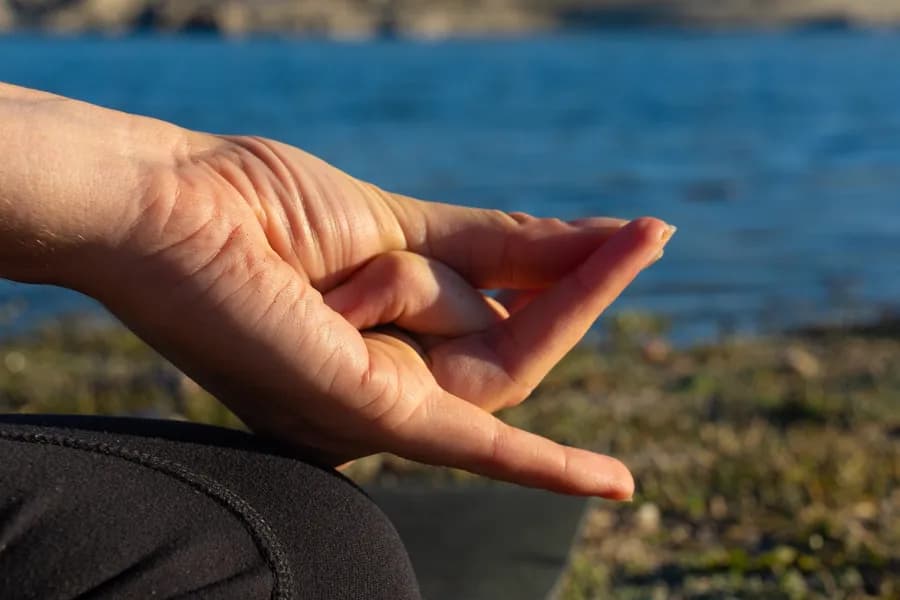
Manipura Chakra Mudra (Solar Plexus Gesture): Steps, Benefits and Precautions
This gesture activates and balances the solar plexus chakra at the navel, governing personal power, digestion, and the fire that converts experience into

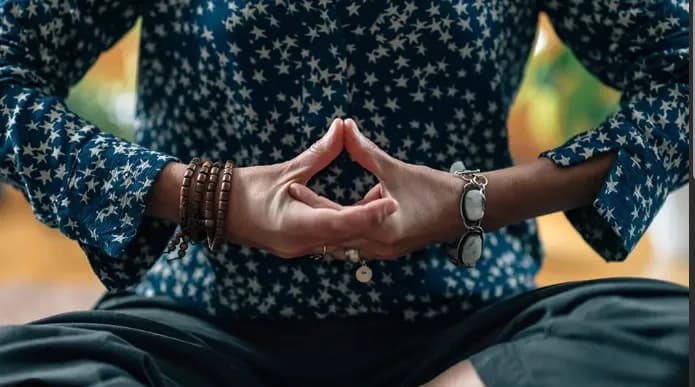
Throat Chakra Mudra (Vishuddha): Steps Benefits and Precautions
Use Throat Chakra Mudra with Habuild. Follow throat chakra mudra and vishuddha mudra benefits to strengthen communication, expression, and throat energy.

Yoga Pose for Sacral Chakra: Steps, Benefits & Precautions
Discover the best yoga pose for sacral chakra — with step-by-step instructions, benefits, variations, and beginner tips. Start your ₹1 trial with Habuild.
