
Mandukasana (Frog Pose): Steps Benefits for Diabetes and Digestion
Practice mandukasana with Habuild. Master the mandukasana pose to improve digestion, open the hips, and relieve abdominal tension. Start your yoga session!
Key Takeaways
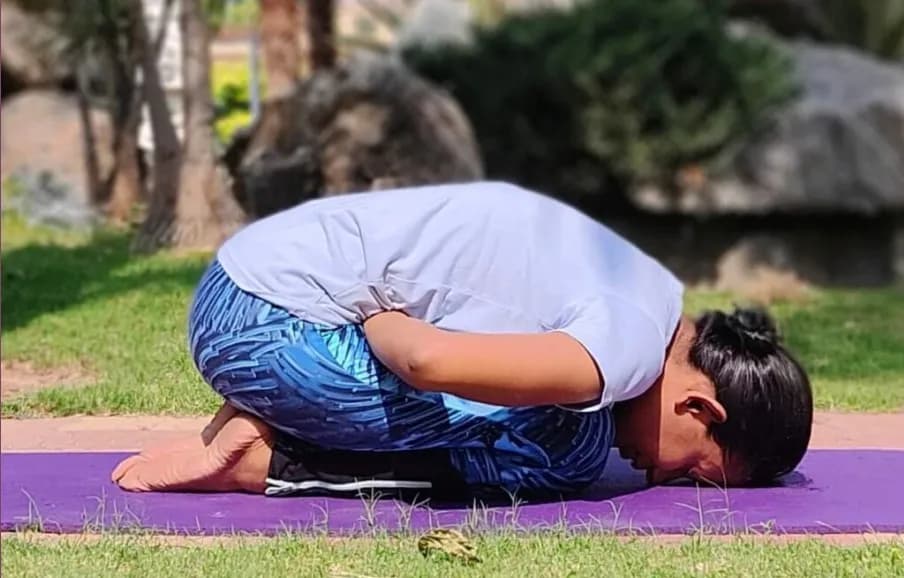
- Performed from Vajrasana by curling fists against the navel before folding forward.
- Fist pressure against the navel is the specific mechanism said to stimulate insulin secretion.
- Named one of the most consistently recommended postures for type 2 diabetes management.
- Creates one of yoga’s most intensive hip openings through the wide-knee variation alone.
- Abdominal compression here targets the pancreas specifically, not just general digestion.
- Complements conventional blood sugar management rather than replacing it.
What is Mandukasana?
Mandukasana — known in English as Frog Pose — is a seated kneeling yoga posture with powerful therapeutic effects on the digestive system, pancreatic function, and hip joints. The name derives from Sanskrit: Manduka meaning frog, and asana meaning posture. In the pose, the body takes on the wide-legged, low-to-the-ground form of a resting frog — creating deep compression of the abdominal region and significant hip opening simultaneously.
Mandukasana is performed from Vajrasana — the kneeling seated posture — by curling the fists against the navel region and folding forward. The abdominal compression created by this forward fold is the defining therapeutic feature of Mandukasana: it directly stimulates the pancreas, liver, and intestines in a way few other postures replicate — making it particularly valuable for practitioners managing blood sugar regulation, digestive disorders, and abdominal tension.
At Habuild, Mandukasana is regularly incorporated into our seated posture sequences — valued for its digestive and metabolic benefits and taught with the modifications that make its abdominal compression accessible to practitioners at every level.
Mandukasana Benefits
Physical Benefits
- Stimulates the Pancreas and Supports Blood Sugar Regulation The most clinically significant Mandukasana benefit is its direct stimulation of the pancreas through abdominal compression. The fist placement against the navel region — combined with the forward fold — creates concentrated pressure on the pancreatic region that stimulates insulin secretion and improves pancreatic circulation. Mandukasana is one of the most consistently recommended yoga postures for practitioners managing type 2 diabetes and blood sugar dysregulation as a complementary practice alongside conventional management.
- Improves Digestion and Relieves Constipation The forward fold compression massages the ascending and descending colon, stimulates hepatic circulation, and improves the peristaltic movement that efficient digestion requires. Practitioners dealing with constipation, sluggish digestion, or post-meal abdominal discomfort consistently report significant improvement with regular Mandukasana practice.
- Opens the Hips and Stretches the Inner Thighs In the wide-knee Mandukasana variation, the deep external rotation of the hip joints creates one of the most intensive hip opening postures in yoga. The inner thighs, hip adductors, and hip external rotators are progressively lengthened — improving the hip mobility that seated postures, forward folds, and daily movement all depend upon.
- Relieves Abdominal Tension and Bloating The sustained abdominal compression provides direct mechanical relief for the tension and bloating that accumulate through stress, poor posture, and digestive irregularity. Many practitioners find that five minutes of Mandukasana immediately resolves the abdominal tightness and post-meal discomfort that other interventions fail to address.
Mental and Emotional Benefits
- Calms Anxiety and Releases Emotional Tension from the Abdomen The forward folding, grounded quality of Mandukasana activates the parasympathetic nervous system and supports the release of the emotional holding patterns that accumulate in the abdominal region under chronic stress. Practitioners dealing with anxiety, digestive tension related to emotional stress, or difficulty relaxing consistently report significant relief from regular practice.
How to Do Mandukasana — Step-by-Step Instructions
Key Principles
Key Principles The abdominal compression in Mandukasana should feel like a deep, sustained, therapeutic pressure — not sharp or acute pain. The moment sharp pain arises, the posture must be released. Steady breathing continues throughout the hold despite the compression — the breath is the active mechanism that deepens the therapeutic effect with each exhalation.
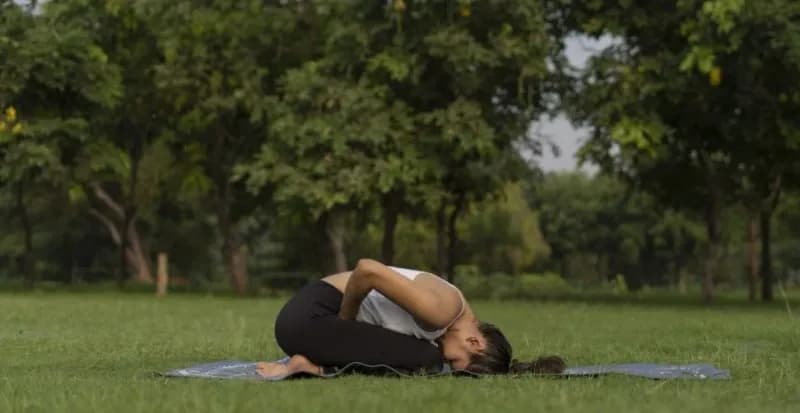
Mandukasana — Step by Step Step 1: Starting Position in Vajrasana Begin in Vajrasana — sitting on the heels with the spine upright and the hands resting on the thighs. Take two full breaths to settle into the kneeling position.
Step 2: Make Fists and Place Against the Navel Make fists with both hands and place them against the abdomen on either side of the navel — the knuckles pressing gently into the navel region. This fist placement is the defining feature of the classical Mandukasana abdominal compression variation.
Step 3: Fold Forward On an exhalation, fold forward from the hips — bringing the chest toward the thighs and the fists deeper into the abdominal region. Keep the gaze slightly forward rather than letting the head drop completely.
Step 4: Breathe and Hold Hold for five to eight breaths, breathing steadily despite the abdominal compression. Each exhalation deepens the forward fold and the abdominal stimulation.
Step 5: Return to Upright and Release Return to the upright Vajrasana position on an inhalation. Release the fists and rest the hands on the thighs. Take two to three settling breaths before repeating or transitioning.
Step 6: Wide-Knee Variation (Optional) For the hip-opening variation: from Vajrasana, widen the knees as far apart as comfortable while keeping the feet pointing backward. Bring the forearms to the floor between the thighs and lower the torso forward, holding for five to ten breaths.
Breathing in Mandukasana
Steady, rhythmic breathing throughout the compression — the breath should flow freely despite the abdominal pressure. The exhalation naturally deepens the fold and increases the abdominal stimulation. Practitioners who are new to the compression may find it helpful to breathe in a counted rhythm — four counts in, four counts out — to maintain steady breathing through the unfamiliar pressure.
Preparatory Poses Before Mandukasana
These poses warm the kneeling base and digestive system before Mandukasana.
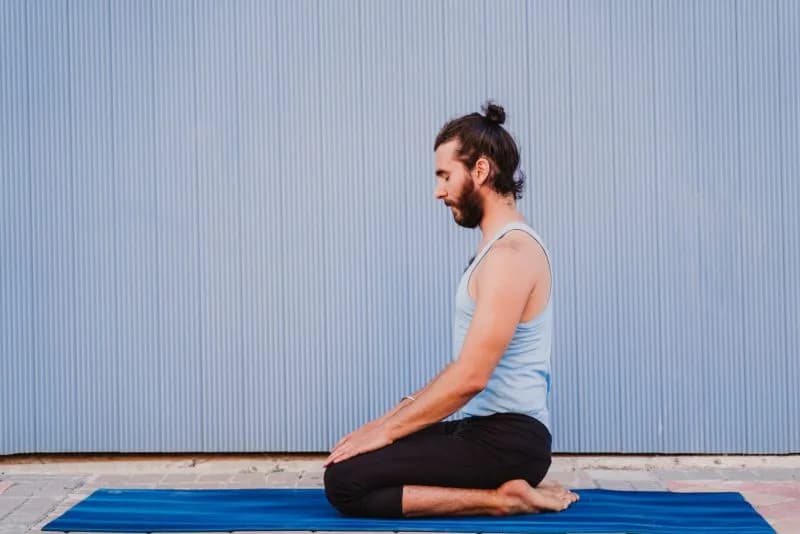
- Vajrasana (5 minutes) — The most important preparation — the kneeling base must be comfortable before the abdominal compression is added.
- Pawanmuktasana (Wind-Relieving Pose) — Pre-activates the digestive system before the Mandukasana compression.
- Gentle abdominal clockwise massage — Stimulates the large intestine before the mechanical compression.
- Child's Pose (Balasana) — Warms the kneeling hip flexors before the forward fold direction of Mandukasana.
Variations of Mandukasana
- Variation 1: Mandukasana with Reduced Fold Depth — Beginner For practitioners new to abdominal compression or those with very sensitive abdomens, a partial forward fold — the chest moving toward but not reaching the thighs — reduces the compression intensity while still delivering meaningful pancreatic and digestive stimulation. Gradually increase the depth over weeks.
- Variation 2: Wide-Knee Hip-Opening Mandukasana — Intermediate The wide-knee variation (described in Step 6) shifts the therapeutic emphasis from abdominal compression to deep hip opening — the forearms on the floor, knees spread wide, the inner thighs and hip adductors receiving a sustained, progressive lengthening stretch.
- Variation 3: Mandukasana with Extended Hold — Advanced Extending the abdominal compression hold to 10 to 15 breaths progressively deepens the pancreatic stimulation and digestive organ massage. This extended variation is particularly recommended for practitioners managing blood sugar conditions as a sustained daily practice.
Common Mistakes to Avoid in Mandukasana
- Placing the Fists Too High or Too Low The fists must be positioned on either side of the navel — not above the navel (which stimulates the liver and stomach rather than the pancreas) or on the lower abdomen. The navel-adjacent placement specifically targets the pancreatic region for the most therapeutically significant effect.
- Holding the Breath During the Compression The breath must flow continuously throughout Mandukasana — never held. Holding the breath during abdominal compression creates internal pressure buildup that can cause discomfort and reduces the therapeutic massage quality that the breath movement contributes.
- Continuing When Sharp Pain Is Felt Deep, sustained abdominal pressure is normal and therapeutic in Mandukasana. Sharp, acute pain — particularly in the stomach or pancreatic region — is not. Release the posture immediately if sharp pain arises and investigate whether the fist placement or fold depth needs adjustment.
Who Should Practise Mandukasana?
- Those Managing Blood Sugar and Metabolic Conditions Mandukasana is the most directly pancreas-stimulating yoga posture — specifically valuable as a complementary daily practice for practitioners managing type 2 diabetes, pre-diabetes, and blood sugar dysregulation alongside conventional medical management.
- Those with Digestive Conditions and Abdominal Tension The comprehensive abdominal organ stimulation of Mandukasana makes it specifically valuable for constipation, sluggish digestion, post-meal bloating, and the digestive effects of chronic stress and anxiety.
- Is Mandukasana Good for Beginners? Yes — with the reduced fold depth modification, Mandukasana is accessible from an early stage of yoga practice. The most important preparation is establishing comfortable Vajrasana before the abdominal compression is added.
Make Mandukasana a Part of Your Daily Practice
Mandukasana is the yoga tradition's most therapeutically direct posture for pancreatic health, digestive stimulation, and blood sugar support — its fist-to-navel abdominal compression delivering the most targeted digestive organ stimulation available through yoga practice. Its combination of metabolic, digestive, and hip-opening benefits in a single accessible kneeling posture makes it uniquely valuable for daily practice.
Whether you are using the fist-compression variation for metabolic health or the wide-knee variation for hip opening, Mandukasana delivers consistent therapeutic benefit from the first session and deepens progressively with daily practice.
The most effective way to learn Mandukasana correctly — with precise fist placement, steady breathing guidance, and the safety principles that make the abdominal compression genuinely therapeutic — is under live expert guidance with Habuild.
Start your 14 day free yoga journey with Habuild, today!
Related reads: Uttana Mandukasana (Stretched Frog Pose): Steps, Benefits & Precautions · Bhekasana (Frog Pose): Steps, Benefits and Precautions
Frog Pose applies gentle pressure on the abdomen, and Mandukasana's support for digestion and hip flexibility builds with regular practice rather than a single squeeze. Practiced consistently, it becomes a useful part of a broader digestive and hip-care routine. Habuild's Yoga Everyday program includes poses like this in a structured daily flow rather than as a one-off stretch.
Frequently Asked Questions
Related Articles
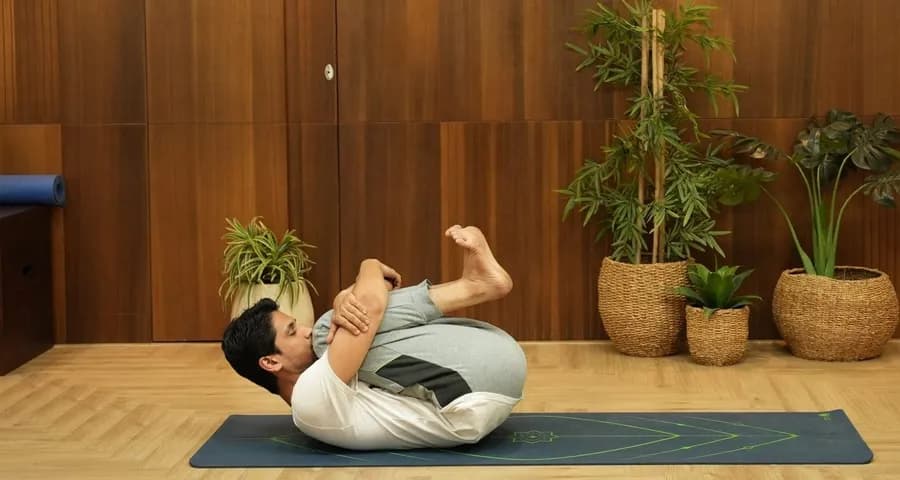
Pawanmuktasana (Wind Relieving Pose): Steps and Digestive Benefits
Try pawanmuktasana with Habuild. Discover pawanmuktasana benefits including gas relief, improved digestion, and reduced back tension. Start your session today!
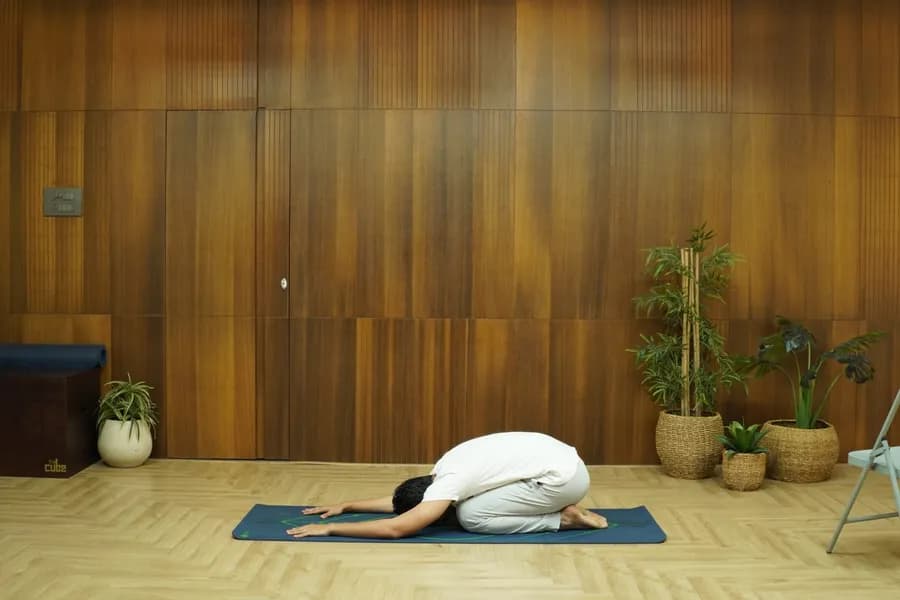
Balasana (Child’s Pose): Steps and Benefits for Mind and Body
Try balasana with Habuild. Practice the balasana pose to relieve stress, ease back tension, and deeply relax your body and mind. Start your yoga session now!
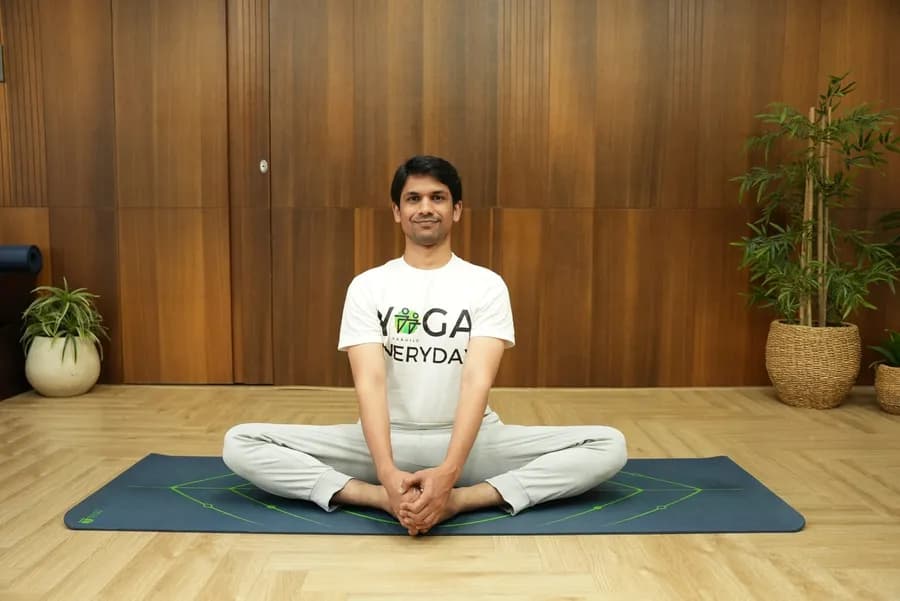
Baddha Konasana (Butterfly Pose): Steps and Hip Flexibility Benefits
Practice baddha konasana with Habuild. Try the baddha konasana pose to open your hips, improve flexibility, and calm your busy mind. Start your session today!
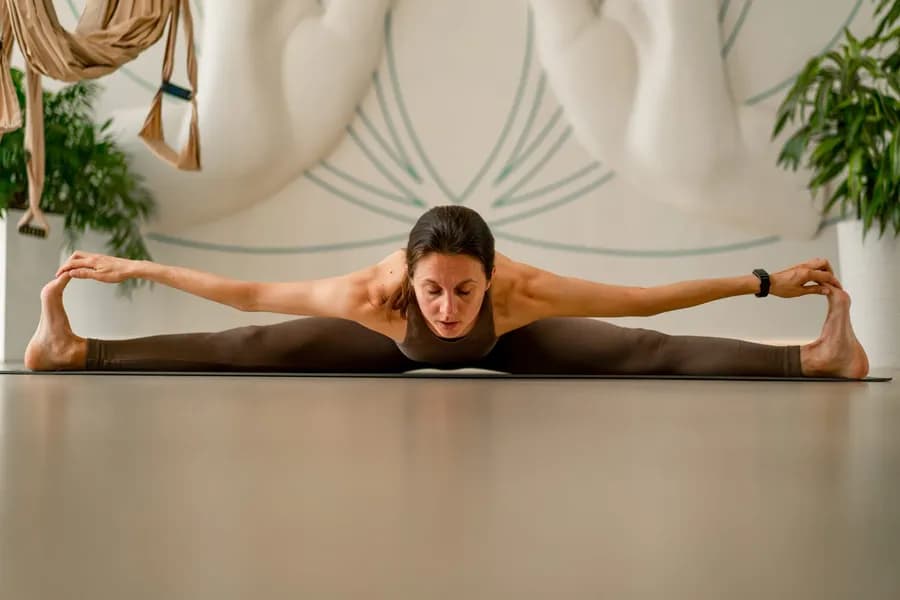
Upavista Konasana: Steps Benefits and Flexibility Guide
Practice Upavista Konasana with Habuild. Follow the seated wide-angle steps to open your hips, stretch your hamstrings, and build flexibility. Start today!
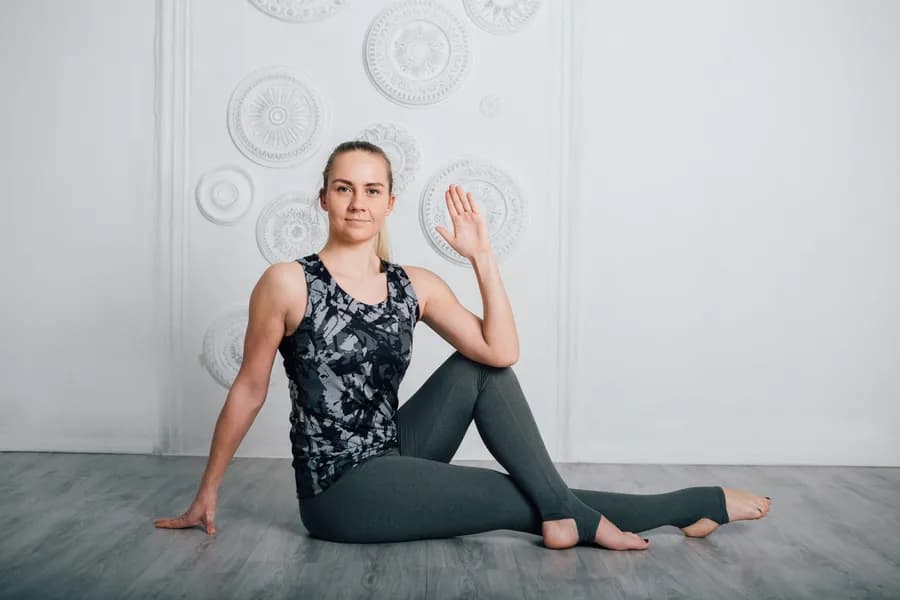
Matsyendrasana (Full Spinal Twist): Steps Benefits and Safety
Practice matsyendrasana with Habuild. Follow the ardha matsyendrasana procedure to boost spinal health, digestion, and flexibility. Start your session today!