
What is Core Strengthening? Complete Guide to Building Real Core Strength That Supports Your Whole Body
The core is not just the visible six-pack — it’s a complete cylindrical system including the deep stabilisers, obliques, lower back, and glutes working.

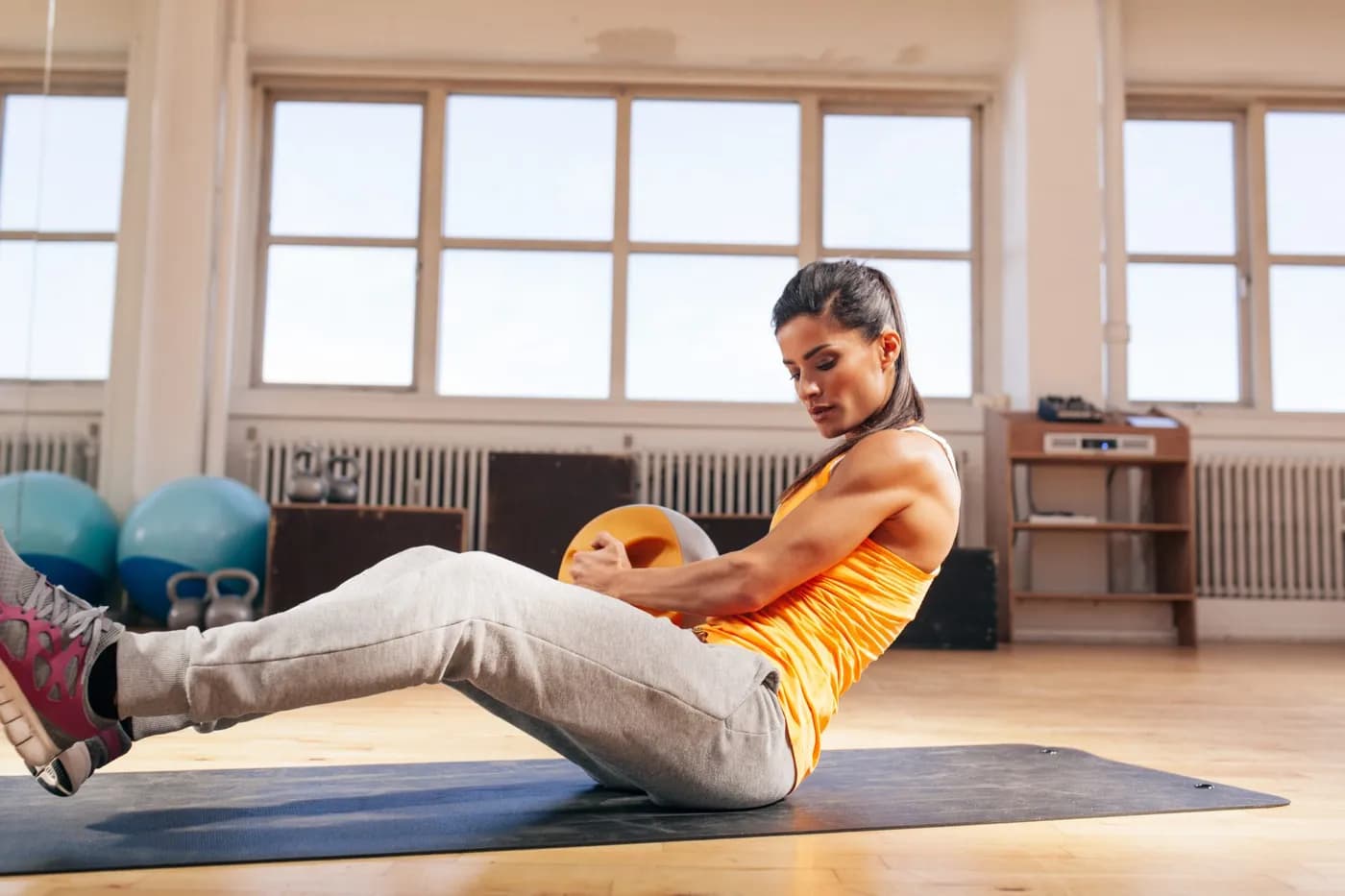
Key Takeaways
- The core is framed as a full cylindrical system – deep core, obliques, lower back, and glutes.
- A 2014 study found comprehensive core work cuts chronic back pain by 30-40% over 8-12 weeks.
- The NSCA confirms core stability training measurably improves deadlift strength and jump height.
- Real core work trains anti-extension, anti-rotation, anti-lateral flexion, and dynamic control.
- Visible abdominal definition requires combining this muscle development with separate fat loss.
- Distinguishes true core strengthening from the common but incomplete crunches-and-sit-ups approach.
Most people searching what is core strengthening think of crunches and sit-ups — and the honest answer is that core strengthening is much more comprehensive than that. The core is not just the visible “six-pack” muscles (rectus abdominis); it is a complete cylindrical system including the deep core (transverse abdominis, multifidus, diaphragm, pelvic floor) plus the obliques, lower back muscles, and glutes that work together to stabilise the spine, transfer force between the upper and lower body, and support every movement you make. Real core strengthening builds all aspects of this system — anti-extension, anti-rotation, anti-lateral flexion, and dynamic core control — through exercises that go far beyond traditional ab training. This guide covers what the core actually is, the best core strengthening exercises, and the daily routine that produces lasting results. The same habit-building structure that powers ourdaily online yoga classes makes consistent practice possible.
7 Benefits of Daily Core Strengthening Practice
Daily core strengthening produces measurable benefits within the first weeks. Below are the seven most important benefits.
- Stronger Spine and Reduced Lower Back Pain The most direct benefit. Stat: A 2014 study in the Journal of Athletic Training analysing core training exercises confirmed that comprehensive core strengthening produces 30–40% reductions in chronic lower back pain across 8–12 weeks of consistent practice — outcomes pharmaceutical pain management often cannot match. Members building broader core capacity often pair their work with ourcore strength routine programme.
- Better Posture and Body Alignment The structural benefit. Strong core muscles support upright posture throughout the day. Daily core strengthening directly counteracts the postural decline that prolonged sitting produces.
- Improved Athletic Performance and Force Transfer The performance benefit. The core transfers force between the upper and lower body during every athletic movement. Stat: The National Strength and Conditioning Association confirms that core stability training produces measurable improvements in athletic performance metrics — including in deadlift strength, jump height, and rotational power. Members building broader abdominal strength often pair their work with ourstrength training for abs programme.
- Better Daily Function and Reduced Injury Risk The functional benefit. Strong core supports lifting, carrying, twisting, and balance — reducing the injury risk that weak core creates. Carrying groceries, lifting children, gardening, and daily activities all become easier with stronger core.
- Visible Abdominal Definition (Combined with Fat Loss) The aesthetic benefit. Daily core strengthening builds the muscle that becomes visible as overall body fat drops. Members focused on broader visible definition often pair their work with ourabdominal workouts programme.
- Better Pelvic Stability and Reproductive Health The systemic benefit. The deep core includes the pelvic floor — and core strengthening supports pelvic stability, urinary continence, and reproductive health, particularly important for women postpartum and through perimenopause.
- Better Breath Control and Diaphragmatic Function The respiratory benefit. The diaphragm is part of the core system, and core strengthening improves breath capacity, posture-supported breathing, and the autonomic regulation that healthy breathing supports. Members building broader core capacity often pair their work with ourcore strength exercises programme.
How to Get Started with Core Strengthening
Getting started requires no equipment, no gym, and no specialised knowledge.
What You Need to Begin
A flat clear floor space (yoga mat optional but helpful), comfortable clothing, and 10–15 minutes daily. No specialised equipment required.
Setting Realistic Goals
Be honest about timelines. Improved core engagement and reduced back tension typically appear within 2–3 weeks. Measurable strength gains appear within 4–8 weeks. Visible abdominal definition (combined with fat loss) takes 12–24 weeks.
Start with the Basics
Begin with three foundational practices: 3 sets × 30-second planks 4 times per week (anti-extension), 3 sets × 30-second side planks per side 3 times per week (anti-lateral flexion), and 3 sets × 10 reps per side bird-dogs 3 times per week (anti-rotation). These three practices alone build the complete deep core foundation.
Best Core Strengthening Exercises
Plank — Deep Core, Anti-Extension — Hold 30–60 Seconds × 3 Rounds
The foundational core exercise. Engages the deep core canister and trains anti-extension. Sets and reps: 3 rounds of 30–60 seconds with 60 seconds rest, performed daily. Modification: knee plank for beginners.
Side Plank — Obliques, Anti-Lateral Flexion — Hold 30–60 Seconds per Side × 2 Rounds
Trains the lateral chain and obliques that standard planks under-train. Hold: 30–60 seconds per side, 2 rounds, performed 3 times per week.
Bird-Dog — Anti-Rotation, Glutes — 3 Sets × 10 Reps per Side
Performed on hands and knees, extending opposite arm and leg simultaneously while maintaining stable spine. The most beginner-friendly anti-rotation exercise.
Dead Bug — Deep Core, Coordination — 3 Sets × 10 Reps per Side
Lying on back with arms extended toward ceiling and knees bent, alternately lower opposite arm and leg toward floor. Trains deep core under coordinated movement.
Pallof Press — Anti-Rotation Standing — 3 Sets × 10 Reps per Side
With a resistance band anchored at chest height, press the band away from the body while resisting rotation. The most effective anti-rotation core exercise. Modification: bodyweight version with hands clasped.
Hollow Body Hold — Maximum Rectus Abdominis Engagement — Hold 20–40 Seconds × 3 Rounds
Lying on back with shoulders and legs lifted, lower back pressed into the floor. One of the highest rectus abdominis activation exercises available.
Glute Bridges — Posterior Core, Glutes — 3 Sets × 15 Reps
Strengthens the glutes and lower back muscles that are part of the complete core system. Sets and reps: 3 sets of 15 reps with 60 seconds rest, performed 3 times per week.
Common Mistakes to Avoid
- Training Only Crunches and Sit-Ups The most common misconception. Crunches train only the rectus abdominis and ignore the deep core, obliques, lower back, and glutes that complete core strength requires. Real core training uses planks, anti-rotation, and stabilisation exercises rather than just spinal flexion.
- Holding Breath During Core Exercises Breath-holding during core exercises activates the sympathetic nervous system and limits hold duration. What to do instead: breathe normally throughout every core exercise.
- Going Too Fast Without Quality Engagement Rushing through core exercises with momentum produces minimal stimulus and reinforces poor patterns. What to do instead: move slowly through every rep with conscious muscle engagement. Quality matters more than quantity.
- Inconsistency Training intensely 2 weeks then skipping a month produces no lasting core adaptation. Daily moderate practice produces dramatically better results than intense intermittent sessions.
Who Should Try Daily Core Strengthening?
- Beginners Building Foundational Strength Core strengthening is one of the most beginner-friendly exercise categories. Bodyweight planks, bird-dogs, and dead bugs require no equipment.
- Women at All Life Stages Women benefit dramatically from comprehensive core strengthening — including pregnancy preparation, postpartum recovery (with medical guidance), and perimenopause. The pelvic floor inclusion is particularly important for women.
- Older Adults Maintaining Spinal Stability Core strength decline contributes to falls and back pain in older adults. Daily core strengthening protects spinal stability and functional independence. (Disclaimer: those with osteoporosis or disc conditions should consult a doctor before beginning core exercises.)
- Working Professionals with Sedentary Lifestyles Prolonged sitting weakens the deep core dramatically. Daily 10-minute core practice directly counteracts this weakness.
Build Genuine Core Strength with a Routine That Actually Works
Building real core strength isn’t about doing endless crunches — it’s about consistency, comprehensive training, and following a structured plan that builds all aspects of core function. With the right support, you can practise effectively from home and see measurable core improvements within 4–8 weeks.
What You Get with Habuild’s Strong Everyday Programme:
- Daily live guided strength and yoga sessions
- Beginner to advanced progression
- No-equipment and home-friendly workouts
- Expert guidance to ensure correct form
- Community support to stay consistent
Start Your Core Strength Journey Form Fields:
- Name
- Mobile Number
- Email Address
What are core strength exercises, really? A complete core — the visible muscles plus the deep stabilisers and pelvic floor working as one cylinder — develops through varied loading applied consistently, which single ab-focused workouts rarely provide on their own. Yoga Everyday builds this kind of comprehensive core work into its daily sequences, addressing the whole system rather than isolated muscles.
Frequently Asked Questions
Related Articles
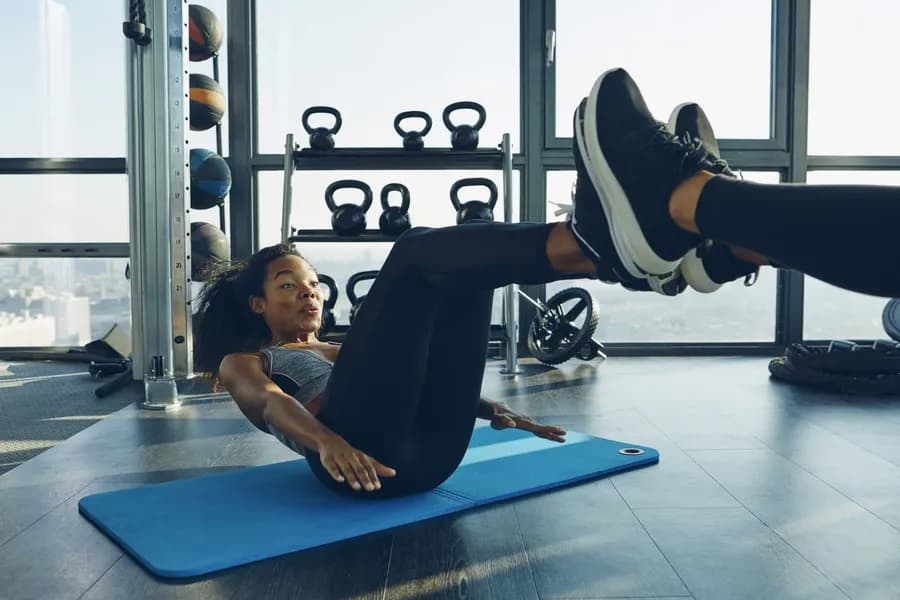
Yoga Poses for Core Strength (Deep Core Stability Practice): Steps, Benefits & Precautions
Plank Pose, Boat Pose, Side Plank, and dynamic flow sequences integrate strength building with breath, alignment, and whole-body engagement. See the

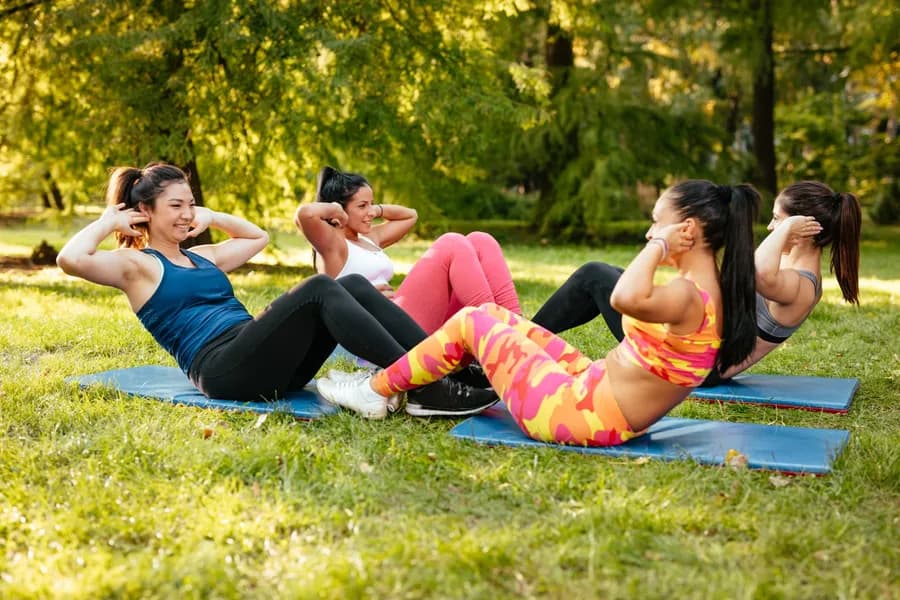
What Are Core Exercises? Complete Guide for Strength
Movements training the muscles around your trunk — abdominals, obliques, lower back, hips, and pelvic floor — build the stability behind every other workout. See the complete guide for strength.
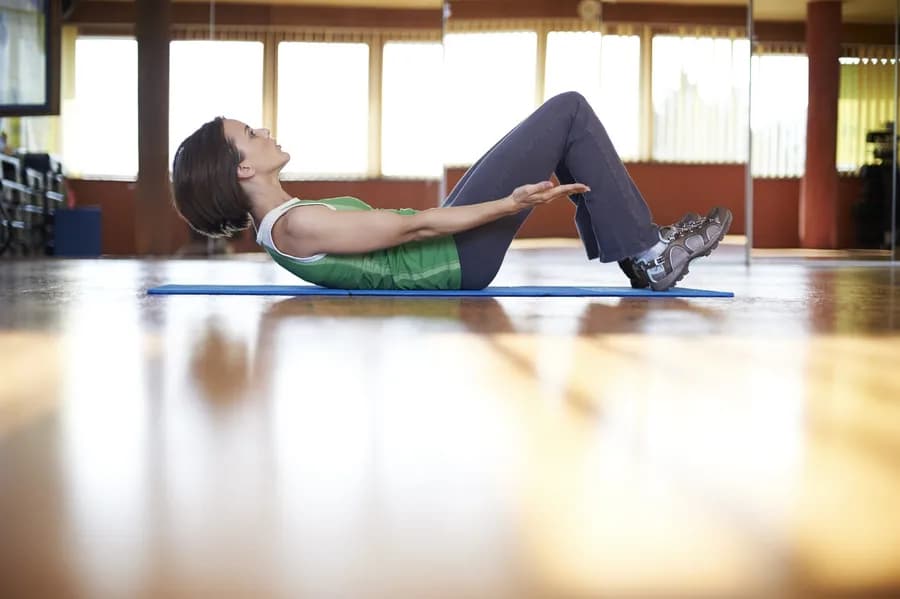
What Is a Core Strength? Benefits, Exercises & How to Build It
What is a core strength? Learn what it means, why it matters, and the best core exercises to build it with Habuild's guided strength training.