
Yoga Poses for Core Strength (Deep Core Stability Practice): Steps, Benefits & Precautions
Plank Pose, Boat Pose, Side Plank, and dynamic flow sequences integrate strength building with breath, alignment, and whole-body engagement. See the
Key Takeaways
- Draws specifically from Power Yoga, Ashtanga, and Vinyasa traditions for flowing strength work.
- Positioned as a focused 20-30 minute practice for intermediate practitioners with a base already.
- Holding Plank for 60+ seconds is described as building the same discipline useful in daily life.
- Unlike gym ab workouts built on crunches, this integrates strength with breath and alignment.
- Core strength is called one of the best-evidenced interventions for chronic lower back pain.
- The intense focus required for core holds produces a distinct moving-meditation quality.
What Are Yoga Poses for Core Strength?
Yoga Poses for Core Strength are a category of asanas specifically designed to build deep core strength — the rectus abdominis, transverse abdominis, obliques, and the deep stabilisers along the spine. Unlike traditional gym ab workouts that emphasise crunches, yoga core work integrates strength building with breath, alignment, and whole-body engagement. The practices include Plank Pose (Phalakasana), Boat Pose (Navasana), Side Plank (Vasisthasana), and dynamic flow sequences. Members focused on broader core development often pair their practice with ouryoga for core strength programme.
The foundation of yoga core work draws from Power Yoga, Ashtanga, and Vinyasa traditions where flowing strength sequences naturally engage the core. Modern research validates yoga’s effectiveness for core development — multiple studies show significant core strength gains from regular practice. Members focused on broader abdominal work often pair their training with ouryoga for abs programme.
In the broader yoga system, core strength yoga belongs to the family of strength-building practices alongside Power Yoga and Ashtanga. Most teachers position core strength yoga as a 20–30 minute focused practice that complements broader yoga sequences. The practice is appropriate for intermediate practitioners with established yoga foundation.
Yoga Poses for Core Strength Benefits
Physical Benefits
Benefit 1: Builds Deep Core Strength and Stability
The held strength poses (Plank, Side Plank, Boat) build the deep core that healthy spine function depends on. Daily practice produces measurable core strength gains within 4–6 weeks.
Benefit 2: Improves Posture through Core Activation
Strong core muscles directly support upright posture — addressing the postural collapse that prolonged sitting produces. Members focused on broader posture work often pair their training with ouryoga for posture programme.
Benefit 3: Reduces Lower Back Pain through Core Support
Core strength is one of the most evidence-supported interventions for chronic lower back pain — strong core muscles take pressure off the spine.
Mental and Emotional Benefits
Benefit 4: Builds Mental Discipline and Endurance
Holding Plank for 60+ seconds requires mental endurance — building the discipline that translates to other challenging poses and life situations.
Benefit 5: Improves Body Awareness and Movement Confidence
Core strength translates to better body awareness and confidence in movement — supporting overall physical capacity. Members focused on broader stomach concerns often pair their work with ouryoga for stomach programme.
Benefit 6: Reduces Stress through Focused Engagement
The intense focus required for core holds produces a moving meditation quality that reduces stress over weeks of practice. Members focused on broader flexibility often pair their work with ouryoga for flexibility programme.
How to Do Yoga Poses for Core Strength — Step-by-Step Instructions
Key Principles
Three foundational principles: maintain proper alignment (no sagging or piking in plank), engage core powerfully throughout, and breathe steadily during all holds (no breath-holding).
Step 1: Starting Position (Tabletop)
Begin on hands and knees in tabletop. Wrists under shoulders, knees under hips. Take three breaths to centre.
Step 2: Phalakasana (Plank Pose)
Step feet back into Plank. Hold straight body line for 30–60 seconds. Foundation core pose.
Step 3: Vasisthasana (Side Plank)
From Plank, shift weight to right hand and outer right foot. Lift left arm to ceiling. Hold 20–40 seconds. Repeat left side. Builds oblique strength.
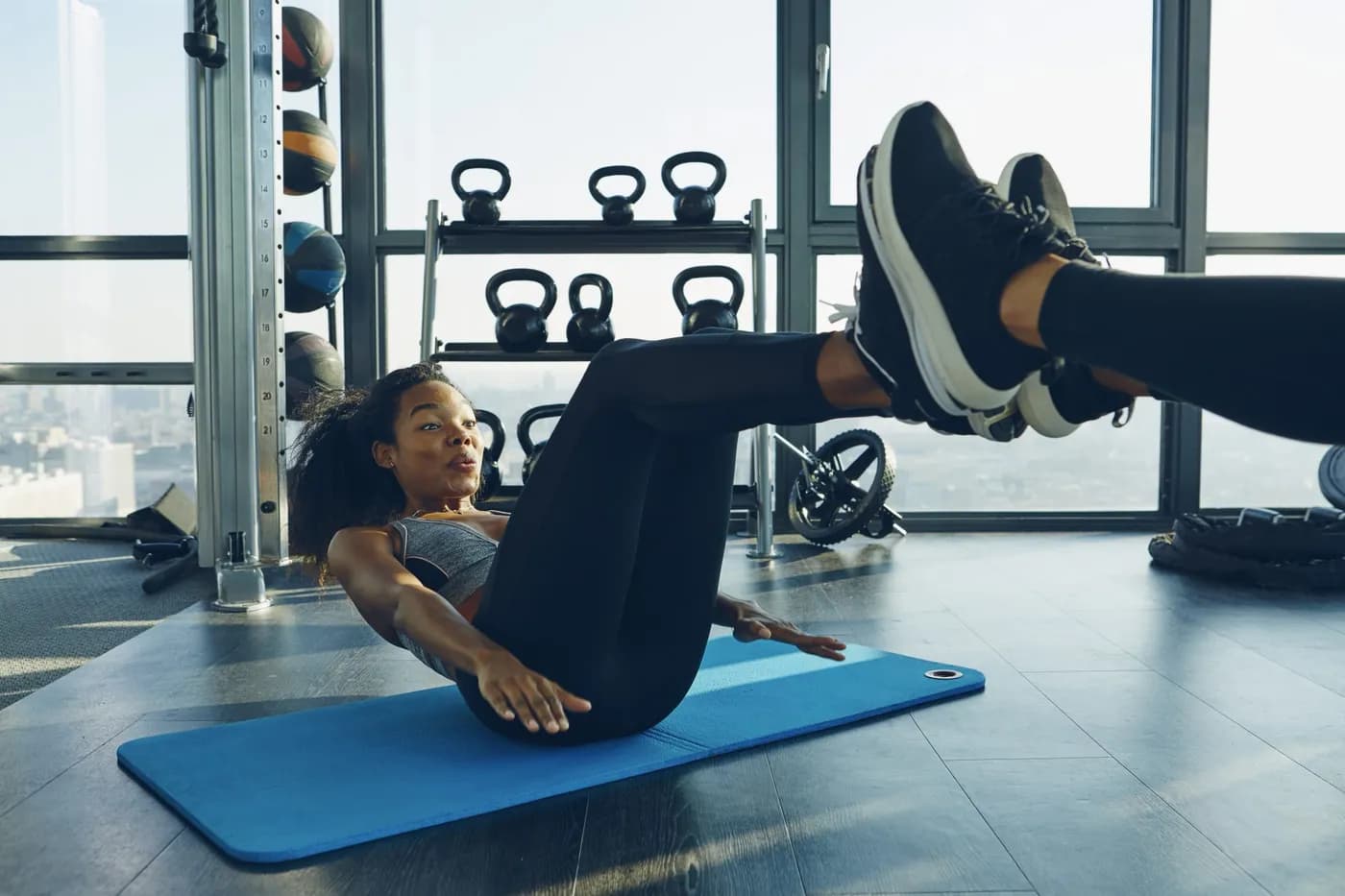
Step 4: Navasana (Boat Pose)
Sit and lift legs to form V-shape with body. Hold 20–30 seconds. Direct rectus abdominis engagement.
Step 5: Chaturanga Dandasana (Four-Limbed Staff Pose)
From Plank, lower halfway with elbows close to body. Hold for 5 breaths or repeat 5 reps. Builds arms, shoulders, and core integration.
Step 6: How to Come Out of Core Strength Practice
Settle into Balasana for 1 minute, then Savasana for 5 minutes. The deep core work requires proper recovery.
Breathing in Yoga Poses for Core Strength
Maintain steady Ujjayi breath throughout all core holds. Avoid breath-holding which limits performance and increases injury risk. If breath becomes ragged, exit the pose and rest.
Preparatory Poses Before Core Strength Yoga
Adho Mukha Svanasana (Downward Dog)
Builds shoulder engagement that Plank requires.
Cat-Cow
Warms the spine before strength holds.
Knees-to-Chest
Activates lower abdominal muscles gently.
Setu Bandha (Bridge Pose)
Activates the glute-core connection.
Variations of Yoga Poses for Core Strength
Variation 1: Beginner Knee-Down Plank Variations
Difficulty: Beginner Plank performed with knees on floor — significantly reduces demand while teaching proper alignment.
Variation 2: Standard Core Strength Practice
Difficulty: Intermediate Classical practice described above.
Variation 3: Advanced Core Sequence with Flows
Difficulty: Advanced Adds Plank-to-Side-Plank flows, Plank with leg lifts, and dynamic Boat Pose sequences.
Variation 4: Restorative Core Practice
Difficulty: All Levels Gentler version emphasising Bridge Pose and bird-dog patterns rather than intense holds.
Common Mistakes to Avoid in Core Strength Yoga
- Mistake 1: Letting the Hips Sag in Plank Sagging hips collapse the lower back dangerously. Correction: maintain straight body line; if hips drop, exit and rest.
- Mistake 2: Holding Breath During Holds Breath-holding limits performance. Correction: maintain steady Ujjayi breath throughout.
- Mistake 3: Forcing through Capacity Pushing past capacity risks injury. Correction: use modifications when needed; build duration gradually.
- Mistake 4: Skipping Recovery Intense core work requires proper recovery. Correction: always end with Child’s Pose and Savasana.
Who Should Practise Yoga Poses for Core Strength?
- Intermediate Practitioners Building Strength Practitioners with established yoga foundation seeking to build deep core strength. Best with 4+ weeks of foundational yoga first.
- Are Core Strength Yoga Poses Good for Beginners? Beginners can start with knee-down variations and modified holds. Pure beginners benefit from establishing 4 weeks of foundational practice first.
- Athletes and Active Practitioners Athletes benefit dramatically from yoga core work — building functional strength that transfers to other athletic activities.
- Adults with Recovered Back Pain Once acute back pain has resolved, core strengthening yoga supports long-term back health. (Disclaimer: those with active back pain should resolve the acute phase before beginning intense core work.)
Deep core stability isn’t won in a single tough session of boat pose and plank holds — the transverse abdominis and spinal stabilisers respond to steady, repeated activation over time far more than to occasional intensity. Pairing today’s poses with a daily rhythm that keeps loading the core in new ways is what turns effort into lasting stability. For a program that sequences core work into a broader daily flow rather than isolating it, Habuild’s Yoga Everyday program is worth a look.
Frequently Asked Questions
Related Articles
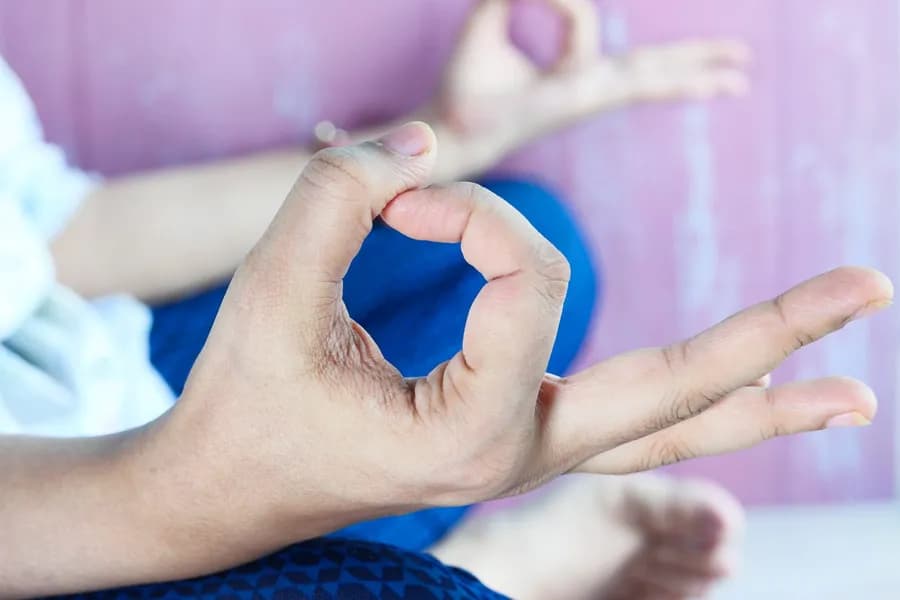
Gyan Mudra: How to Do It and Its Benefits for Focus and Memory
Practice Gyan Mudra with Habuild. Follow the wisdom hand gesture steps to improve focus, reduce anxiety, and enhance your meditation practice. Start today!

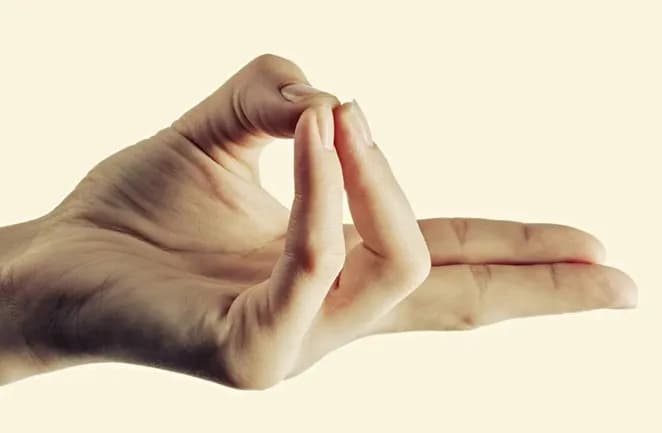
Prana Mudra: How to Practice and Its Life Energy Benefits
Practice Prana Mudra with Habuild. Follow the life force hand gesture steps to boost energy, strengthen immunity, and improve your eye health. Start today!
Kapalbhati Pranayam: How to Practice Benefits and Precautions
Practice Pranayam Kapalbhati with Habuild. Follow the skull-shining breath steps to boost digestion, strengthen your core, and energise your body. Start today!
