
Natarajasana (Dancer Pose): Steps and Balance Benefits
Practice Natraj Asana with Habuild. Follow Lord of the Dance pose steps to improve balance, boost flexibility, and strengthen your spine daily. Start today!
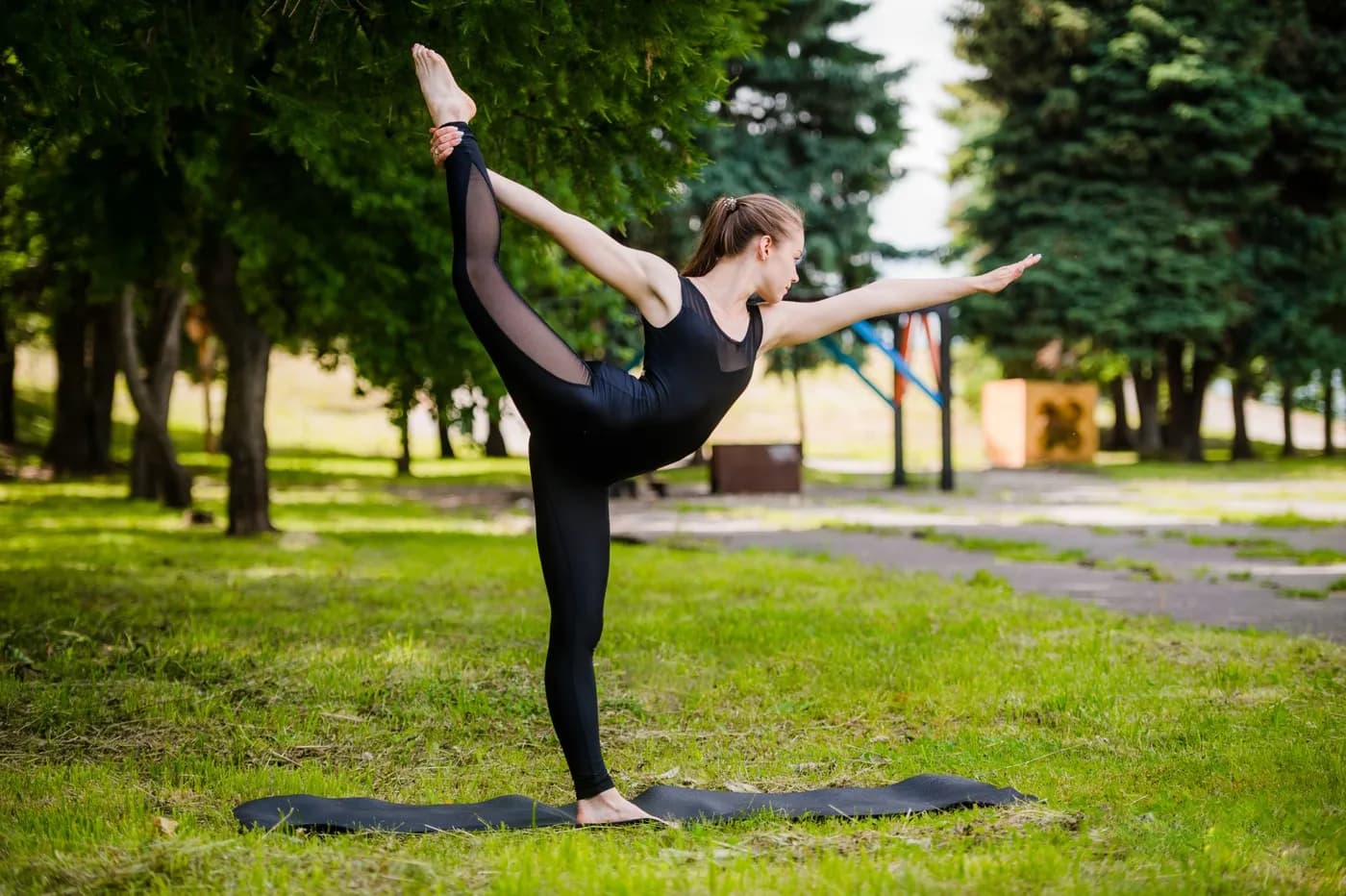
Key Takeaways
- Named after Nataraja, Shiva’s cosmic dance form symbolising creation and dissolution.
- Combines single-leg balance, deep hip flexor stretch, and spinal backbend all at once.
- Progresses from standing hip flexor stretches through wall support to free-standing expression.
- The rear leg’s elevation and torso backbend combine to challenge quadriceps and glute stability.
- The inversion-like component is said to broadly activate the endocrine system.
- Any mental wandering produces an immediate loss of balance during the full expression.
Natraj Asana, or Lord of the Dance Pose, combines single-leg balance, deep hip flexor stretching, spinal backbend, and focused presence in one posture. It builds anterior chain flexibility, posterior chain strength, and graceful physical confidence. Suitable for all levels through progressive modifications from wall-supported to free-standing expression.
What is Natraj Asana?
Natraj Asana — known in English as Lord of the Dance Pose or Dancer’s Pose — derives from Sanskrit: Nata (dancer), Raja (king or lord), and Asana (posture). The name invokes Nataraja — Lord Shiva in his cosmic dance form — whose dance symbolises the continuous cycle of creation, preservation, and dissolution. The pose embodies this dynamic energy: one leg stands firmly grounded, the other extends behind in a deep hip flexor stretch, and the torso arches back as the arm reaches forward.
Natraj Asana is simultaneously a standing balance posture, a deep hip flexor stretch, a spinal backbend, and a concentration practice. Its multi-dimensional demands make it one of yoga’s most beautiful and challenging postures — expressing the full integration of strength, flexibility, and focused awareness that advanced practice develops.
At Habuild, Natraj Asana is taught through a careful progression — from standing hip flexor stretches to supported wall versions to the free-standing expression — ensuring every component is developed before the full pose is attempted.
Natraj Asana Benefits
Physical Benefits
- Stretches the Hip Flexors and Entire Anterior Chain Natraj Asana provides one of the deepest hip flexor and anterior thigh stretches available in standing yoga — the psoas, iliacus, rectus femoris, and anterior hip capsule all receiving a sustained, gravity-assisted stretch. This anterior chain opening is central to comprehensive flexibility and essential for reversing the chronic hip flexor shortening of desk work.
- Opens the Chest and Relieves Spinal Tension The torso backbend and chest-open position provides thoracic extension that counteracts the forward-bending dominance of daily life — relieving back pain associated with thoracic kyphosis and rounded-shoulder posture.
- Builds Single-Leg Balance and Posterior Chain Strength The standing leg bears full body weight under the additional challenge of the torso’s backbend and the rear leg’s elevation — demanding and developing extraordinary quadriceps, glute, core, and ankle stability.
- Activates the Endocrine System The full anterior body expansion, inversion component, and comprehensive anterior chain stretch activate the endocrine system broadly — making it a valuable posture in programmes of hormonal balance support.
Mental Benefits
- Develops Absolute Present-Moment Focus The multidirectional forces of balance, backbend, and arm reach require complete present-moment attention simultaneously. Any mental wandering produces an immediate loss of balance — making this one of yoga’s most powerful focus-development postures.
- Cultivates Grace, Confidence, and Expansive Presence The embodied experience of inhabiting the full expression of Natraj Asana cultivates a quality of confidence and expansive physical presence that practitioners carry beyond the mat.
How to Do Natraj Asana — Step-by-Step Instructions
Key Principles
Key Principles Three principles: ground the standing leg fully — press firmly through the entire foot and engage the quadriceps; initiate the backbend from the thoracic spine — the chest lifts first, the lumbar follows; and use the resistance between the raised foot and the clasping hand as the lever that opens the pose — both pressing actively against each other.
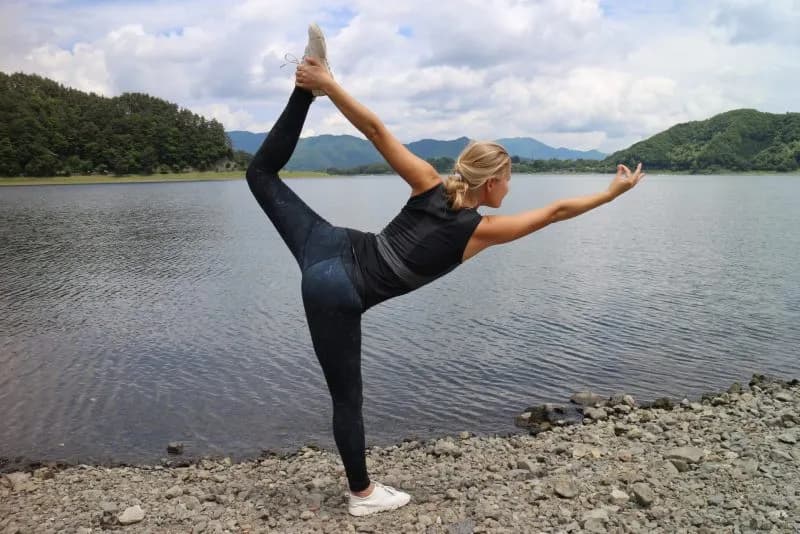
Natraj Asana — Step by Step Step 1: Tadasana with Fixed Gaze Stand in Tadasana. Fix the gaze on a single non-moving point at eye level — this drishti is the balance foundation for the entire pose. Shift weight equally through both feet.
Step 2: Shift Weight and Bend the Back Knee Shift the weight onto the left foot. Bend the right knee and bring the right foot toward the right buttock.
Step 3: Clasp the Inner Arch of the Right Foot Reach the right hand back and clasp the inner arch of the right foot — thumb pointing downward. The inner arch grip (not the outer ankle) is the specific hold that drives the foot upward.
Step 4: Lengthen and Raise the Forward Arm Inhale and lengthen the spine. Raise the left arm forward, parallel to the floor or slightly higher. Maintain the fixed gaze throughout.
Step 5: Press the Foot Back and Open the Pose On the exhale, press the right foot back and upward into the right hand — this is the lever that opens the pose. Allow the torso to arch forward and upward — chest lifting, spine extending.
Step 6: Hold and Return Hold for five to eight breath cycles, pressing foot and hand actively against each other. Inhale to stabilise, exhale to deepen slightly. Return to Tadasana and repeat on the left side.
Breathing
Inhale creates the length and lift that prevents balance collapse — rising through the crown and forward arm simultaneously. The exhale deepens the backbend and leg elevation without losing the standing leg’s grounding. Steady, full breaths are the marker of an established Natraj Asana practice.
Preparatory Poses
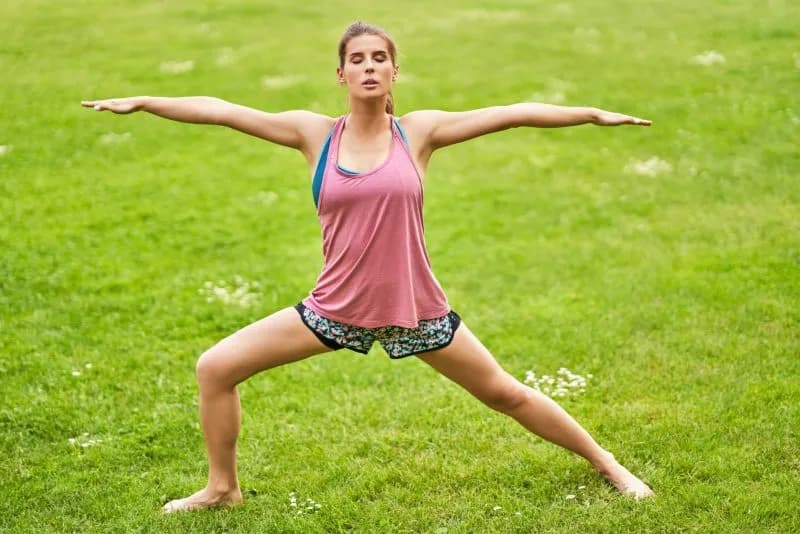
- Virabhadrasana I (hip flexor warm-up) — Opens the hip flexors of the back leg in a standing position.
- Low Lunge / Anjaneyasana (60 seconds per side) — Specifically warms the psoas and rectus femoris that Natraj Asana stretches most deeply.
- Setu Bandhasana (Bridge Pose) — Activates the posterior chain that supports the standing leg throughout the hold.
Variations
- Variation 1: Dancer’s Prep with Wall Support — Beginner One hand on the wall for balance, opposite arm reaching the raised foot or using a strap around the foot — developing single-leg balance and hip flexor opening before the free-standing challenge.
- Variation 2: Natraj Asana with Strap — Intermediate A yoga strap looped around the raised foot extends the reach — allowing the full dancer’s arch before shoulder and hip flexor flexibility for direct foot-clasping is available.
- Variation 3: Full Natraj Asana — Advanced Hand clasping the inner arch of the raised foot, torso arching into the full backbend — the complete, free-standing expression.
Common Mistakes to Avoid
- Gripping the Outer Ankle Rather Than the Inner Arch The inner arch grip drives the foot back and up — creating the leverage that opens the pose. The outer ankle grip creates a rotational force on the knee without producing the backbend opening.
- Sinking Into the Standing Hip Actively ground and lengthen the standing leg throughout — the standing hip must remain level, not collapsed to the side.
- Looking Down Rather Than Fixing the Gaze The drishti is essential for balance stability throughout. Looking down immediately destabilises the posture.
Who Should Practise?
- Those with Chronic Hip Flexor Tightness Natraj Asana is one of the most effective standing postures for the chronic psoas and hip flexor tightness that desk work produces.
- Dancers, Athletes, and Active Practitioners The combination of single-leg balance, hip flexor opening, and anterior chain stretch makes it particularly valuable for dancers, runners, and any athlete needing hip flexor length and single-leg stability.
- Is Natraj Asana Good for Beginners? The preparatory wall-supported stage is accessible and valuable from early in practice. Building to the free-standing expression typically takes four to eight weeks of consistent preparatory work.
Make Natraj Asana a Part of Your Daily Practice
Natraj Asana is yoga’s most graceful single-leg balance and anterior chain stretch — its dancer’s arch expressing simultaneous groundedness and soaring expansion in a shape that rewards patient, consistent preparation with growing beauty and stability.
The most effective way to learn Natraj Asana correctly — with leverage technique, standing leg engagement, and gaze guidance — is under live expert instruction with Habuild.
Start your 14 day free yoga journey with Habuild, today!
Related reads: Vrksasana (Tree Pose): Steps Balance and Concentration Benefits · Sukhasana (Easy Pose): Steps Benefits and Meditation Foundation
Dancer Pose asks for balance, spinal flexibility, and a good deal of trust in your own body all at once, and all three tend to improve together the more regularly Natarajasana shows up in your practice. It’s a pose that rarely feels the same twice, which is part of why consistency matters more than any single attempt. Habuild’s Yoga Everyday program sequences balance and backbend poses like this into a structured daily routine.
Frequently Asked Questions
Related Articles
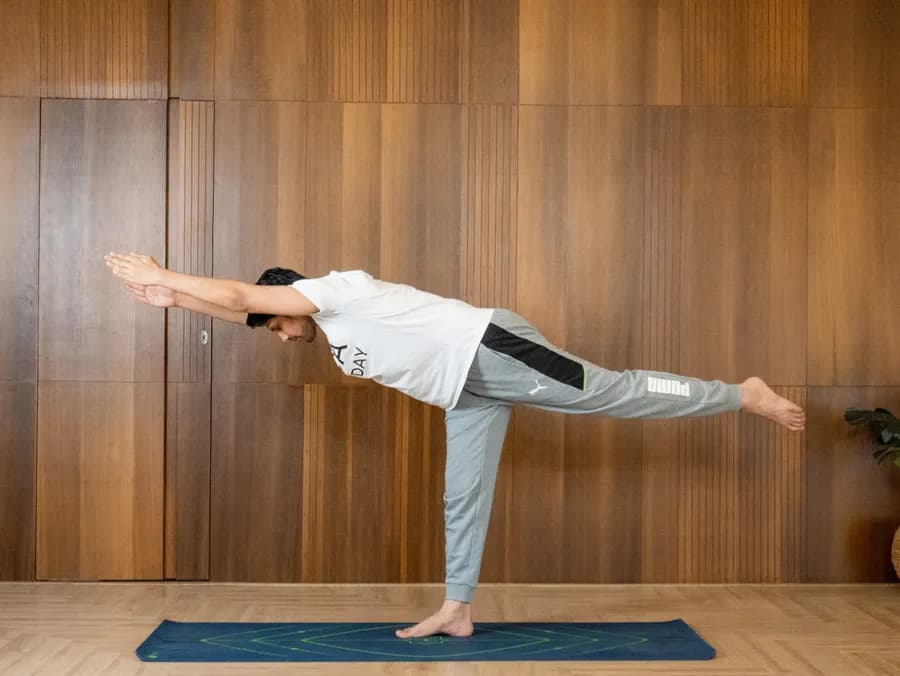
Virabhadrasana 3 (Warrior 3): Steps Balance and Core Benefits
Practice Virabhadrasana 3 with Habuild. Follow Warrior III steps to improve balance, build leg strength, and develop core stability and focus. Start today!
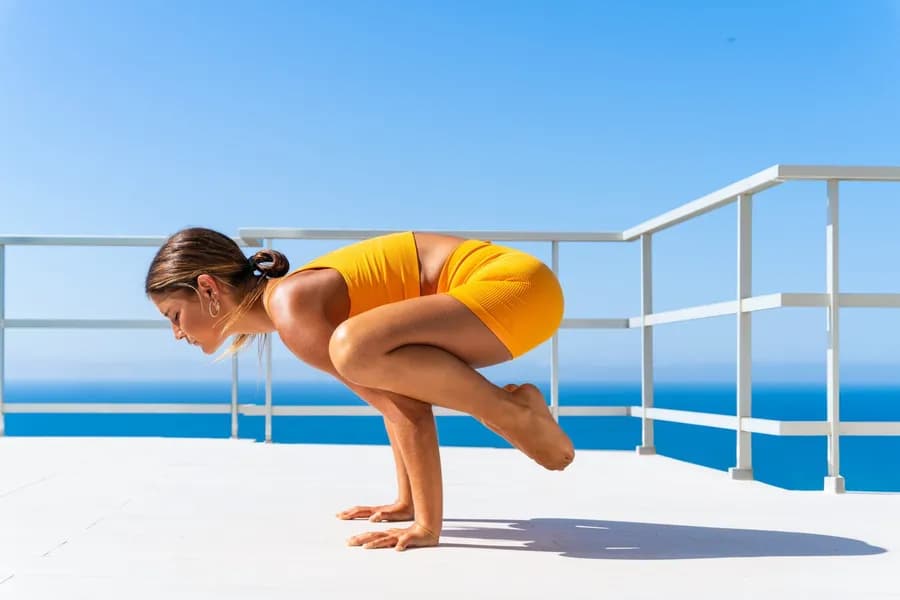
Bakasana (Crow Pose): Steps Strength Tips and How to Master It
Practice Bakasana with Habuild. Follow the crow pose steps to build core strength, improve wrist stability, and master your first arm balance. Start today!
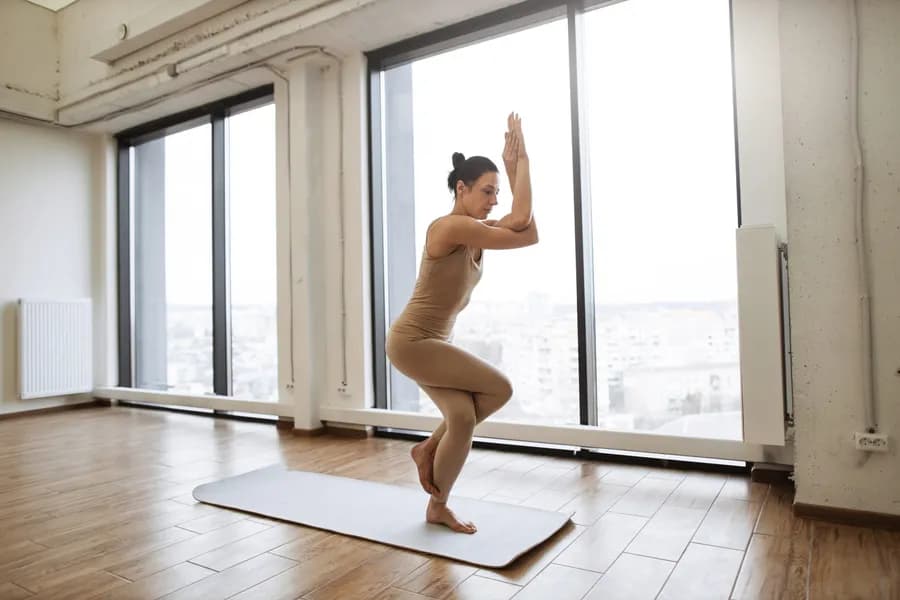
Garudasana (Eagle Pose): Steps Balance Benefits and Beginner Tips
Practice garudasana with Habuild. Try garudasana yoga to improve balance, strengthen your legs, open your shoulders, and develop sharp focus. Start today now!
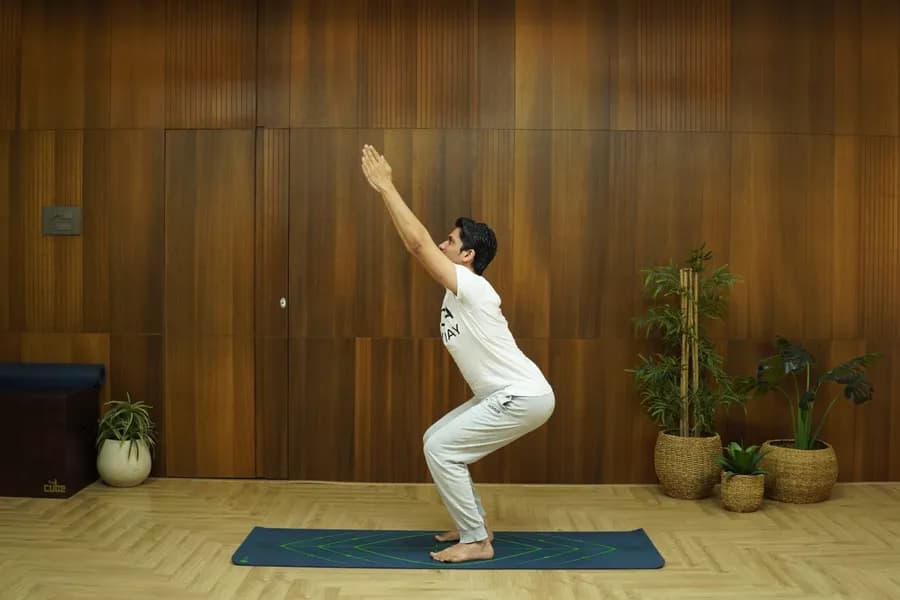
Utkatasana (Chair Pose): Steps Strength and Stamina Benefits
Practice utkatasana with Habuild. Try the utkatasana pose to strengthen your legs, build core power, and boost overall body endurance. Start your yoga session!
Virabhadrasana 2 (Warrior 2): Steps Benefits and Alignment Cues
Practice Virabhadrasana 2 with Habuild. Follow the Warrior II pose steps to strengthen your legs, open your hips, and build stamina and focus. Start today!