
Best Yoga Poses for Athletes: Flexibility, Recovery and Performance
These poses target exactly what sport and training tighten and weaken — hip flexors, hamstrings, thoracic spine, and shoulder girdle. See how yoga reduces
Key Takeaways
- A 2016 study found athletes adding yoga twice weekly gained 35% more hamstring flexibility.
- The same study found a 6% running economy improvement over a training-only control group.
- A 2020 study found yoga-practising athletes scored 28% better on attention and focus tests.
- Specifically targets the hip-hamstring-IT band complex behind most running injuries.
- Post-exercise sessions consistently reduce the duration and severity of DOMS, muscle soreness.
- Identifies structural imbalances – overdeveloped muscles versus weak antagonists – systematically.
Benefits of Yoga for Athletes
- Improves Flexibility and Range of Motion Athletic training consistently shortens the muscles it develops — tight hamstrings from running, tight hip flexors from cycling, tight chest from pressing. This progressive tightening reduces range of motion, impairs biomechanics, and is the primary precursor to overuse injury. Yoga’s sustained stretch positions restore optimal muscle length, improving joint range and movement efficiency across all athletic activities.
- Accelerates Recovery between Training Sessions Yoga’s parasympathetic nervous system activation reduces cortisol, improves circulation to damaged muscle tissue, and enhances lymphatic drainage of metabolic waste products — all of which accelerate recovery from training. Post-exercise yoga sessions consistently reduce the duration and severity of DOMS (delayed onset muscle soreness), allowing athletes to train harder the following day.
- Reduces Injury Risk through Structural Balance Most athletic injuries arise from structural imbalances — one muscle group overdeveloped and its antagonist underdeveloped, or a joint repeatedly loaded through a restricted range. Yoga’s full-body, bilateral movement practice identifies and corrects these imbalances systematically. Yoga for runners specifically addresses the hip-hamstring-IT band complex that drives the majority of running injuries.
- Builds Mental Focus and Breath Control Yoga’s breath-centred practice develops the respiratory control and mental focus that directly translate to athletic performance. Controlled breathing under physical stress, sustained concentration through discomfort, and the ability to remain present in competitive moments are all trained in yoga practice — and are among the most reliable differentiators of elite athletic performance.
Research: Athletes who added yoga 2×/week for 10 weeks improved hamstring flexibility by 35% and running economy by 6% compared to a training-only control group — Journal of Strength and Conditioning Research, 2016.
A 2020 study found that athletes with a consistent yoga practice had 28% better performance on attention and focus tests compared to non-yoga athletes — International Journal of Yoga.
How to Get Started with Yoga for Athletes
What You Need to Begin
A yoga mat. No prior yoga experience or flexibility required — the best yoga for athletes starts from exactly the level of tightness that training has produced. Comfortable athletic clothing. 20–30 minutes after training sessions or on rest days is sufficient for meaningful benefit.
Setting Realistic Goals
Week 1–2: Reduced post-training soreness and improved range of motion in targeted areas. Month 1: Measurable flexibility gains in hamstrings, hip flexors, and shoulders. Month 2–3: Improved running economy, better lifting mechanics, reduced injury occurrence. Focus on consistency — 20 minutes daily produces more benefit than 90-minute weekly sessions.
Start with the Basics
Begin with Downward Dog, Pigeon Pose, and Warrior II — the three poses that collectively address the most common athletic tightness patterns (posterior chain, hip flexors, hip abductors). Hold each for 5–10 slow breaths. Build from there as range of motion improves.
Best Yoga Poses for Athletes
Adho Mukha Svanasana — Downward-Facing Dog Full Posterior Chain · Shoulders · Recovery
From hands and knees, press hips upward and back into an inverted V shape. The entire posterior chain — calves, hamstrings, glutes, lower back, and shoulders — decompresses and lengthens simultaneously. For runners: the most time-efficient single pose for addressing the full lower body tightness pattern of running. For gym athletes: decompresses the spinal loading accumulated from deadlifts, squats, and overhead work. Breathing: 5–10 slow nasal breaths. Actively press through the palms and draw the heels toward the floor (they need not touch) with every exhale.
Eka Pada Rajakapotasana — Pigeon Pose Hip Flexors · Piriformis · Glutes · Yoga for Runners
From downward dog, bring one knee forward toward the same-side wrist and extend the other leg back. Lower the hips toward the floor. The piriformis, external hip rotators, and hip flexor of the extended leg are stretched simultaneously — the combination that addresses IT band syndrome, piriformis syndrome, and hip impingement, which are the three most common hip-related running injuries. Breathing: 8–10 slow breaths each side. Every exhale allows the hips to release further toward the floor. Use a folded blanket under the front hip if significant tightness prevents even distribution of hip weight.
Virabhadrasana II — Warrior II Hip Abductors · Quads · Shoulder Stability · Yoga for Athletes Flexibility
Wide-legged stance with one knee bent at 90 degrees and arms extended parallel to the floor. Warrior II simultaneously stretches the inner thigh of the back leg, strengthens the quad and glute of the bent leg, and develops the shoulder endurance that supports arm drive in running and throwing. It is the best pose for simultaneously improving athletic hip mobility and lower body functional strength. Breathing: 5 breaths each side, inhaling to lengthen the spine, exhaling to sink deeper into the front knee bend.
Supta Matsyendrasana — Supine Spinal Twist Thoracic Rotation · IT Band · Recovery
Lying on the back, draw one knee across the body to the opposite side while extending the same-side arm outward. The thoracic spine rotates, the IT band and outer hip release, and the intervertebral discs are gently decompressed through rotation — addressing the spinal compression accumulated from running, lifting, and cycling. Ideal as the final pose of any training day. Breathing: 8 breaths each side. Exhale into the rotation; do not force the knee to the floor.
Anjaneyasana — Low Lunge Hip Flexors · Psoas · Yoga for Athletes Recovery
From a lunge with the back knee on the floor, sink the hips forward and downward while keeping the torso upright. The psoas and iliacus — the primary hip flexors that chronically shorten in all athletes from running, cycling, and sitting — are stretched through their full length. Tight hip flexors contribute to anterior pelvic tilt, lower back pain, and reduced stride length in runners. Breathing: 8 breaths each side. Raise the arms overhead to deepen the psoas stretch with every inhale.
Gomukhasana Arms — Cow Face Pose Arms Shoulder Girdle · Rotator Cuff · Overhead Athletes
Reach one arm overhead and bend the elbow behind the head; reach the other arm up the back and clasp both hands (or hold a strap between). This position simultaneously stretches the posterior rotator cuff of the top arm and the anterior shoulder of the bottom arm — the combination that addresses the shoulder tightness pattern of swimmers, throwers, and all athletes who perform overhead movements. Breathing: 8 breaths each side.
Common Mistakes to Avoid
- Skipping the Yoga Warm-Up Before Athletic Training Using yoga poses as a cold-muscle warm-up before intense training is a common error — particularly pigeon pose and passive stretches that lengthen muscles that have not yet been warmed through circulatory activity. Cold muscles stretched passively are more prone to strain than warmed muscles.
- Holding Breath During Stretching Poses Breath-holding during held stretches maintains sympathetic nervous system activation — preventing the parasympathetic shift that is 50% of yoga’s recovery mechanism. It also keeps muscle tone elevated, limiting the range of motion available.
- Forcing into Advanced Poses Too Soon Athletes who are strong and competitive often approach yoga with the same “push harder” mentality that drives their sport. This produces injury in yoga because many advanced poses require a combination of mobility, strength, and structural preparation that short-cuts hurt rather than accelerate.
- Inconsistent Practice One yoga session per week produces temporary benefit. The structural changes — improved muscle length, increased joint mobility, enhanced proprioception — require consistent daily or near-daily practice over 4–8 weeks to become permanent baseline adaptations.
Fix: Use dynamic yoga (Surya Namaskar, warrior flows, dynamic lunges) as pre-training warm-up. Reserve passive holds (pigeon, supine twists, low lunge) for post-training when muscles are warm and receptive to lengthening.
Fix: Exhale into every deepening of a stretch. Long, audible exhales signal safety to the nervous system and allow the muscle’s protective tone to reduce — enabling greater range without forcing. The breath is the primary tool in yoga stretching, not effort.
Fix: Yoga for athletic performance does not require advanced poses. Pigeon, downward dog, and warrior holds done deeply and consistently produce more athletic benefit than attempting splits or backbends before the prerequisite mobility exists.
Fix: 20 minutes of post-training yoga daily outperforms 90 minutes once weekly for all athletic flexibility and recovery outcomes. Habuild’s daily live sessions build this habit automatically.
Who Should Try Yoga for Athletes?
- Runners Yoga for runners specifically targets the hip flexor-hamstring-IT band tightness pattern that drives the majority of running injuries. Pigeon pose and low lunge daily are the most effective single intervention for running injury prevention available without a gym or physiotherapist.
- Gym and Strength Athletes Yoga for athletes flexibility addresses the specific tightness patterns of bench press (anterior shoulder), squatting (hip flexors, ankle dorsiflexion), and deadlifting (thoracic extension, hamstrings) — improving lifting mechanics and reducing injury risk from the imbalances that strength training consistently produces.
- Older Athletes Recovery time, injury risk, and flexibility maintenance become increasingly important after 35. Yoga for athletes recovery becomes the most valuable component of the programme — more important than the training volume itself. Medical disclaimer: consult a doctor before beginning if joint or cardiovascular conditions are present.
- Team Sport and Recreational Athletes Yoga for athletes flexibility and mental focus benefits all sport types. The breath control and concentration developed in yoga practice translate directly to improved performance under competitive pressure.
Build Athletic Performance with a Yoga Routine That Works
- Daily live guided yoga sessions
- Athlete-specific flexibility programming
- Recovery and performance sequences
- No equipment — home-friendly
- Expert real-time guidance
- Community of consistent practitioners
Start Your Athletic Yoga Journey Today
Athletes rarely lack intensity; what’s usually missing is the unglamorous daily mobility work that keeps hip flexors, hamstrings, and shoulders resilient enough to handle that intensity without breaking down. Slotting a short session in after training, every day, does more for longevity than an occasional deep stretch before a big event. Yoga Everyday is built for that kind of daily maintenance, complementing whatever sport or training plan you follow.
Frequently Asked Questions
Related Articles
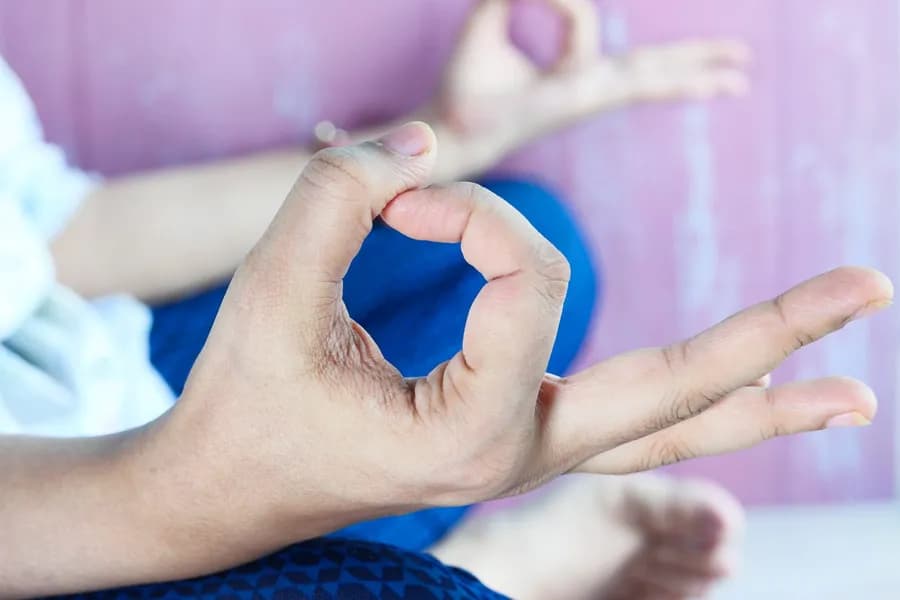
Gyan Mudra: How to Do It and Its Benefits for Focus and Memory
Practice Gyan Mudra with Habuild. Follow the wisdom hand gesture steps to improve focus, reduce anxiety, and enhance your meditation practice. Start today!

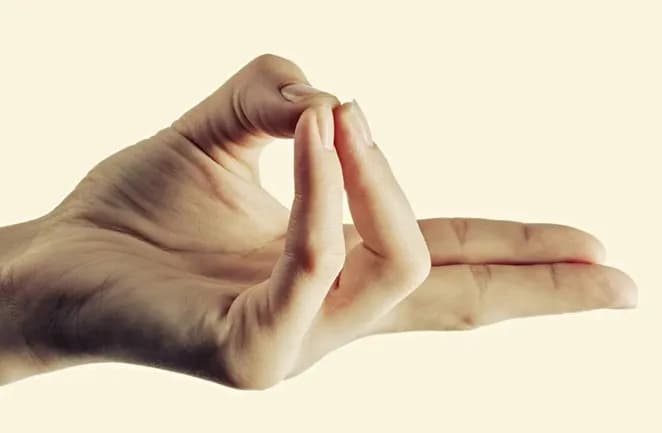
Prana Mudra: How to Practice and Its Life Energy Benefits
Practice Prana Mudra with Habuild. Follow the life force hand gesture steps to boost energy, strengthen immunity, and improve your eye health. Start today!
Kapalbhati Pranayam: How to Practice Benefits and Precautions
Practice Pranayam Kapalbhati with Habuild. Follow the skull-shining breath steps to boost digestion, strengthen your core, and energise your body. Start today!
