Bhairavi Mudra: Benefits, Steps, Meaning & Precautions
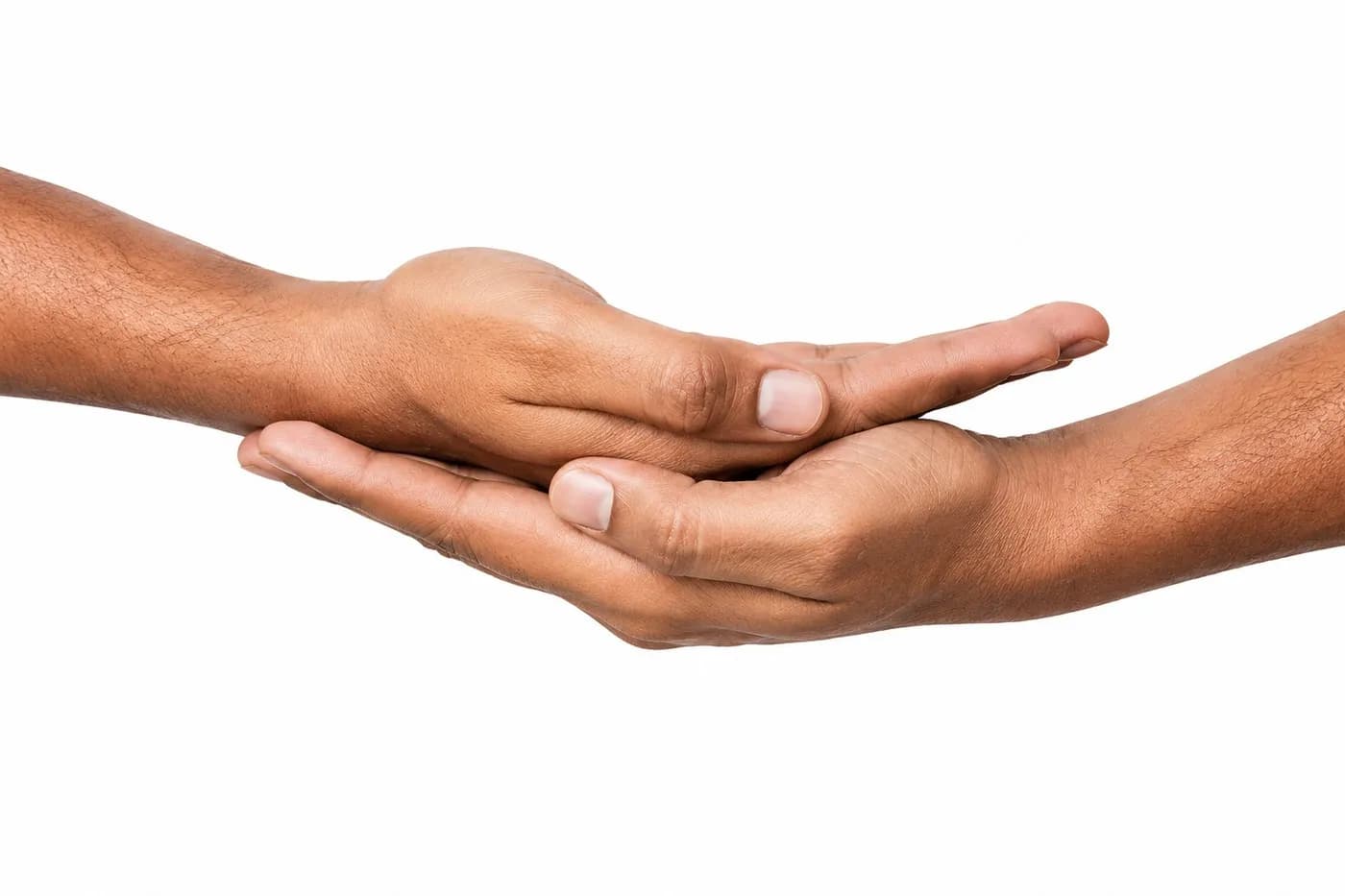
The right hand rests on top of the left, both palms facing upward in the lap, named after the fierce, transformative form of the Divine Feminine. See the
Key Takeaways
- Named after Bhairavi, the fierce transformative form of the Divine Feminine in tantric yoga.
- The right hand resting atop the left, palms up, symbolises consciousness receiving energy.
- Represents the union of Shiva, the witness, and Shakti, the active force, in tantric philosophy.
- Central to Bhairavi Pranayama and specific practices in the modern Linga Bhairavi tradition.
- The lap-settled position naturally aligns the shoulders and gently opens the chest.
- Practitioners typically explore Dhyana Mudra first before progressing to this gesture.
What is Bhairavi Mudra?
In the tantric and kundalini yoga traditions, mudras are not just hand gestures — they are seals that lock specific energetic configurations into the body during meditation. Bhairavi mudra is one of the most important seated meditation gestures because it represents the union of Shiva and Shakti — consciousness and energy, the still witness and the active force, the masculine and feminine principles that, in tantric philosophy, give rise to all existence.
The gesture is simple: the right hand rests on top of the left hand, both palms facing upward, with the hands settled in the lap during seated meditation. The right hand represents Bhairava (consciousness, the witness, the masculine principle), and the left hand represents Bhairavi (energy, the active force, the feminine Shakti). When the right rests on the left, the mudra symbolises consciousness receiving energy — the meditative orientation in which the practitioner becomes a still witness while the inner energy moves freely.
This is the meditation hand position used during Bhairavi Pranayama, certain kundalini practices, and traditionally in long sittings of dhyana. In modern tantric traditions — particularly the Linga Bhairavi tradition associated with Sadhguru and the Isha Foundation — the gesture and the deity are central to specific meditation practices for women’s and inner-energy work. Practitioners new to seated meditation hand positions often start by exploring the relateddhyana mudra to feel the resting-hand energetics before progressing to bhairavi.
Bhairavi Mudra Benefits
- Physical Benefits
- Stabilises the Body for Long Sittings The lap-settled hand position naturally aligns the shoulders, opens the chest gently and relaxes the elbows. Over weeks of practice, the body learns to hold a comfortable upright meditation seat for 20, 30 or 45 minutes without strain.
- Spiritual and Energetic Benefits
- Balances the Ida and Pingala Nadis The right-on-left configuration is traditionally said to harmonise the masculine (pingala / right side / solar) and feminine (ida / left side / lunar) energies, preparing the central sushumna nadi for deeper pranic flow.
- Encourages Diaphragmatic Breathing With the hands gently settled in the lap rather than holding any object or active gesture, the breath naturally drops into the diaphragm — the foundation for any deeper pranayama practice.
- Supports the Parasympathetic Nervous System The receptive, palms-up hand position is associated in many meditation traditions with a deeper drop into rest-and-digest physiology. Combining the practice withbhramari pranayama before the meditation amplifies this effect.
- Eases Shoulder and Upper-Back Tension The hand position lets the shoulders soften, gradually undoing the chronic upper-trapezius tension common in desk workers.
- Supports Kundalini Awakening Practices Bhairavi mudra is the meditation hand position used in many serious kundalini sadhanas. It does not cause kundalini awakening, but it provides the still, receptive container in which the practice can unfold.
- Cultivates the Witness Consciousness The symbolic union of Shiva (witness) and Shakti (energy) becomes a felt, daily reminder that the meditator’s role is to witness the play of inner experience without grasping or resisting.
- Deepens Emotional Regulation Over Time Daily 20+ minute sittings in bhairavi mudra are associated with a quieter, less reactive emotional landscape. Pairing the practice with structuredyoga for stress management compounds this effect.
How to Do Bhairavi Mudra — Step-by-Step Instructions
Key Principles
- Spine upright but not rigid.
- Shoulders dropped, chest open.
- Hands rest passively — no gripping, no shaping.
Step 1: Find a Stable Meditation Seat
Sit in sukhasana, siddhasana, padmasana or on a chair with feet flat. Spine tall, ears over shoulders, crown of the head lifted gently.
Step 2: Settle the Hands in the Lap
Bring both hands into the lap, in the natural cradle formed where the thighs meet the lower abdomen.
Step 3: Place the Left Hand Down
Rest the left hand in the lap first, palm facing upward, fingers naturally curved.
Step 4: Place the Right Hand on Top
Rest the right hand directly on top of the left hand, palm also facing upward, fingers gently curved over the left fingers.
Step 5: Optional — Touch the Thumbs
Some traditions ask the thumb tips to touch lightly above the fingers, forming a soft circle. Others let the thumbs rest naturally without contact. Both are valid; choose what feels most settled.
Step 6: Settle the Breath
Begin slow, natural breathing through the nose. Do not control the breath — let it arrive at its own depth.
Step 7: Hold and Witness
Stay for 20–45 minutes in the gesture. The longer the sitting, the more the gesture’s symbolic and physiological effects compound. Beginners can start with 10 minutes and build up.
Step 8: Release Mindfully
Slowly bring awareness back to the body. Open the eyes softly. Sit for another minute before moving.
Breathing in Bhairavi Mudra
Bhairavi pranayama — the slow, quiet breath that mirrors the receptive nature of the gesture — is the traditional companion. Avoid forceful pranayamas like kapalbhati and bhastrika while in the bhairavi mudra position.
Preparatory Practices Before Bhairavi Mudra
A few minutes of preparation deepen the sitting:
- Hip openers (baddha konasana, supta baddha konasana) — make the long sitting comfortable.
- 3 rounds of anulom vilom — balances the nostril flow before the meditation.
- 5 rounds of bhramari pranayama — quiets the mind for receptive sitting.
- Brief body scan (2 minutes) — releases physical tension before stilling the hands.
Variations of Bhairavi Mudra
Variation 1: Bhairava Mudra (The Reverse)
Same hand position, but the left hand rests on top of the right hand. This is the bhairav bhairavi mudra counterpart — used when the practitioner wants to emphasise the active, energetic principle (Shakti) above the receptive consciousness (Shiva). Bhairava and bhairavi mudra are often practised as paired sittings on alternate days.
Variation 2: Bhairavi with Chin Mudra
Rather than resting in the lap, both hands form chin mudra (index finger touching thumb tip) and rest on the knees. Used in extended sittings where the lap position becomes uncomfortable.
Variation 3: Bhairavi Mudra in Padmasana with Sushumna Focus
The full classical setup — padmasana seat, bhairavi mudra in the lap, attention on the sushumna nadi running up the spine. For experienced practitioners only.
Common Mistakes to Avoid in Bhairavi Mudra
- Reversing the hand order without intention — in the classical bhairavi mudra, right is on left. Reversing it makes it bhairava mudra, which has different energetic emphasis. Choose deliberately.
- Gripping or shaping the hands actively — bhairavi mudra is receptive. Hands rest passively; no muscular effort.
- Hunching the spine forward — the gesture only works when the spine stays tall and the chest stays open.
- Sitting for 45 minutes on day one — build duration gradually. Begin with 10 minutes, add 5 minutes per week.
- Practising forceful pranayama in the gesture — bhairavi mudra is for receptive, slow breath. Save kapalbhati and bhastrika for an active hand position before or after.
- Treating it as just a hand position — the symbolic dimension (Shiva-Shakti union) is part of what makes the practice work over the long term. Hold the meaning, not just the form.
Who Should Practise Bhairavi Mudra?
- Serious Meditation Practitioners Anyone committing to daily 20+ minute meditation sessions benefits from a stable, traditional hand position. Bhairavi mudra is among the best.
- Practitioners of Kundalini Yoga and Tantric Traditions Foundational gesture for many serious sadhanas. Essential to learn correctly.
- People in the Linga Bhairavi or Isha Tradition The gesture is central to specific practices in the modern tantric tradition associated with the Linga Bhairavi temple and inner-energy work. Approach the practice through a teacher in that lineage for the most authentic experience.
- People Seeking Emotional Steadiness through Meditation Daily practice is associated with quieter emotional reactivity over months. Many practitioners pair the meditation with a parallelyoga asanas routine that prepares the body for the long sit.
- Is Bhairavi Mudra Good for Beginners? Yes — and especially good because it requires no finger precision. The challenge is the duration of sitting, not the gesture itself.
The receptive, settled quality Bhairavi mudra is known for tends to deepen the more familiar your hands and mind become with it — a gesture practised once in a while rarely produces the same quiet surrender as one folded into a daily sitting. Let your palms rest in this position for a few consistent minutes each day and notice how the settling changes over weeks. Habuild’s Yoga Everyday program offers guided meditation sessions that make this kind of daily consistency easier to maintain.
Frequently Asked Questions
Related Articles
Vajrasana: How to Do It Benefits and Precautions
Practice vajrasana pose with Habuild. Try vajrasana to ease digestion, reduce back pain, and calm your mind. Ideal for all levels. Start your session today!
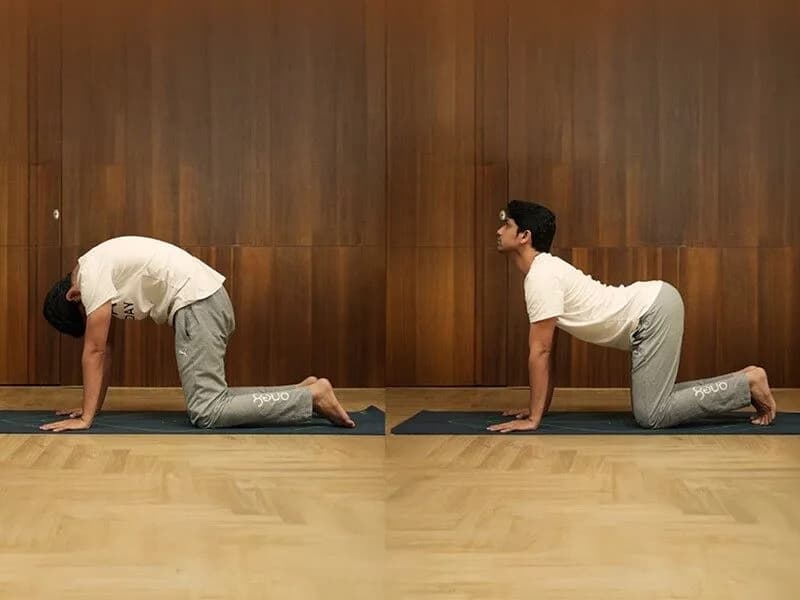
Chakravakasana (Ruddy Goose Pose): Steps, Benefits and Precautions
This four-point kneeling anti-rotation exercise builds lumbar stability and shoulder alignment, named after the ruddy shelduck of Hindu mythology. See the steps, benefits, and precautions.
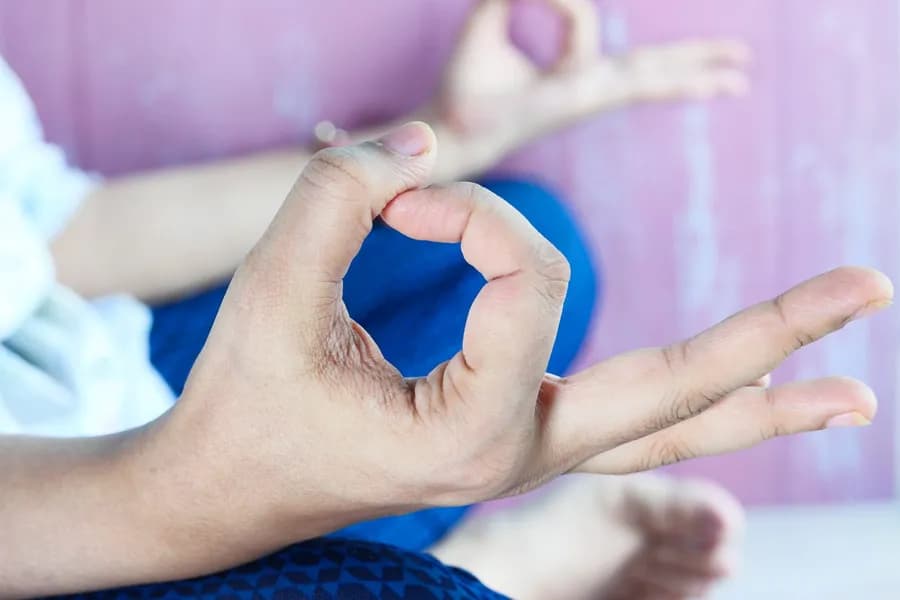
Gyan Mudra: How to Do It and Its Benefits for Focus and Memory
Practice Gyan Mudra with Habuild. Follow the wisdom hand gesture steps to improve focus, reduce anxiety, and enhance your meditation practice. Start today!