
Bronchial Mudra: Benefits, Steps, Asthma Sequence & Precautions
Paired with Asthma Mudra in a two-part sequence, this gesture targets the bronchial tubes and is believed to relax the smooth muscle around the airways.
Key Takeaways
- Developed within the 20th-century Acharya Keshav Dev school of therapeutic mudra science.
- Combines little finger, ring finger, and middle finger positions on the thumb, index extended.
- Balances fire, water, and earth elements to open and relax the bronchial passages.
- Traditionally paired with Asthma Mudra in a specific two-part sequence.
- Sensitive practitioners report a chest-opening sensation within just 5-10 minutes.
- Pairing it with Anulom Vilom pranayama beforehand is said to accelerate the effect.
What is Bronchial Mudra?
Bronchial mudra is a healing hand gesture from the Acharya Keshav Dev yoga therapy tradition, a school of mudra science developed in India in the 20th century with a strong focus on therapeutic finger combinations.
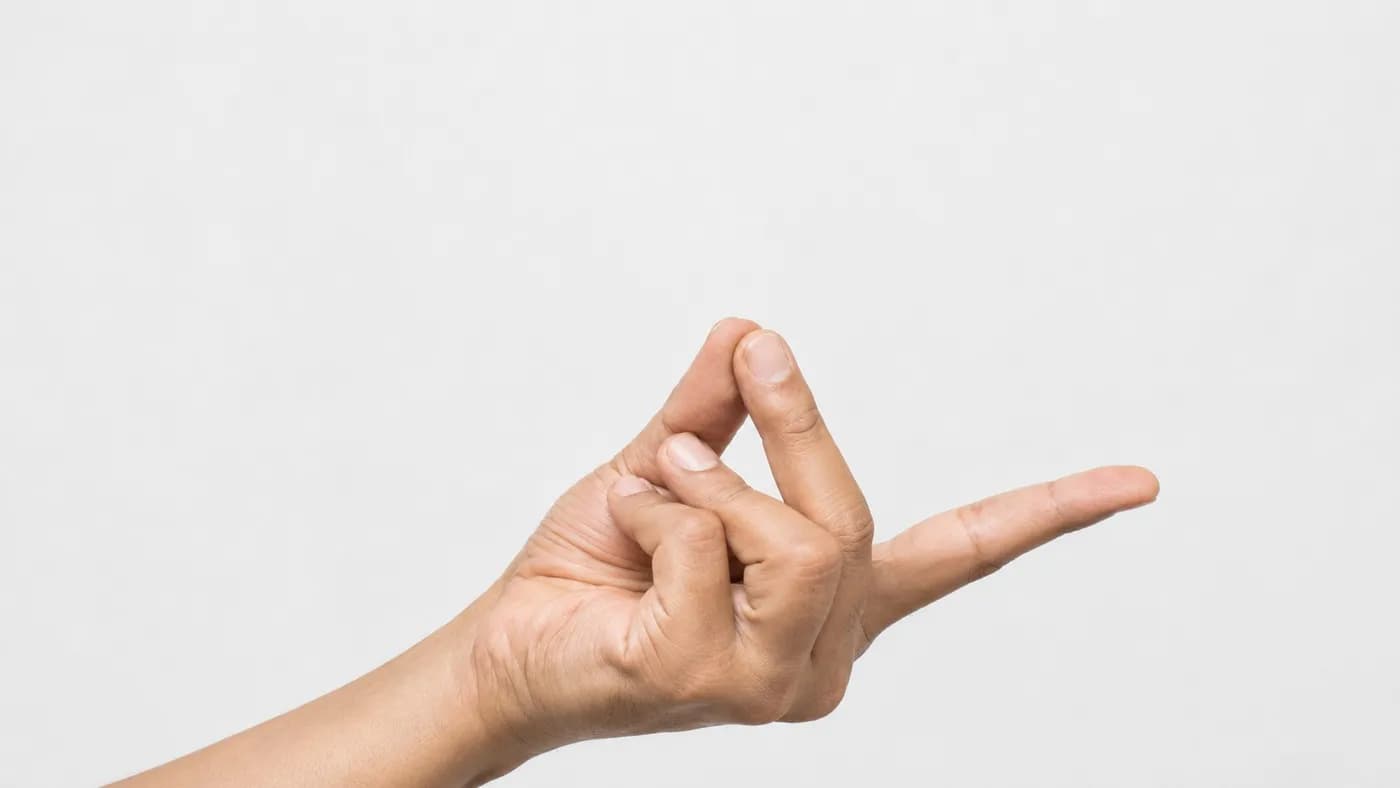
The mudra is performed by placing the little finger at the base of the thumb, the ring finger on the upper joint of the thumb (or thumb pad) and the middle finger across the thumb nail, with the index finger extended straight up. The combination is said to balance the elements of fire (thumb), water (little finger) and earth (ring finger) in a way that opens and relaxes the bronchial passages.
In yogic anatomy, the lungs and bronchial system are connected to the anahata (heart) chakra and the prana vayu (the upward, inward-moving vital current that governs breath). Bronchial mudra is one of the few hand gestures whose effect is felt almost immediately by sensitive practitioners — a softening or “opening” sensation in the chest within 5–10 minutes. Pairing it withanulom vilom before the mudra accelerates that effect.
Bronchial Mudra Benefits
Physical Benefits
1. Eases Mild Asthma Symptoms The defining bronchial mudra benefits are felt by people with mild, well-controlled asthma. Daily 10–15 minute practice can reduce the frequency of minor symptoms — wheezing, chest tightness, shortness of breath — over weeks.
2. Supports Mucus Clearance Practitioners report easier morning expectoration after a few weeks of consistent practice, particularly useful for smokers in recovery and people with chronic bronchitis.
3. Improves Breathing Capacity By promoting slow, attentive breathing alongside the mudra, lung volume and breath-holding capacity improve gradually. Combining bronchial mudra with bhramari pranayama directly soothes the airways through gentle vibration.
4. Calms Allergic Bronchial Response Useful in allergy season — though never as a first response to severe reactions.
Mental and Emotional Benefits
5. Reduces Breath-Related Anxiety Many people with asthma develop a fear-of-breathlessness loop. Bronchial mudra paired with slow nasal breathing helps interrupt that loop. Pairing the mudra with a structured yoga for stress management routine addresses both the symptom and the upstream nervous-system trigger.
6. Builds Confidence with Breath After a few weeks of practice, members consistently report feeling “less afraid of their lungs” — a quiet but life-changing shift.
How to Do Bronchial Mudra — Step-by-Step Instructions
Key Principles
- Practise on both hands simultaneously.
- Light contact only — no pressing or strain.
- Never practise during an active asthma attack; use your reliever first.
Step 1: Find a Comfortable Seat
Sit upright in sukhasana, vajrasana or on a chair. If chest tightness is present, sit propped against pillows.
Step 2: Position the Little Finger
On each hand, fold the little finger so its tip rests at the base of the thumb (the muscular mound called the thenar eminence).
Step 3: Position the Ring Finger
Fold the ring finger so the tip rests on the upper joint of the thumb (the joint closest to the thumb tip).
Step 4: Position the Middle Finger
Fold the middle finger so the tip rests across the thumb nail.
Step 5: Extend the Index Finger
The index finger stays straight up, pointing toward the sky.
Step 6: Settle the Breath
Begin slow nasal breathing — inhale 4 counts through the nose, exhale 6 counts through the nose. Never breathe through the mouth in this practice.
Step 7: Hold and Observe
Stay 10–15 minutes. Notice any softening or “opening” sensation in the chest.
Step 8: How to Come Out
Release the fingers slowly. Place both palms over the chest for 1 minute of quiet rest.
Breathing in Bronchial Mudra
Pair with anulom vilom (alternate nostril) and bhramari (humming bee). Avoid kapalbhati and bhastrika during active asthma flare-up periods.
Preparatory Practices Before Bronchial Mudra
- Anulom vilom (5 rounds) — balances nostril airflow before mudra meditation.
- Bhramari pranayama (5 rounds) — directly soothes the airways and calms the nervous system.
- Gentle chest opening — interlace fingers behind the back, lift chest. 30 seconds, twice.
- Cat-cow (marjariasana, 5 rounds) — mobilises the rib cage.
Variations of Bronchial Mudra
Variation 1: Bronchial + Asthma Mudra Sequence (The Classic Pair)
Practise Bronchial mudra for 4–6 minutes, then immediately switch to Asthma mudra (the middle joints of both middle fingers pressed together) for another 4–6 minutes. This is the traditional Acharya Keshav Dev protocol.
Variation 2: Bronchial Mudra in Shavasana
Lie on your back with the mudra formed at the sides of the body. Best during fatigued days or evening practice.
Variation 3: Bronchial Mudra with Bhramari
Add 5 rounds of humming bee breath while holding the mudra. Particularly soothing for allergy-driven irritation.
Common Mistakes to Avoid in Bronchial Mudra
- Practising during an acute attack — use your inhaler first. The mudra is for daily prevention, not rescue.
- Pressing the fingers too hard onto the thumb — feather-light contact only.
- Breathing through the mouth — defeats the purpose. Always nasal.
- Skipping the Asthma mudra follow-up — the two are designed to work as a pair.
- Practising in cold or smoky air — choose a warm, well-ventilated space.
- Stopping prescribed inhalers because the mudra “feels good” — never. Continue all medication and consult your pulmonologist on any changes.
Who Should Practise Bronchial Mudra?
- People with Mild, Well-Controlled Asthma The ideal user — daily practice can reduce flare-up frequency over months. Many also benefit from a parallelyoga for heart health routine because the lungs and heart share so much circulatory work.
- People with Seasonal Allergies and Sinus-Related Breathing Issues Especially helpful in pollen-heavy months, paired with bhramari.
- Smokers Quitting or in Recovery Supports lung clearance alongside cessation programmes.
- People with Chronic Bronchitis or COPD (with Medical Clearance) Always check with your pulmonologist first.
- Is Bronchial Mudra Good for Beginners? Yes. It looks complex at first but the finger positions are intuitive within 2–3 attempts.
- CTA — Mid-Page 50,000+ members already practising with Habuild every morning. Live breath-focused sessions · pranayama-trained instructors · cancel anytime.
Airway relaxation through Bronchial mudra is cumulative rather than immediate — most practitioners pair it with an Asthma sequence and repeat it daily, since a single session rarely changes how the chest feels the way weeks of consistent practice can. Approach it as one part of an ongoing respiratory routine, alongside whatever your doctor has recommended. Habuild’s Yoga Everyday program can support that consistency with guided daily breath and asana work.
Frequently Asked Questions
Related Articles
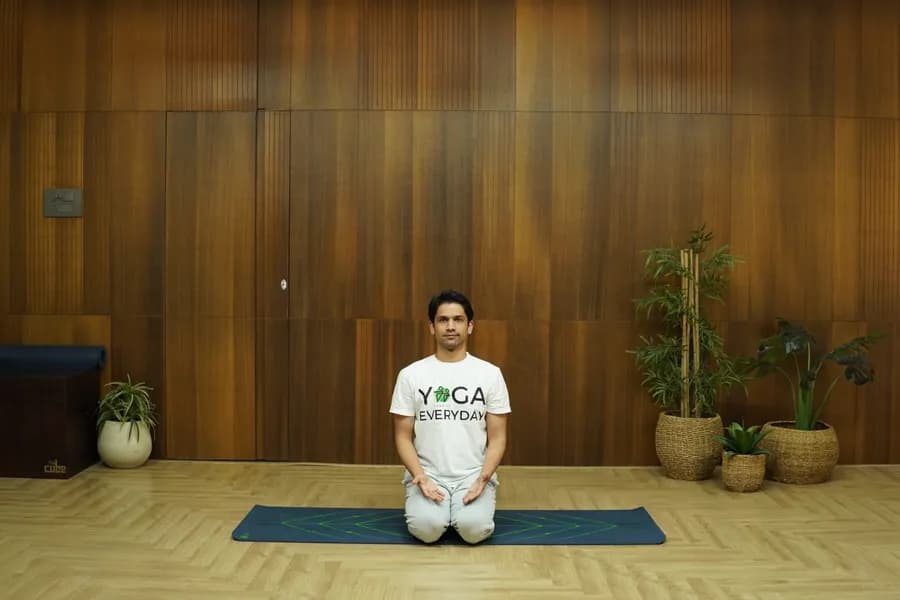
Vajrasana: How to Do It Benefits and Precautions
Practice vajrasana pose with Habuild. Try vajrasana to ease digestion, reduce back pain, and calm your mind. Ideal for all levels. Start your session today!

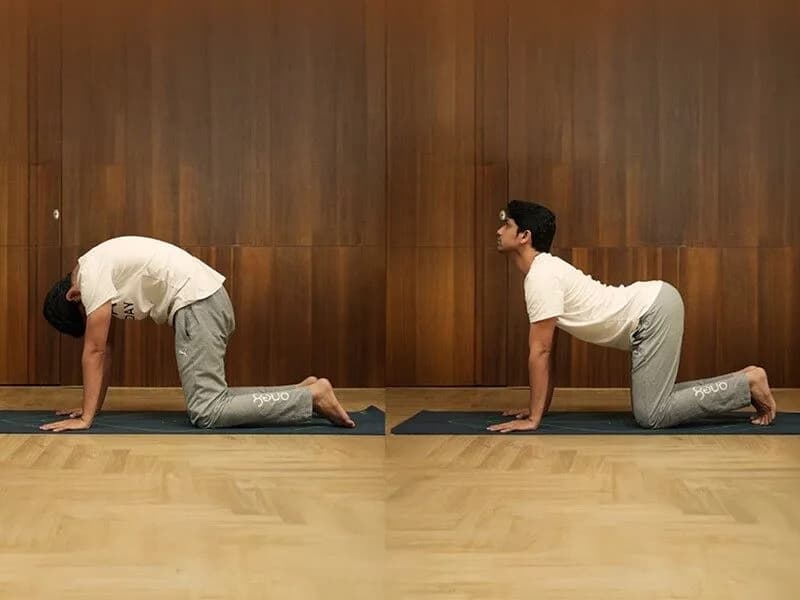
Chakravakasana (Ruddy Goose Pose): Steps, Benefits and Precautions
This four-point kneeling anti-rotation exercise builds lumbar stability and shoulder alignment, named after the ruddy shelduck of Hindu mythology. See the steps, benefits, and precautions.
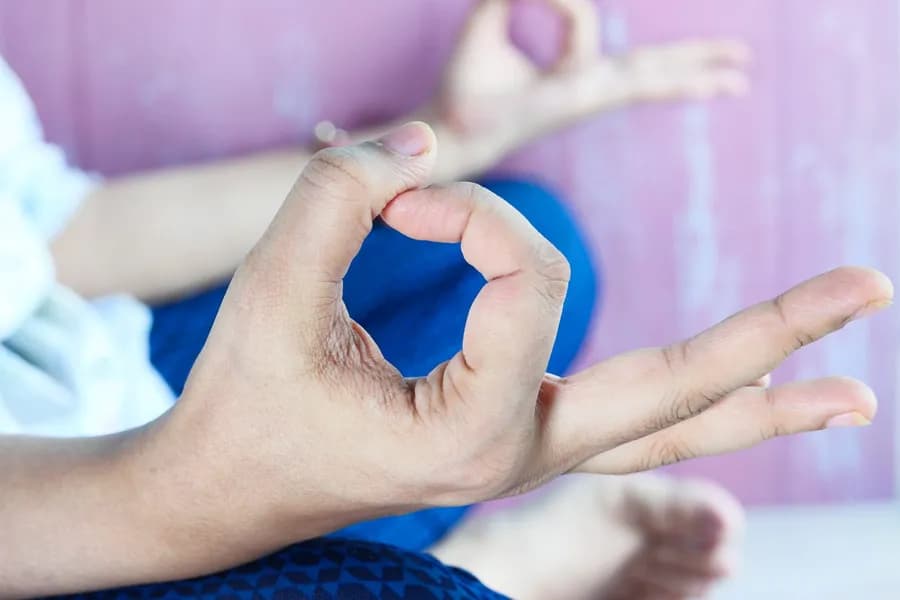
Gyan Mudra: How to Do It and Its Benefits for Focus and Memory
Practice Gyan Mudra with Habuild. Follow the wisdom hand gesture steps to improve focus, reduce anxiety, and enhance your meditation practice. Start today!
