
Shakti Mudra (Power Seal): Steps, Benefits & Precautions
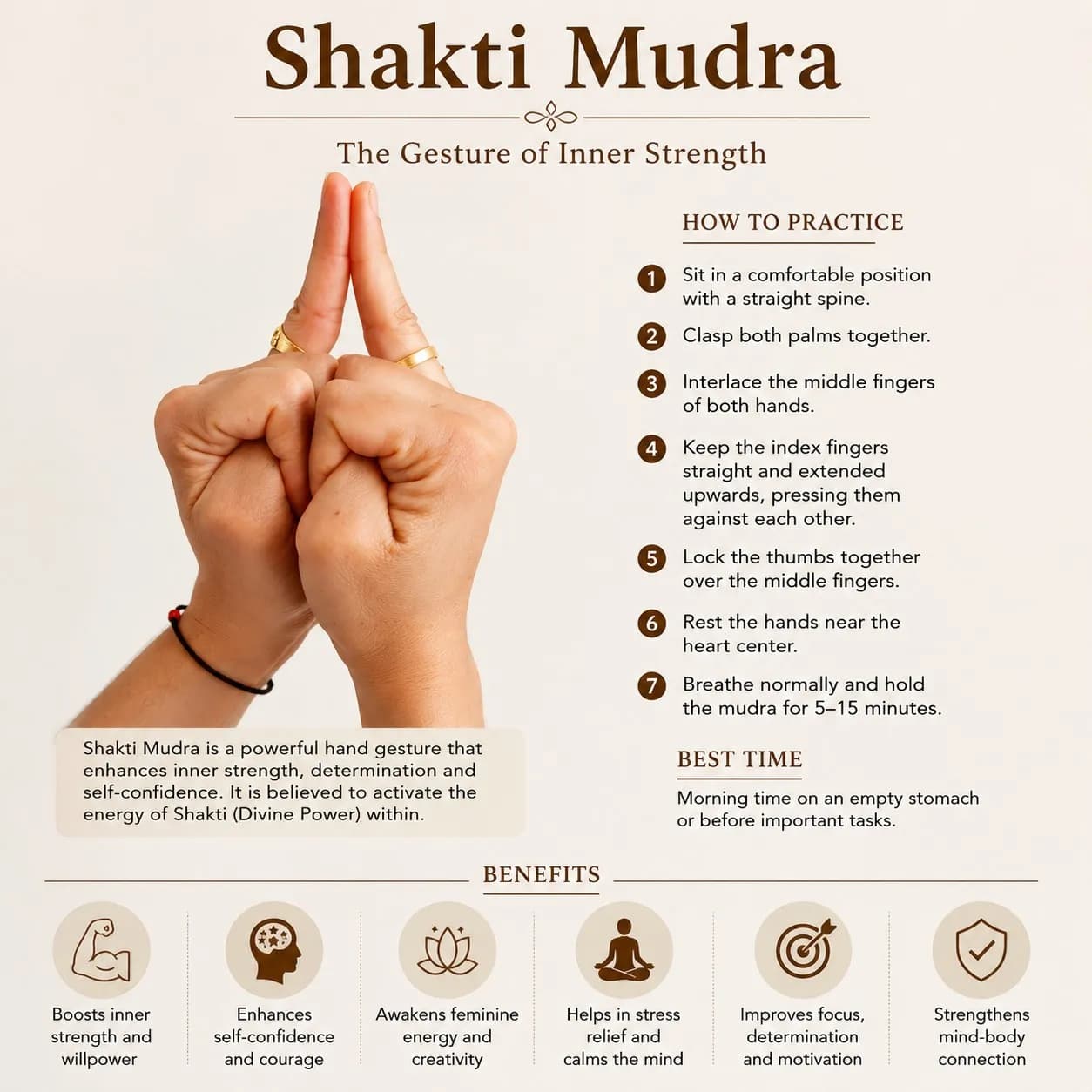
The ring and little fingers interlace while the index and middle fingers curl inward and thumbs tuck across the palms, forming a compact, inward-drawing shape. See the steps, benefits, and precautions.

Key Takeaways
- Interlaces the ring and little fingers while curling the index and middle fingers inward.
- Directs prana toward the pelvic region and lower abdomen, a common tension site.
- Belongs to the family of calming mudras used in pranayama and restorative sequences.
- Holding it for 10-15 minutes with extended exhalations may help prepare the body for sleep.
- Paired with diaphragmatic breathing, it may support gentle digestive organ stimulation.
- Regular practice may gradually ease pelvic floor and lower-back tension from prolonged sitting.
What is Shakti Mudra?
Shakti Mudra is a yogic hand gesture — or hasta mudra — whose name comes from two Sanskrit words: Shakti (meaning divine feminine power or primal energy) and Mudra (meaning seal or gesture). It is pronounced SHAK-tee MOO-dra and is sometimes called the Power Seal in English. The gesture is formed by interlacing the ring and little fingers of both hands while curling the index and middle fingers inward, with the thumbs tucked across the palms — creating a compact, inward-drawing shape.
In traditional yogic symbolism, Shakti represents the dynamic, activating force of the universe — the energy that moves, creates, and sustains life. Shakti Mudra is understood as a way of channelling and containing that force within the body, directing prana (vital energy) toward the pelvic region and lower abdomen. It belongs to the family of calming mudras often used in pranayama, meditation, and restorative yoga sequences.
Within the broader yoga system, this mudra is paired with slow, rhythmic breathing to deepen its effect on the parasympathetic nervous system. It is frequently taught alongside grounding asanas and is considered a complementary gesture to Prana Shakti practices that work with energy flow. Regular engagement with Shakti Mudra is valued not just for its physical influence but for the inward attention it cultivates during practice.
Shakti Mudra Benefits
Physical Benefits
- Benefit 1: Supports Relaxation of the Pelvic Region Shakti Mudra directs subtle energy toward the pelvic floor and lower abdomen, areas that accumulate significant tension from prolonged sitting, stress, and poor posture. Regular practice may gradually ease tightness in this region over time. For those dealing with lower-back discomfort or pelvic stiffness, consistent use of this mudra — paired with slow breathing — can support greater ease and comfort in the body.
- Benefit 2: May Help Improve Sleep Quality One of the most widely observed shakti mudra benefits is its potential to support better sleep when practised before bedtime. The gesture is thought to activate the parasympathetic nervous system, shifting the body away from a state of alertness and toward deeper rest. Practitioners who hold this mudra for 10–15 minutes with extended exhalations often report feeling calmer and more prepared for sleep.
- Benefit 3: Supports Digestive Awareness By directing attention and breath toward the lower abdomen, Shakti Mudra may support gentle stimulation of the digestive organs. This can be particularly relevant for individuals who experience sluggishness in the gut due to sedentary lifestyles or chronic stress. Pairing the mudra with diaphragmatic breathing amplifies its potential to create internal movement and improve abdominal circulation.
- Benefit 4: Calms the Nervous System and Reduces Stress Among the key agni shakti mudra benefits and broader Shakti Mudra applications is its established role as a nervous system regulator. Holding the gesture while breathing slowly engages the body’s rest-and-digest response, helping manage the physiological effects of daily stress. Over time, this consistent calming signal can make it easier to return to equilibrium after stressful events.
- Benefit 5: Supports Emotional Balance and Stability In yogic philosophy, Shakti Mudra works with the Svadhisthana (sacral) chakra — associated with emotions, creativity, and adaptability. Regular practice may gradually help practitioners feel more emotionally grounded, less reactive, and better able to navigate uncertainty. Many people find this particularly useful during periods of hormonal change, emotional fatigue, or heightened anxiety.
- Benefit 6: Shakti Mudra Benefits for Men — Focus and Inner Stillness Shakti mudra benefits for men are often underemphasised but are equally meaningful. For men managing high-pressure work environments, this mudra’s capacity to quiet mental chatter and bring the mind inward makes it a practical tool for daily stress regulation. Practised after exercise or meditation, it can serve as an effective transition into a state of focused calm — supporting mental clarity and sustained attention.
Mental and Emotional Benefits
How to Do Shakti Mudra — Step-by-Step Instructions
Key Principles
Before beginning, find a quiet seated position — either cross-legged, in Vajrasana, or on a chair with your spine upright. Keep your shoulders relaxed, jaw unclenched, and eyes gently closed. The mudra works best when your breath is slow and deliberate — not forced. Give yourself at least 5 minutes of uninterrupted time for each session.
Step 1: Starting Position
Rest both hands on your thighs, palms facing upward. Take 3 deep breaths to settle in. Notice the natural weight of your hands and the length of your spine. This preparatory awareness ensures the mudra is formed with attention rather than habit.
Step 2: Curl the Index and Middle Fingers
On your next exhale, gently fold the index and middle fingers of both hands inward, pressing their tips toward the base of the palm. Keep the movement soft — there is no gripping or forcing. Feel a slight inward gathering of energy as the fingers curl.
Step 3: Place the Thumbs
Bring each thumb across the palm, resting it over the curled index and middle fingers. The thumbs act as a gentle seal, locking the gesture in place. Avoid pressing too hard — the contact is light, like a soft clasp, not a clench.
Step 4: Interlace the Ring and Little Fingers
Bring both hands together and interlace the ring and little fingers of each hand with their counterparts on the other hand. The fingers should meet and link naturally, without strain. This interlacing is the defining shape of Shakti Mudra and the point at which the energetic circuit is considered complete.
Step 5: Final Position and Hold
Rest the joined hands gently in front of your lower abdomen or on your lap. Hold the mudra for 10–15 minutes, breathing slowly and evenly. Bring your awareness to the pelvic region and lower belly with each inhale. Maintain a relaxed face and soft shoulders throughout.
Step 6: How to Come Out of Shakti Mudra
To release, take one slow, full breath in. On the exhale, gently uncurl all fingers and separate the hands, returning them to a natural resting position on your thighs. Take a moment to observe how you feel before opening your eyes and moving. Avoid rushing the release — the transition back to ordinary awareness is part of the practice.
Breathing in Shakti Mudra
The most effective breath pattern for Shakti Mudra is a 1:2 ratio — for example, inhale for 4 counts and exhale for 8 counts. This extended exhale activates the parasympathetic nervous system more strongly than an equal breath. Keep the breath smooth and nasal throughout. If your mind wanders, gently return focus to the sensation of breath meeting the lower abdomen.
Preparatory Poses Before Shakti Mudra
Arriving in Shakti Mudra with a settled body makes the practice significantly more effective. These four poses warm up the relevant areas and prepare the nervous system for inward focus.
- Balasana (Child’s Pose) — gently releases the lower back and grounds the nervous system before sitting in the mudra.
- Seated Cat-Cow Stretch — mobilises the spine and draws attention to the breath and lower abdomen, priming the region that Shakti Mudra targets.
- Butterfly Pose (Baddha Konasana) — opens the hips and pelvis, easing the physical tension that can otherwise interfere with the mudra’s effect.
- Anulom Vilom (Alternate Nostril Breathing) — balances the left and right energy channels, creating the internal equilibrium that makes calming mudras most accessible.
Variations of Shakti Mudra
Variation 1: Ardha Shakti Mudra (Half Version)
Difficulty: Beginner
In this simplified version, only one hand forms the Shakti gesture while the other rests open on the thigh. This is useful when you are new to mudra practice, experiencing hand fatigue, or using the gesture therapeutically on one side of the body at a time. The energetic effect is gentler and makes it easier to feel what the mudra is doing before adding the bilateral component.
Variation 2: Shakti Mudra with Ujjayi Breath (Supported Version)
Difficulty: Intermediate
Here, the standard Shakti Mudra gesture is held while practising Ujjayi (ocean breath) — a slightly constricted, audible nasal breath. The addition of Ujjayi deepens the parasympathetic effect and brings stronger internal focus. This combination is often used in restorative yoga sequences or before sleep practices when a deeper calming response is needed.
Variation 3: Shakti Mudra in Shavasana (Supine Version)
Difficulty: Beginner to Intermediate
Instead of sitting upright, the mudra is formed while lying on your back in Shavasana, hands resting on the lower abdomen. This is particularly effective for practitioners who find seated practice difficult, or who use this gesture specifically for sleep preparation. The supine position removes the effort of maintaining posture, allowing the nervous system to fully surrender.
Variation 4: Shakti Mudra with Visualisation (Advanced)
Difficulty: Advanced
In this version, the practitioner holds the mudra while visualising a warm, orange light gathering at the sacral centre with each inhale. This adds a layer of chakra-focused contemplation to the gesture and is commonly taught in more advanced pranayama and meditation traditions. It requires a stable seated posture and some prior meditation experience to be effective rather than distracting.
Common Mistakes to Avoid in Shakti Mudra
- Gripping Instead of Sealing Many beginners press the thumbs firmly into the curled fingers or squeeze the interlaced ring and little fingers too tightly. Correction: The gesture should feel like a soft container, not a clenched fist. Reduce pressure until you feel a gentle, stable contact without effort.
- Holding the Breath or Breathing Shallowly The mudra loses most of its calming potential if the breath is held, irregular, or restricted to the chest. Correction: Before forming the gesture, establish slow, diaphragmatic breathing first. Let the mudra sit within the breath — not the other way around.
- Practising Without Inward Attention Forming the hand shape while watching television or scrolling a phone reduces the practice to a physical exercise with limited effect. Correction: Close your eyes, set a timer, and bring genuine attention to the sensations in the hands and lower abdomen throughout each session.
- Incorrect Finger Placement A frequent error is interlacing all four fingers instead of only the ring and little fingers, which changes the energetic intention of the gesture entirely. Correction: Double-check that the index and middle fingers remain curled inward and only the ring and little fingers extend to meet the opposite hand.
- Practising for Too Long Without Building Up Starting with 30-minute sessions when the body is unaccustomed to mudra practice can cause fatigue, restlessness, or frustration. Correction: Begin with 5–10 minutes and add 2–3 minutes each week as the practice becomes natural and settled.
- Using It as a Quick Fix Rather Than a Consistent Tool Expecting one session to resolve insomnia or deep stress is a common misconception. Correction: The benefits of Shakti Mudra accumulate over consistent daily practice — think of it as training the nervous system, not pressing a reset button.
Who Should Practise Shakti Mudra?
- Those with Stress, Anxiety, or Sleep Difficulties Shakti Mudra is especially well-suited to people managing chronic stress, heightened anxiety, or disrupted sleep patterns. Its primary action — activating the parasympathetic nervous system through gesture and breath — directly addresses the physiological state that underlies all three concerns. Practised nightly before bed, it may gradually help the body build a more reliable pathway into rest and calm.
- Those with Pelvic Tension or Menstrual Discomfort Women experiencing cyclical tension, pelvic tightness, or general lower-abdominal discomfort may find regular Shakti Mudra practice supportive as part of a broader self-care routine. Consistent practice may gradually ease the felt sense of tension in the pelvic region. Always consult a healthcare provider for any clinical concerns before relying solely on yoga tools.
- Is Shakti Mudra Good for Beginners? Yes — Shakti Mudra is one of the most beginner-accessible mudras in classical yoga. It requires no prior physical conditioning, no specific flexibility, and can be practised from any seated position including on a chair. The learning curve is simply in understanding the correct finger placement and maintaining inward attention. Most beginners are comfortable with the gesture within two or three sessions.
- Working Professionals and Those with High Mental Load For individuals whose days involve sustained cognitive effort, decision fatigue, or screen-heavy work, Shakti Mudra offers a brief, structured way to disengage the analytical mind and let the nervous system recover. Even a 10-minute midday session can create a meaningful shift in how alert and grounded you feel for the rest of the afternoon. Shakti mudra benefits for men in demanding careers are particularly relevant here — the practice asks nothing except stillness and breath.
Make Shakti Mudra a Part of Your Life
Shakti Mudra is a simple, evidence-supported yogic gesture that works by directing prana toward the pelvic region and engaging the parasympathetic nervous system through slow, intentional breath. Its primary benefits span physical relaxation, improved sleep, emotional grounding, and stress regulation — making it one of the most versatile daily tools in the yoga tradition.
Whether you are a complete beginner, someone managing stress or sleep difficulty, or simply looking for a quiet daily ritual — Shakti Mudra is accessible exactly as you are right now. The Ardha and supine variations ensure that even limited flexibility or hand mobility is not a barrier. With a teacher to guide you, correct your finger placement, and help you establish the right breath pattern, the learning curve becomes very short.
The most reliable way to build this practice is within a structured daily routine alongside other grounding tools like Surya Namaskara and breathwork. Habuild’s live morning sessions are designed to weave mudra, movement, and breath into one consistent, guided experience — so you actually show up, day after day.
Frequently Asked Questions
Related Articles
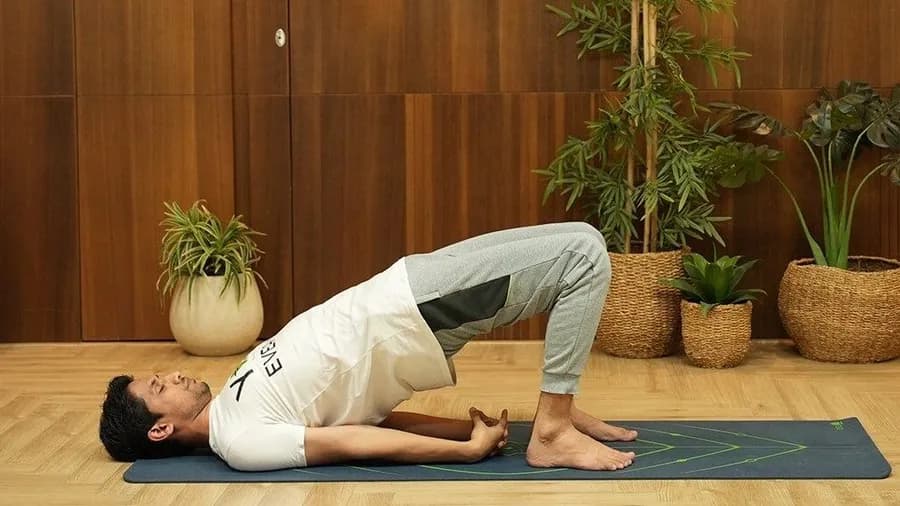
Setu Bandhasana (Bridge Pose): Steps Benefits and Modifications
Try setu bandhasana with Habuild. Master the setu bandhasana bridge pose to strengthen your spine, open the chest, and reduce stress. Start your session now!

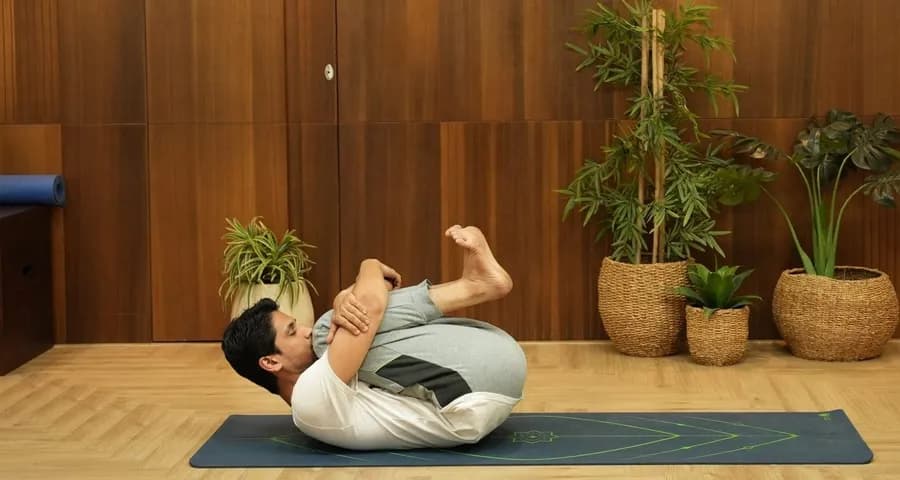
Pawanmuktasana (Wind Relieving Pose): Steps and Digestive Benefits
Try pawanmuktasana with Habuild. Discover pawanmuktasana benefits including gas relief, improved digestion, and reduced back tension. Start your session today!
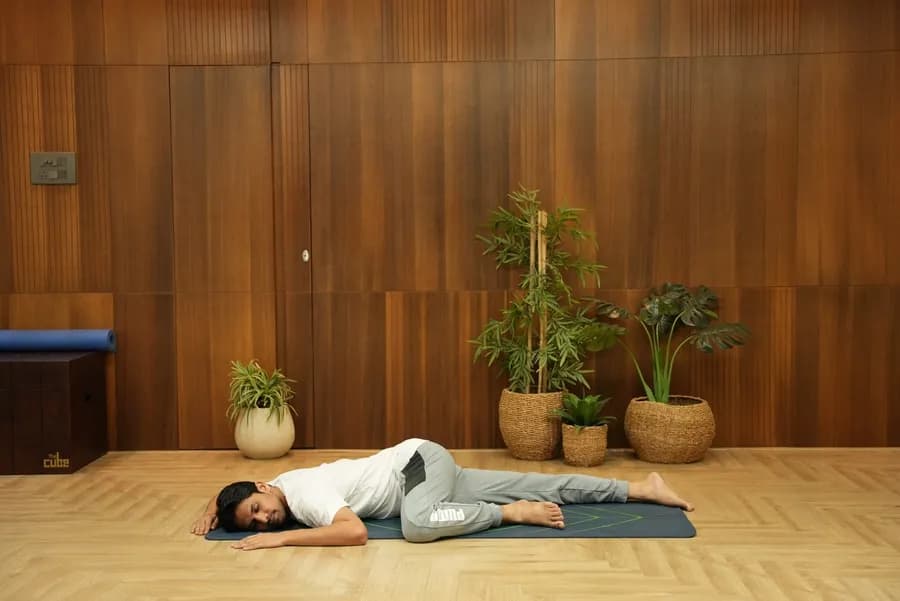
Makarasana (Crocodile Pose): Steps and Relaxation Benefits
Try makarasana with Habuild. Explore the makarasana pose to relieve back pain, reduce stress, and improve your spinal flexibility. Start your yoga today now!
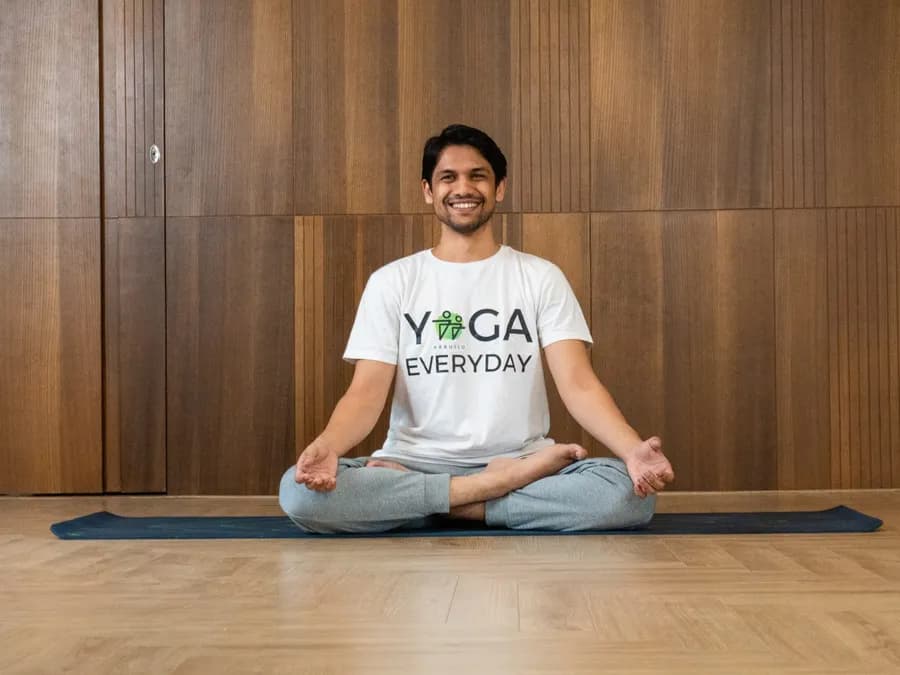
Sukhasana (Easy Pose): Steps Benefits and Meditation Foundation
Try sukhasana with Habuild. Discover the sukhasana pose to improve posture, reduce stress, and cultivate a calm and focused mind. Start your session today!
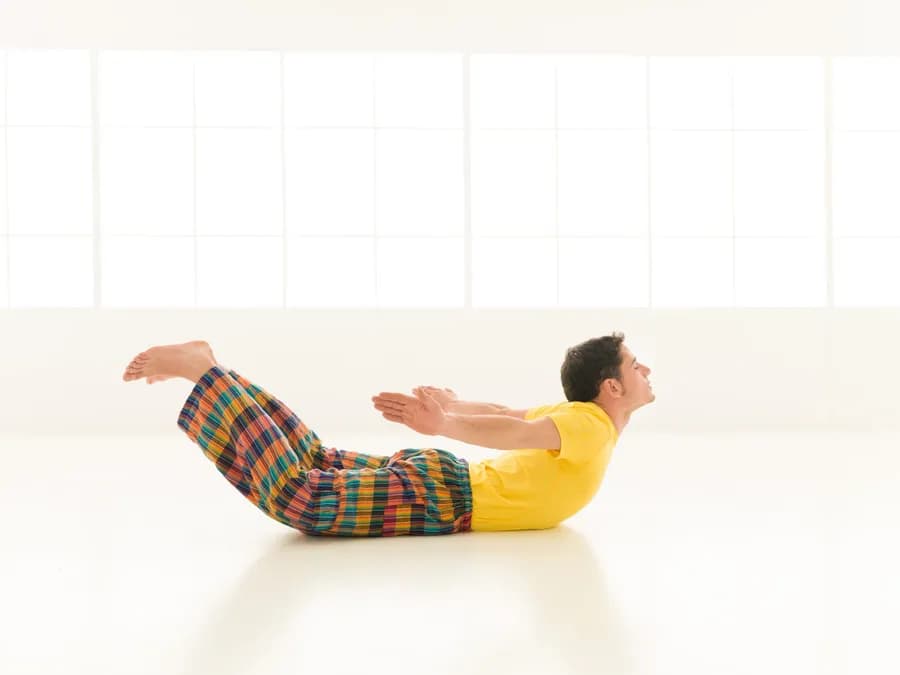
Shalabhasana (Locust Pose): Steps, Back Benefits and Precautions
Practice shalabhasana with Habuild. Try shalabhasana yoga to strengthen your back, improve posture, and boost core strength. Start your yoga session today!