
Makarasana (Crocodile Pose): Steps and Relaxation Benefits
Try makarasana with Habuild. Explore the makarasana pose to relieve back pain, reduce stress, and improve your spinal flexibility. Start your yoga today now!
Key Takeaways
- Performed prone, face down, unlike the supine relaxation position of Savasana.
- The gentle passive lumbar extension directly counters spinal flexion from sitting and driving.
- Arms folded beneath the head create a sustained stretch of the upper trapezius specifically.
- Chest elevation lets the diaphragm move freely downward, unlike restricted seated breathing.
- Provides relief specifically noted for lumbar disc herniation and spondylosis conditions.
- Used both as a rest posture between active asanas and as a standalone therapeutic practice.
What is Makarasana?
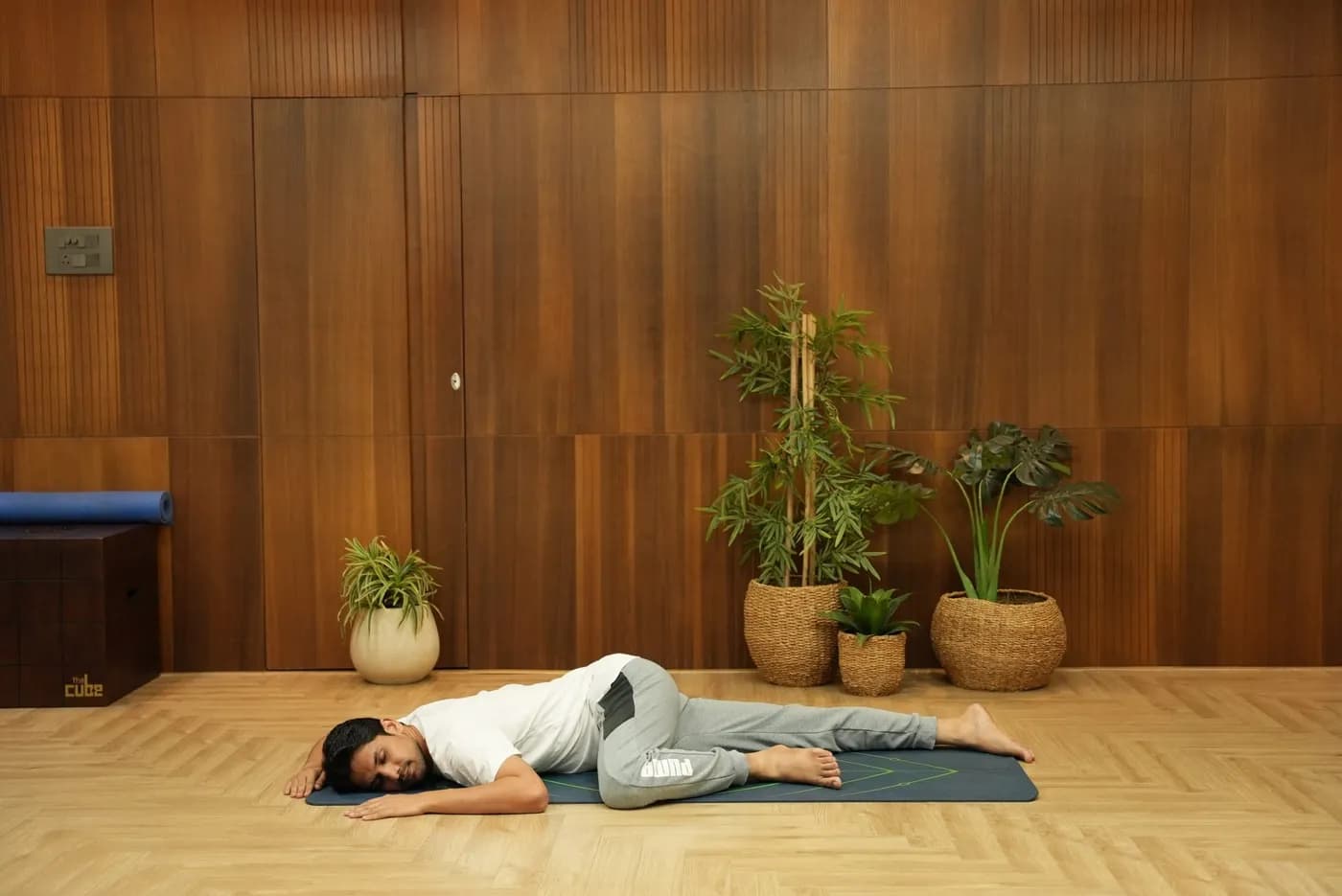
Makarasana — known in English as Crocodile Pose — is one of the most deeply restorative and therapeutically significant relaxation postures in classical yoga. The name derives from Sanskrit: Makara meaning crocodile or sea monster, and asana meaning posture. The pose replicates the resting position of a crocodile at the water’s surface — the body lying prone, the chest slightly elevated, and the entire musculoskeletal system in a state of deeply supported, conscious release.
Makarasana is uniquely positioned in yoga as simultaneously a relaxation posture and a therapeutic posture for the spine. Unlike Savasana, which is performed supine, Makarasana is performed prone — face down — creating a gentle, passive extension of the lumbar spine that decompresses the posterior elements of the vertebral column, relieves intervertebral disc pressure, and provides direct relief for the spinal conditions most commonly caused by excessive forward flexion in daily life.
At Habuild, Makarasana is practised as both a restorative rest posture between more active asanas and as a standalone therapeutic practice for spinal health — taught with the precise positioning and breath awareness that maximise its decompressive and restorative benefits.
Makarasana Benefits
Physical Benefits
- Relieves Lower Back Pain and Lumbar Spinal Compression The most immediate Makarasana benefit is its relief of lower back pain and lumbar spinal compression. The prone position with the chest gently elevated creates a passive lumbar extension that directly counteracts the spinal flexion loading of seated work, driving, and sleeping in a foetal position. Practitioners dealing with lumbar disc herniation, spondylosis, or chronic lower back stiffness consistently report significant relief from regular Makarasana practice.
- Releases Shoulder and Neck Tension Makarasana — with arms folded beneath the head — creates a sustained stretch of the upper trapezius, cervical paraspinals, and posterior shoulder capsule. For practitioners carrying significant upper body tension from desk work, driving, or stress-related muscle bracing, Makarasana provides targeted relief for the neck and shoulder tension that accumulates through daily activities.
- Supports Respiratory Health Through Diaphragmatic Freedom The prone position with the chest elevated allows the diaphragm to move freely downward on inhalation without the postural restrictions of sitting or standing. The gentle ribcage expansion that the elevated chest position creates encourages fuller, more complete diaphragmatic breathing — directly improving respiratory capacity and oxygen exchange.
Mental and Emotional Benefits
- Deeply Calms the Nervous System — Yoga Nidra Preparation Makarasana is classified as a Yoga Nidra preparation posture — one that brings the practitioner to the threshold between waking and sleeping awareness where the deepest physiological and mental restoration occurs. The combination of the prone position, supported chest elevation, freedom from postural effort, and deepened diaphragmatic breathing produces a rapid, profound parasympathetic activation that no seated or supine relaxation posture fully replicates.
How to Do Makarasana — Step-by-Step Instructions
Key Principles
Key Principles The quality of complete physical surrender is the defining principle of Makarasana — every muscle that can be released should be. The belly softens against the mat, the shoulders spread, the hips settle, and the legs fall naturally apart. Any residual muscular holding reduces the spinal decompression and nervous system calming that complete release produces.
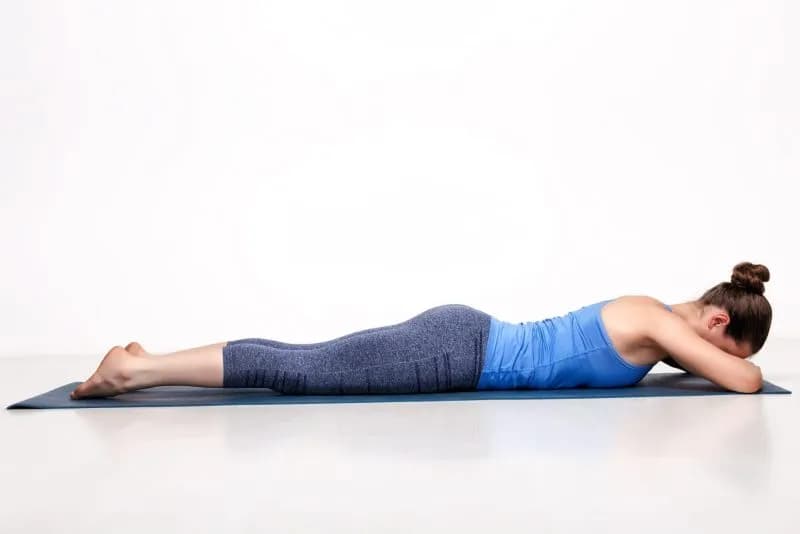
Makarasana — Step by Step Step 1: Lie Face Down Lie face down on the mat with the legs extended. Allow the feet to fall naturally to the sides — heels together and toes apart, or feet hip-width and relaxed, depending on comfort.
Step 2: Position the Arms Fold the arms and rest the forehead on the folded forearms. Alternatively, stack the hands palm-down beneath the chin for a slightly higher chest elevation. Both variations deliver the fundamental lumbar extension benefit.
Step 3: Complete Full Body Release Allow the entire body to release — the belly softening into the mat, the shoulder blades spreading, the hips settling, and the legs completely relaxed. Close the eyes and turn the attention to the breath.
Step 4: Breathe Diaphragmatically and Hold Breathe slowly and deeply, allowing the abdomen to expand against the mat on each inhalation and release fully on each exhalation. Hold for three to ten minutes — or longer in therapeutic applications.
Step 5: How to Come Out of Makarasana Gently place the hands beside the shoulders and press up to a hands-and-knees position. Move slowly — the parasympathetic depth of Makarasana makes sudden transitions disorienting. Take two breaths in the kneeling position before standing.
Breathing in Makarasana
Diaphragmatic belly breathing is the essence of Makarasana — the abdomen expanding against the mat on each inhalation, creating a rhythmic, gentle self-massage of the digestive organs alongside the spinal decompression. This unrestricted diaphragmatic movement — most complete in the prone position — is why Makarasana is one of the most effective postures for pranayama practice.
Preparatory Poses Before Makarasana
Makarasana requires and rewards no preparation — it is always accessible. When used as a rest posture between backbends:
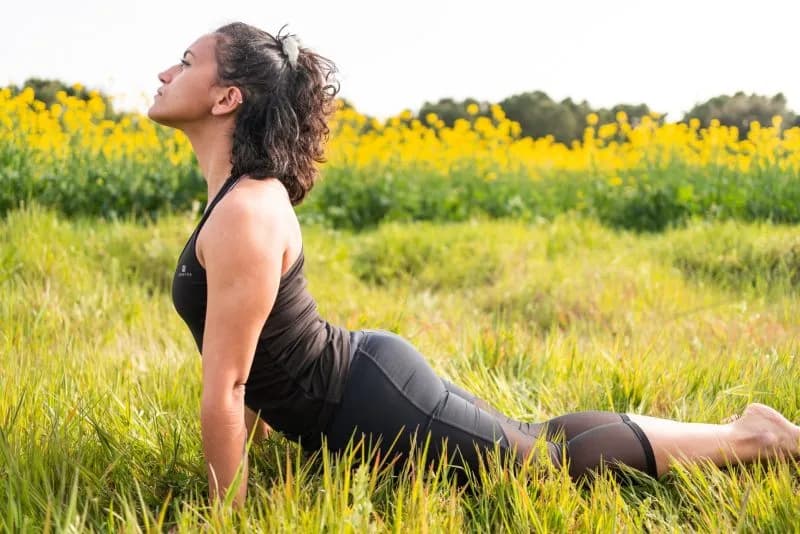
- Between Bhujangasana and Shalabhasana repetitions — Allows the spinal extensors to release before the next active contraction.
- After Ustrasana (Camel Pose) — The prone position neutralises the intense kneeling backbend.
- As a Yoga Nidra preparation — Begin any Yoga Nidra session with 3-5 minutes of Makarasana to establish the deep physical relaxation before the conscious rest practice begins.
Variations of Makarasana
- Variation 1: Makarasana with Arms Extended — Shoulder Opening Arms extended forward along the mat rather than folded beneath the head — creating a stretch of the anterior shoulder and chest alongside the lumbar decompression. Appropriate for practitioners with shoulder tightness who benefit from a combined prone relaxation and shoulder opening.
- Variation 2: Makarasana with Blanket Under Abdomen — Neutral Spine A folded blanket placed under the abdomen reduces the passive lumbar extension for practitioners with chronic lumbar hyperlordosis — neutralising the extension and making the posture accessible for all spinal presentations including those who find passive extension temporarily uncomfortable.
- Variation 3: Makarasana with Pranayama — Combined Practice Practising Nadi Shodhana, Bhramari, or Chandrabhedan Pranayam while in Makarasana combines the unrestricted diaphragmatic freedom of the prone position with the specific therapeutic effects of the breathing practice. This combination produces enhanced therapeutic effects compared to practising either element alone.
Common Mistakes to Avoid in Makarasana
- Maintaining Residual Muscular Tension The most common failure in Makarasana is holding residual muscular tension — particularly in the shoulders, gluteals, and abdomen. Consciously scan each body region with each exhalation and progressively release any tension that remains. The depth of rest available in complete Makarasana is proportional to the completeness of the physical release.
- Allowing the Head to Drop to One Side The head position in Makarasana matters for cervical comfort in extended holds. The forehead resting on the forearms maintains cervical neutrality and prevents the lateral neck tension that develops when the head is turned to one side. For very long holds, turn the head to the opposite side at the midpoint.
- Transitioning Too Quickly After Long Holds The deep parasympathetic state of Makarasana means that rapid transitions to standing can cause orthostatic dizziness. Always transition through kneeling, rest there for two breaths, then stand — particularly after holds of five minutes or longer.
Who Should Practise Makarasana?
- Those with Lower Back Pain and Disc Conditions Makarasana is among the most reliably beneficial daily practices for chronic lower back pain — particularly the disc-related pain that forward flexion activities aggravate. Five to ten minutes morning and evening produces consistent and cumulative lumbar relief.
- Those Managing Chronic Stress and Anxiety The depth of parasympathetic activation in complete Makarasana is among the most profound available through any yoga posture — making it specifically valuable for practitioners managing chronic stress, anxiety, and the autonomic imbalance that sustained sympathetic overactivation produces.
- Is Makarasana Good for Beginners? Yes — Makarasana is one of the most accessible postures in yoga. It requires no flexibility, no strength, and no prior yoga experience. The primary learning is simply developing the capacity for complete physical surrender — a skill that deepens meaningfully over weeks of consistent daily practice.
Make Makarasana a Part of Your Daily Practice
Makarasana is the yoga tradition’s most deeply restorative prone posture — its passive lumbar extension, diaphragmatic breathing support, and profound parasympathetic activation delivering spinal relief, respiratory improvement, and nervous system calming in a single accessible posture that anyone can practise anywhere. Its value as a daily spinal health practice and pre-sleep relaxation tool makes it one of the most practically impactful daily yoga habits available.
Whether you are using Makarasana for five minutes between backbends, as a ten-minute morning lower back decompression, or as a pre-meditation relaxation practice, the posture meets you exactly where you are and deepens meaningfully with consistent daily use.
The most effective way to learn Makarasana correctly — with precise arm positioning, breath guidance, and the complete release quality that maximises spinal decompression — is under live expert guidance with Habuild.
Start your 14 day free yoga journey with Habuild, today!
Related reads: Makarasana Benefits: Steps, Poses & Precautions · Dhanurasana (Bow Pose): Steps Back Flexibility and Digestive Benefits
Crocodile Pose is a resting pose, but the back pain relief and stress reduction that Makarasana offers work best when it’s part of a regular wind-down practice, not just an occasional lie-down. Spinal flexibility follows a similar arc, easing gradually as the lower back gets used to the gentle release. Habuild’s Yoga Everyday program uses restorative poses like this to close daily sessions, so the relief keeps building session after session.
Frequently Asked Questions
Related Articles
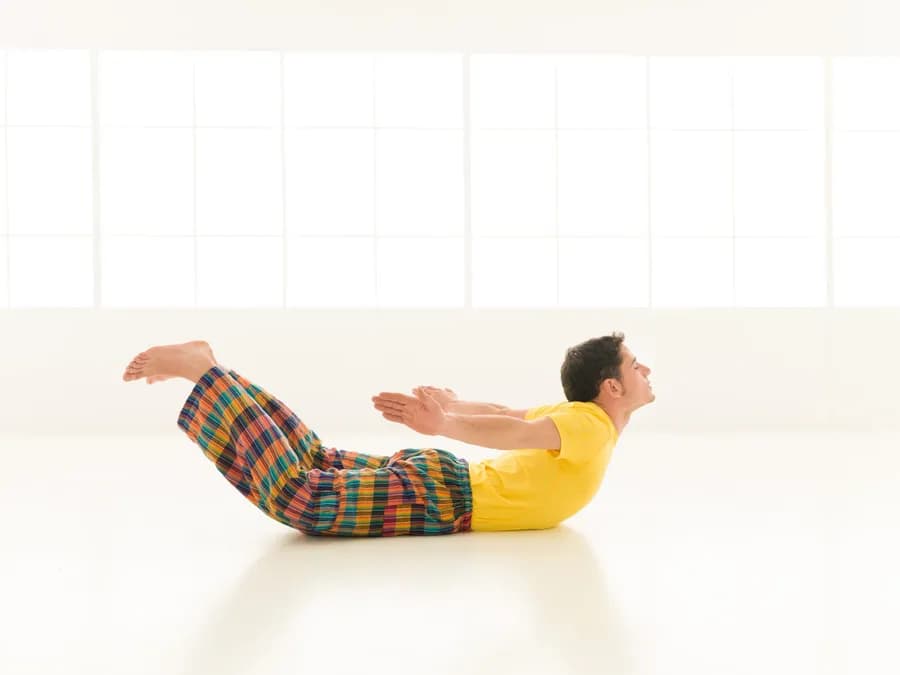
Shalabhasana (Locust Pose): Steps, Back Benefits and Precautions
Practice shalabhasana with Habuild. Try shalabhasana yoga to strengthen your back, improve posture, and boost core strength. Start your yoga session today!
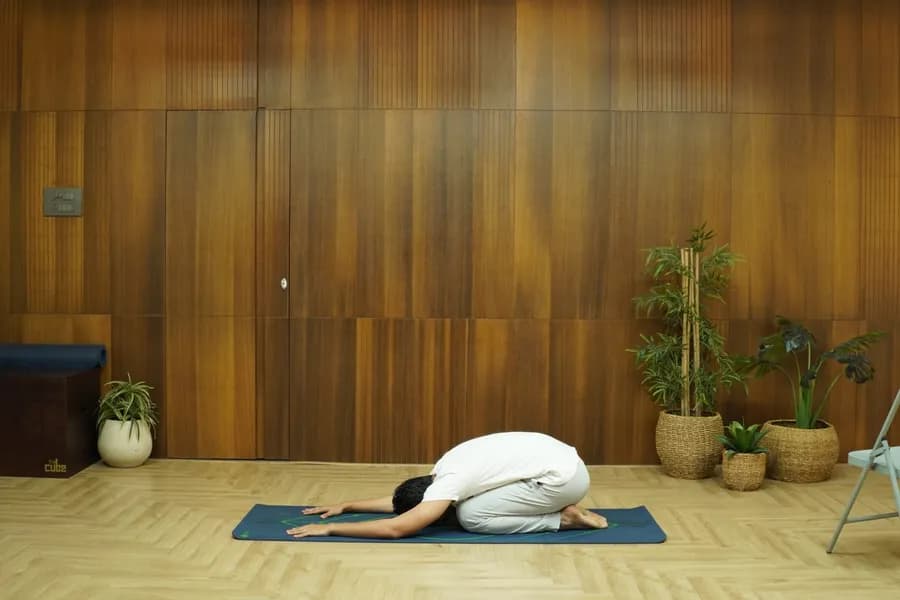
Balasana (Child’s Pose): Steps and Benefits for Mind and Body
Try balasana with Habuild. Practice the balasana pose to relieve stress, ease back tension, and deeply relax your body and mind. Start your yoga session now!
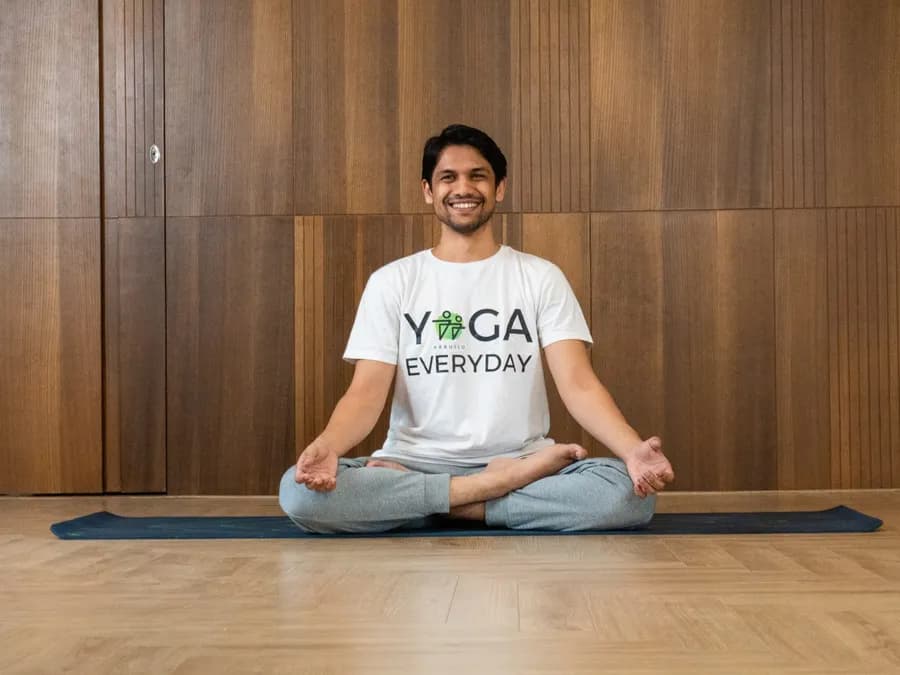
Sukhasana (Easy Pose): Steps Benefits and Meditation Foundation
Try sukhasana with Habuild. Discover the sukhasana pose to improve posture, reduce stress, and cultivate a calm and focused mind. Start your session today!
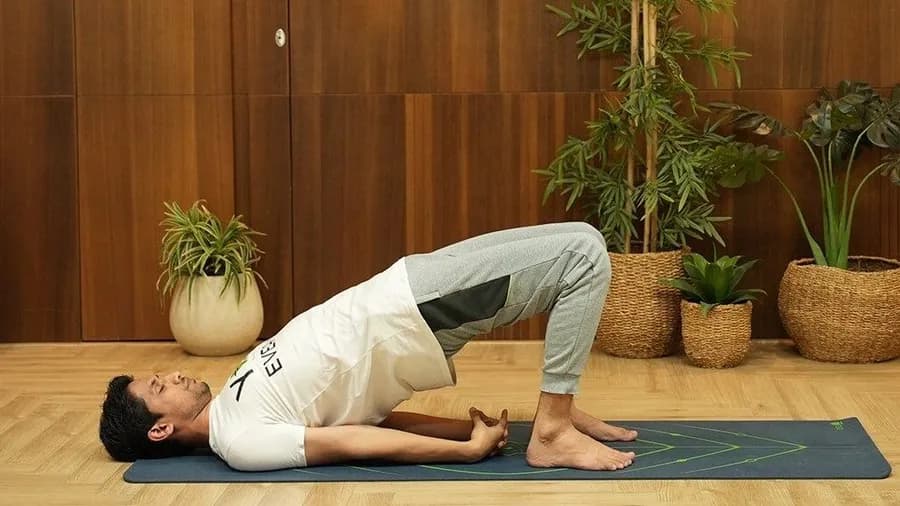
Setu Bandhasana (Bridge Pose): Steps Benefits and Modifications
Try setu bandhasana with Habuild. Master the setu bandhasana bridge pose to strengthen your spine, open the chest, and reduce stress. Start your session now!
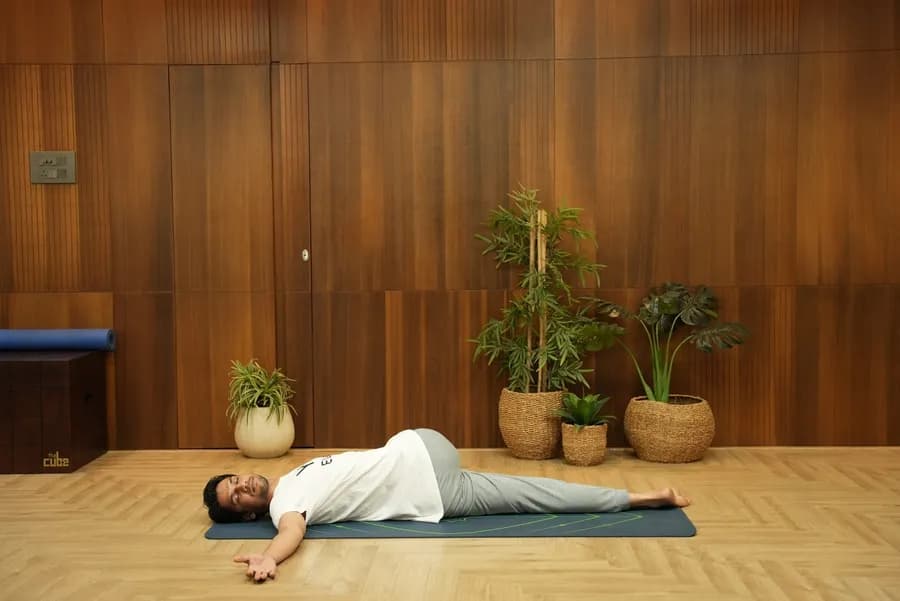
Supta Matsyendrasana (Supine Spinal Twist): Steps and Benefits
Practice Supta Matsyendrasana with Habuild. Follow supine spinal twist steps to relieve back pain, improve digestion, and calm your nervous system. Start today!