
Dhanurasana (Bow Pose): Steps Back Flexibility and Digestive Benefits
Practice Dhanurasana pose with Habuild. Follow the bow pose steps to strengthen your spine, open your chest, and improve full-body flexibility. Start today!
Key Takeaways
- Hands pull the feet back while feet press forward, creating dynamic bow tension automatically.
- Breath-driven rocking massages the stomach, intestines, liver, and kidneys rhythmically.
- Thoracic and cervical extension in the hold is said to stimulate the thyroid gland.
- Progresses through Shalabhasana and Bhujangasana preparation before the standard rocking hold.
- The equal dynamic tension between hands and feet is unique among prone backbends.
- Simultaneously stretches the anterior body while strengthening the entire posterior chain.
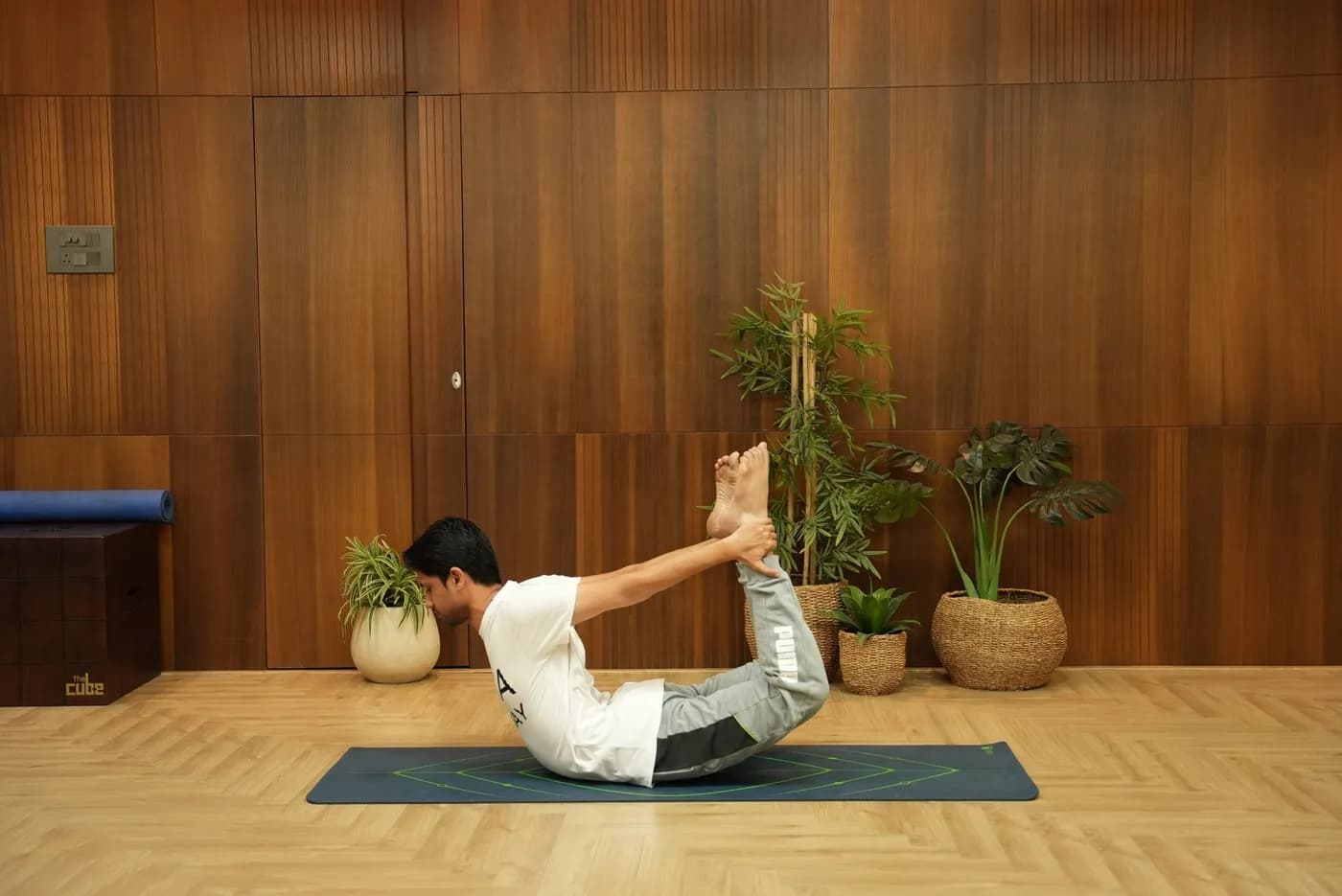
Dhanurasana, or Bow Pose, is a prone yoga backbend where both ankles are clasped from behind and the body arches into the shape of a taut bow — chest and thighs lifting simultaneously off the floor. It stretches the entire anterior body, strengthens the posterior chain, stimulates digestive organs through breath-driven rocking, and stimulates the thyroid and metabolic function.
What is Dhanurasana?
Dhanurasana — known in English as Bow Pose — derives from Sanskrit: Dhanu (bow) and Asana (posture). From a prone position, both ankles are clasped from behind and the body arches backward — chest lifting, thighs lifting, the equal dynamic tension between the hands pulling back and the feet pressing forward creating the shape of a taut bow ready to release an arrow.
Dhanurasana is one of yoga’s most distinctively therapeutic prone backbends — the simultaneous anterior chain stretch and posterior chain strengthening created by the clasping action is unique. The hands pull the feet backward while the feet press forward into the hands — creating dynamic bow tension that deepens the spinal extension automatically with each breath cycle. The breath-driven rocking motion that results is the posture’s most therapeutically powerful quality.
At Habuild, Dhanurasana is taught through the progressive prone backbend sequence — Shalabhasana and Bhujangasana as preparation, standard Dhanurasana with the rocking motion, and toward the deeper Purna Dhanurasana — with the outer-ankle clasp technique and breath-rocking receiving specific instruction in every session.
Dhanurasana Benefits
Physical Benefits
- Stretches the Entire Anterior Body Comprehensively Dhanurasana simultaneously stretches the hip flexors, quadriceps, abdominal muscles, intercostals, and anterior shoulders — a comprehensive anterior chain opening that no single other prone backbend fully replicates. This full anterior body stretching directly counteracts the chronic shortening of the front body that prolonged sitting, driving, and desk work produce.
- Strengthens the Complete Posterior Chain Holding Dhanurasana requires intense sustained engagement of the erector spinae, rhomboids, posterior deltoids, glutes, and hamstrings. This posterior chain strengthening builds the structural foundation that protects the spine, supports upright posture, and underlies all athletic performance.
- Stimulates Digestive Organs Through Rhythmic Rocking The breath-driven rocking motion of Dhanurasana — rocking forward on the inhale, backward on the exhale — directly massages the stomach, intestines, liver, and kidneys through rhythmic compression and release. This internal organ stimulation improves digestive enzyme production, peristalsis, and overall gut function in a way that no static hold can replicate.
- Stimulates the Thyroid and Supports Metabolic Health The thoracic and cervical extension of Dhanurasana stimulates the thyroid gland — contributing to metabolic activation alongside the full-body muscular demand. Regular practice supports healthy body composition goals through this combined metabolic stimulation.
Mental and Emotional Benefits
- Energises and Opens the Heart Space The chest-open, anterior-body-expanded position of Dhanurasana is one of yoga’s most direct heart-opening postures — the physical expansiveness of the chest lift naturally corresponding to an emotional uplift and energetic opening that practitioners consistently notice.
- Develops Dynamic Breath-Movement Coordination The breath-driven rocking quality — using the inhale to deepen the bow and the exhale to sustain it — develops a dynamic quality of breath-body awareness and coordination that carries over into all other practices.
How to Do Dhanurasana — Step-by-Step Instructions
Key Principles
Key Principles Three principles govern safe Dhanurasana: equal dynamic tension — hands pull feet backward with the same force that feet press forward into the hands; knees stay hip-width throughout — never allowing them to splay wider; and the breath drives the rocking — inhale rocks forward (chest rises), exhale rocks backward (thighs descend). The rocking is not optional — it is the defining quality of correct practice.
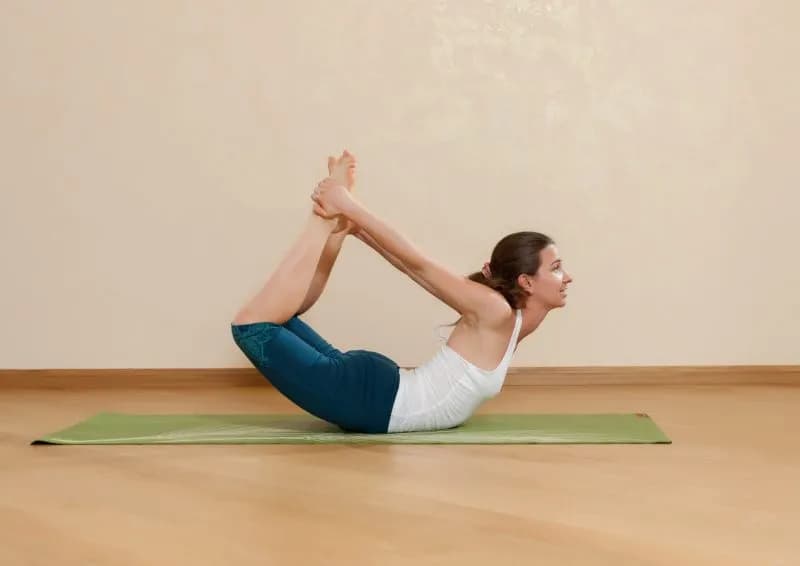
Dhanurasana — Step by Step Step 1: Prone Starting Position Lie face-down on the mat, legs hip-width apart, arms alongside the body with palms facing up. Rest the forehead or chin on the mat. Take two to three natural breaths to settle into the prone position.
Step 2: Bend the Knees and Clasp the Outer Ankles Bend both knees, drawing the heels toward the buttocks. Reach both hands back and clasp the outer ankles — thumb and fingers wrapping around the ankle from outside. Do not clasp the tops of the feet.
Step 3: Engage and Lift on the Exhale On an exhalation, press the feet upward and backward into the hands — simultaneously lifting the chest off the floor. The equal push-pull tension between hands and feet creates the bow shape.
Step 4: Draw the Shoulder Blades and Open the Chest Draw the shoulder blades toward each other, opening the chest forward and upward. The chin lifts naturally as the chest rises. Keep the knees hip-width — they must not splay outward.
Step 5: Rock with the Breath Allow the natural rocking motion: rock forward on the inhale (chest rises further, thighs lift more), rock backward on the exhale (thighs descend, bow tension eases slightly). This rhythmic rocking is the defining quality of Dhanurasana.
Step 6: Hold and Release Continue the breath-driven rocking for five to eight breath cycles. On an exhalation, simultaneously lower the chest and legs to the floor with control. Rest in Makarasana (Crocodile Pose) for thirty to sixty seconds before repeating.
Breathing in Dhanurasana
The breath-driven rocking motion is the defining quality that makes Dhanurasana therapeutically superior to a static hold. Inhale as the chest rocks forward and rises; exhale as the chest settles and thighs descend. If the breath cannot drive the rocking, the bow tension is too intense — reduce the lift and allow the breath to resume its natural driving role.
Preparatory Poses Before Dhanurasana
These poses develop the posterior chain strength and anterior flexibility that Dhanurasana requires.
- Shalabhasana (Locust Pose, 3 rounds) — Essential posterior chain warm-up; arms back, chest and legs lifting without clasping.
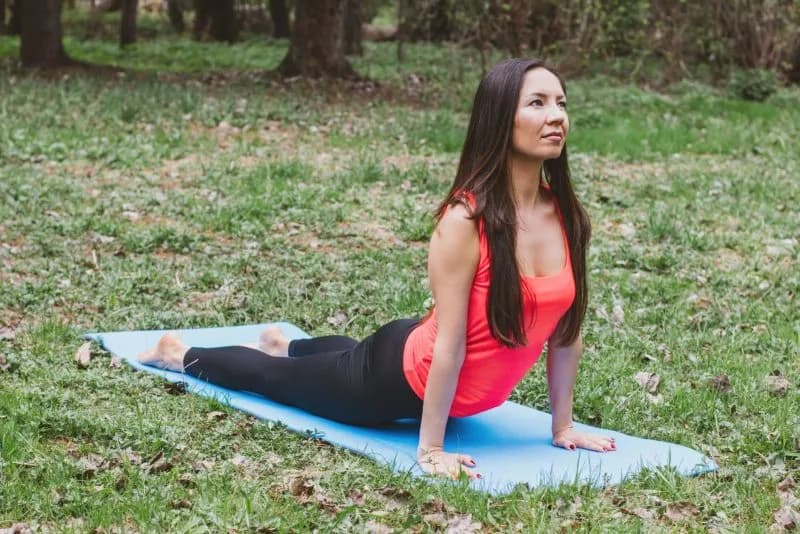
- Bhujangasana (Cobra Pose, 3 rounds) — Establishes the thoracic extension and spinal extensor engagement before the clasping demand.
- Makarasana (Crocodile Pose, 60 seconds) — Prone rest between repetitions; the standard recovery position between Dhanurasana rounds.
- Hip flexor stretch (kneeling lunge, 30 seconds each side) — Prepares the quadriceps and hip flexors for the anterior stretch of the clasped position.
Variations of Dhanurasana
- Variation 1: Strap-Assisted Dhanurasana — Beginner A yoga strap looped around the outer ankles for those whose hands cannot reach. Allows the full bow shape and rocking motion to be practised without the reach limitation — the ideal starting form for less flexible practitioners.
- Variation 2: Standard Dhanurasana — Classic Bow Both ankles clasped directly, bow tension engaged, rocking with the breath — the full standard expression described in the instructions above.
- Variation 3: Parsva Dhanurasana — Rolling Bow From the full Bow, rolling slowly to one side and then the other — providing lateral abdominal massage, a different hip flexor stretch angle, and the side-body opening that standard Dhanurasana does not reach.
Common Mistakes to Avoid in Dhanurasana
- Clasping the Tops of the Feet Rather Than the Outer Ankles The outer ankle clasp provides the stable, effective lever point that creates proper bow tension. Clasping the tops of the feet strains the foot’s dorsal tendons and reduces the effective pull direction — reducing the lift and the therapeutic anterior stretch.
- Knees Splaying Wider Than Hip-Width Knee splay is the single most common Dhanurasana error — the inner thigh muscles fatiguing and the knees drifting outward as the hold progresses. Maintain active hip-width knee spacing throughout. If the knees begin to splay, reduce the bow tension slightly and refocus on maintaining alignment.
- Skipping the Rocking Motion and Using a Static Hold The rocking is not decorative — it is the most therapeutically important element of Dhanurasana. The breath-driven rocking provides the internal organ massage, the progressive deepening, and the breath-movement coordination that a static hold cannot produce. Always practise with the rocking.
Who Should Practise Dhanurasana?
- Those Seeking Anterior Body Flexibility and Backbend Progression Dhanurasana is the foundational prone anterior body stretch for all practitioners working toward deeper backbend milestones — its unique bow-tension mechanism providing a self-deepening stretch that passive backbends cannot replicate.
- Those with Digestive Issues The rhythmic rocking abdominal massage makes Dhanurasana one of the most effective prone postures for comprehensive digestive stimulation — consistently recommended for slow digestion, bloating, and constipation alongside dietary modification.
- Is Dhanurasana Good for Beginners? Yes — with the strap modification and Shalabhasana preparation. Beginners should establish three rounds of Shalabhasana and Bhujangasana comfortably before attempting the clasping position of Dhanurasana. The strap removes the reach limitation and allows the bow shape to be experienced from the first session.
Make Dhanurasana a Part of Your Practice
Dhanurasana is yoga’s most comprehensively therapeutic prone backbend — its bow tension mechanism delivering anterior body stretching, posterior chain strengthening, digestive organ massage, and thyroid stimulation in a single posture that progressively deepens with each breath cycle.
Whether you are approaching Bow Pose for the first time with a yoga strap or deepening the full expression with consistent daily practice, each session of correct Dhanurasana with breath-driven rocking delivers genuine therapeutic value.
The most effective way to learn Dhanurasana correctly — with the outer-ankle clasp technique, knee-alignment guidance, and breath-rocking instruction — is under live expert guidance with Habuild.
Start your 14 day free yoga journey with Habuild, today!
Related reads: Urdhva Dhanurasana (Upward Bow Pose): Steps Benefits and Safety · Malasana (Garland Pose): Steps Hip and Digestive Health Benefits
Bow Pose’s deep backbend opens the chest and strengthens the spine gradually, each session adding a little more range than the last — trying to force the full shape too soon tends to backfire rather than speed things along. Consistency, not intensity, is what turns this into genuine spinal flexibility over months. It’s sequenced with the right prep and counter-poses in Habuild’s Yoga Everyday program.
Frequently Asked Questions
Related Articles
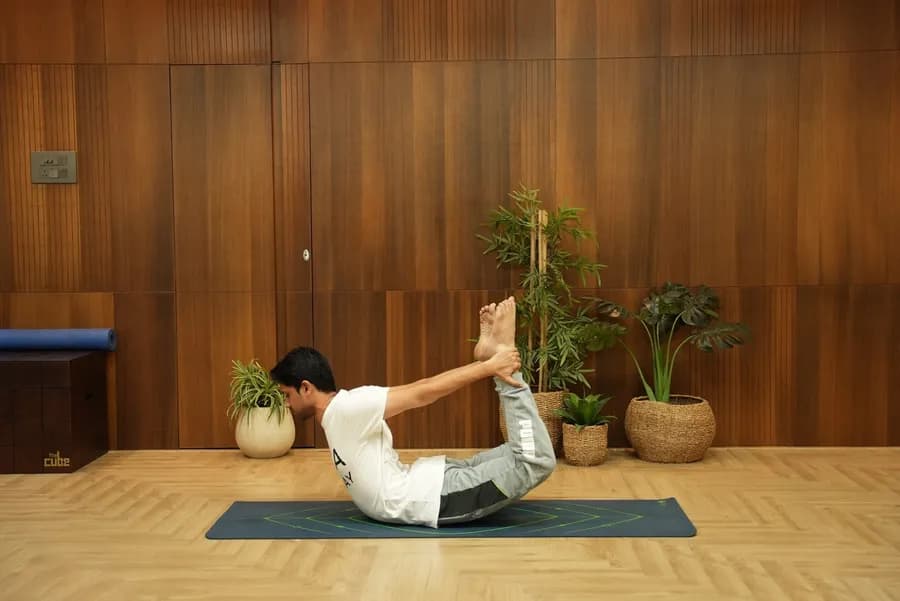
Purna Dhanurasana (Full Bow Pose): Steps Benefits and Key Differences
Practice Purna Dhanurasana with Habuild. Follow full bow pose steps to strengthen your spine, open your chest, and improve full-body flexibility. Start today!
Urdhva Dhanurasana (Upward Bow Pose): Steps Benefits and Safety
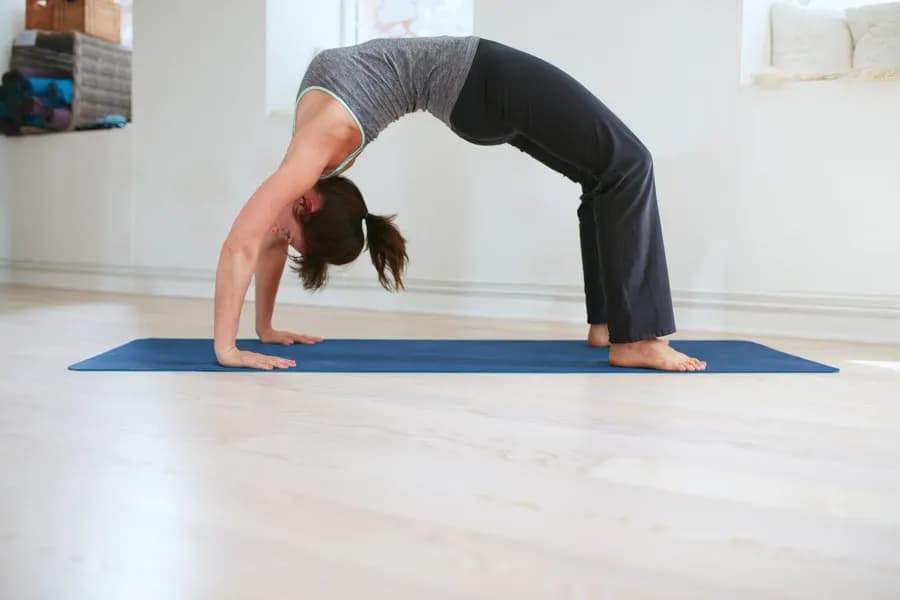
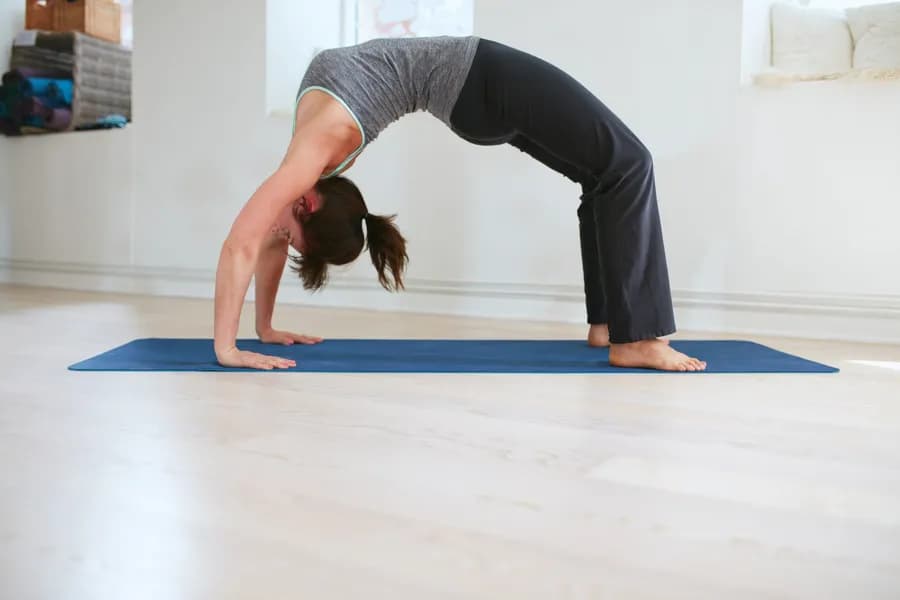
Practice Urdhva Dhanurasana with Habuild. Follow the wheel pose steps to open your chest, strengthen your spine, and improve full-body flexibility. Start today!
Purna Chakrasana (Full Wheel Pose): Steps Benefits and Safety
Practice Purna Chakrasana with Habuild. Follow full wheel pose steps to open your chest, strengthen your spine, and improve full-body flexibility. Start today!
Ustrasana: Camel Yoga Pose, Steps & Yoga Benefits
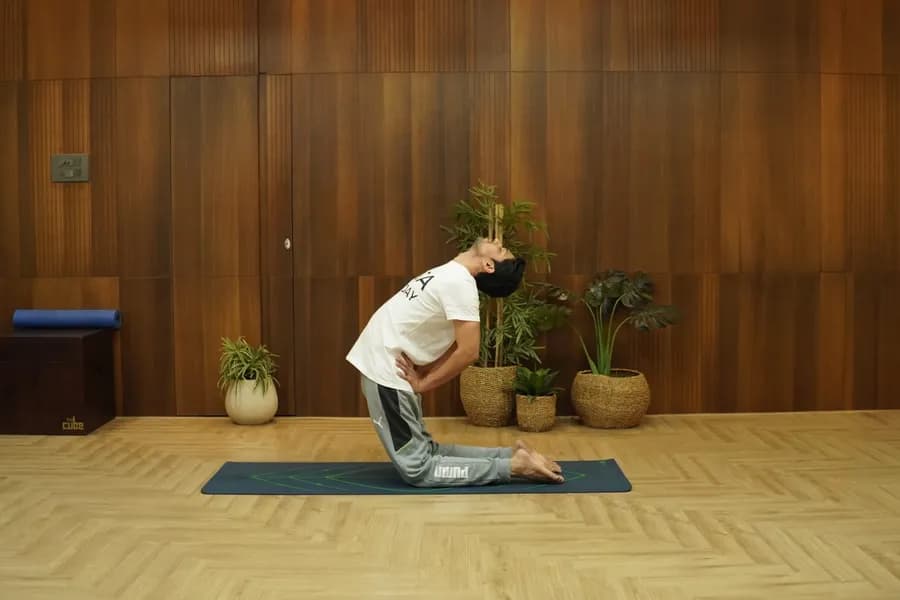
Ustrasana, or Camel Pose, is a kneeling backbend that deeply stretches the hip flexors, chest, and entire anterior spine while strengthening the back.

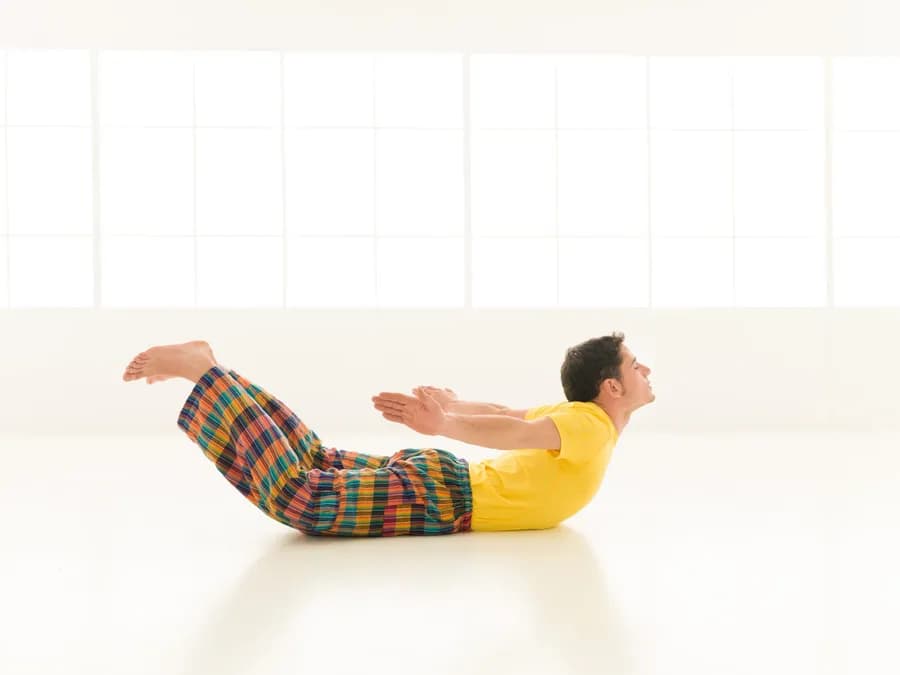
Shalabhasana (Locust Pose): Steps, Back Benefits and Precautions
Practice shalabhasana with Habuild. Try shalabhasana yoga to strengthen your back, improve posture, and boost core strength. Start your yoga session today!