
Matsyendrasana (Full Spinal Twist): Steps Benefits and Safety
Practice matsyendrasana with Habuild. Follow the ardha matsyendrasana procedure to boost spinal health, digestion, and flexibility. Start your session today!
Key Takeaways
- Named after Matsyendranath, a founding master of the Nath yoga tradition specifically.
- Moves the spine through its full range of axial rotation, beyond the half-twist version.
- Progression runs from beginner Vakrasana through to this full classical expression.
- Widely considered the single most effective posture for comprehensive digestive organ stimulation.
- Subtle neck rotation alongside the spinal twist adds a distinct thyroid-stimulating component.
- Alternating the twist on both sides is described as resetting the nervous system bilaterally.
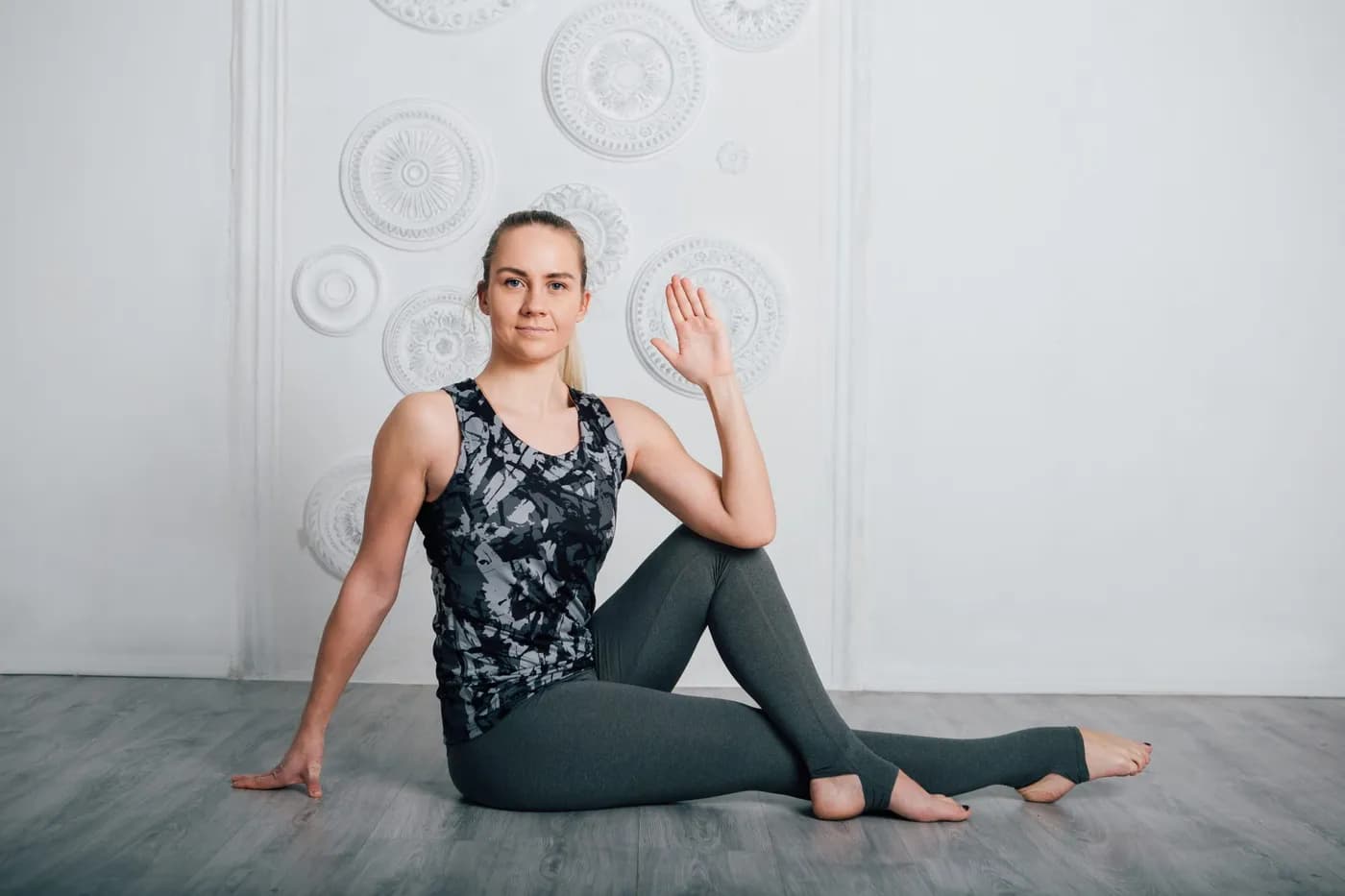
Matsyendrasana, or Lord of the Fishes Pose, is the classical full spinal twist of Hatha yoga — rotating the entire spine to stimulate digestive organs, support thyroid function, improve spinal rotational mobility, and balance the autonomic nervous system. One of the twelve classical Hatha yoga postures. Suitable for all levels from Vakrasana through to the full classical form.
What is Matsyendrasana?
Matsyendrasana — known as Lord of the Fishes Pose or Seated Spinal Twist — takes its name from the legendary yogi Matsyendranath, one of the founding masters of the Nath yoga tradition. The pose is the classical seated spinal twist of Hatha yoga: a complex, deeply rotational posture that moves the spine through its full range of axial rotation while simultaneously stimulating every organ of the abdominal cavity.
Ardha Matsyendrasana (the half version) is one of the twelve classical Hatha yoga postures — a designation reflecting its comprehensive therapeutic importance. Its benefits span the digestive system, the endocrine system, the spine, and the nervous system — making it one of the most multi-dimensional postures in all of yoga.
At Habuild, Matsyendrasana is incorporated into both seated sequences and therapeutic focus sessions — taught with the precision that makes the difference between a superficial twist and one that genuinely mobilises the thoracic spine and stimulates the abdominal organs.
Matsyendrasana Benefits
Physical Benefits
- Stimulates Digestion and Relieves Acidity and Gas The compression-and-release mechanism of the spinal twist acts as a direct massage of the abdominal organs — particularly the stomach, liver, pancreas, kidneys, and intestines. This stimulates digestive enzyme production, improves gut motility, and provides relief from gas and bloating. Matsyendrasana is widely considered the most effective single yoga posture for comprehensive digestive organ stimulation.
- Supports Thyroid and Endocrine Function The combination of spinal twist and subtle neck rotation stimulates the thyroid and parathyroid glands through improved cervical circulation and nerve activation — making the pose a valuable component of thyroid health practice.
- Improves Spinal Rotational Mobility and Disc Health The full range of axial rotation achieved in Matsyendrasana stretches the paraspinal muscles, intervertebral discs, and facet joints along the entire thoracic and lumbar spine — maintaining the rotational mobility that sedentary lifestyles systematically erode.
- Supports Blood Pressure Regulation The parasympathetic activation produced by the sustained, controlled spinal twist — particularly through the deep, slow breathing it demands — has measurable calming effects on the cardiovascular system, making it a valuable component of yoga programmes for hypertension management.
Mental and Emotional Benefits
- Balances the Autonomic Nervous System and Reduces Stress The bilateral nervous system reset of practising the twist on both sides — alternating compression-left and compression-right — reduces residual stress activation and produces a deep, grounded calm. The thoracic nerve root activation produces a systemic balancing effect on the autonomic nervous system.
How to Do Matsyendrasana — Step-by-Step Instructions
Key Principles
Key Principles Three non-negotiable principles: lengthen before you twist — always inhale to elongate the spine fully before beginning rotation; rotate from below upward — the twist initiates from the lumbar spine and progresses through the thoracic to the cervical, never the reverse; and keep both sitting bones grounded — the moment one lifts, the therapeutic twist becomes a compensatory hip movement.
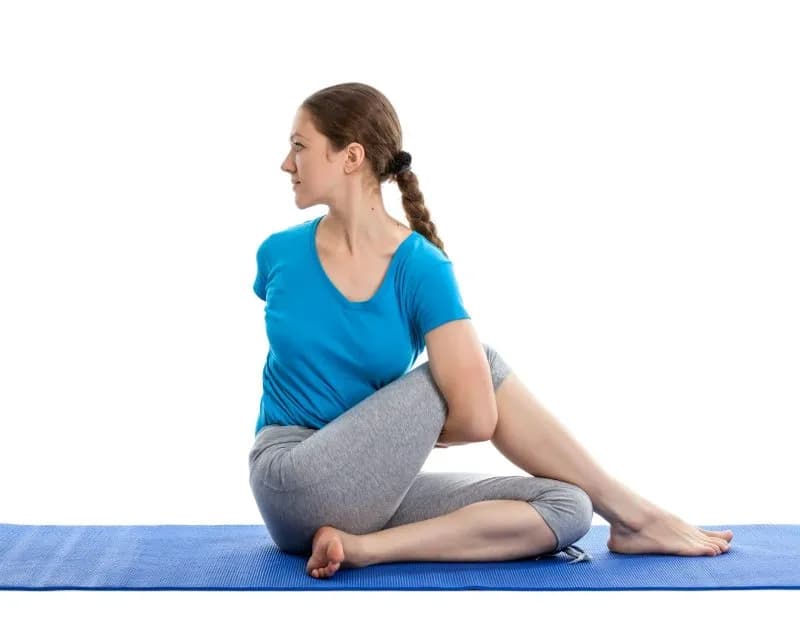
Step 1: Starting in Dandasana Sit in Dandasana. Bend the right knee and bring the right foot flat on the floor to the outside of the left thigh. Both sitting bones must remain grounded throughout.
Step 2: Position the Left Leg Bend the left knee and bring the left foot to the outside of the right hip — or keep the left leg extended for a simpler variation. Both options are valid.
Step 3: Inhale and Lengthen to Maximum Height Inhale and lengthen the spine to its maximum height — growing taller than usual. This inhalation creates the axial traction that makes the subsequent rotation safe rather than compressive.
Step 4: Exhale and Begin the Rotation On the exhale, rotate the torso to the right — placing the left elbow on the outside of the right knee and the right hand flat on the floor behind the right hip for support.
Step 5: Use the Lever to Deepen and Look Over the Shoulder Use the left arm against the right knee as a gentle lever — deepening the twist with each exhale. Rotate the head to look over the right shoulder. Maintain spinal height throughout — do not sink into the twist.
Step 6: Hold, Then Unwind and Switch Sides Hold for five to eight breath cycles — inhaling to lengthen, exhaling to deepen. Inhale to unwind slowly, returning to Dandasana. Repeat on the left side.
Breathing in Matsyendrasana
Inhale to lengthen and create axial space — this is the most critical part of the breath cycle, preventing the disc compression that occurs when twisting without spinal traction; exhale to rotate — releasing the paraspinal muscles and deepening the twist without force.
Preparatory Poses Before Matsyendrasana
These poses warm the spine through all ranges before the rotational demand of Matsyendrasana.
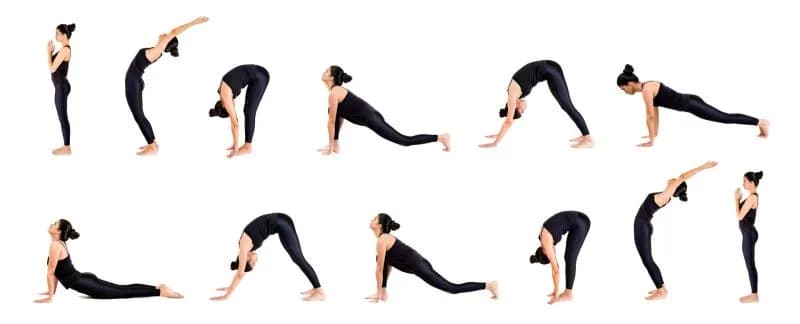
- Surya Namaskara (3 rounds) — Warms the complete spine before the rotational work.
- Marjariasana-Bitilasana (Cat-Cow, 10 rounds) — Mobilises the entire spine through flexion and extension before rotation.
- Vakrasana (Simple Spinal Twist, both sides) — The most accessible spinal twist — the direct beginner preparation for Ardha Matsyendrasana.
Variations of Matsyendrasana
- Variation 1: Vakrasana — Simple Spinal Twist (Beginner) One leg extended, one knee bent with foot beside the opposite knee — the simplest seated twist. Ideal as a preparation for Ardha Matsyendrasana and the recommended form for complete beginners.
- Variation 2: Ardha Matsyendrasana — Half Twist (Standard) The standard form described in the step-by-step. Retains the full therapeutic benefit of the spinal twist while being accessible to most practitioners — the recommended daily form.
- Variation 3: Poorna Matsyendrasana — Full Classical Form (Advanced) The foot of the lower leg placed in half-lotus while the other foot rests on the floor outside the opposite thigh. Requires extraordinary hip, knee, and spinal flexibility — only attempted under direct expert supervision.
Common Mistakes to Avoid in Matsyendrasana
- Twisting Before Lengthening The most consequential error — rotating the spine without first creating maximum axial length compresses the intervertebral discs under rotation rather than creating the traction-under-rotation that makes the twist therapeutically beneficial. Always inhale to full height before beginning any rotation.
- Lifting the Sitting Bone on the Twist Side When one sitting bone lifts, the twist becomes a hip compensation rather than a genuine axial rotation — losing the spinal mobility benefit. Sit on a folded blanket to level the pelvis if one side tends to lift.
- Forcing the Twist With the Arm Lever The arm against the knee is a gentle guide — never a forceful lever for maximum rotation. Forcing the twist with arm pressure creates the rotational load on the discs that the breath-led rotation avoids.
Who Should Practise Matsyendrasana?
- Those with Digestive and Metabolic Concerns Matsyendrasana is the most effective single yoga posture for comprehensive digestive organ stimulation — essential for anyone dealing with acidity, gas, constipation, or sluggish metabolism as a daily therapeutic practice.
- Those Seeking to Maintain Spinal Rotational Health The full range of axial spinal rotation achieved in Matsyendrasana is irreplaceable for maintaining rotational mobility that most yoga sequences — dominated by forward folds and backbends — do not address. Particularly important for sedentary practitioners.
- Is Matsyendrasana Good for Beginners? Yes — Vakrasana (simple twist) is appropriate from the first yoga session, and the progression to Ardha Matsyendrasana occurs naturally over weeks as the hip flexibility and spinal awareness develop.
Make Matsyendrasana a Part of Your Daily Practice
Matsyendrasana is the yoga tradition’s most complete and therapeutically comprehensive spinal twist — its full-range axial rotation simultaneously stimulating the digestive organs, supporting the thyroid, decompressing the discs, and balancing the autonomic nervous system in a single seated posture.
Whether you are beginning with Vakrasana, practising the standard Ardha Matsyendrasana daily, or working toward the full classical form, the lengthen-before-you-twist principle transforms every stage into a genuinely therapeutic practice.
The most effective way to learn Matsyendrasana correctly — with the axial traction technique, from-below-upward rotation sequencing, and bilateral sitting-bone grounding — is under live expert guidance with Habuild.
Start your 14 day free yoga journey with Habuild, today!
Related reads: Supta Matsyendrasana (Supine Spinal Twist): Steps and Benefits · Ardha Matsyendrasana: Steps Benefits and How to Practice
A single round of Matsyendrasana can loosen a stiff spine for an afternoon, but the deeper gains in digestion and flexibility come from returning to the twist day after day. Building it into a regular practice gives your spine and gut time to actually adapt, rather than just feeling good once. If you’d rather follow a structured sequence than guess when and how often to twist, Habuild’s Yoga Everyday program weaves poses like this into a daily flow designed for steady progress.
Frequently Asked Questions
Related Articles
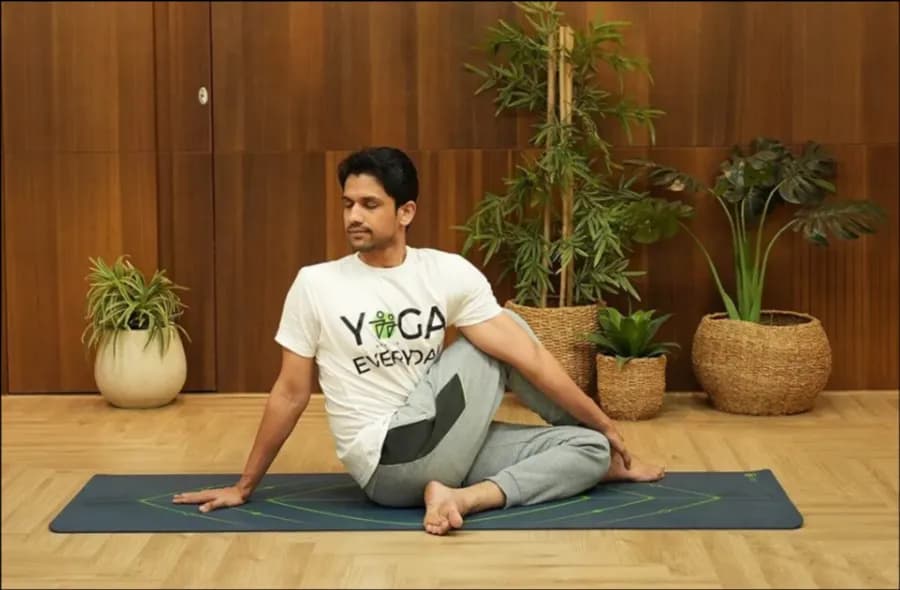
Ardha Matsyendrasana: Steps Benefits and How to Practice v2
Learn ardha matsyendrasana with Habuild. Discover ardha matsyendrasana benefits for spinal health, improved digestion, and flexibility. Start your practice now!

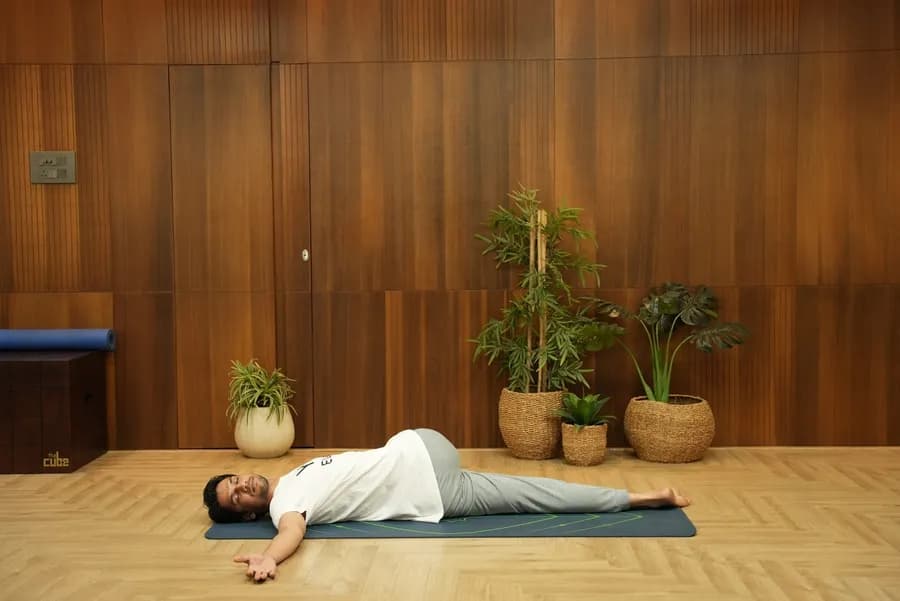
Supta Matsyendrasana (Supine Spinal Twist): Steps and Benefits
Practice Supta Matsyendrasana with Habuild. Follow supine spinal twist steps to relieve back pain, improve digestion, and calm your nervous system. Start today!
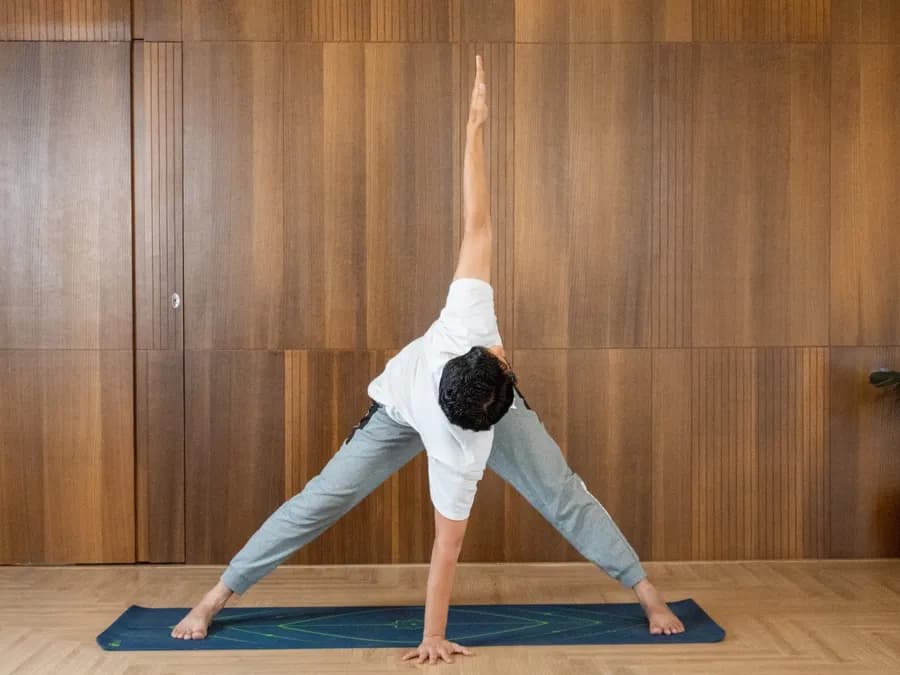
Parivrtta Trikonasana (Revolved Triangle): Steps and Key Benefits
Practice Parivrtta Trikonasana with Habuild. Follow the revolved triangle steps to improve digestion, boost flexibility, and build core strength. Start today!
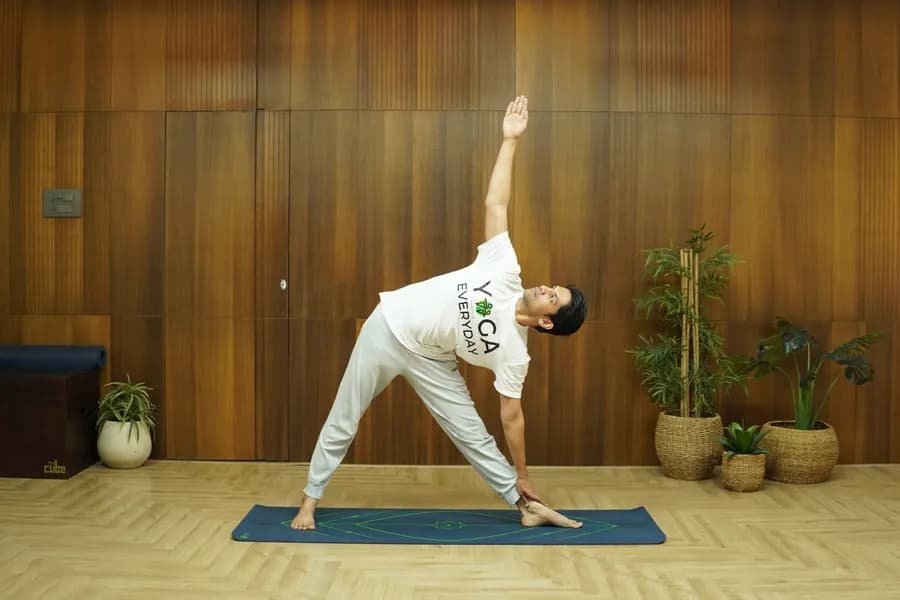
Konasana (Angle Pose): Steps Benefits and Spine Health
Practice konasana with Habuild. Follow the steps of trikonasana to strengthen your legs, improve flexibility, and boost your lateral body stretch. Start today!