Mrigi Mudra: Benefits, Steps, Apana Mrigi Mudra Meaning & Precautions
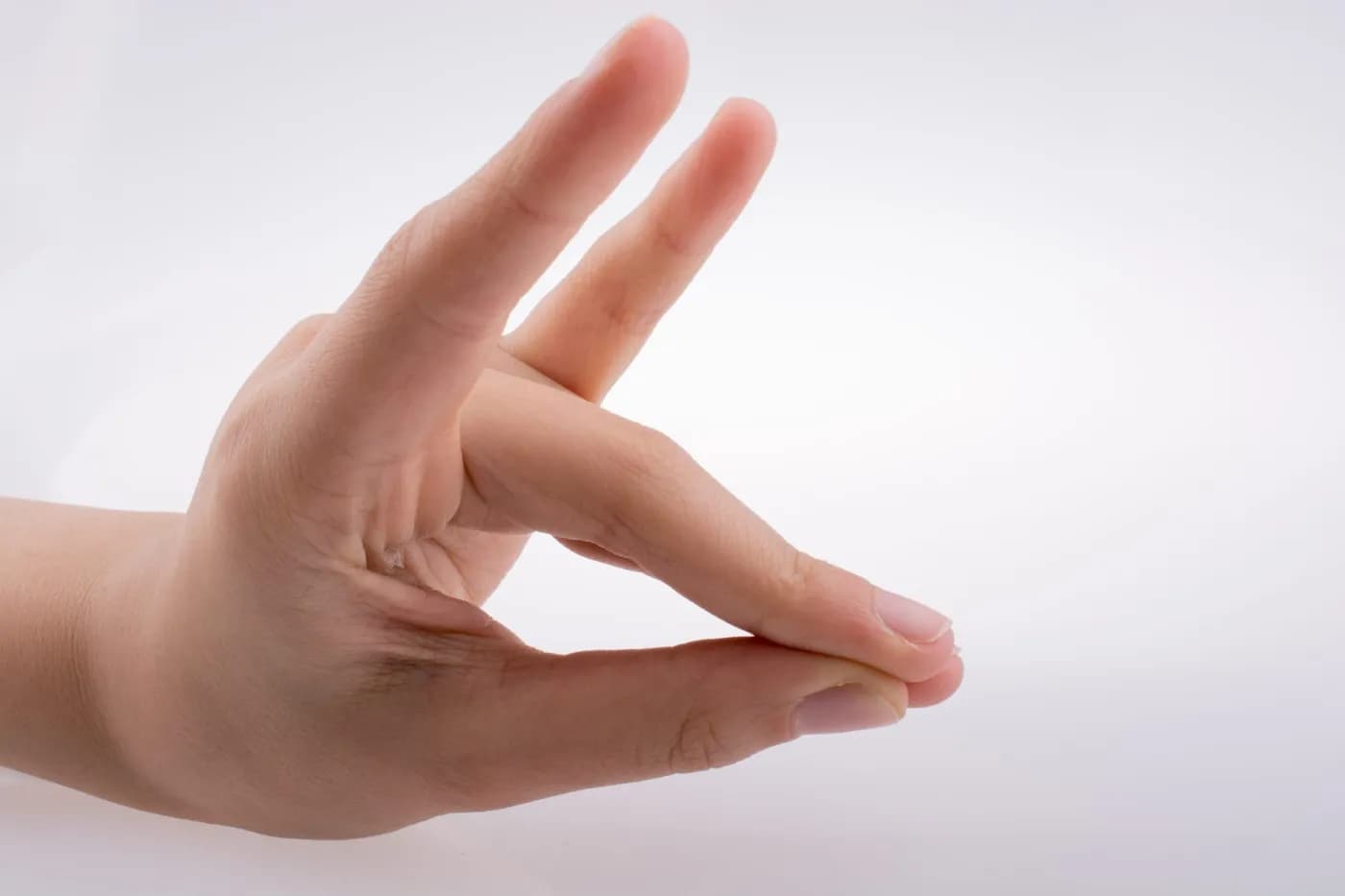
The index, middle, and ring fingers fold into the palm while the thumb and little finger tips join, channelling the downward-moving apana vayu toward the
Key Takeaways
- Its full traditional form, Apana Mrigi Mudra, channels apana vayu toward the pelvic organs.
- Formed by folding three fingers inward while joining the thumb tip to the little finger tip.
- Deer symbolise the restless senses in Indian mythology, gathered inward by this gesture.
- Practitioners often report more predictable cycles within 2-3 months of daily practice.
- Held in Vajrasana after meals, it’s also used to ease gas, bloating, and irregular bowels.
- The joined thumb and little finger link the fire and water elements to warm the lower abdomen.
What is Mrigi Mudra?
In hatha yoga and tantra traditions, hand gestures direct the body’s vital energies — vayus — toward specific organs. There are five main vayus, and apana vayu governs everything that moves downward and outward: menstruation, urination, elimination, childbirth, and the release of metabolic waste.
Mrigi mudra is the gesture used to invoke and balance apana vayu. The folded three fingers represent inward retention; the joined thumb and little finger close the circuit between the fire element (thumb) and the water element (little finger), gently warming the lower abdomen.
The “deer” symbolism comes from the gesture’s resemblance to a deer’s slender, elegant face — but it also carries a deeper meaning. Deer in Indian mythology represent the sense organs and a roving, restless mind. Forming mrigi mudra is symbolic of gathering the senses inward — a quiet but powerful intention for women’s wellness practices. Many practitioners pair mrigi mudra with the relatedapana mudra, which works on the same downward-moving vayu.
Mrigi Mudra Benefits
Physical Benefits Supports Hormonal Balance The mudra’s gentle stimulation of apana vayu is associated in yoga therapy with the regulation of pelvic blood flow — beneficial for the ovaries, uterus and adrenal glands. Practitioners often report more predictable cycles within 2–3 months of daily practice.
Mental and Emotional Benefits
- Calms PMS-Driven Mood Swings The slow breath and focused attention reduce sympathetic nervous system activation, which is heightened in the luteal phase. For women who struggle with stress-amplified PMS, layering mrigi mudra with a structuredyoga for stress management routine compounds the benefit.
- Eases Menstrual Cramps and PMS Held during the days leading up to menstruation, mrigi mudra can soften lower-abdominal tightness and reduce the intensity of cramps for many women.
- Aids Digestion and Elimination Apana vayu also governs intestinal movement. Mrigi mudra, especially in vajrasana after meals, can ease gas, bloating and irregular bowels.
- Supports Reproductive Health Women trying to conceive often combine mrigi mudra with other apana-aligned mudras. The practice is supportive — never a replacement for medical fertility care.
- Improves Sleep in the Pre-Menstrual Week Pairing mrigi mudra with a slow exhale before bed quiets the racing thoughts that often disturb sleep before a period. Combining it withbhramari pranayama makes the wind-down even more effective.
- Cultivates Inner Quiet and Self-Trust Like all mudras, the practice asks for stillness — and stillness, repeated daily, becomes a portable resource.
How to Do Mrigi Mudra — Step-by-Step Instructions
Key Principles
- Soft, never forced; the fingers fold willingly.
- Practise on both hands simultaneously for full effect.
- Always pair with slow nasal breathing.
Step 1: Find a Stable Seat
Sit in sukhasana, padmasana or vajrasana. If pelvic discomfort is the goal, vajrasana works particularly well.
Step 2: Rest the Hands
Place both hands palm-up on the thighs.
Step 3: Fold the Three Fingers
Gently curl the index, middle and ring fingers in toward the centre of the palm. They should rest lightly, not be clenched.
Step 4: Join Thumb and Little Finger
Bring the tip of the thumb to the tip of the little finger. Light, even contact.
Step 5: Settle the Breath
Begin diaphragmatic breathing — feel the lower abdomen expand on inhale, soften on exhale. Inhale 4, exhale 6 counts.
Step 6: Hold and Observe
Stay 15–20 minutes. Notice any subtle warmth in the lower abdomen.
Step 7: How to Come Out
Release the fingers slowly. Place both palms over the lower abdomen for 1–2 minutes of quiet rest.
Breathing in Mrigi Mudra
Diaphragmatic breath is essential. Avoid kapalbhati or bhastrika during menstruation.
Preparatory Poses Before Mrigi Mudra
These warm the pelvic region so the mudra has more to work with:
- Baddha Konasana (butterfly pose) — opens hips and stimulates ovarian circulation.
- Supta Baddha Konasana — gentler, restorative version.
- Marjariasana (cat-cow) — wakes up the spine and pelvis.
- 3 rounds of slow anulom vilom — balances the nostril airflow and prana.
Variations of Mrigi Mudra
Variation 1: Mrigi Mudra in Shavasana
Lying down with the mudra formed at the sides — perfect for cramp relief and evening practice.
Variation 2: Mrigi Mudra with Bhramari
Add 5 rounds of humming bee breath after settling into the mudra. Doubly calming for PMS.
Variation 3: Mrigi + Apana Mudra Sequence
5 minutes of mrigi mudra followed by 5 minutes of apana mudra (thumb + middle + ring fingers touching). Especially helpful for sluggish digestion or delayed cycles.
Common Mistakes to Avoid in Mrigi Mudra
- Clenching the folded fingers — they should rest lightly, not grip.
- Pressing the thumb hard onto the little finger — feather-light contact only.
- Practising kapalbhati during menstruation — strong abdominal practices are contraindicated; stick to gentle breath only.
- Doing the mudra during heavy bleeding days without modification — switch to shavasana variation.
- Skipping breath awareness — the mudra without breath is half the practice.
- Expecting cycle changes in one month — give it 2–3 cycles of consistent practice.
Who Should Practise Mrigi Mudra?
- Women with Irregular Cycles or PCOS A daily 15-minute practice complements lifestyle, dietary and clinical care. Many women combine mrigi mudra withyoga for hormonal balance for a fuller approach.
- Women with Painful Periods (Dysmenorrhoea) Especially helpful in the 5–7 days leading up to menstruation.
- Women in the Pre-Conception Phase Pairs well with apana mudra; consult your gynaecologist before starting if you are actively trying to conceive.
- Is Mrigi Mudra Good for Beginners? Yes. No flexibility or experience required — only a comfortable seat and 15 minutes.
Hormonal balance doesn’t shift on the timeline of a single practice session, which is exactly why Mrigi mudra tends to be recommended as a daily companion through the month rather than something reached for only during a difficult week. Give it a fixed few minutes each day and let the effect build across a full cycle or two before judging it. Habuild’s Yoga Everyday program can help anchor that daily consistency alongside gentle asana.
Frequently Asked Questions
Related Articles
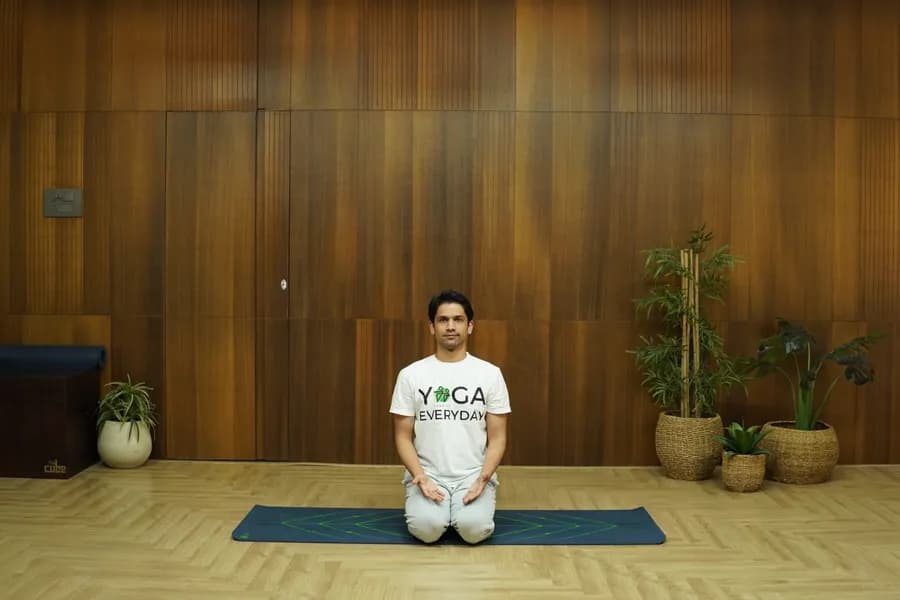
Vajrasana: How to Do It Benefits and Precautions
Practice vajrasana pose with Habuild. Try vajrasana to ease digestion, reduce back pain, and calm your mind. Ideal for all levels. Start your session today!

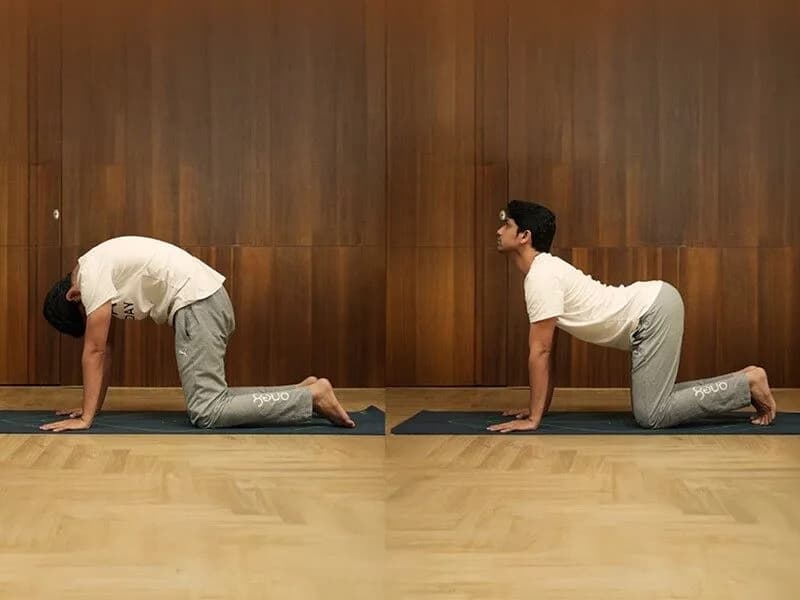
Chakravakasana (Ruddy Goose Pose): Steps, Benefits and Precautions
This four-point kneeling anti-rotation exercise builds lumbar stability and shoulder alignment, named after the ruddy shelduck of Hindu mythology. See the steps, benefits, and precautions.
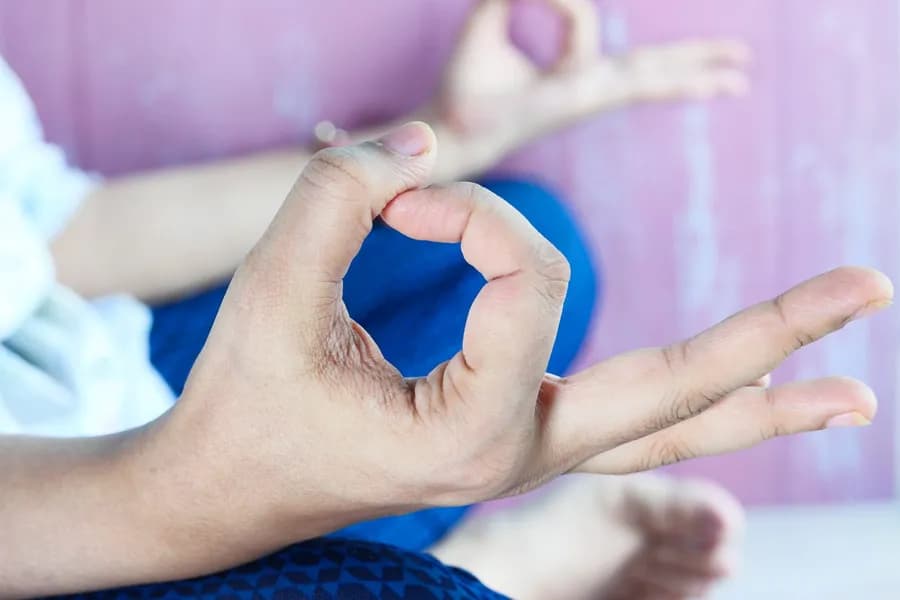
Gyan Mudra: How to Do It and Its Benefits for Focus and Memory
Practice Gyan Mudra with Habuild. Follow the wisdom hand gesture steps to improve focus, reduce anxiety, and enhance your meditation practice. Start today!