
Nirvana Mudra: Meaning How to Practice and Its Benefits for Peace
Try Nirvana Mudra with Habuild. Follow nirvana mudra steps and benefits to calm the mind, release tension, and deepen meditation practice.
Key Takeaways
- Both thumbs point downward, the physical opposite of most mudras’ upward aspiration.
- Nirvana translates literally as ‘blowing out,’ extinguishing craving and ego-identification.
- Structurally contrasts Muladhara Mudra’s upward thumbs as ascent versus release.
- Reduces psychosomatic tension specifically held in the jaw, throat, shoulders, and abdomen.
- Frames liberation as immediately accessible in each moment, not a distant philosophical goal.
- Activates parasympathetic rest through the same mechanism as all surrender-based practices.
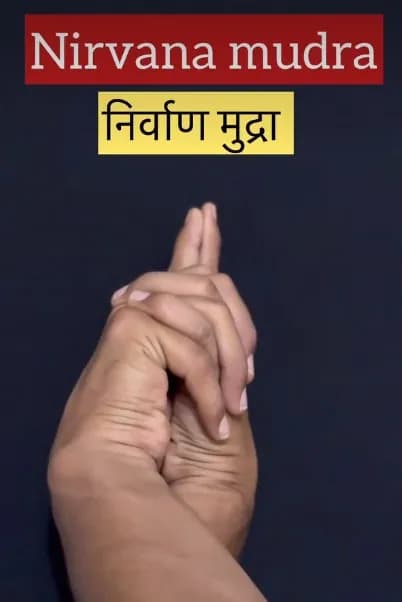
Nirvana Mudra is a yogic hand gesture representing liberation from suffering and the attainment of inner peace. Formed by interlacing the fingers with both thumbs pointing downward — the physical opposite of the upward aspiration of most mudras — it is practised to release mental tension, cultivate detachment from distressing thoughts, and support the deep meditative stillness of liberation consciousness.
What is Nirvana Mudra?
Nirvana Mudra — the Liberation Gesture — takes its name from Nirvana: Sanskrit for ‘blowing out’ or extinguishing — the extinguishing of craving, aversion, and the delusional identification with the ego that is the root cause of suffering in both yogic and Buddhist understanding. The gesture is formed by interlacing the fingers of both hands with both thumbs pointing directly downward — the downward thumbs representing the resolution of upward-striving ego energy into the peace of acceptance, release, and non-grasping awareness.
In yogic tradition, liberation — Moksha, Nirvana, Mukti — is the ultimate destination of all practice: the progressive freeing of awareness from the bondage of reactive identification, compulsive attachment, and the relentless movement of the comparing, grasping, resisting mind. Nirvana Mudra is a specific contemplative gesture for cultivating this liberation quality — not as a distant philosophical goal but as an immediately accessible quality of mind available in each present moment of genuinely non-grasping awareness.
The structural contrast with Muladhara Chakra Mudra (interlaced fingers with thumbs pointing upward) is intentional and philosophically precise: the upward thumbs of Muladhara Mudra represent the ascending vitality of root energy activation; the downward thumbs of Nirvana Mudra represent the descending release of ego energy into the peace of non-seeking. Both are necessary dimensions of the complete practice — grounded vitality ascending and liberated awareness releasing — and their physical opposition in the thumb direction embodies this complementary relationship.
Nirvana Mudra Benefits
Physical Benefits
- Activates Deep Parasympathetic Rest The complete release quality of Nirvana Mudra — the downward-pointing thumbs representing surrender and the relaxation of effort — activates the parasympathetic nervous system through the same physiological mechanisms as all surrender-based relaxation practices. The gesture’s physiological effect is a reliable settling of the stress response, making Nirvana Mudra effectively therapeutic for all conditions of nervous system overactivation: chronic stress, anxiety, and the autonomic imbalance of hyperarousal states.
- Reduces Psychosomatic Tension and Physical Holding The chronic mental tension that accompanies attachment, anticipatory worry, and reactive emotional identification produces measurable physical tension — particularly in the jaw, throat, shoulders, neck, and abdomen. Nirvana Mudra’s liberation practice directly reduces this psychosomatic holding by releasing its mental-emotional cause rather than treating its physical manifestation alone. The physical softening that consistent practitioners report is the somatic reflection of genuine mental release.
Mental and Emotional Benefits
- Releases Chronic Mental Rumination and Obsessive Thinking The most immediately practical benefit of Nirvana Mudra for most contemporary practitioners is relief from chronic mental rumination — the repetitive, circular thinking that replays problems, anticipates difficulties, resists present experience, and perpetuates the suffering it is trying to manage. The liberation orientation of the gesture provides a clear meditative intention — release rather than grasp — that interrupts the rumination cycle more effectively than simply trying to stop thinking.
- Cultivates Non-Attachment (Vairagya) and Equanimity Nirvana Mudra specifically cultivates Vairagya — the yogic quality of non-attachment, or the capacity to engage fully with life without being enslaved by its outcomes. This equanimous engagement — present, caring, and fully involved without desperate clinging or aversive rejection — is one of the most practically valuable qualities that sustained yoga practice develops. Pair with Kapalbhati Pranayam for energetic clearing before settling into the liberation stillness.
- Deepens Meditative Stillness and Inner Peace Nirvana Mudra is specifically suited to the deepest meditation sessions — its liberation orientation pointing directly toward the effortless, open, non-grasping awareness that the deepest meditative absorption (Samadhi) represents. Experienced meditators frequently find that combining Nirvana Mudra with their meditation practice produces a qualitative shift toward the effortless, open quality of awareness that purely internal concentration practice cannot always access. Suryabhedan Pranayam for five minutes before the practice provides useful energetic preparation before the liberation stillness.
How to Do Nirvana Mudra — Step-by-Step Instructions
Key Principles
Key Principles One principle governs Nirvana Mudra above all others: the thumbs point directly downward — this single element is both the physical definition of the gesture and the physical expression of the liberation intention. The downward thumbs are not incidental; they are the bodily embodiment of releasing downward into acceptance rather than reaching upward in striving. The quality of the practice is entirely determined by the authenticity of this release intention — approached with force or effort, it produces nothing; approached with genuine willingness to release, it produces the peace it represents.
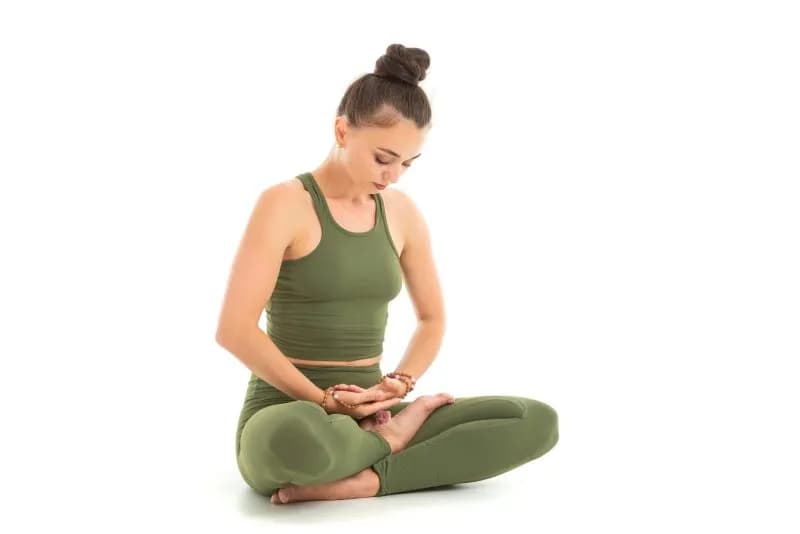
Nirvana Mudra — Step by Step Step 1: Starting Position Sit in Sukhasana, Padmasana, or Vajrasana — spine naturally erect, body completely relaxed, jaw softened. Take two to three settling breaths, releasing the day’s tensions with each exhalation before forming the gesture.
Step 2: Interlace All Eight Fingers Bring both hands in front of the lower abdomen. Interlace all eight fingers completely — weaving right and left fingers alternately, the fingers of each hand settling between those of the other. The interlace should be comfortable and relaxed.
Step 3: Allow Both Thumbs to Point Downward Allow both thumbs to rest naturally pointing downward — settling between the lower fingers of the interlaced hands without force. The thumbs should feel as if they are naturally descending, falling toward the earth with gravity rather than being pressed downward with muscular effort.
Step 4: Rest the Interlaced Hands in the Lap Allow the complete interlaced formation to rest comfortably in the lap — the gentle weight of the hands supported by the thighs. There should be no effort required to maintain the position.
Step 5: Cultivate the Liberation Intention Close the eyes. Allow the breath to become completely spontaneous and natural — neither controlled nor observed, simply allowed to breathe itself. Cultivate the mental quality of release, acceptance, and non-grasping openness — not as a forced idea but as a genuine orientation of awareness.
Step 6: Hold for 15–30 Minutes and Release Hold for 15 to 30 minutes. Each exhale deepens the quality of release. To close: take two to three deeper breaths, gently unclasp the hands, and rest in the stillness for one to two minutes before opening the eyes.
Breathing in Nirvana Mudra
Completely natural, effortless breathing is the essence of the Nirvana Mudra breath — the breath neither forced nor controlled but allowed to be completely spontaneous, free, and self-regulating. Each exhale deepens the quality of release. Surya Bhedi Pranayam practised for five minutes before the session provides useful energetic preparation before settling into the completely natural breath of liberation practice.
Preparatory Practices Before Nirvana Mudra
These practices clear energetic accumulations and settle the nervous system before liberation practice.
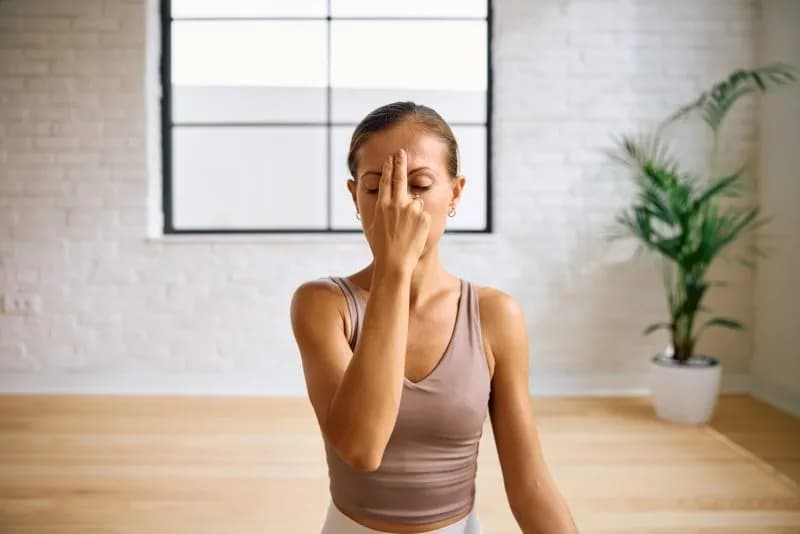
- Kapalbhati Pranayam (3-5 minutes) — Clears the energy channels and releases accumulated tension before the liberation stillness.
- Nadi Shodhana Pranayam (5 rounds) — Balances both energy channels and establishes the equanimous, centred awareness that liberation practice requires.
- Complete Shavasana (5 minutes) — Physical release practice that mirrors the mental release intention of Nirvana Mudra.
- Yoga Nidra or Body Scan — Progressive relaxation deepens the surrendered quality that Nirvana Mudra cultivates at the conscious level.
Variations of Nirvana Mudra
- Variation 1: Nirvana Mudra Supine — Surrender Practice Nirvana Mudra held while lying in Shavasana (Corpse Pose) deepens the surrender quality of the liberation practice — the complete physical yielding of the supine body amplifying the mental release intention of the downward-pointing thumbs. This variation is particularly effective for practitioners who find seated practice stimulating rather than settling.
- Variation 2: Nirvana Mudra as Closing Meditation — Complete Session Practising Nirvana Mudra as the final gesture of a complete yoga session — after asana, pranayama, and other mudra work — uses the session’s progressive channel-clearing and nervous system settling as a foundation for the deepest possible liberation stillness. This is the classical application of Nirvana Mudra within the complete yoga sequence.
- Variation 3: Nirvana Mudra with Loving-Kindness (Metta) Meditation Combining Nirvana Mudra with Metta (loving-kindness) meditation — the progressive extension of goodwill from self to others to all beings — creates a liberation practice that is simultaneously releasing (the mudra’s non-grasping orientation) and expansively warm (the metta’s compassionate inclusiveness). This combination is among the most profound convergences of the yogic and Buddhist meditation traditions.
Common Mistakes to Avoid in Nirvana Mudra
- Thumbs Pointing Upward Instead of Downward The single most consequential formation error — and the one that converts Nirvana Mudra into Muladhara Chakra Mudra with completely different energetic intention. Always verify: thumbs point downward toward the earth, never upward toward the sky. The downward direction is the physical embodiment of the entire liberation intention.
- Approaching the Practice with Effort or Force Liberation cannot be forced — only invited through release. Practitioners who approach Nirvana Mudra with the same effortful, goal-pursuing quality that characterises most activity typically find the practice produces tension rather than release. The practice asks for a quality of genuine willingness to release — something fundamentally different from the directed effort that most practices require.
- Controlling the Breath Nirvana Mudra’s breath is the only mudra breath that is explicitly uncontrolled — completely spontaneous and natural. Practitioners accustomed to pranayama’s breath direction may automatically begin counting, guiding, or controlling the breath during Nirvana Mudra. Each time this is noticed, simply release the control and allow the breath to breathe itself.
- Confusing Nirvana Mudra with Muladhara Chakra Mudra The two gestures are visually nearly identical — the only difference being the thumb direction. Both involve fully interlaced fingers. The single distinguishing element — thumbs up for Muladhara activation, thumbs down for Nirvana liberation — is easy to confuse, particularly in early practice. Develop the habit of consciously checking thumb direction before each session begins.
Who Should Practise Nirvana Mudra?
- Advanced Meditation Practitioners Nirvana Mudra is most deeply resonant for practitioners with established meditation practice who are ready to work directly with the liberation orientation — the non-grasping, non-aversive, open awareness — that the deepest yoga and Buddhist traditions identify as the ultimate destination of all practice.
- Those with Chronic Mental Tension and Rumination The immediate practical benefit of Nirvana Mudra — relief from the chronic mental rumination, anticipatory worry, and reactive thinking that modern life systematically produces — makes it specifically valuable for practitioners whose primary challenge is the overactive, grasping mind that cannot rest in present experience.
- Those Working with Non-Attachment and Vairagya Nirvana Mudra is the most direct and focused mudra practice for cultivating Vairagya — specifically valuable for practitioners who are philosophically and experientially working with the yogic and Buddhist understanding that liberation comes through release rather than acquisition.
- Is Nirvana Mudra Good for Beginners? The formation is immediately accessible to beginners — interlaced fingers with downward thumbs requires no physical preparation. The subtlety of the practice lies not in the formation but in the quality of the liberation intention that is brought to it. Beginners benefit from starting with simpler, more structurally active mudras first and approaching Nirvana Mudra as their meditation practice matures.
Make Nirvana Mudra a Part of Your Daily Practice
Nirvana Mudra is the yoga tradition’s most direct gesture of liberation — its downward-pointing thumbs physically embodying the release into non-grasping awareness that all practice ultimately points toward. For practitioners whose primary challenge is the overactive mind of chronic mental tension, and for advanced meditators seeking the deepest possible meditative stillness, Nirvana Mudra provides a focused, accessible, and profound daily vehicle for the quality of liberation consciousness.
Whether you are using Nirvana Mudra as a ten-minute practice during periods of acute mental tension, or developing it as the closing liberation gesture of a complete daily yoga sequence, the formation is immediately accessible and the practice deepens meaningfully with daily consistency. The liberation quality — like the name suggests — cannot be grasped; it can only be released into.
The most effective way to learn Nirvana Mudra — with the philosophical context, the liberation-oriented meditation instruction, and the complete sequence integration that make this practice genuinely transformative rather than merely mechanical — is under live expert guidance with Habuild.
Start your 14 day free yoga journey with Habuild, today!
Related reads: Varada Mudra: Meaning How to Practice and Its Benefits for Peace · Abhaya Mudra: Meaning How to Practice and Its Benefits for Peace
Nirvana Mudra’s calming effect tends to deepen the more regularly it’s practiced — a single session may loosen tension for an hour, but a daily one gradually changes how much tension you carry in the first place. Habuild’s Yoga Everyday program can help you turn that into an actual daily practice rather than an occasional one.
Frequently Asked Questions
Related Articles
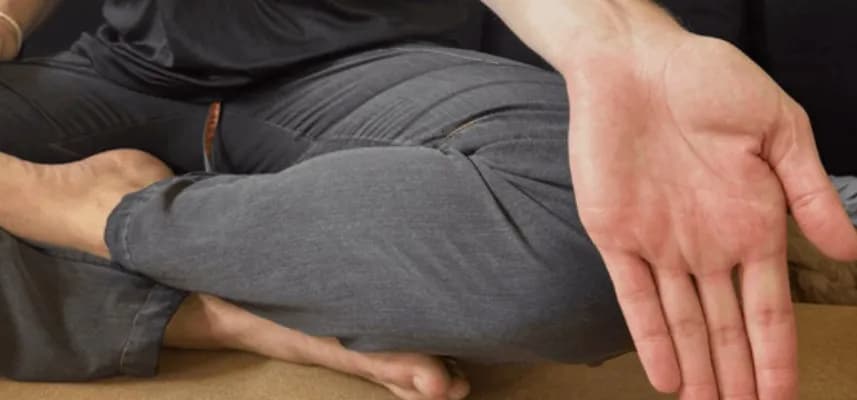
Varada Mudra: Meaning How to Practice and Its Benefits for Peace
Practice Varada Mudra with Habuild. Follow the boon-granting gesture steps to cultivate generosity, compassion, and a calm, open state of mind. Start today!

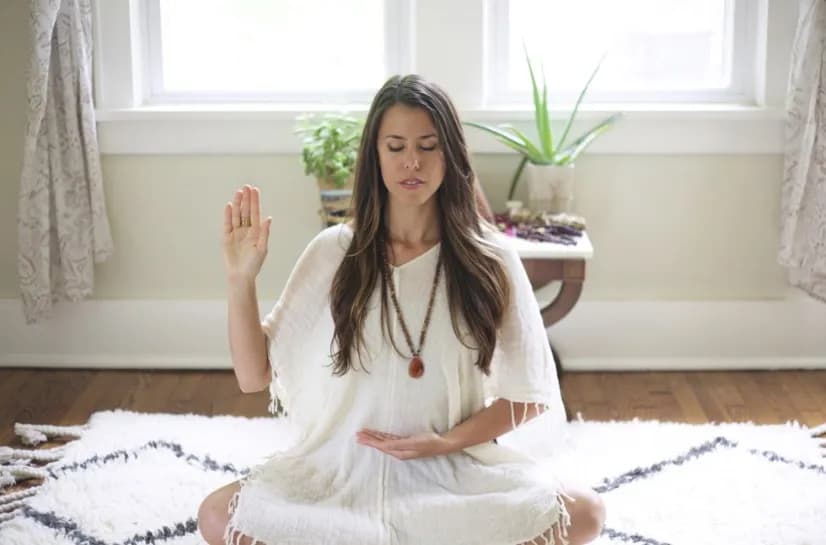
Abhaya Mudra: Meaning How to Practice and Its Benefits for Peace
Practice Abhaya Mudra with Habuild. Follow the fearlessness hand gesture steps to reduce anxiety, build confidence, and cultivate inner courage. Start today!
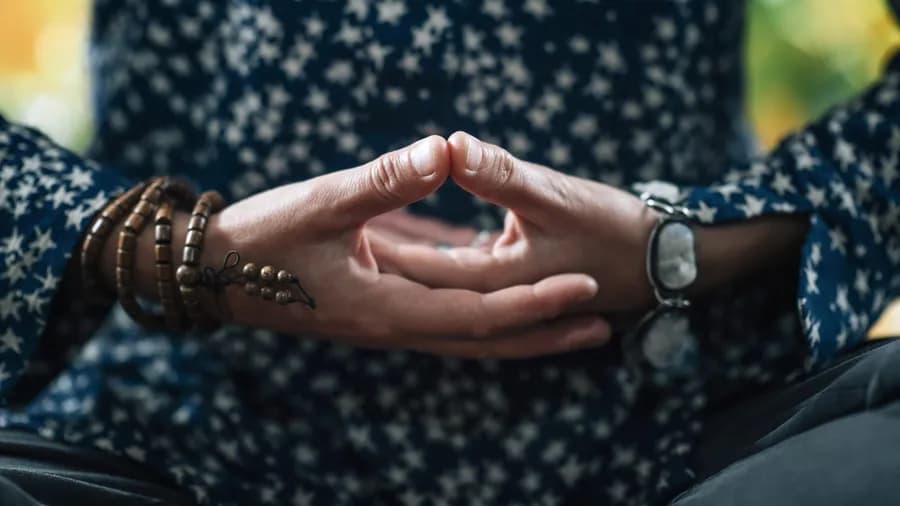
Dhyana Mudra: How to Practice and Its Benefits for Meditation
Practice Dhyana Mudra with Habuild. Follow the meditation hand gesture steps to calm the mind, deepen concentration, and support your daily practice. Start!