
Varada Mudra: Meaning How to Practice and Its Benefits for Peace
Practice Varada Mudra with Habuild. Follow the boon-granting gesture steps to cultivate generosity, compassion, and a calm, open state of mind. Start today!
Key Takeaways
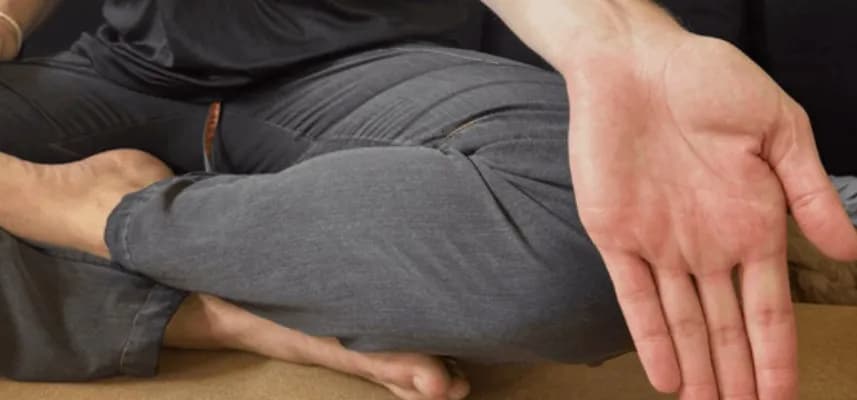
- Arm extends with the palm facing outward and downward, fingers pointing toward the earth.
- Seen in depictions of Lakshmi constantly pouring golden coins toward her devotees.
- In Buddhist practice it is the bodhisattva’s physical vow to offer refuge to all beings.
- Trains giving from genuine abundance rather than the transactional quality of ego-based giving.
- Activates Anahata, the heart chakra, through its outward-flowing giving gesture.
- Paired with heart-centred breathing to move it from a position into an embodied practice.
Varada Mudra is a sacred gesture of giving, compassion, and the granting of boons — formed by extending the arm with the palm facing outward and downward, all fingers pointing toward the earth. Seen in depictions of Lakshmi, Buddha, and Tara, it cultivates genuine generosity, open-hearted compassion, and the Anahata chakra expansion that authentic giving embodies.
What is Varada Mudra?
Varada Mudra — the Boon-Granting Gesture — is one of the most universally recognisable sacred hand gestures in both Hindu and Buddhist iconography, appearing in the hands of thousands of divine figures across South and Southeast Asian sacred art. The gesture is formed by the extended arm, outward-facing palm, and earth-pointing fingers — the physical embodiment of the act of giving: the hand open, turned outward, offering downward from the heights of divine abundance to the needs of the world below.
In the Hindu tradition, Varada Mudra is most associated with Lakshmi, the goddess of abundance and grace — her right hand in Varada Mudra constantly pouring golden coins toward her devotees, representing the inexhaustible flow of divine generosity. In Buddhist practice, Varada Mudra is the gesture of compassionate giving offered by bodhisattvas as the physical symbol of their vow to give refuge and liberation to all beings.
At Habuild, Varada Mudra is taught as part of our sacred gesture curriculum — with attention to the symbolic resonance, correct arm and hand formation, and the heart-centred breathing that transforms the gesture from a physical position into an embodied practice of cultivating genuine generosity and compassion.
Varada Mudra Benefits
Mental and Spiritual Benefits
- Cultivates Genuine Generosity and Abundance Consciousness The most direct benefit of consistent Varada Mudra practice is the cultivation of genuine generosity — the willingness to give from abundance rather than scarcity, to offer time, attention, care, and resources without the transactional quality that ego-based giving always carries. The regular embodiment of the giving gesture trains the neural pathways of generosity and abundance that determine the quality of all relationships.
- Develops Compassion and Open-Hearted Presence Varada Mudra’s boon-granting symbolism — the heart’s abundance flowing outward through the extended arm — directly cultivates the compassionate, open-hearted quality of presence that the gesture embodies. Sustained practice develops the genuine compassion and the sense of others’ wellbeing being as important as one’s own that advanced spiritual traditions consistently identify as the foundation of psychological health.
- Activates the Anahata Chakra and Heart-Centred Awareness The outward-flowing, giving gesture of Varada Mudra activates the Anahata (heart) chakra — the energy centre of love, compassion, and the expansive giving that open-heartedness enables. Regular practice progressively opens the cardiac plexus region and develops the quality of warm, expanded awareness associated with heart chakra activation.
Physical Benefits
- Opens the Shoulder and Anterior Chest The extended arm position of Varada Mudra gently opens the anterior shoulder capsule and the chest wall — counteracting the forward shoulder rounding that closed, self-protective postures produce. This physical opening complements the psychological opening of the gesture’s compassion cultivation.
How to Do Varada Mudra — Step-by-Step Instructions
Key Principles
Key Principles The quality of intention is inseparable from Varada Mudra’s formation — the gesture held with the genuine intention of giving and compassion is fundamentally different from the same physical form held without intentional awareness. Cultivate the inner quality of generosity and openness alongside the physical formation.
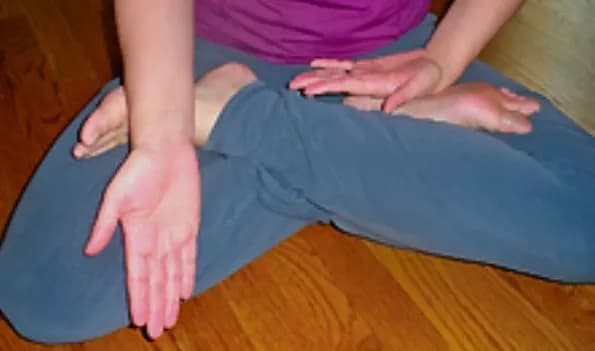
Varada Mudra — Step by Step Step 1: Seated Starting Position Sit in Sukhasana — spine erect, heart open, face relaxed. Take three full breaths to settle the body and establish the quality of open, giving awareness before forming the gesture.
Step 2: Extend the Right Arm Extend the right arm forward and slightly outward — approximately 45 degrees from the body. The arm extends with ease, not force — the shoulder completely relaxed throughout.
Step 3: Turn the Palm Outward Turn the palm outward — facing away from the body. All five fingers point gently toward the earth. The wrist and fingers are softly extended, not rigidly stiff.
Step 4: Rest the Left Hand in Mudra Rest the left hand in Gyan Mudra (index finger and thumb touching) or Dhyana Mudra (hands in lap) on the left knee — the receptive and meditative complement to the giving gesture of the right hand.
Step 5: Breathe with Compassionate Intention Breathe with heart-centred intention — each inhale drawing compassion and blessing into the heart; each exhale extending them outward through the giving arm. Hold for fifteen to thirty minutes.
Step 6: Release and Return On a complete exhalation, gently lower the right arm to the lap. Rest in Gyan Mudra with both hands for two to three breaths before transitioning out of the practice.
Breathing in Varada Mudra
Heart-centred breathing accompanies Varada Mudra throughout — the inhalation drawing compassion and abundance into the heart, the exhalation extending these qualities outward through the giving arm. The breath rhythm is naturally slow and deep — four to six breaths per minute — creating the calm, generous quality that the gesture embodies.
Preparatory Practices Before Varada Mudra
These practices open the heart and cultivate the receptive awareness before Varada Mudra.
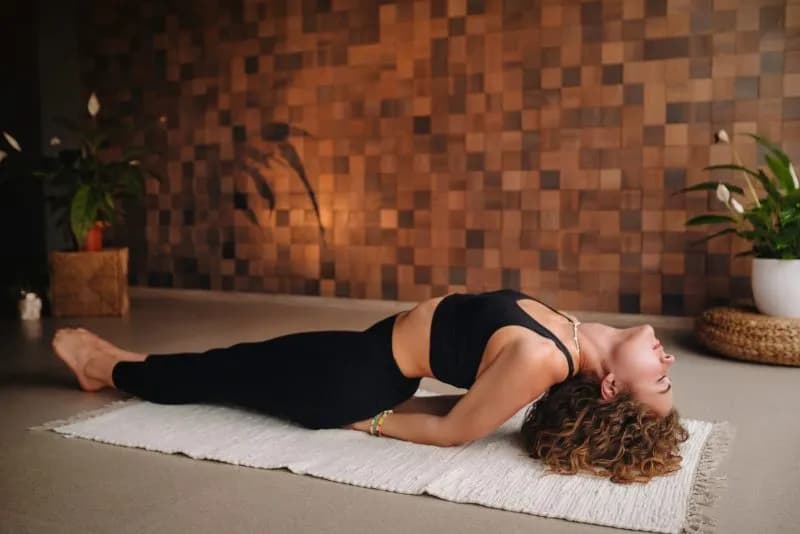
- Matsyasana (Fish Pose, 5 minutes) — Opens the anterior chest and activates the Anahata chakra before the giving gesture.
- Nadi Shodhana Pranayama (5 minutes) — Balances the solar and lunar channels to create the equilibrium from which genuine giving flows.
- Loving-kindness (Metta) reflection — Silently generating the intention to give wellbeing to specific beings before forming the mudra.
Variations of Varada Mudra
- Variation 1: Right Arm Only — Classical The standard form described in the step-by-step instructions — right arm extended with giving palm, left hand in Gyan or Dhyana Mudra. This is the classical Varada Mudra formation as it appears in divine iconography, with the right hand giving and the left hand in meditative receptivity.
- Variation 2: Both Arms in Varada Mudra — Full Giving Both arms extended simultaneously in Varada Mudra — both palms outward, both sets of fingers pointing toward the earth. This bilateral form amplifies the giving quality and is used in practices specifically cultivating unconditional, boundless generosity.
- Variation 3: Varada Mudra with Walking Meditation — Active Giving Varada Mudra held during slow walking meditation — the giving gesture maintained while moving through space, transforming each step into an act of compassionate giving to the earth and all beings encountered. Practised in temples and sacred natural spaces.
Common Mistakes to Avoid in Varada Mudra
- Holding the Arm with Muscular Tension The extended arm of Varada Mudra must be held with ease, not muscular effort — the gesture of giving is effortless and abundant, not strained and depleting. Allow the arm to be supported by the skeleton rather than the muscles, the shoulder completely dropped away from the ear throughout the hold.
- Practising Without Genuine Intention Varada Mudra held as a physical form without the cultivated intention of generosity and compassion is the hand position alone — not the complete mudra. The gesture’s transformative power comes from the simultaneous cultivation of the inner quality that the outer form represents.
- Neglecting the Left Hand and Receptive Balance Varada Mudra’s giving quality requires the complementary receptivity of the left hand — the balance between giving (right) and receiving (left) that prevents the depletion of one-sided giving. Always maintain the left hand in a meditative mudra throughout the practice.
Who Should Practise Varada Mudra?
- Those Cultivating Generosity and Heart-Centred Living Varada Mudra is the most direct embodied practice for cultivating genuine generosity — particularly valuable for those whose natural constitution tends toward holding, scarcity thinking, or the self-protective contraction that prevents authentic giving.
- Meditators Developing Compassion and Metta Practice For practitioners engaged in formal loving-kindness (Metta) or compassion meditation, Varada Mudra provides the physical gesture that anchors and amplifies the inner cultivation — the body’s giving posture reinforcing the mind’s compassionate intention.
- Is Varada Mudra Good for Beginners? Yes — the physical formation is simple and immediately accessible. The depth of the practice develops with the quality of intention cultivated over weeks and months of consistent use.
Make Varada Mudra a Part of Your Daily Practice
Varada Mudra is the yoga tradition’s most direct embodied practice of compassion and generosity — its extended giving hand training the neural and energetic pathways of abundance, open-heartedness, and service that form the psychological and spiritual foundation of a life genuinely well-lived.
Whether you are using Varada Mudra to cultivate generosity, deepen meditation practice, activate the Anahata chakra, or connect with the divine giving energy of Lakshmi and the Bodhisattvas, the gesture rewards daily consistent use with a progressively more open, warm, and genuinely generous quality of presence.
The most effective way to learn Varada Mudra with its complete symbolic context, heart-centred breathwork, and compassion cultivation practice is under live expert guidance with Habuild.
Start your 14 day free yoga journey with Habuild, today!
Related reads: Abhaya Mudra: Meaning How to Practice and Its Benefits for Peace · Nirvana Mudra: Meaning How to Practice and Its Benefits for Peace
Varada Mudra’s invitation to open, generous states of mind isn’t something that arrives in one sitting — it’s cultivated the way most mental shifts are, through showing up for the practice again and again. A single session might feel pleasant; a daily one starts to change your default temperament. Habuild’s Yoga Everyday program gives that daily return a home.
Frequently Asked Questions
Related Articles
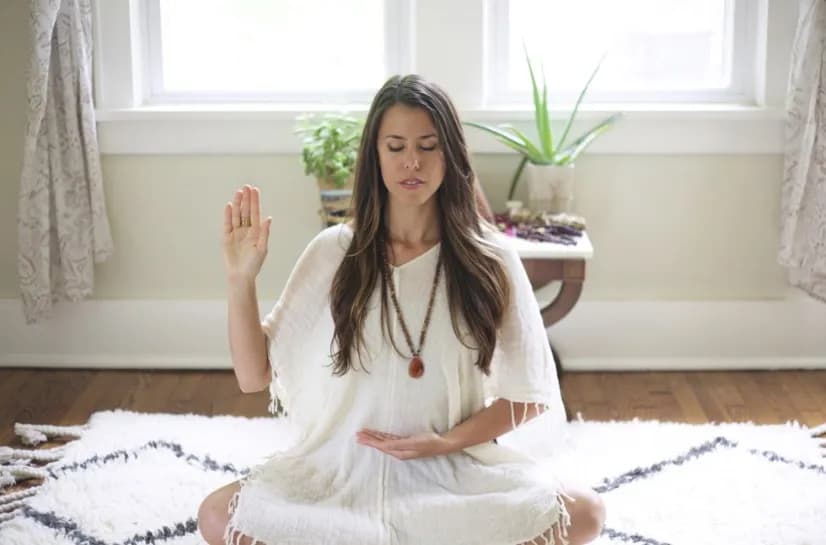
Abhaya Mudra: Meaning How to Practice and Its Benefits for Peace
Practice Abhaya Mudra with Habuild. Follow the fearlessness hand gesture steps to reduce anxiety, build confidence, and cultivate inner courage. Start today!
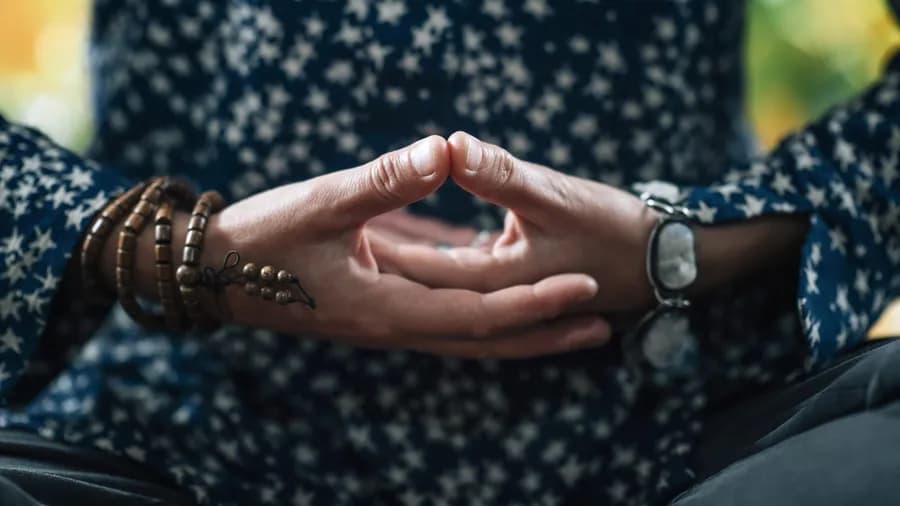
Dhyana Mudra: How to Practice and Its Benefits for Meditation
Practice Dhyana Mudra with Habuild. Follow the meditation hand gesture steps to calm the mind, deepen concentration, and support your daily practice. Start!
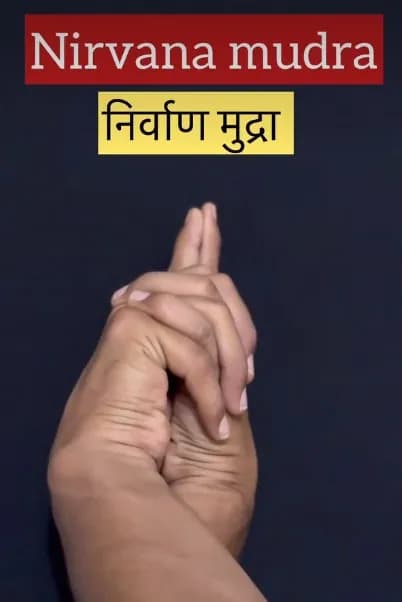
Nirvana Mudra: Meaning How to Practice and Its Benefits for Peace
Try Nirvana Mudra with Habuild. Follow nirvana mudra steps and benefits to calm the mind, release tension, and deepen meditation practice.