
10 Benefits of Paschimottanasana You Should Know
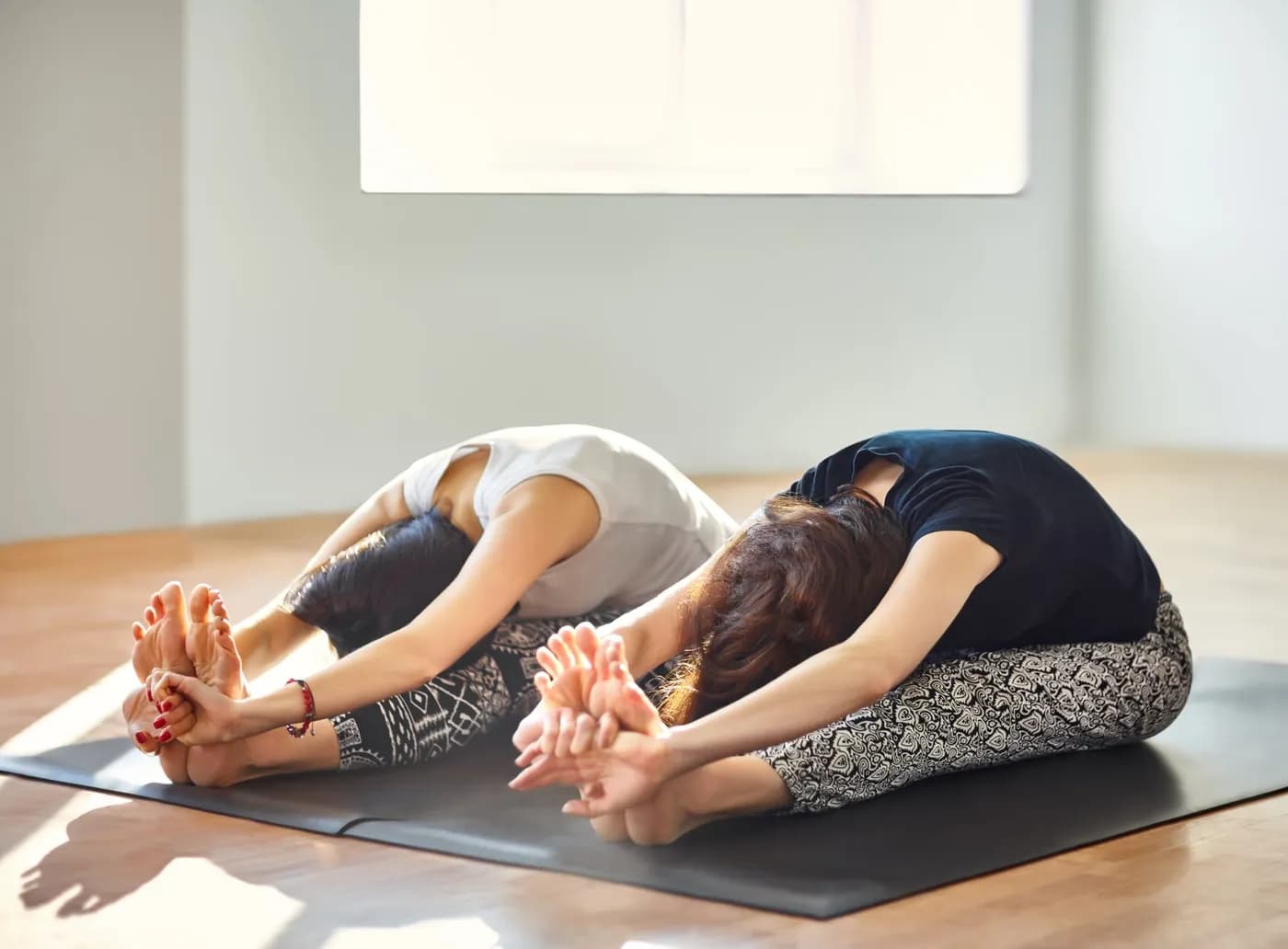
The Seated Forward Bend stretches the entire posterior chain, calms the nervous system, and builds deep body awareness. See all 10 benefits.
Key Takeaways
- Stretches the spine, hamstrings, and calves simultaneously in one long, sustained fold.
- The forward compression stimulates digestive organs, easing sluggish digestion after meals.
- Folding forward has an inward-turning quality that naturally quiets the nervous system.
- Activates the erector spinae in a controlled way, building functional lower-back strength.
- Traditional texts note gentle pressure on the kidneys and liver during the fold.
- Used in yoga therapy contexts to support people managing mild anxiety and nervous tension.
Paschimottanasana — the Seated Forward Bend — stretches the entire posterior chain, calms the nervous system, and builds deep body awareness. Practised daily, its benefits span improved flexibility, better digestion, reduced stress, and stronger postural habits, making it one of the most complete single-pose investments in any yoga routine.
Whether you are a complete beginner or a seasoned practitioner, the paschimottanasana benefits go far beyond simple stretching. This pose works the spine, hamstrings, and abdominal organs while training the quality of attention that makes every other aspect of practice stronger. Here is a thorough look at why this asana deserves a place in your daily schedule.
10 Key Benefits of Paschimottanasana
- Deeply Stretches the Entire Back Body Paschimottanasana creates a long, sustained stretch along the spine, hamstrings, and calves simultaneously. With regular practice, the muscles along the posterior chain gradually become more supple, making everyday movements — bending, lifting, walking — feel noticeably easier over time.
- Supports Better Digestion The forward fold compresses the abdominal region, stimulating the digestive organs. Practising this pose consistently may gradually ease sluggish digestion and help you feel lighter after meals. It pairs especially well with other yoga practices for digestion if you experience occasional bloating or discomfort.
- Calms the Mind and Reduces Stress Folding forward has an inherently inward-turning quality — it naturally quiets the nervous system. Long holds in paschimottanasana encourage slow, conscious breathing and activate the parasympathetic response, which is why many practitioners describe a feeling of calm that lingers well after the pose is released.
- Improves Hamstring and Hip Flexibility Tight hamstrings are one of the most common complaints among office workers, runners, and anyone who sits for long periods. This pose targets those muscles directly. Progress may be gradual — and that is perfectly fine — but with consistency you will notice a meaningful shift in how your legs and hips feel during daily life.
- Strengthens the Lower Back While the pose is primarily associated with stretching, it also activates the erector spinae muscles of the lower back in a controlled way. Over time this builds functional strength that supports better posture and helps you manage lower back discomfort more comfortably through regular practice.
- Stimulates the Kidneys and Liver Traditional yoga texts note that the forward bend creates a gentle pressure on the abdominal organs, including the kidneys and liver. Practitioners often report a sense of internal freshness after sustained practice — complementing, not replacing, any medical care you may be receiving.
- Supports Management of Mild Anxiety The grounding, earth-facing nature of seated forward bends is often used in yoga therapy contexts to support people dealing with mild anxiety and nervous tension. When combined with steady breath awareness, paschimottanasana can become a reliable tool for managing how you feel on difficult days.
- Encourages Spinal Elongation and Better Posture Each time you enter the pose, you are actively lengthening the spine before folding. This conscious elongation, practised daily, gradually trains the spine to sit taller — both on and off the mat. If you struggle with rounded shoulders or a collapsed mid-back, this pose is one of the gentlest corrective tools available.
- Supports Menstrual Health For women, paschimottanasana is frequently recommended during mild menstrual discomfort. The gentle compression and the relaxation it induces may gradually ease cramping and lower abdominal tension when practised as part of a consistent routine — always listen to your body and rest when needed.
- Builds the Habit of Stillness Perhaps the subtlest of the paschimottanasana yoga benefits is what it teaches you about patience. Holding a deep forward fold for several breaths requires you to stay present, breathe through resistance, and resist the urge to rush. This quality of attention transfers into everything else — your work, relationships, and overall sense of calm.
How to Get Started with Paschimottanasana
What You Need to Begin
All you need is a yoga mat and comfortable, non-restrictive clothing. If your hamstrings are particularly tight, a folded blanket placed under your sitting bones will make the starting position immediately more accessible. A yoga strap can help if you cannot yet reach your feet, but no other equipment is required.
Setting Realistic Goals
Start with 10 to 15 minutes of practice daily rather than long sporadic sessions. In paschimottanasana specifically, aim to hold the pose for 30 to 60 seconds and gradually extend that over weeks. Focus on the quality of your breath and the length of your spine rather than how far you can fold — depth will follow consistency.
If you would like a structured path to build this habit, Habuild’s beginner yoga programme offers daily guided sessions designed exactly for this starting point.
Start with the Basics
Before folding forward, sit tall with your legs extended and your spine upright. Inhale to lengthen, then exhale and hinge from the hips — not the waist. Keep your back as straight as possible for as long as possible before allowing a natural rounding in the upper back. Hold, breathe, and release slowly. Never force the fold.
Best Poses to Combine with Paschimottanasana
Tadasana (Mountain Pose)
Begin your practice standing in Tadasana to activate postural awareness before you move to the floor. Standing tall, feet together, arms alongside the body — this pose wakes up the spine and sets an intentional tone for the session ahead. Explore the full benefits of Mountain Pose to understand why it makes such a reliable starting point.
Adho Mukha Svanasana (Downward-Facing Dog)
Downward Dog is an excellent preparatory pose for paschimottanasana because it warms the hamstrings, calves, and spine without placing them under full load. Hold for five breaths, pedalling the heels gently to release the back of the legs.
Bhujangasana (Cobra Pose)
Cobra acts as a natural counter-pose to the deep forward fold. After holding paschimottanasana, transitioning into Bhujangasana for a gentle backbend releases the spine in the opposite direction and prevents post-practice stiffness in the lower back.
Balasana (Child’s Pose)
Child’s Pose complements paschimottanasana beautifully — but with the support of the floor beneath you. Use it as a rest between more demanding poses or as a closing posture to allow the spine to decompress fully after the session.
Ardha Matsyendrasana (Half Spinal Twist)
Twisting after a deep forward fold helps release residual tension in the spinal muscles and stimulates the abdominal organs from a lateral angle. Perform one to two breaths on each side before moving into your cool-down.
Common Mistakes to Avoid
- Skipping the Warm-Up Going straight into a deep forward fold with cold hamstrings is the fastest route to strain. Always spend at least five minutes warming the legs and spine first — through gentle standing poses, a few rounds of Surya Namaskar, or simple seated stretches — before attempting paschimottanasana at full depth.
- Rounding the Lower Back Instead of Hinging at the Hips One of the most common errors is collapsing through the lower back rather than maintaining a forward hinge from the hip joints. This takes the stretch away from the hamstrings and places it on the vulnerable lumbar spine. Prioritise length in the spine over depth in the fold, always.
- Forcing the Pose Too Soon Grabbing the feet when your body is not ready — and yanking yourself forward — compresses the discs and strains the posterior muscles. Use a strap around the soles of your feet to bridge the gap, and let gravity do the work over time. Flexibility earned slowly is the kind that stays.
- Inconsistent Practice Paschimottanasana rewards daily attention above all else. Practising three times a week will produce modest results; practising daily with full breath awareness produces the kind of progress that compounds over weeks and months. Consistency, not intensity, is the real key.
Who Should Try Paschimottanasana?
- Beginners This pose is approachable from day one with the simple use of a strap or bent knees. There is no need to reach the feet on your first attempt — what matters is the direction of effort, not the destination. Beginners often find that paschimottanasana becomes one of their most satisfying poses within just a few weeks of consistent practice.
- Women Paschimottanasana is particularly valued for its supportive effect on the reproductive organs and for the stress relief it provides. Women dealing with hormonal fluctuations, menstrual discomfort, or general fatigue often report that a regular seated forward bend practice helps them feel more grounded and at ease.
- Older Adults For older adults, this pose supports spinal mobility and hamstring flexibility — two areas that tend to stiffen significantly with age. Work with bent knees and a folded blanket under the hips, and always consult your doctor if you have disc issues or sciatica before attempting deep forward folds.
- Working Professionals If you spend most of your day seated at a desk, the hamstrings and lower back are chronically shortened and compressed. A 60-second paschimottanasana during your lunch break or evening wind-down can meaningfully counteract the postural effects of prolonged sitting and reduce the tension that accumulates by the end of a long workday.
Build Flexibility with a Routine That Actually Works
Building flexibility and a calm, strong body is not about occasional bursts of effort — it is about showing up daily with the right guidance. Paschimottanasana is most powerful when it is part of a structured, progressive practice rather than something you do once in a while and forget.
With Habuild’s Yoga Everyday programme, you get exactly that structure. Whether you want to deepen your forward folds, manage stress more effectively, or simply build a consistent morning habit, the daily live sessions make it easy to stay on track from the comfort of your home.
What you get with Habuild’s Yoga Everyday Programme:
- Daily live guided yoga sessions — morning-friendly and beginner-accessible
- Progressive sequencing from beginner to intermediate poses
- No equipment needed — just a mat and your own commitment
- Expert instructors who guide correct form and keep you safe
- A supportive community that helps you show up every single day
Few single poses ask as much of the body as Paschimottanasana, and few reward daily return the way it does — the deeper the posterior chain opens, the more the calming effect on the nervous system tends to carry into the rest of your day. That combination of physical and mental benefit rarely shows up from an occasional stretch. Habuild’s Yoga Everyday program includes forward folds like this as part of guided, progressive daily sessions.
Frequently Asked Questions
Related Articles
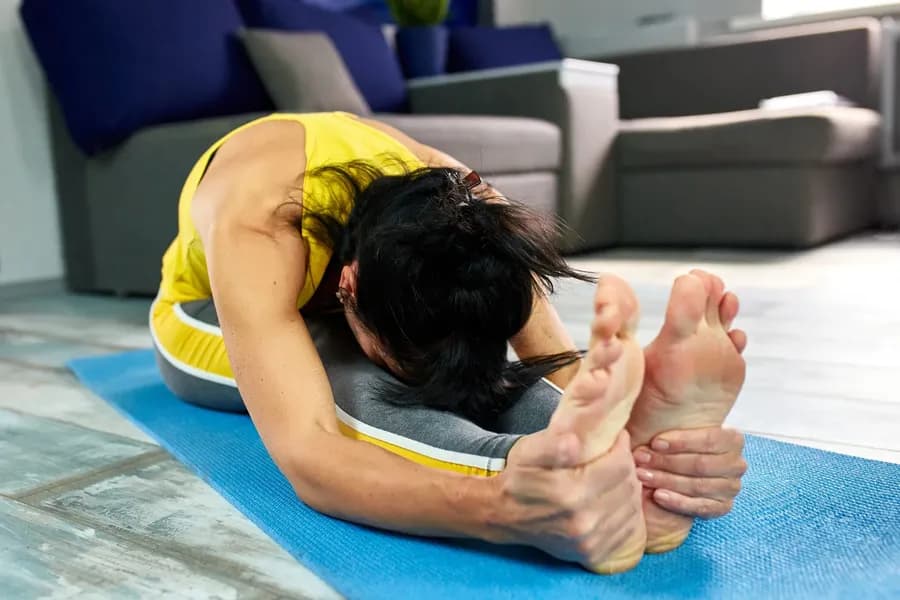
Paschimottanasana: Yoga Steps, Benefits & Tips
Paschimottanasana, the Seated Forward Fold, deeply stretches the entire posterior chain, stimulates the abdominal organs, calms the nervous system, and builds hamstring and spinal flexibility.

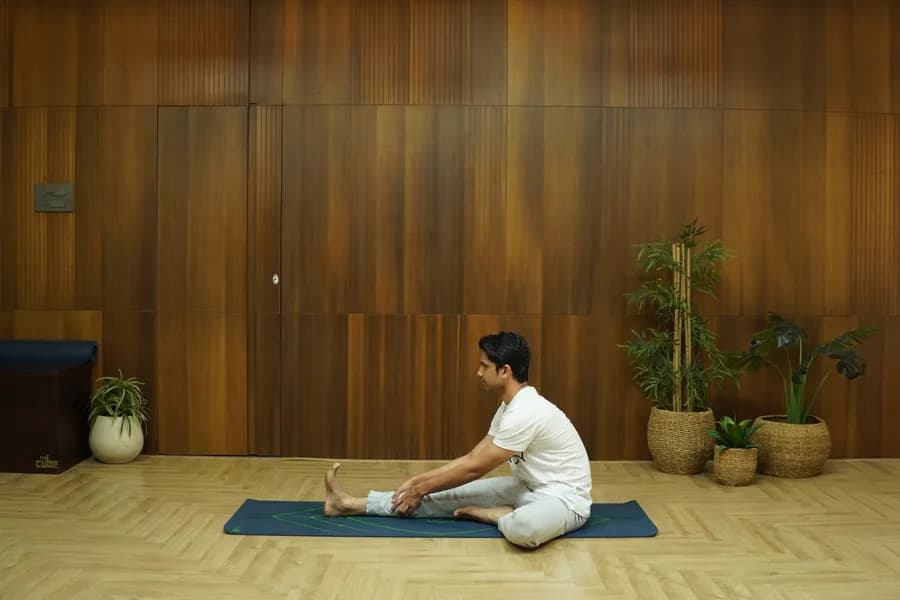
Janu Sirsasana (Head to Knee Pose): Steps and Key Benefits
Practice janu sirsasana with Habuild. Try the janu sirsasana pose to stretch your hamstrings, calm your mind, and improve flexibility. Start your session now!
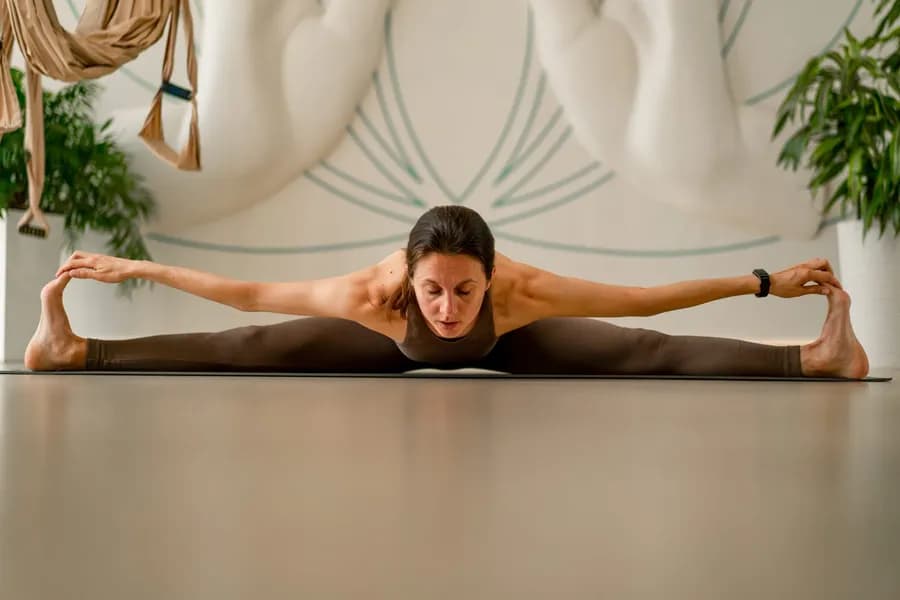
Upavista Konasana: Steps Benefits and Flexibility Guide
Practice Upavista Konasana with Habuild. Follow the seated wide-angle steps to open your hips, stretch your hamstrings, and build flexibility. Start today!